

By the Editorial Desk
Published: Gaming Technology & Hardware Insights
Main Facts
The gaming industry is reeling from a significant hardware security milestone following confirmation that Nintendo’s successor console, widely referred to as the Nintendo Switch 2, has been successfully jailbroken. Operating much like recent exploits seen on the PlayStation 5, the new Nintendo flagship has fallen victim to an early exploit pipeline that leverages unexpected tools—including artificial intelligence and official eShop software.
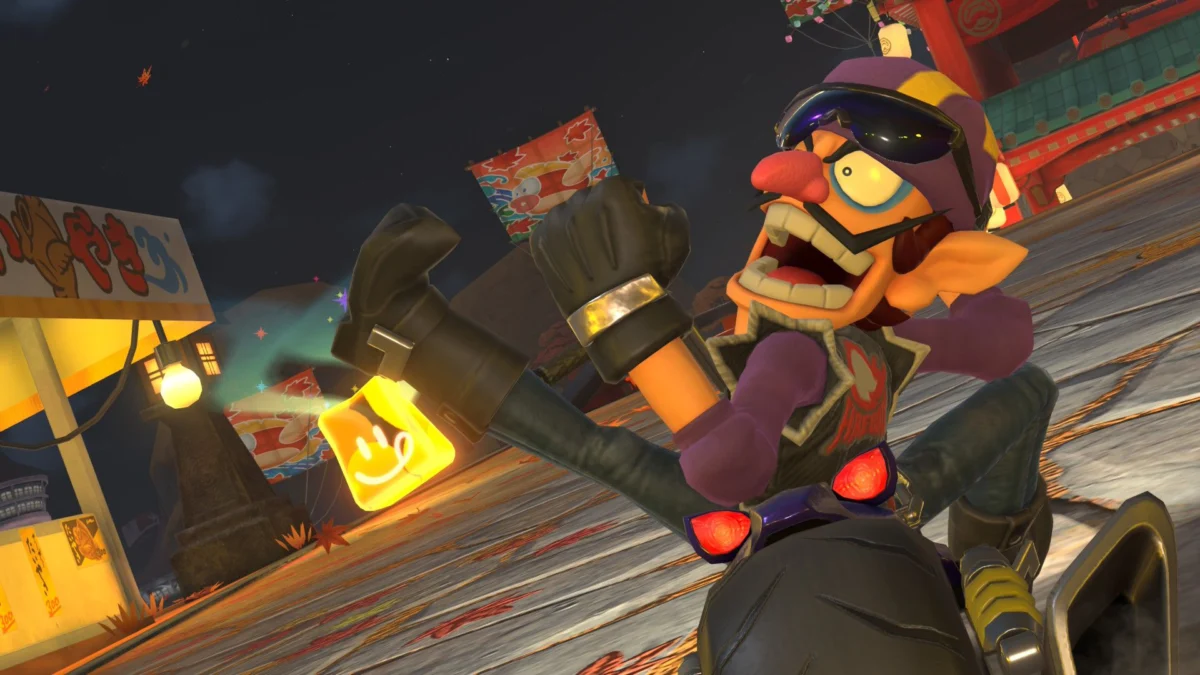
The exploit was brought to light by an anonymous developer operating under the online pseudonym "pepsipu." Via a series of posts on X (formerly Twitter), the developer demonstrated that unauthorized code execution on the freshly released hardware is not only possible, but versatile enough to introduce bizarre, high-profile custom modifications. Among the first demonstrations of the system’s broken security walls was the injection of custom character models into Mario Kart World, notably substituting standard racers with pop culture fixtures such as Sanrio’s Cinnamoroll, Family Guy’s Peter Griffin, and virtual pop icon Hatsune Miku.
While the technical breakdown of the exploit remains tightly circulated within niche development communities, initial details confirm that the method relies on a combination of OpenAI’s advanced language models for code assistance and SmileBASIC 4—a $25 game-development tool currently available on the Nintendo eShop.
Despite the novelty of racing through Mario Kart World as Peter Griffin, the jailbreak has immediate caveats. Security analysts and the hacker themselves have noted that the current exploit is strictly tethered, meaning it cannot persist independently and is completely wiped every time the console is powered down or rebooted. Furthermore, Nintendo’s swift automated legal and software countermeasures are expected to target the eShop vector rapidly, leaving the longevity of this specific exploit hanging in the balance.
Chronology of the Exploit
To understand how the Nintendo Switch 2 was breached so soon after its commercial launch, it is vital to trace the timeline of events leading up to the public revelation on social media.
- The Launch Window Vulnerability: Following the commercial rollout of the Nintendo Switch 2, security researchers and homebrew enthusiasts immediately targeted the new operating architecture, eager to see if the hardware vulnerabilities that plagued the original Nintendo Switch had been patched or reimagined.
- Leveraging Creative Software: Rather than relying exclusively on traditional hardware-level vector attacks (such as the notorious Tegra X1 RCM exploit of the original Switch), the exploit architect discovered a loophole within SmileBASIC 4. This application essentially acts as a sandbox coding environment on the console.
- The AI Integration: Facing complex logic hurdles within the console’s updated kernel and sandbox environments, the developer turned to artificial intelligence. By utilizing OpenAI models to help write, parse, and debug specialized payload scripts, the creator managed to bypass primary security checks.
- Public Proof-of-Concept: On [Date/Reference Point], pepsipu took to X to showcase the fruits of the labor. Videos and screenshots flooded the internet, depicting absurd and heavily edited gameplay footage of Mario Kart World running custom third-party character skins.
- The Immediate Aftermath: Within hours, the gaming community split into factions. While homebrew enthusiasts marveled at the speed of the hack, privacy advocates, indie developers, and copyright watchdogs expressed immediate alarm over the implications of AI-assisted console cracking.
Supporting Data and Technical Architecture
While the full exploit chain has not been published as an open-source installer for casual users—primarily to avoid immediate mitigation by Nintendo’s engineering teams—security experts have analyzed the components involved in the breakthrough.
The Role of SmileBASIC 4
SmileBASIC 4 is marketed as a beginner-friendly programming suite designed to let users create and share their own retro-style games using a dialect of BASIC. Because the application possesses localized execution privileges to interact with the system’s runtime environment, clever developers have historically used similar programming applications as entry points for privilege escalation. By finding an overflow or injection flaw within SmileBASIC 4’s memory allocation, the hacker was able to execute arbitrary code outside the application’s intended sandbox.
The AI Factor
The involvement of artificial intelligence marks a fascinating evolution in modern hacking culture. Writing exploits for modern, heavily encrypted consumer electronics typically requires thousands of hours of reverse engineering by seasoned systems architects. However, by feeding system behavior reports, error logs, and assembly structures into generative AI, developers can drastically accelerate the debugging process. The AI acts as a 24/7 coding partner, quickly suggesting bypass loops and identifying syntax structures that lead to successful memory manipulation.

Constraints of the Tethered Jailbreak
It is important to categorize the current state of the Switch 2 jailbreak accurately:
- Tethered Nature: The exploit requires an external trigger or specific initialization sequence every time the console boots up. A standard hard reset neutralizes the custom payload entirely, returning the device to an uncompromised stock state.
- Software Dependency: Because the vector relies on specific eShop applications like SmileBASIC 4, Nintendo holds the power to remotely pull, patch, or block the software from functioning, rendering the current exploit method obsolete for new adopters who update their system firmware.
Official Responses and Industry Context
As of this writing, Nintendo has not issued a formal press release regarding the exploit, though corporate legal teams and software engineers are undoubtedly working around the clock. Nintendo has historically maintained a zero-tolerance policy toward hardware modifications, copyright infringement, and unauthorized code execution, frequently deploying aggressive firmware updates and legal threats against purveyors of mod chips and jailbreak tools.
The timing of this breach coincides with a broader, industry-wide security crisis. Sony’s PlayStation 5 has recently seen a surge in high-profile jailbreaking milestones, arriving suspiciously close to the horizon of major blockbuster releases like Grand Theft Auto VI.
Industry analysts point out that as the video game market aggressively shifts toward all-digital ecosystems, consumer anxiety regarding ownership, digital preservation, and hardware autonomy is reaching an all-time high. This ideological friction often fuels underground homebrew communities, who argue that jailbreaking is a necessary path toward digital preservation, custom modification, and consumer rights. Conversely, publishers view these breaches as open gateways to massive piracy rings, cheat injection in multiplayer titles, and devastating pre-release data leaks.
Implications for the Gaming Community and the Switch 2 Ecosystem
The successful jailbreaking of the Nintendo Switch 2 carries profound consequences that will shape the console’s lifecycle for years to come.
1. The Threat of Spoilers and Data Leaks
One of the most immediate fears among developers and players is the threat of data mining. When a console is jailbroken, its file system becomes an open book. Game files can be extracted, decrypted, and scoured for hidden assets, unannounced DLC, storyline details, and secret projects. For a publisher like Nintendo, which relies heavily on tightly controlled marketing rollouts and surprise announcements, data leaks represent a massive commercial hazard.
2. Ethical Concerns and the Livelihoods of Artists
The inclusion of custom character models (such as Cinnamoroll and Hatsune Miku) via AI-assisted modding has reignited fierce debates within the digital art community. A vocal portion of the user base has criticized the methods used, with commentators noting the potential harm to independent creators whose assets, likenesses, or hard work are bypassed or co-opted without compensation. Furthermore, anxieties persist that widespread emulation and piracy enabled by a mature jailbreak could severely harm indie developers who rely on Day-One software sales on Nintendo platforms to sustain their studios.
3. The Future of Console Security
For Nintendo, the challenge now lies in patching the underlying system vulnerabilities before they can be weaponized into permanent, untethered hardware exploits (similar to the vulnerable early-model Tegra chips of the original Switch). If security researchers can translate this software-level exploit into a permanent bootrom or hardware mod, the floodgates for custom firmware (CFW), homebrew emulators, and widespread piracy will officially open.
Conclusion
At present, the average consumer has little reason to worry. The exploit remains complex, tethered, and largely inaccessible to casual users—not to mention economically impractical given the risks of bricking expensive new hardware or facing automated console bans from Nintendo Network services. However, the psychological barrier has been broken. The Nintendo Switch 2 is officially part of the ongoing cat-and-mouse game between console manufacturers and the homebrew underground, ensuring that the platform’s technological lifespan will be closely watched by security analysts and gamers alike.

