

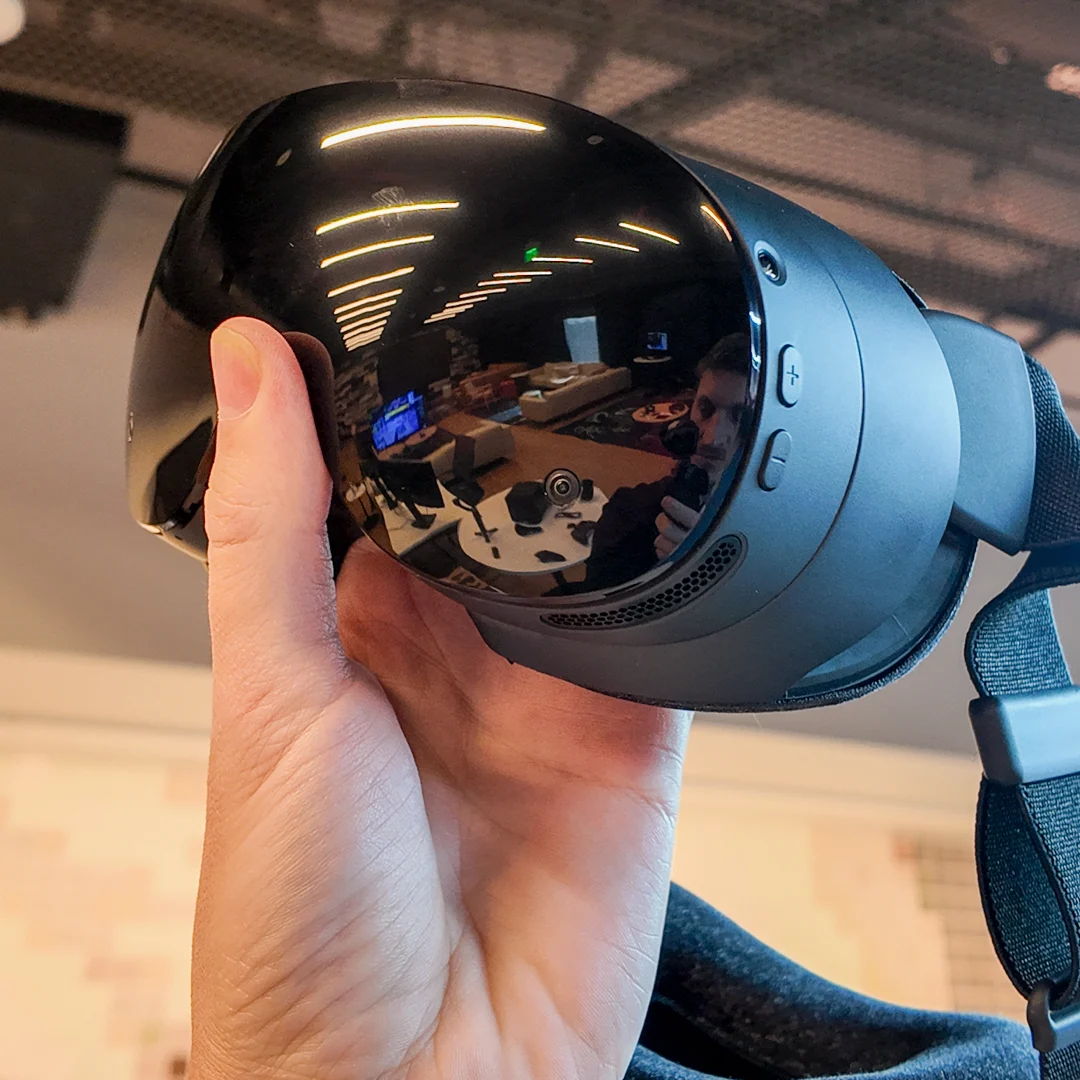
In the rapidly evolving landscape of modern gaming, the boundaries between platforms have become increasingly porous. For years, Sony Interactive Entertainment seemed to be embracing this shift, methodically porting its crown-jewel PlayStation exclusives—from God of War and Horizon Zero Dawn to The Last of Us—to the PC market. This strategy was widely viewed as a win-win: PlayStation owners enjoyed their timed exclusivity, while PC gamers gained access to world-class narratives, and Sony secured a lucrative secondary revenue stream.
However, recent shifts in corporate signaling suggest a dramatic U-turn. Sony appears to be retreating into its bunker, prioritizing console-first exclusivity in a bid to reclaim the perceived "prestige" of the PlayStation 5 ecosystem. As developers and analysts dissect this pivot, a growing body of evidence suggests that by abandoning the PC, Sony may be turning its back on one of its most vital and rapidly expanding demographics: the Chinese market.
The Chronology of a Strategic Reversal
The narrative surrounding Sony’s PC strategy has shifted from one of expansion to one of retraction within a remarkably short window.
For several years, the "PlayStation to PC" pipeline was a pillar of Sony’s growth strategy under former PlayStation boss Jim Ryan. The goal was simple: take older, critically acclaimed titles and offer them to the massive Steam audience to generate "long-tail" revenue. The initiative was a financial success, with ports consistently topping global sales charts.
However, as the current generation of hardware matures, the sentiment within Sony has seemingly soured. Reports from industry insiders, including those cited by Bloomberg, indicate a renewed internal focus on console exclusivity. This move is designed to make the PS5 an essential purchase, rather than just one option among many. The decision to prioritize upcoming titles like Ghost of Yotei for console-only launches underscores this tightening grip. Industry pundits have been quick to weigh in; Bluepoint Games’ head of technology recently suggested that Sony’s true anxiety stems not from competition with Microsoft’s Xbox, but from the rising dominance of Valve and the Steam ecosystem—a competitor that cannot be bought, only competed against.
Supporting Data: The China Factor
Perhaps the most compelling argument against Sony’s current retreat is the undeniable influence of the Chinese PC gaming market. Recent analysis by Alinea Insights provides a stark look at the data, revealing that for high-profile titles, the Chinese Steam user base is not just a secondary market—it is often the primary driver of success.
For instance, 42% of the PC sales for Death Stranding 2 originated from China, cementing the region as the title’s largest Steam market. Similarly, Stellar Blade—a title that saw significant traction on PlayStation—found immense popularity among Chinese PC players.
The scale of this demographic is staggering. According to the latest Steam hardware surveys, Simplified Chinese is the second most-used language on the platform, trailing only English. With estimates of over 30 million active users in China accessing the storefront, the reach is immense. By restricting games to the PS5, Sony effectively forfeits access to a user base that has proven it is willing to spend money on premium, high-fidelity experiences, provided they are accessible on the platform of their choice.
The "Halo Effect" and Sales Performance
One of the most persistent myths in the console industry is that PC ports "cannibalize" console sales. However, empirical evidence suggests the opposite. The "halo effect"—where a PC release generates enough social media buzz, streaming content, and discourse to drive interest back to the console version—is well-documented.
Alinea Insights highlighted that the release of games on PC did not negatively impact PlayStation sales. On the contrary, Death Stranding 2 experienced its best two-week sales performance on the PlayStation platform immediately following its PC launch. This phenomenon suggests that PC versions act as a massive, interactive advertisement. When a game enters the Steam ecosystem, it becomes the subject of streamers, YouTubers, and community forums, elevating the brand’s visibility in a way that a static console release rarely achieves in isolation.
Even Stellar Blade, which lacked the benefit of a discount during its PC rollout, saw a simultaneous uptick in PS5 hardware and software sales. The data suggests that for Sony, the PC is not a competitor to the PlayStation, but rather a powerful megaphone that amplifies the value of its intellectual property.
Official Responses and Developer Autonomy
The friction between Sony’s desire for control and the market’s desire for accessibility is perhaps best illustrated by the changing relationships with third-party developers.
Shift Up, the studio behind the hit Stellar Blade, has publicly signaled its intention to handle its own publishing for the sequel. In a recent earnings Q&A, the studio outlined a strategy focused on "maximizing sales and reaching a broad global audience from day one."
This is a subtle but profound rebuke of the "console-first" philosophy. By choosing to self-publish or seek partners that prioritize global, multi-platform availability, developers are effectively saying that the limitations of a single console architecture are no longer aligned with their creative and financial ambitions. The message is clear: studios want to reach the widest possible audience, and for many, that audience is no longer tethered to a living room console.
The Implications: A Risky Bet on Exclusivity
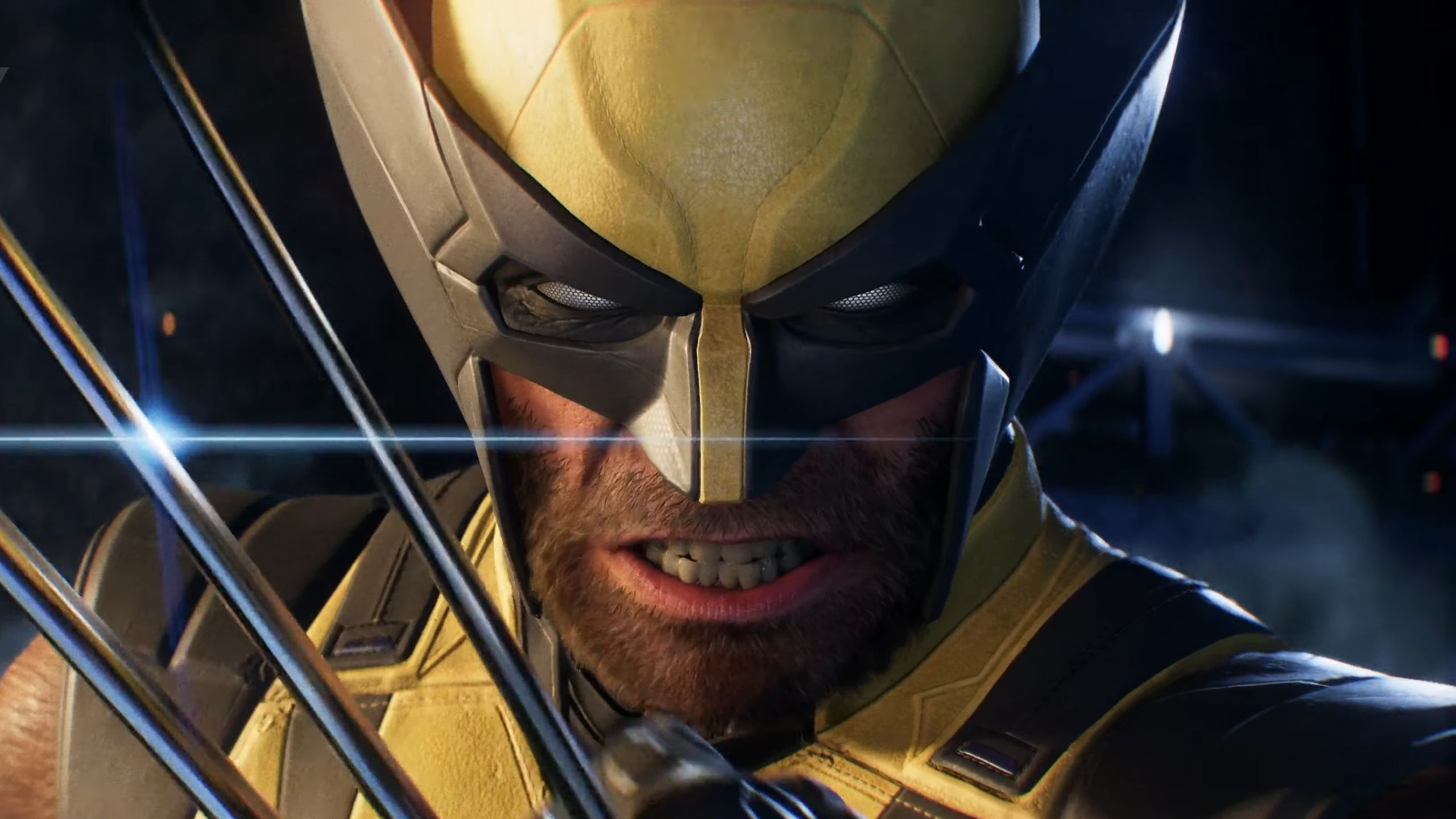
Sony’s pivot raises fundamental questions about the future of the company’s portfolio. By pulling back from PC, Sony is betting that the appeal of their exclusive games—titles like Wolverine—is strong enough to force millions of PC gamers to purchase a $500 piece of hardware.
However, this ignores the changing psychology of the modern gamer. The industry has moved toward a "hardware-agnostic" expectation. Players want to access their library regardless of the device, whether that is a high-end PC, a handheld, or a console. When Sony removes itself from the PC space, it cedes the cultural conversation to other publishers who are more than happy to fill the void.
Furthermore, ignoring the Chinese market—a market that has demonstrated a massive appetite for these specific titles—is a move that shareholders may eventually question. If Death Stranding 2 can derive nearly half its PC revenue from a single region, the opportunity cost of ignoring that region for future titles is not just thousands of dollars; it is potentially millions in missed revenue and long-term brand equity.
Conclusion: The Road Ahead
Sony’s decision to bunker down is, in many ways, an attempt to return to the "glory days" of the console wars, where exclusivity was the primary weapon in a hardware manufacturer’s arsenal. But the battlefield has changed. The PC is no longer a fringe platform; it is a global, essential pillar of the gaming economy.
As Sony looks to the future, it must weigh the temporary benefit of hardware exclusivity against the long-term reality of a global market that demands choice. If the goal is to "maximize sales," as Shift Up aptly noted, the data shows that the PC is not a threat to the PlayStation—it is its greatest potential ally. By choosing to walk away from the PC, Sony may find that it isn’t just protecting its console sales; it is limiting the reach and influence of its own creative legacy. Whether this shift will result in a stronger PlayStation brand or a diminished global presence remains to be seen, but the data suggests that for the modern player, the walls of the bunker are looking increasingly thin.

