

Main Facts
The expansion of Stephen King’s horrific universe is shifting gears in a major way. Following the atmospheric and chilling foundation laid by its inaugural run, HBO’s hit horror prequel series It: Welcome to Derry is officially charging ahead into its second season. Showrunner Brad Caleb Kane has stepped forward to offer a tantalizing glimpse into what audiences can expect, describing the upcoming chapter as "very different" from its predecessor.
Moving away from the 1960s aesthetic of the first season, Season 2 will transport viewers back another 27-year cycle to the height of the Great Depression in 1935. According to Kane, the creative team is drawing inspiration from classic cinematic history, blending the bleak economic reality of the era with the supernatural terror of Stephen King’s universe.
"We’re making something very exciting for season 2 that I can’t talk too much about, but it’s got a different palette," Kane revealed in an exclusive interview with Entertainment Weekly. "It’s the Depression, it’s 1935. Beyond that, I can’t talk about it, but you can imagine a Warner Bros. gangster picture through the lens of Pennywise and Stephen King. That’s kind of what we’re doing."
Currently, the production is moving swiftly through development. Kane—fresh off his work on the Friday the 13th prequel series Crystal Lake—is operating as the sole showrunner for Season 2, taking over sole creative reins after co-running Season 1 alongside Jason Fuchs. The writers’ room is reportedly operating at a rapid pace; Kane confirmed that the team is "deep into" crafting the scripts, having already broken more than half of the overarching story and steadily edging into pre-production.
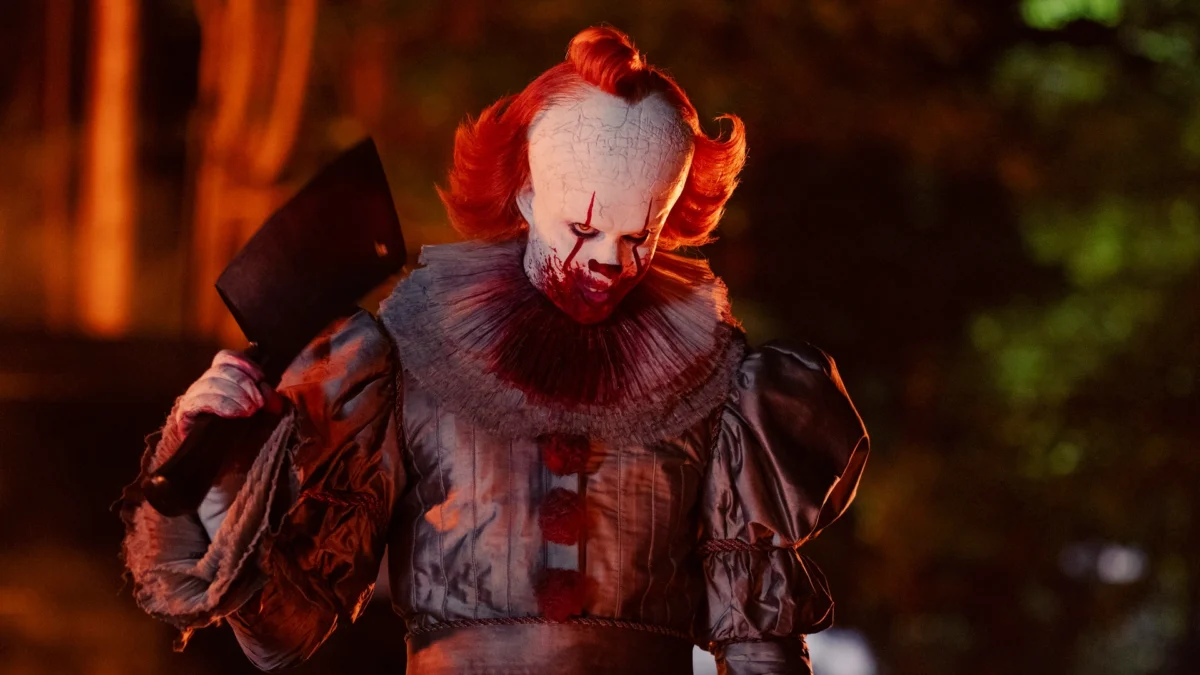
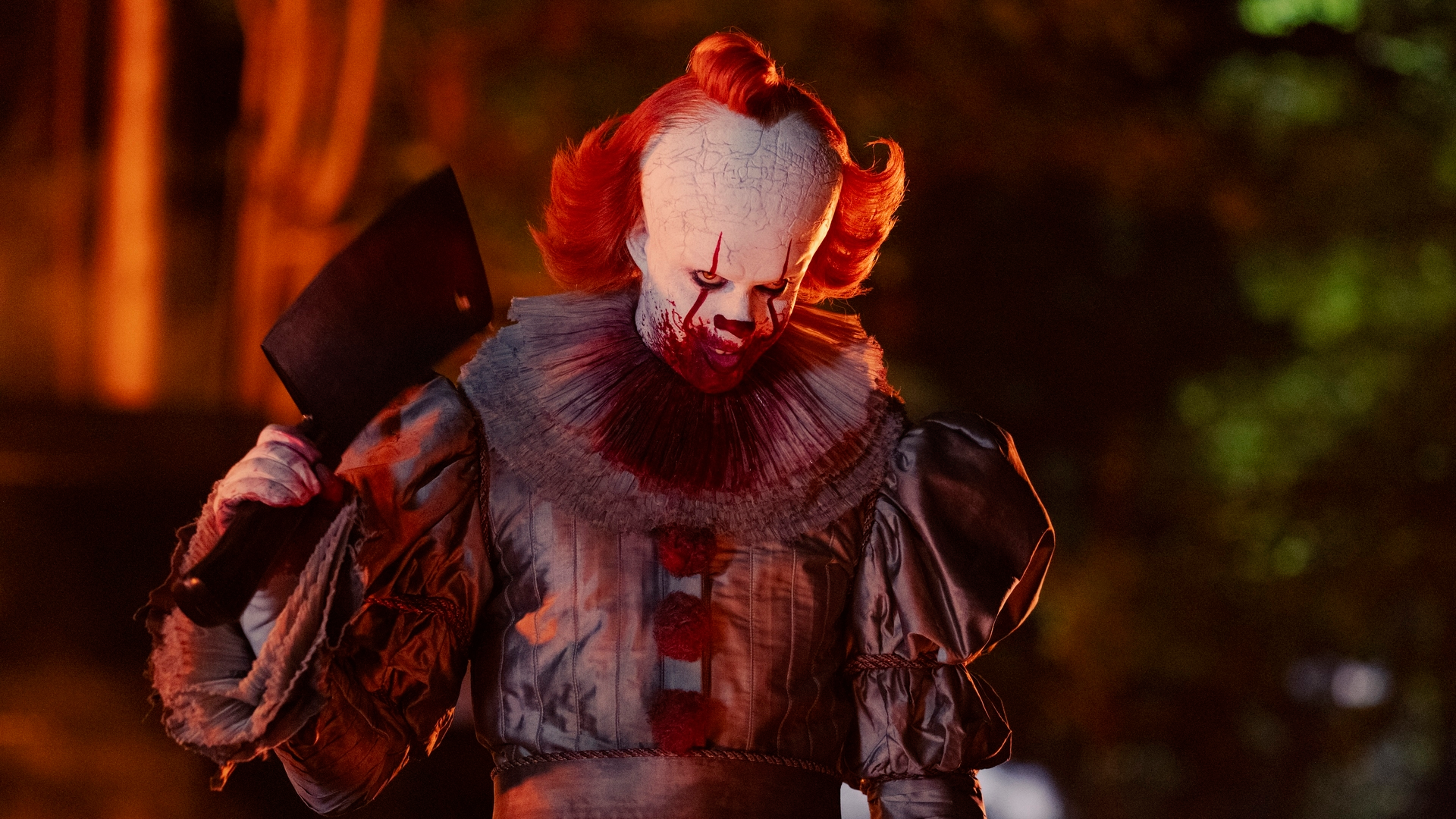
While exact plot details, an official synopsis, and a concrete release date remain under wraps, fans can expect the return of Bill Skarsgård as the iconic, shape-shifting entity known as Pennywise the Dancing Clown. However, due to the backward chronological leap of nearly three decades, viewers should prepare for an entirely new ensemble cast, alongside younger iterations of characters introduced in the first season.
Chronology of Terror: The Timeline of Derry’s Darkest Cycles
To fully appreciate the narrative direction of It: Welcome to Derry Season 2, one must understand the cyclical nature of evil that defines the town of Derry, Maine, within Stephen King’s mythology.
In King’s seminal 1986 novel IT, the ancient cosmic entity that manifests primarily as Pennywise awakens approximately every 27 years to feed on the terror, trauma, and flesh of the town’s inhabitants—predominantly targeting children. The media adaptations directed by Andy Muschietti and expanded through the HBO television series have meticulously mapped out these cyclical horrors:
- The Ancient Origins: Long before European settlers arrived, the entity arrived on Earth via a cataclysmic impact event, embedding itself deep beneath the ground where the town of Derry would eventually be built.
- The 1930s (Season 2 Setting): The upcoming second season will plunge audiences into 1935. This era is historically defined by the Great Depression, economic hardship, and widespread social unrest—fertile ground for a supernatural predator that thrives on human misery and violence. This period marks the infamous Bradley Gang Massacre, a historical event referenced in King’s source material involving a violent bank-robbing syndicate and a bloody town square shootout—with Pennywise lurking in the shadows.
- The 1960s (Season 1 Setting): Setting the stage 27 years prior to Muschietti’s first It feature film, the inaugural season explored the terrifying events leading up to the devastating fire at The Black Spot—a Black-owned nightclub burned down by a local hate group, an atrocity famously witnessed and fueled by Pennywise.
- The 1980s/1989 (The Losers’ Club – It Part 1): The timeline familiar to moviegoers, where a group of outcast children band together to fight the monster in the summer of 1989.
- The 2016 (Adult Losers – It Part 2): The final stand, 27 years later, where the surviving members of the Losers’ Club return to Derry as adults to put an end to the nightmare once and for all.
By stepping back to 1935, It: Welcome to Derry continues its mission to flesh out the horrifying tapestry of the town, proving that Pennywise’s influence has corrupted generations of Americans long before the Losers’ Club ever drew breath.
Supporting Data: Behind the Scenes and Production Status
The architecture of It: Welcome to Derry Season 2 is being built by a seasoned team of horror veterans and television creators. Analyzing the current production metrics and creative shifts highlights Warner Bros. and HBO’s high confidence in the franchise’s television viability:
- Production Phase: Pre-production and script-writing. Over 50% of the narrative arc for Season 2 has been fully broken down and mapped out in the writers’ room.
- Showrunner Transition: Brad Caleb Kane assumes full solo showrunner duties for Season 2. In Season 1, Kane shared the showrunner title with Jason Fuchs, while franchise architects Andy and Barbara Muschietti spearheaded the creative vision. Andy Muschietti is expected to remain heavily involved, particularly regarding continuity and directing duties.
- Key Historical Anchor: The narrative is anchored around the Bradley Gang Massacre, a tragic piece of Derry lore outlined in Stephen King’s novel. The storyline will weave classic Depression-era gangster tropes—bank robberies, fedoras, Tommy guns, and societal desperation—with cosmic horror.
- Tone and Visuals: Kane promises a distinct shift in artistic direction, noting a "different palette" that leans heavily into bloody, gritty, genre-blending territory.
While the first season relied on the suburban paranoia of the Cold War-adjacent 1960s, the 1930s setting allows the creative team to lean into a more gothic, hard-boiled aesthetic—reminiscent of classic Warner Bros. gangster dramas, albeit thoroughly warped by supernatural dread.
Official Responses and Creative Insights
The decision to pivot genres while maintaining the core mythology of Stephen King has generated significant excitement among the creative team. Brad Caleb Kane’s recent press statements emphasize a desire to keep the television universe fresh rather than repeating narrative beats from Season 1.
Speaking with Entertainment Weekly, Kane emphasized the unique tonal balancing act required to pull off a 1930s monster story:
"You can imagine a Warner Bros. gangster picture through the lens of Pennywise and Stephen King. That’s kind of what we’re doing."
This unique pitch bridges the gap between historical crime fiction and supernatural horror. The Great Depression was an era defined by desperation, outlaws, and systemic failure—elements that make human beings exceptionally vulnerable to manipulation by an entity that feeds on fear and division.
Furthermore, Andy Muschietti has previously addressed the structural necessity of shifting casts across the decades. Because the series explores distinct generational cycles, exploring the past requires introducing younger iterations of characters from previous seasons. Speaking on the casting strategy, Muschietti confirmed that Season 2 will feature younger versions of characters established in Season 1, requiring fresh casting calls to find child and teen actors capable of carrying the emotional weight of living in a haunted town.
Bill Skarsgård, whose physical performance and vocal modulation defined modern cinematic horror as Pennywise, is widely anticipated to reprise his role. Skarsgård’s commitment to the character remains a cornerstone of the franchise’s success, anchoring both the feature films and the television spin-offs with an unsettling, magnetic menace.
Implications for the Franchise and the Future of Stephen King Adaptations
The trajectory of It: Welcome to Derry has massive implications not only for HBO’s streaming catalog but also for the broader landscape of Stephen King screen adaptations.
1. Expanding the "King-Verse" on Television
For decades, Stephen King adaptations were predominantly feature films or limited television miniseries (such as the classic 1990 IT miniseries starring Tim Curry). However, Welcome to Derry proves that the deep lore of King’s Maine universe—which frequently connects disparate stories through shared geography and cosmic mythology—thrives in a multi-season, prestige television format. By treating Derry itself as the main character rather than just a setting, HBO has unlocked a bottomless well of historical horror.
2. Redefining Horror Subgenres
By explicitly comparing Season 2 to a "Warner Bros. gangster picture," Kane is signaling a maturation of the horror-television genre. Audiences have grown fatigued by standard jump-scare formulas. By infusing the cosmic dread of IT with the gritty realism of 1930s crime dramas, the creative team is elevating the material into historical-supernatural tragedy. The juxtaposition of ordinary human cruelty (bank robbers, outlaws, vigilantes) against supernatural malice (Pennywise) explores a chilling thematic question: Who is truly more monstrous—the men of the Depression era, or the ancient beast that feeds upon them?
3. High Expectations for HBO
As one of Warner Bros. Discovery’s premier IPs, It: Welcome to Derry carries immense financial and cultural weight. Season 1 established that audiences are hungry for more cinematic scares on the small screen. If Season 2 successfully delivers its ambitious blend of Depression-era crime fiction and visceral bloodshed, it could set a new benchmark for how cinematic universes expand into serialized television.
As pre-production continues and the writers put the final touches on Derry’s blood-soaked 1935 history, fans are left waiting for an official release date—and watching the calendar as the shadow of Pennywise stretches ever further across the decades.

