

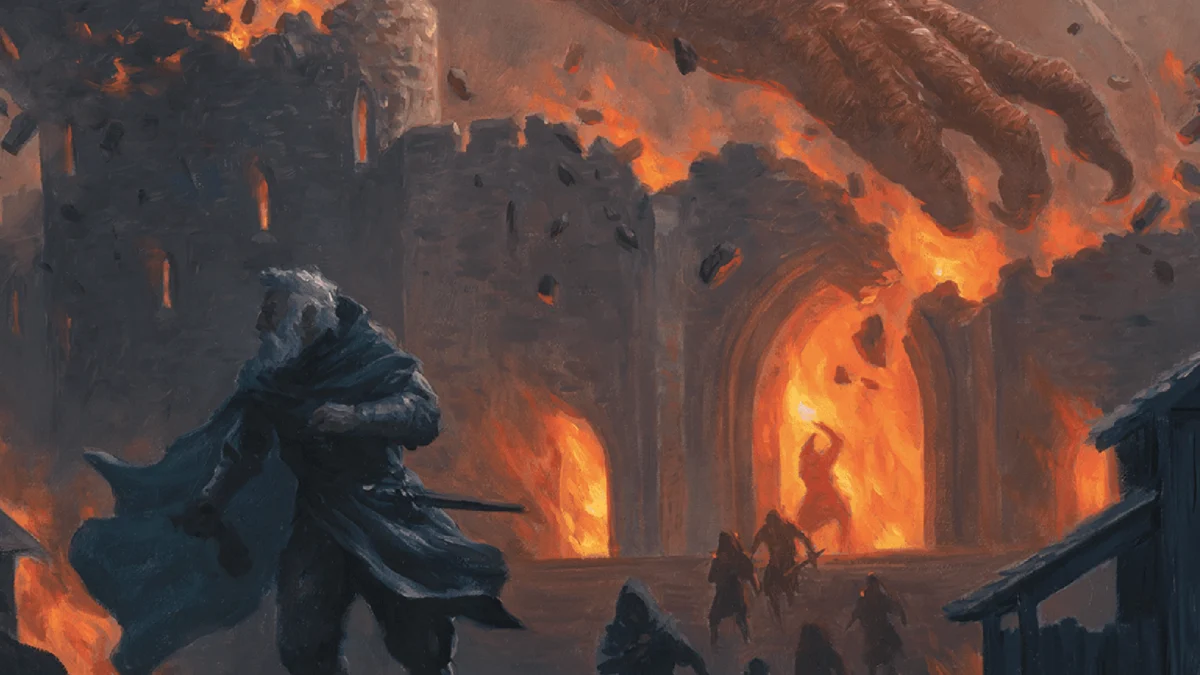
In the modern era of gaming, we are blessed with computer-generated Roleplaying Games (CRPGs) of staggering depth. Titles like Disco Elysium, Baldur’s Gate 3, and the rising indie hit Esoteric Ebb offer players an unprecedented degree of agency, simulating thousands of branching narrative paths and complex systemic interactions. Yet, as sophisticated as these digital engines have become, they often pale in comparison to the unscripted, chaotic, and often bizarre reality of a tabletop session.
When you gather a group of flesh-and-blood humans around a table—or a virtual interface—the "engine" is not a pre-programmed algorithm, but the erratic, unpredictable, and hilarious spark of human creativity. It is here, in the realm of paper, pencils, and polyhedral dice, that the most memorable stories are forged.
The Human Element: Why Tabletop Rules the Narrative
The fundamental difference between a CRPG and a Tabletop Roleplaying Game (TTRPG) is the presence of an improvisational filter. In a computer game, the developers must anticipate every player choice. Even in the most open-world RPGs, there are "invisible walls"—both literal and metaphorical—that limit the scope of the simulation.
In a TTRPG, however, the "game engine" is the Dungeon Master (DM) and the collective imagination of the players. If a player decides to carry a massive, impractical wooden table through a dungeon because they think it "looks nice" and subsequently uses it as an improvised battering ram, the rules of reality in that session bend to accommodate that absurdity. There is no code to break, only the social contract of the table and the capacity for the group to embrace the madness.
Chronology of Chaos: Tales from the Table
To understand the unique allure of tabletop gaming, one must look at the specific moments where the game goes "off-script." Over the last 15 years, the anecdotes collected from various campaigns serve as a testament to the fact that the most iconic moments are rarely the ones planned by the GM.
1. The Earthquake Session
Approximately 15 years ago, a remote session hosted by a New Zealand-based GM in a homebrew steampunk-inspired version of a West African city took an unexpected turn. During a tense moment in the narrative, the physical world intervened. The GM’s surroundings began to shake, objects tumbled from shelves, and the background noise of panic ensued. It was a genuine earthquake.
While the players, located in the relative seismic stability of Scotland, were initially bewildered, the session demonstrated the resilience of the tabletop medium. After a brief pause to ensure the GM’s safety, the game resumed. The event became a permanent fixture in the group’s collective memory—a reminder that tabletop gaming is an experience shared between people who exist in the real world, not just a digital space.
2. The Alien Betrayal
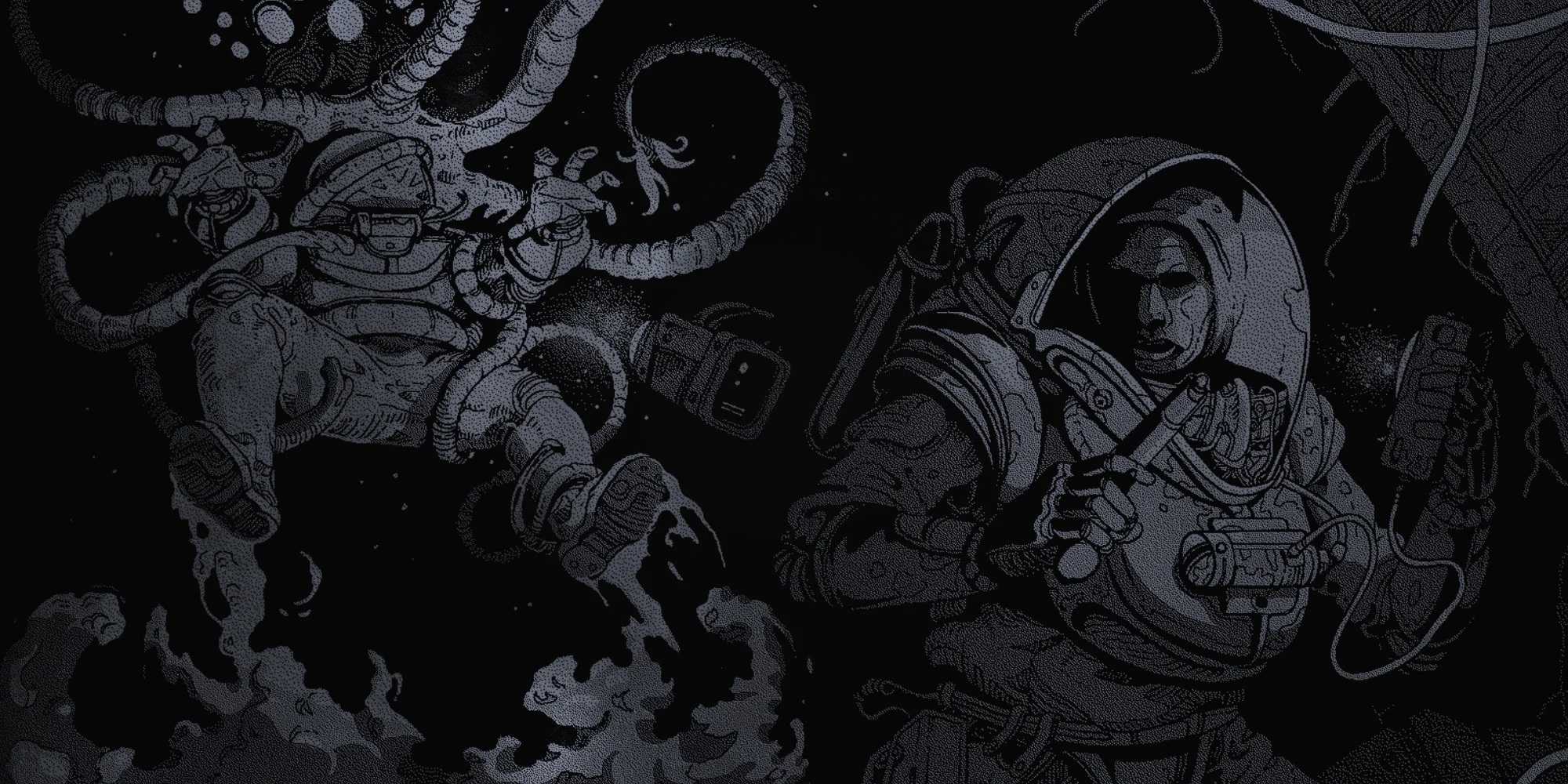
In a high-stakes Mothership session, the horror of sci-fi TTRPGs was fully realized. One player, infected with an alien virus, began receiving private, chilling messages from the GM. The paranoia, fueled by secret knowledge, led to a desperate, doomed attempt to flee to the ship. When a fellow player shot them in the leg to stop the spread of the infection, the narrative spiraled into body horror: the player’s character suffered a gruesome transformation, losing their head to encroaching tentacles and ultimately "eating the face" of their comrade. This level of visceral, character-driven betrayal is rarely matched in scripted media.
3. The Echolalic Assassin
In a Call of Cthulhu campaign, the descent into madness was not a mere stat penalty, but a roleplaying challenge. After witnessing a spectral horror, one player developed echolalia—the compulsive repetition of others’ words. Following a tragic accident involving an elephant gun and a disintegrated party member, the player attempted to flee via taxi. The resulting scene, where the player could only repeat the taxi driver’s mundane observations while internally processing the horror of their own actions, highlighted how TTRPGs force players to inhabit their characters’ psychological states in ways that go beyond traditional game mechanics.
Supporting Data: The Rise of TTRPG Popularity
The enduring nature of TTRPGs is supported by a massive shift in cultural consumption. According to industry analysis, the TTRPG market has seen exponential growth over the last decade. This is often attributed to the "Actual Play" phenomenon—shows like Critical Role or Dimension 20—which broadcast the collaborative storytelling aspect of the hobby to millions.
Unlike video games, which rely on hardware cycles and graphical fidelity, TTRPGs rely on social infrastructure. Data from gaming platforms indicates that even as CRPGs reach new heights of visual fidelity, the demand for social, narrative-heavy games has remained at an all-time high. The "analog" nature of the hobby provides a much-needed break from screen-heavy lifestyles, even for those who choose to play remotely via digital tabletops like Roll20 or Foundry VTT.
Official Perspectives: The Role of the Dungeon Master
The DM is more than just a narrator; they are the mediator of the group’s collective psyche. Wizards of the Coast, the publisher of Dungeons & Dragons, has frequently emphasized in their latest editions that the rules are "guidelines" rather than rigid laws. This philosophy acknowledges that the most vital part of the game is the friction between player intention and narrative outcome.
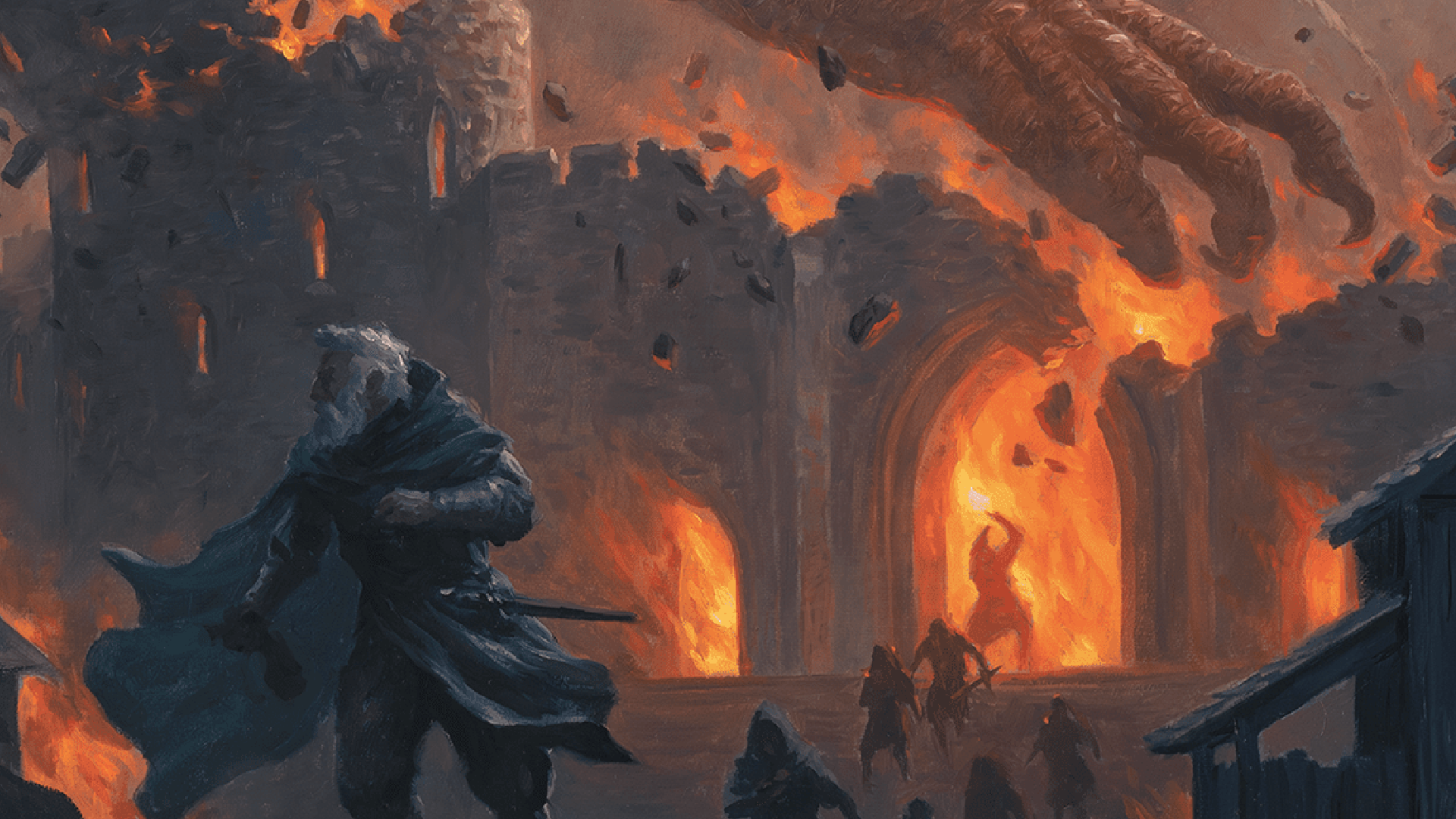
Professional GMs note that the best sessions are those where the DM allows the players to "fail forward." Whether it’s a player puking on themselves and blaming a fictional "Vomit Bandit" or a bizarre misunderstanding in a city street, the DM’s role is to weave these threads into the narrative tapestry, rather than pruning them.
Implications for the Future of Gaming
As we look to the future, the boundary between video games and TTRPGs continues to blur. Developers are increasingly looking for ways to implement "GM-style" systems into video games, such as AI-driven narrators or more robust modding tools that allow players to create their own campaigns.
However, the implications of these stories are clear: technology can simulate the rules of a game, but it struggles to simulate the human experience of playing it. The joy found in tabletop gaming comes from the ability to be wrong, to be messy, and to be profoundly weird.
In a world where we spend increasing amounts of time optimizing our digital lives—perfecting our loadouts, maxing out stats, and following quest markers—the tabletop remains one of the last bastions of true, unoptimized play. It is a space where the "Vomit Bandit" can become an inside joke for a decade, and where a random earthquake or a moment of madness can turn a standard session into a legendary tale.
So, to the players, the GMs, and the silent observers of the table: what are your stories? In the end, these anecdotes are the true currency of the hobby. The digital games may offer the most beautiful graphics, but the tabletop offers the best memories. Grab a seat, ignore the imaginary goblin puke, and start rolling.

