

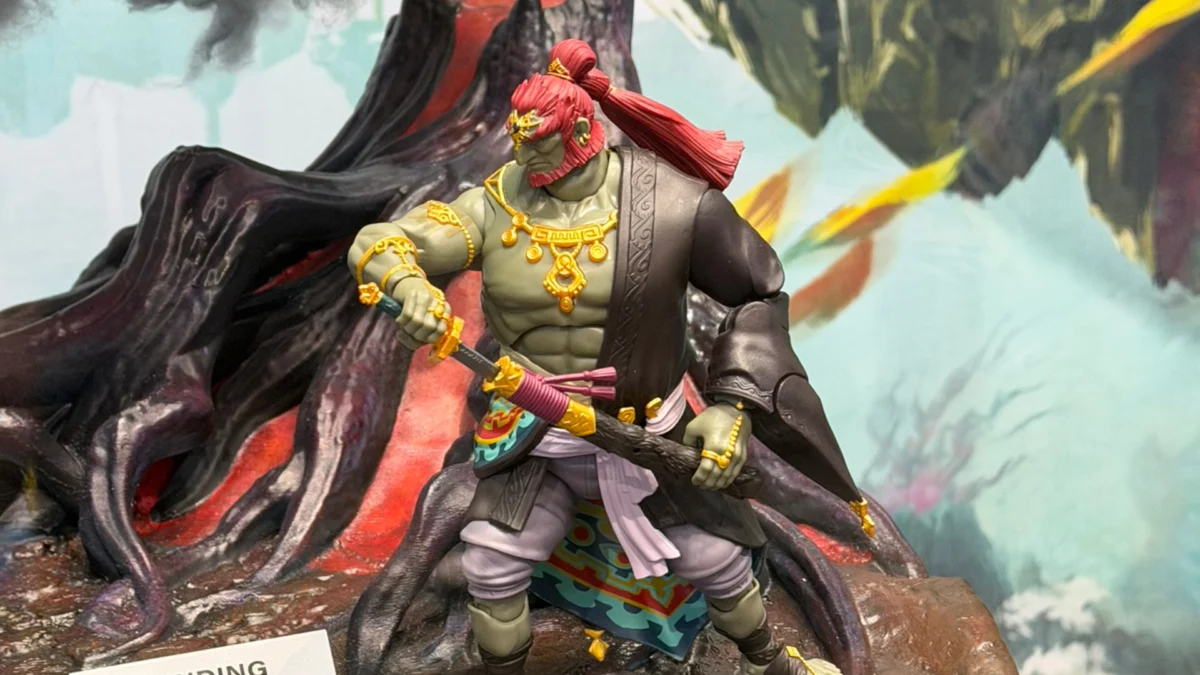
The landscape of video game collectibles is on the precipice of a seismic shift. For decades, fans of Nintendo’s The Legend of Zelda have navigated a fragmented market characterized by high-priced imports, elusive limited-run statues, and an inconsistent supply of quality merchandise. However, the recent announcement that Hasbro has secured the licensing rights to produce The Legend of Zelda action figures and replicas—effective from 2027—has sent a jolt of optimism through the hobbyist community. By leveraging the manufacturing prowess and design expertise of Hasbro Pulse, this partnership promises to transform Link, Zelda, and the denizens of Hyrule from rare imports into accessible, high-fidelity staples of the collector’s shelf.
The Main Facts: A New Era for Hylian Merchandise
Hasbro, a titan of the toy industry, has officially brought The Legend of Zelda into its extensive portfolio. This is not merely a production deal; it is a strategic alignment between one of the world’s largest toy manufacturers and the most storied franchise in gaming history.
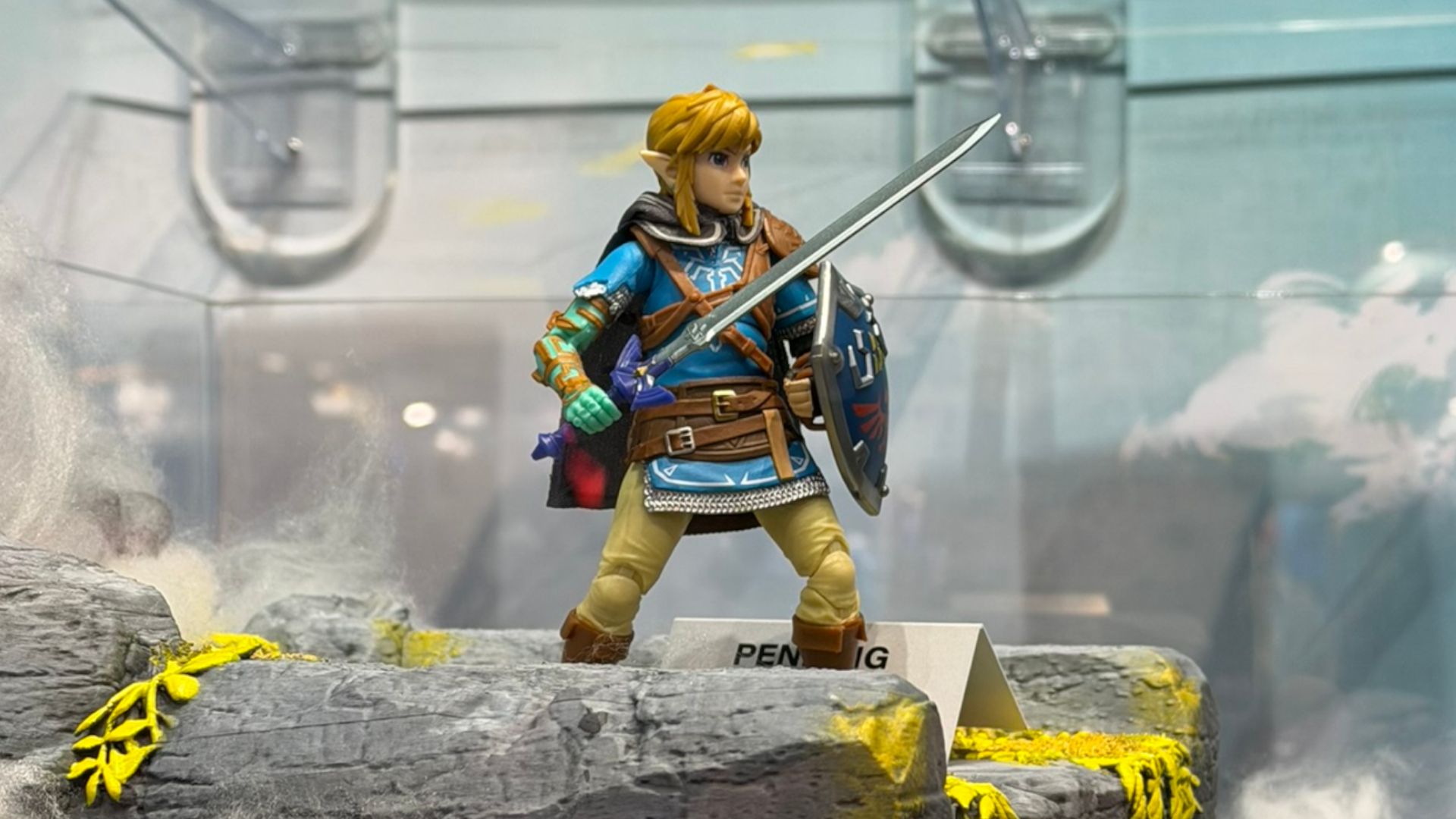
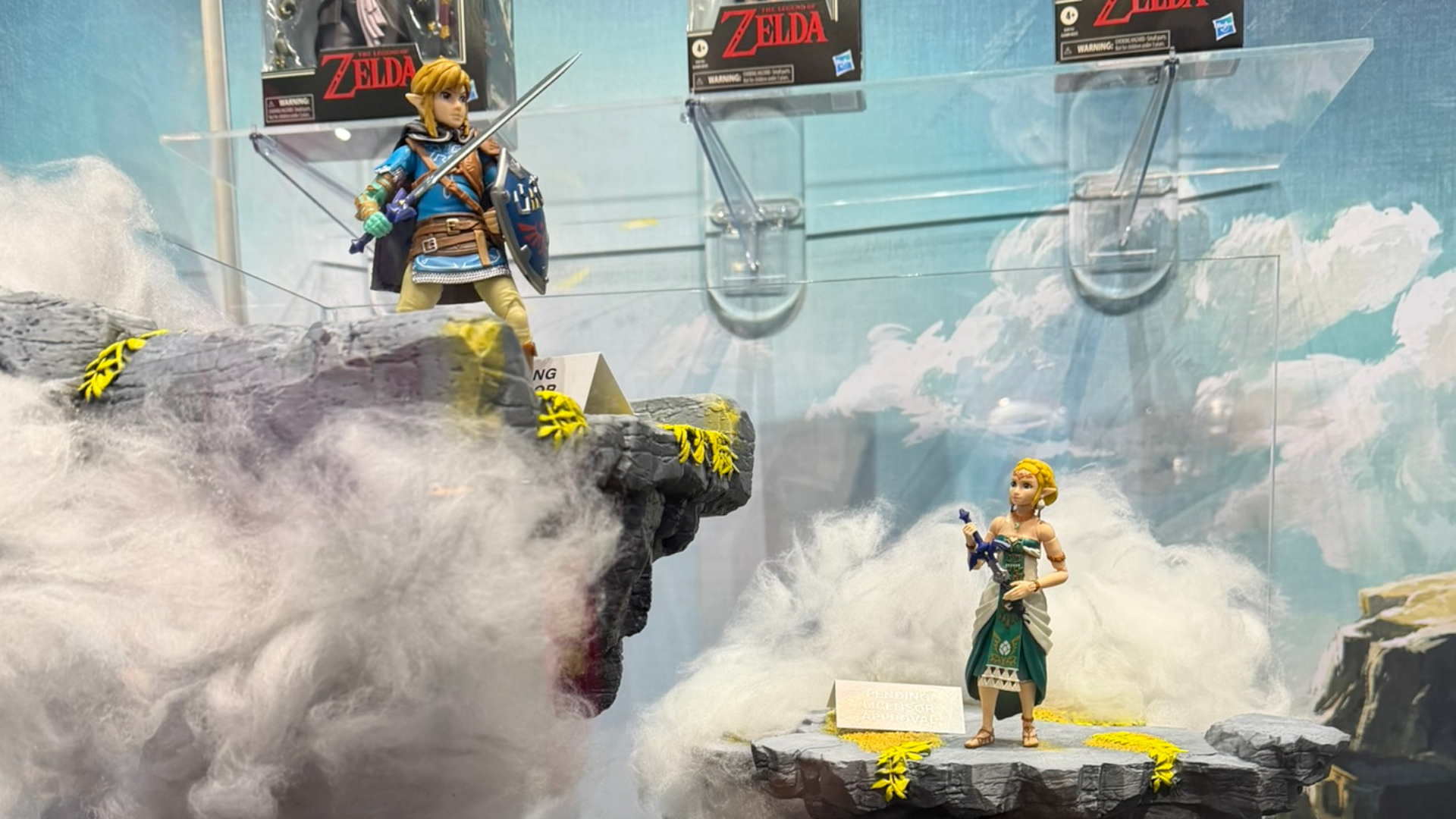
The initial wave of figures, focusing on the aesthetic of The Legend of Zelda: Tears of the Kingdom, serves as a proof-of-concept. By utilizing the same production pipelines that have made the Star Wars: The Black Series and Marvel Legends lines industry standards, Hasbro is set to deliver figures that balance articulation, sculpt quality, and affordability. Unlike boutique manufacturers that often charge premium prices for niche audiences, Hasbro’s model relies on economies of scale. This transition signals a move away from the "collectible-as-luxury-item" toward the "collectible-as-standard-retail-offering," making iconic characters available to a much broader demographic.
A Chronological Perspective: From Niche Imports to Global Retail
To understand the magnitude of this deal, one must look at the history of Zelda merchandise. For years, Nintendo has maintained a tight, often conservative grip on its intellectual property. Fans were largely restricted to high-end, expensive imports from specialized Japanese manufacturers or lower-quality mass-market toys that often lacked the articulation or screen-accuracy that modern collectors demand.
The timeline of this shift began with the increased visibility of the "Hasbro Pulse" ecosystem. As the company successfully pivoted to cater to the "adult collector" market—those who grew up with Star Wars and Transformers and now have the disposable income for premium figures—the demand for similar treatment for other major gaming IPs grew.
In late 2024 and early 2025, reports began circulating regarding Nintendo’s willingness to expand their licensing footprint. By the time the ink dried on the Hasbro agreement, the industry knew the status quo had been shattered. With the first Tears of the Kingdom figures already seeing massive pre-order demand—with Link selling out across major platforms almost immediately—the market has sent a clear message: the appetite for high-quality, widely available Zelda merch is insatiable.
Supporting Data: Why Hasbro’s Model Works
The success of this partnership rests on three pillars: articulation, aesthetic fidelity, and price-point accessibility.
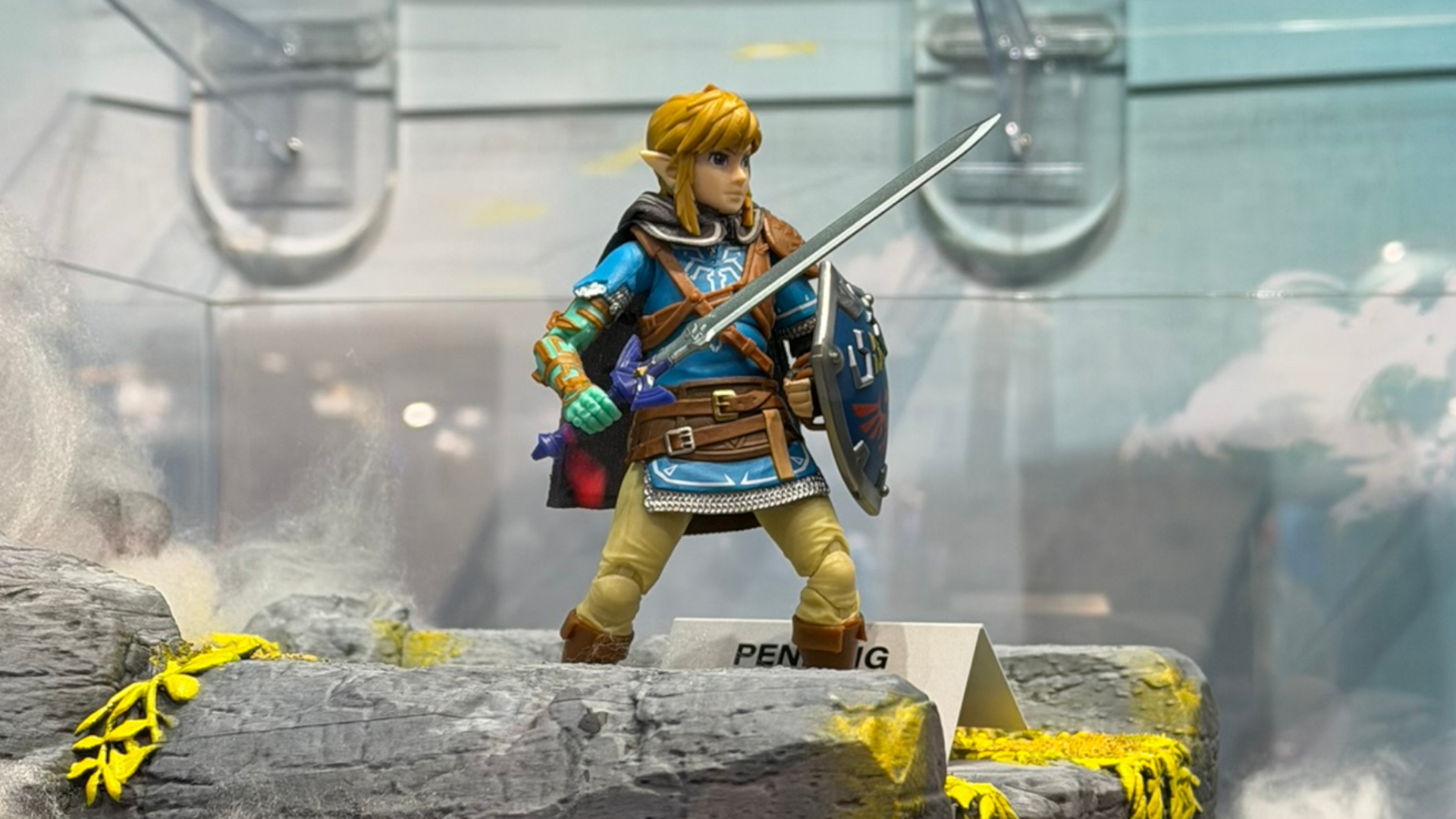
- Engineering Excellence: Hasbro Pulse figures are renowned for their "digital face printing" technology, which allows for photo-realistic paint applications on small-scale plastic heads. When applied to characters like Princess Zelda or the weathered, battle-hardened version of Ganondorf, this technology offers a level of realism that was previously reserved for statues costing hundreds of dollars.
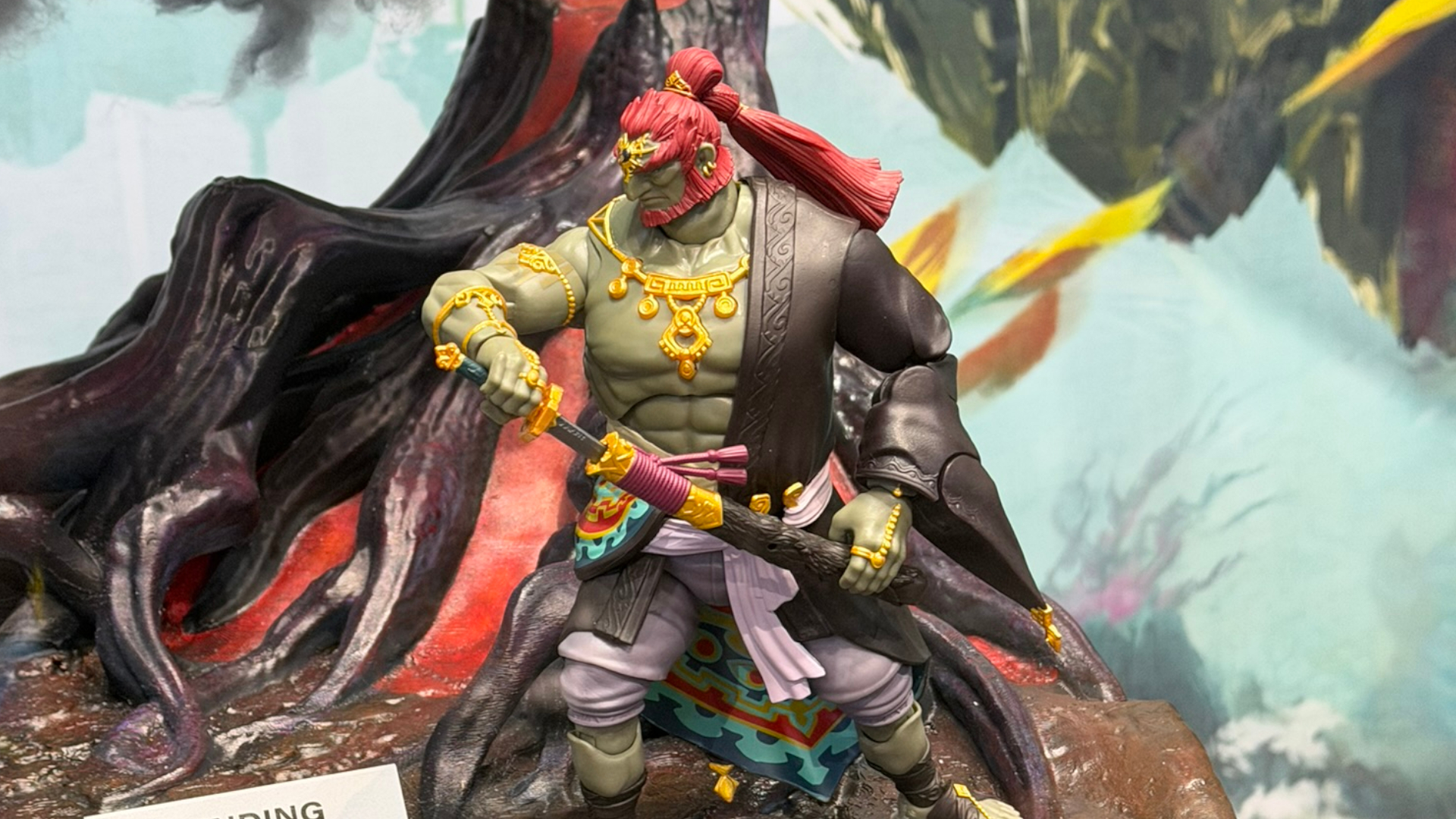
- Structural Integrity and Scaling: The inclusion of Ganondorf in the initial lineup highlights Hasbro’s commitment to scale. While Link and Zelda are standard six-inch scale figures priced at a competitive $28, the larger, more imposing Ganondorf is priced at $43. This reflects a commitment to the "in-universe" scale, ensuring that the villain actually towers over the hero on the collector’s display shelf.
- Distribution Power: Perhaps the most vital metric is accessibility. By leveraging distribution networks like Amazon, Target, and their own direct-to-consumer Pulse platform, Hasbro can ensure that these figures aren’t just sold in specialized hobby shops, but are available to the casual fan walking through a local retail store.
The Potential for Replicas and Roleplay Items
While the action figures are the immediate draw, the long-term potential for "replica" items is where the true excitement lies. Hasbro’s "Force FX" line of lightsabers has become the gold standard for movie-prop replicas at a retail price point. The prospect of applying this level of R&D to the Master Sword, the Hylian Shield, or even the Majora’s Mask is tantalizing.
Imagine a Master Sword replica that features weighted materials, haptic feedback, and light-up elements triggered by motion sensors. If Hasbro applies the same rigor to these items as they do to their Marvel prop helmets or Star Wars sabers, they could effectively corner the market on high-quality Zelda roleplay gear, ending the era of flimsy, plastic costume swords that lack substance.
Implications: A Broader Horizon for Nintendo
The implications of this deal extend far beyond plastic figures. Hasbro owns a vast library of tabletop assets, most notably Magic: The Gathering and Dungeons & Dragons.
- Tabletop Synergy: Industry experts are already speculating about the potential for a Legend of Zelda D&D sourcebook. Given the deep lore of Hyrule, a collaboration between the developers of D&D and the creators of the Zelda universe could result in one of the most successful tabletop crossovers in history.
- The "Deep Cut" Strategy: As noted by industry observers, Hasbro has a history of mining deep, obscure corners of a franchise to satisfy hardcore fans. Just as they produced a Black Series figure for the niche Star Wars character Kyle Katarn, there is now a genuine possibility that characters like Vaati from The Minish Cap or the various incarnations of Impa could finally receive their due representation in plastic form.
- Economic Impact: By formalizing the licensing process, Nintendo is essentially legitimizing the secondary market and creating a sustainable revenue stream that benefits the company while rewarding the fan base. It shifts the perception of Zelda from a "game franchise" to a "lifestyle brand" capable of supporting consistent, high-quality merchandise lines.
The Road Ahead: Challenges and Expectations
Despite the excitement, the transition will not be without hurdles. Maintaining quality control across a mass-produced line is significantly more difficult than producing limited-run collectibles. Fans will be watching closely to see if the final production runs match the high-quality prototypes showcased at events like San Diego Comic-Con.
Furthermore, the "selling out" phenomenon seen with the first wave of Link figures serves as a warning: demand currently far outstrips supply. Hasbro must prove it can scale production to meet the global interest in the Zelda brand. If they can manage the logistics of global distribution, this partnership will likely be viewed as the definitive moment in the history of Zelda merchandise.
Conclusion
The acquisition of the Legend of Zelda license by Hasbro is more than just a corporate transaction; it is the fulfillment of a long-standing wish for a massive, global community of fans. By moving away from the scarcity and high costs that have plagued the franchise’s merchandise for years, Hasbro has positioned itself to deliver the kind of premium, accessible, and deeply detailed collectibles that The Legend of Zelda deserves.
As we look toward 2027 and beyond, the prospect of an expanded, high-quality line of figures, potential tabletop integrations, and master-crafted replicas paints a bright future for Hylian collectors. For those who have waited years to see their favorite characters immortalized in plastic with the respect they are due, the wait appears to be finally coming to an end. The Triforce of plastic, paint, and potential is finally aligned.

