

By Ryan Epps
Published Sept 22, 2026, 5:30 AM EDT
Main Facts: Six Words That Defined a Century of Dystopia
Science fiction has never been short of spellbinding openers. William Gibson’s Neuromancer conjures an entire cyberpunk world with its image of a sky “the color of television, tuned to a dead channel.” Ursula K. Le Guin writes just four words—“There was a wall”—to introduce one of the foundational conceptual pillars of The Dispossessed. Other masters of the genre, such as Frank Herbert with Dune and Dan Simmons with Hyperion, favor a more novelistic approach, immediately submerging readers into the geopolitical preparations for a desert pilgrimage or a desperate voyage toward the enigmatic Time Tombs.
While all of these legendary sci-fi openings perform distinct literary heavy lifting, they also share that unputdownable quality only master architects of speculative fiction can muster. Yet, after decades of tracking the evolution of the genre, no starting sentence feels quite as brutally poignant, or as enduringly prophetic, as the opening line of Ray Bradbury’s 1953 masterpiece, Fahrenheit 451:
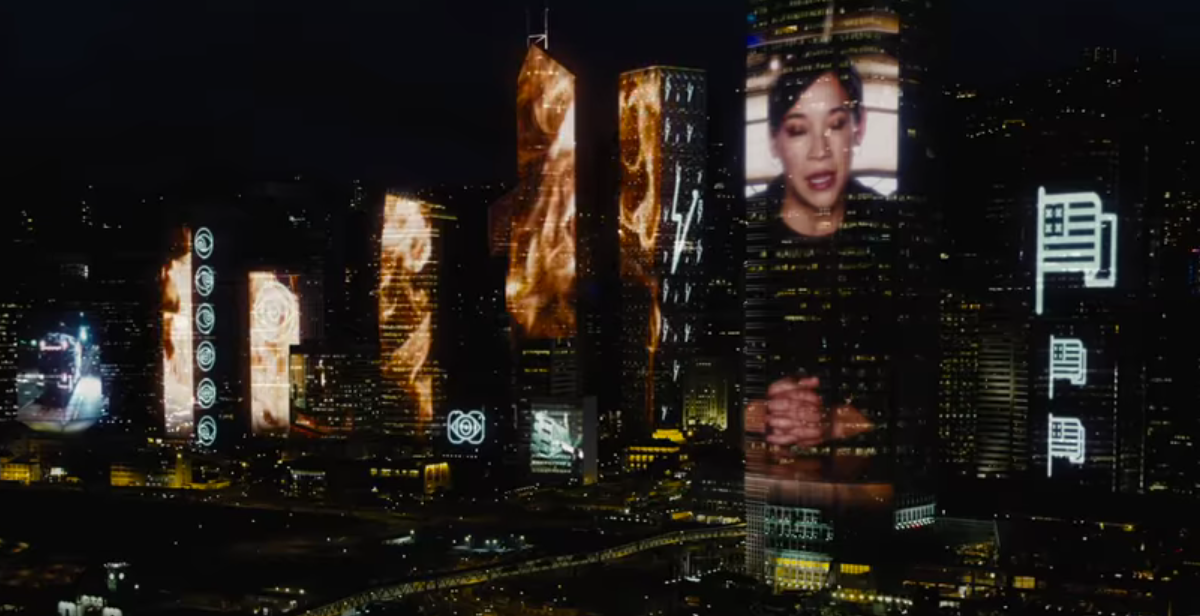
“It was a pleasure to burn.”
With just six words, Bradbury executed one of the most efficient and unsettling setups in literary history. The sentence is deceptively straightforward, stripped of elaborate exposition, which makes its underlying horror all the more potent. Bradbury does not begin by explicitly detailing how books were outlawed, nor does he immediately construct the scaffolding of the totalitarian society that banned them. Instead, he drops the reader directly behind the eyes of Guy Montag, a fireman whose primary vocational duty is not to put out fires, but to ignite them. In Montag’s world, the physical act of destruction brings a visceral, unadulterated joy.
Chronology: From McCarthyist Anxieties to Modern Apathy
To understand the enduring weight of Fahrenheit 451, one must trace its origins back to the cultural anxiety-incubator of post-World War II America. Published during the height of McCarthyism and against the chilling backdrop of the Cold War, Bradbury’s novel was deeply informed by historical trauma—specifically, the rise of totalitarian censorship and the harrowing Nazi book-burnings that sought to purge human thought from the historical record.

However, to view the novel merely as a cautionary tale about government-mandated censorship is to fundamentally misunderstand Bradbury’s intent. Throughout his life, the author repeatedly clarified that his warnings pointed elsewhere. In various interviews across the decades, Bradbury insisted that Fahrenheit 451 was not written to predict a future where the state physically rounds up and incinerates literature. Rather, it was a critique of television, the erosion of public education, and the alarming willingness of populations to willingly surrender independent thought and deep reading for frictionless, easily digestible entertainment.
As Bradbury noted in a 2009 retrospective interview, his science fiction was never truly about predicting a fixed tomorrow; it was an urgent diagnosis of the present. He feared a culture that would not need to be forced to burn books because it would simply lose interest in reading them altogether.
Supporting Data: The Great Readership Slump and the Digital Takeover
The tragic irony of Bradbury’s vision is how closely contemporary cultural metrics align with his darkest fictional anxieties. We may not live in a world where municipal fire departments patrol the streets with flamethrowers to torch libraries, but the quiet, voluntary abandonment of long-form reading has created a cultural vacuum strikingly similar to the one depicted in Fahrenheit 451.
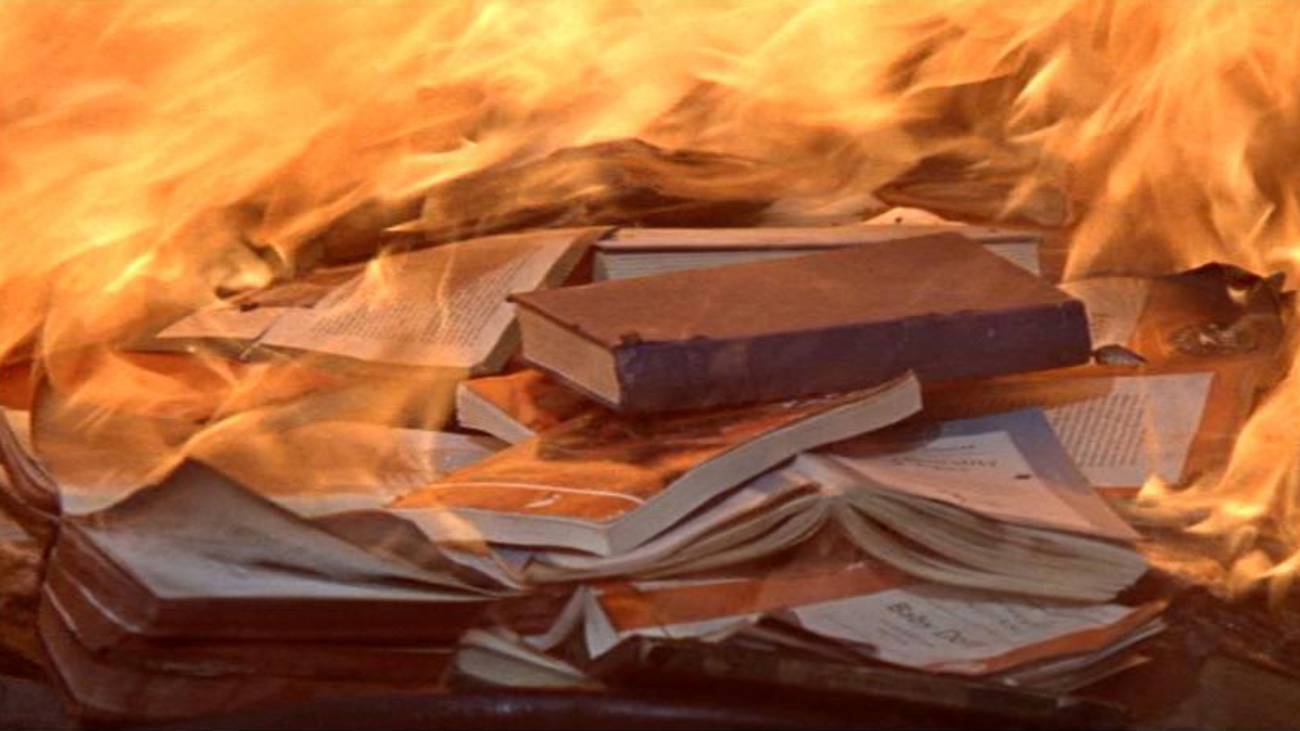
Data from the National Endowment for the Arts (NEA) underscores a grim long-term decline in reading habits across the United States. In 2022, just 48.5% of U.S. adults reported reading a single book over the course of the year—a notable drop from 54.6% a decade prior in 2012. Fiction reading suffered an even steeper decline, tumbling from 45.2% down to an all-time recorded low of 37.6% over the same ten-year span.
This trend is corroborated by longitudinal economic and lifestyle studies. An extensive analysis of two decades of data from the American Time Use Survey revealed that the share of Americans engaging in reading for fun on an average day plummeted from 28% in 2004 to a staggering 16% in 2023. We are not being violently stripped of our literature; instead, we are letting it quietly wither away on neglected shelves.
At the same time, screen-based media has systematically consumed the cognitive bandwidth once dedicated to print. According to DataReportal’s Digital Global Overview Report, the average American adult now spends over seven hours a day staring at digital displays—surrendering more than 40% of their waking lives to pixels, algorithms, and transient digital feeds.

Official Responses and Contemporary Industry Realities
Bradbury’s prophetic foresight extends far beyond domestic leisure habits into the mechanical realities of modern technology. Recent legal battles and corporate disclosures have illuminated how modern tech developers interact with physical literature on an industrial scale—bringing a haunting literalism to the concept of destroying books to fuel technological progress.
Court documents and investigative reporting, such as investigations published by The Washington Post, revealed the mechanics behind how massive artificial intelligence models acquire training data. To train complex neural networks, companies like Anthropic purchased physical print books by the millions, mechanically severed their bindings to scan every individual page, and discarded or destroyed the paper remains. While legal systems continue to grapple with the complex nuances of copyright law and fair use, the symbolic imagery is difficult to ignore: human knowledge systematically acquired, rapidly processed, and discarded in the service of algorithmic advancement.
The technology sector’s approach to content curation and rapid text ingestion reflects a society that values information strictly as a utility to be mined, rather than a sacred repository of human consciousness to be preserved and contemplated.
Implications: The Thrill of Friction-Free Consumption
Ray Bradbury could not have explicitly predicted the inner mechanics of large-scale AI training models or the precise architecture of algorithmically optimized social media feeds. Yet his opening line cuts with terrifying precision because "It was a pleasure to burn" was never genuinely about kerosene, matches, or paper.
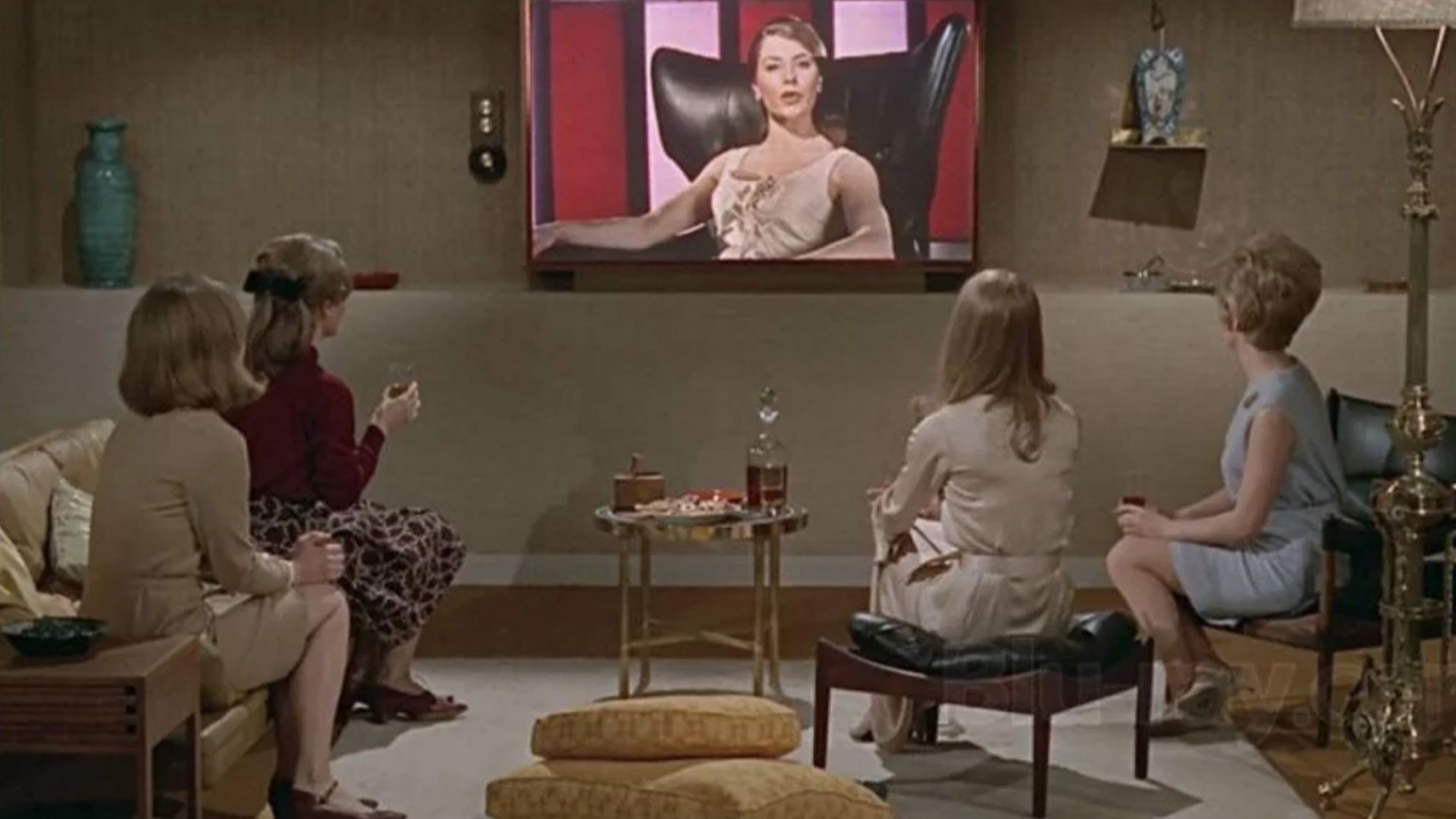
Instead, it was an early psychological diagnosis of human nature’s deep-seated temptation: the addictive thrill of friction-free consumption. It speaks to the psychological relief of escaping complex ideas, critical nuance, and difficult self-reflection by embracing total cultural erasure. When we willingly surrender our attention spans to the endless scroll, we are participating in a quiet, digital recreation of Montag’s pyre.
More than seven decades after it first hit bookshelves, Fahrenheit 451 remains an unheeded warning. Its famous opening line still burns with a chilling, prophetic weight—one that, true to human history, continues to fall on deaf ears as we watch the world catch fire, one pixel at a time.

