

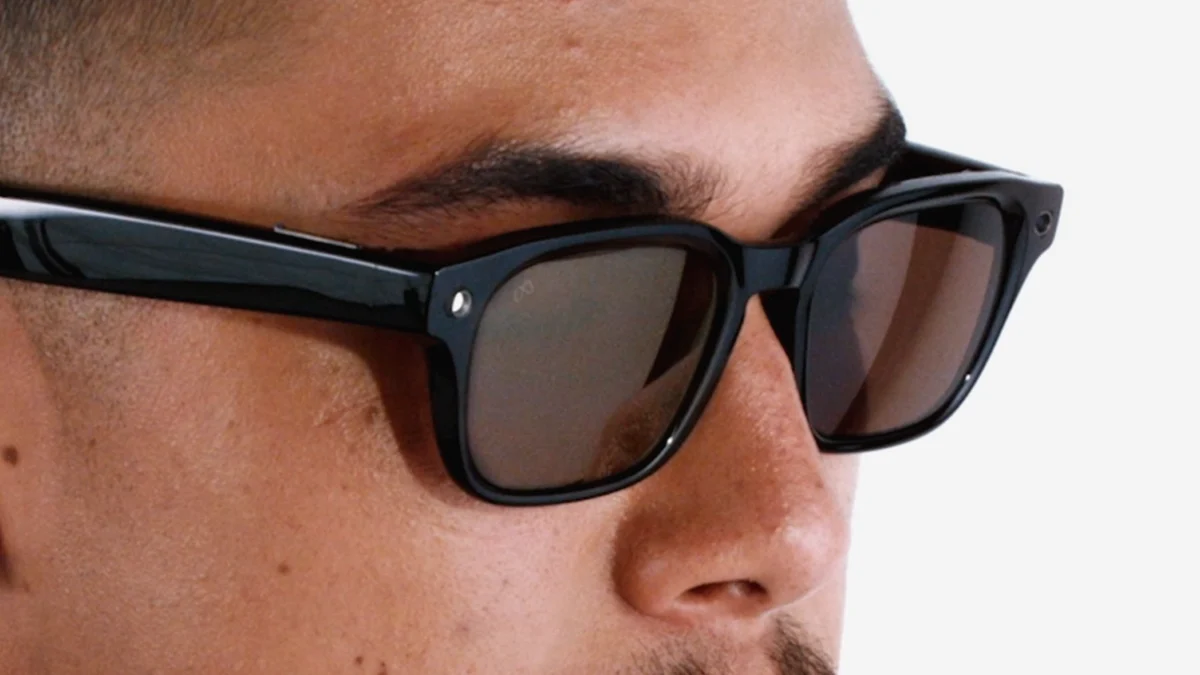
SAN FRANCISCO — Facing a rising tide of public scrutiny, privacy concerns, and growing social stigma surrounding wearable recording devices, Meta is reportedly preparing to change course. According to a recent report by The Information, the tech conglomerate plans to launch a brand-new line of camera-free smart glasses at its upcoming annual Meta Connect conference.
While Meta’s current generation of camera-equipped smart glasses—developed in partnership with luxury eyewear giant EssilorLuxottica—has achieved commercial success with over 10 million units sold, they have simultaneously become the epicenter of a fierce cultural debate over public surveillance, consent, and digital etiquette. By stripping away the camera, Meta hopes to capture a broader market of consumers seeking audio-first augmented utility without the baggage of the "creep glasses" moniker that has increasingly plagued the current form factor.
Main Facts
The core development slated for next week’s Meta Connect event is the introduction of a streamlined, camera-free smart eyewear variant.
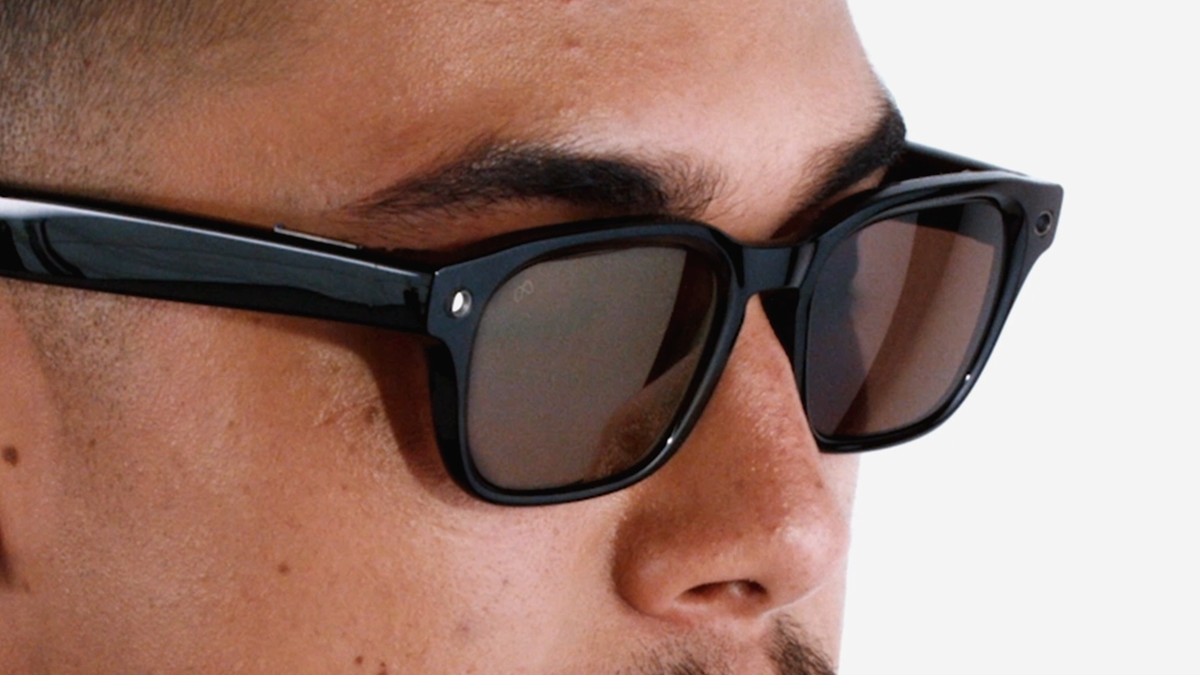
- Hardware Adjustments: The upcoming glasses will completely omit the camera sensor and its associated hardware, including the mandatory notification LED. However, they will retain integrated directional speakers and microphones.
- Redefined Controls: The physical button traditionally used to capture photos and record video will be repurposed. Instead, pressing it will initiate a hands-free conversation with the Meta AI chatbot or Muse, Meta’s newly launched generative AI agent.
- Design and Accessibility: Without the spatial and thermal constraints imposed by camera modules and heavy-duty batteries, the new frames will boast a sleeker, more traditional aesthetic with slimmer temples. Industry insiders expect this design choice to translate into a lower retail price point, making the technology more accessible to mainstream consumers.
- Limitations: The loss of the camera means the onboard AI will lose its multimodal "Computer Vision" capabilities—it will no longer be able to look at the physical world and answer questions about what the user is seeing.
Chronology of the Controversy: From Ray-Ban Stories to Social Backlash
To understand why Meta is hedging its bets with a camera-free model, it is necessary to examine the turbulent history of the company’s smart glasses initiative.
2021: The Launch of Ray-Ban Stories
Meta’s modern smart glasses journey began with the release of the Ray-Ban Stories in 2021. Marketed as a lifestyle accessory, the device allowed users to capture short video clips and photos directly from their perspective. However, the product was widely viewed by tech critics and consumers alike as a commercial misfire due to clunky software, poor battery life, and early privacy anxieties.
2023–2025: Commercial Growth and the "Privacy Gap"
Buoyed by improved iterations, deep integration with Meta AI, and strong marketing via EssilorLuxottica, sales accelerated rapidly, eventually surpassing the 10-million-unit milestone. Yet, this commercial expansion outpaced public awareness. While Meta integrated a white LED light on the frame’s temple that flashes or pulses during image and video capture, many everyday citizens remained completely unaware that the glasses possessed recording capabilities. Furthermore, outdoor daylight often rendered the indicator light virtually invisible, sparking legitimate concerns regarding unauthorized and non-consensual recording in public spaces.
The Rise of Hackers and Tampering
As adoption grew, a shadow market emerged. Some users began physically dismantling their smart glasses to deliberately remove or disable the recording LED. In response, Meta scrambled to issue firmware updates designed to brick or disable the camera functionality if tampering with the sensor was detected. Nevertheless, cybersecurity analysts described the situation as a perpetual "cat-and-mouse game" between Meta’s engineering teams and software hackers.
2025–2026: Cultural Backlash and the "Creep Glasses" Era
By late 2025, the cultural backlash reached a boiling point. Social media platforms filled with viral videos debating the ethics of the wearables. Critics began dubbing them "pervert glasses" or "creep glasses," with activists and legal advocacy groups calling for outright legislative bans. Whether utilized for harmless social media content creation, personal perversion, or—in rare instances—covertly documenting law enforcement, the camera had transformed the glasses into a polarizing lightning rod for privacy fears.
Supporting Data and Market Statistics
Quantifying the scope of the controversy reveals a complex tension between fringe misuse and massive mainstream adoption:
- 10 Million+: The estimated number of smart glasses units sold globally by Meta and EssilorLuxottica across all generations.
- <0.1%: Meta’s official estimate of smart glasses that have undergone physical tampering to remove or obscure the LED recording indicator.
- ~10,000 Units: While less than 0.1% sounds negligible, given total sales figures, it equates to roughly 10,000 modified units circulating in the wild without visible warning indicators—a troubling statistic for privacy advocates.
- The Multimodal Trade-off: Current models rely heavily on battery-intensive and thermally demanding processing to support simultaneous video recording, AI queries, and audio playback. The new camera-free design sidesteps these physical bottlenecks, potentially delivering significantly longer battery life per charge.
Official Responses and Public Relations Campaigns
Meta has aggressively pushed back against the narrative that its products are inherently predatory, launching extensive public relations initiatives to educate consumers.
"A knife can be used to prepare a delicious meal or kill someone. A fire can be used to warm a cave or burn down a forest. Should a tool be defined by its worst use?" — Industry analysts defending the dual-use nature of wearable tech.
In an effort to demystify the hardware, Meta rolled out a massive educational campaign featuring informational videos, digital guides, and retail posters designed to teach the public how to spot the recording LED. Company executives have repeatedly emphasized that continuous recording is a technical impossibility on their current devices due to strict battery drain and thermal throttling limits.
However, public relations alone have proven insufficient to quell the social anxiety surrounding the form factor. The decision to introduce a camera-free variant acknowledges that social friction can be just as damaging to a product category as technical limitations. By offering a model without a lens, Meta is effectively extending an olive branch to privacy-conscious consumers who want smart audio and AI assistance without making those around them feel uncomfortable.
Broader Implications for the Wearable Tech Industry
Meta’s reported pivot holds significant ramifications for the future of augmented reality (AR) and everyday wearable technology:

1. The Normalization of Audio-First AI Wearables
By separating AI connectivity from optical recording, Meta is blazing a trail for ambient computing. Users can interact with an AI assistant (Muse or Meta AI) through voice commands while looking completely normal. This lowers the psychological barrier to entry for consumers who are intrigued by voice assistants but hostile toward the idea of a camera lens pointed at their friends, family, and strangers.
2. A Divided Product Ecosystem
Going forward, Meta appears to be splitting its wearable portfolio into two distinct categories:
- The Creator/Capture Tier: Camera-equipped models aimed at content creators, vloggers, and early adopters who accept the social trade-offs of wearable cameras.
- The Utility/Privacy Tier: Camera-free models aimed at productivity, audio consumption, and everyday AI interaction without the associated privacy backlash.
3. Regulatory Precedents
Lawmakers across the globe have watched the smart glasses boom with a mixture of fascination and alarm. While a total ban on camera glasses remains unlikely, increased regulatory pressure regarding notification lights, data retention policies, and "one-party consent" recording laws is all but guaranteed. Meta’s proactive diversification into camera-free devices may serve as a strategic buffer against impending regulatory crackdowns.
Beyond Glasses: Next-Gen Headsets at Connect
Amidst the news regarding smart glasses, The Information’s report also indicates that Meta could use the Connect stage to showcase its next-generation ultra-lightweight VR/AR headset, complete with hyper-realistic full-body Codec Avatars.
As Meta Connect 2026 kicks off next week, UploadVR will be live on-site in San Francisco to provide comprehensive, ground-level coverage of all hardware reveals, software demonstrations, and corporate strategy announcements.

