

The landscape of indie game development is notoriously unforgiving, yet the recent trajectory of Sand: Raiders of Sophie suggests that even in a saturated market, a unique hook—combined with persistent community management—can carve out a lucrative niche. Two weeks into its Early Access journey, the steampunk-inspired, desert-roaming mech title has officially surpassed 300,000 copies sold, marking a significant early win for developer tinyBuild.
While the road to this milestone has been punctuated by technical hurdles, the sheer velocity of the game’s adoption highlights a growing appetite for high-concept, vehicle-based multiplayer experiences. As the title continues to climb the Steam charts, the industry is taking notice of how this unconventional title is balancing rapid player growth with the volatile realities of live-service development.
A Chronology of the "Sand" Storm
The launch of Sand: Raiders of Sophie was always intended to be a trial by fire. Stepping into the Early Access ecosystem is a calculated risk for any publisher, and for tinyBuild, the initial release phase was defined by a rapid succession of deployment milestones and subsequent community feedback loops.
The Launch Phase
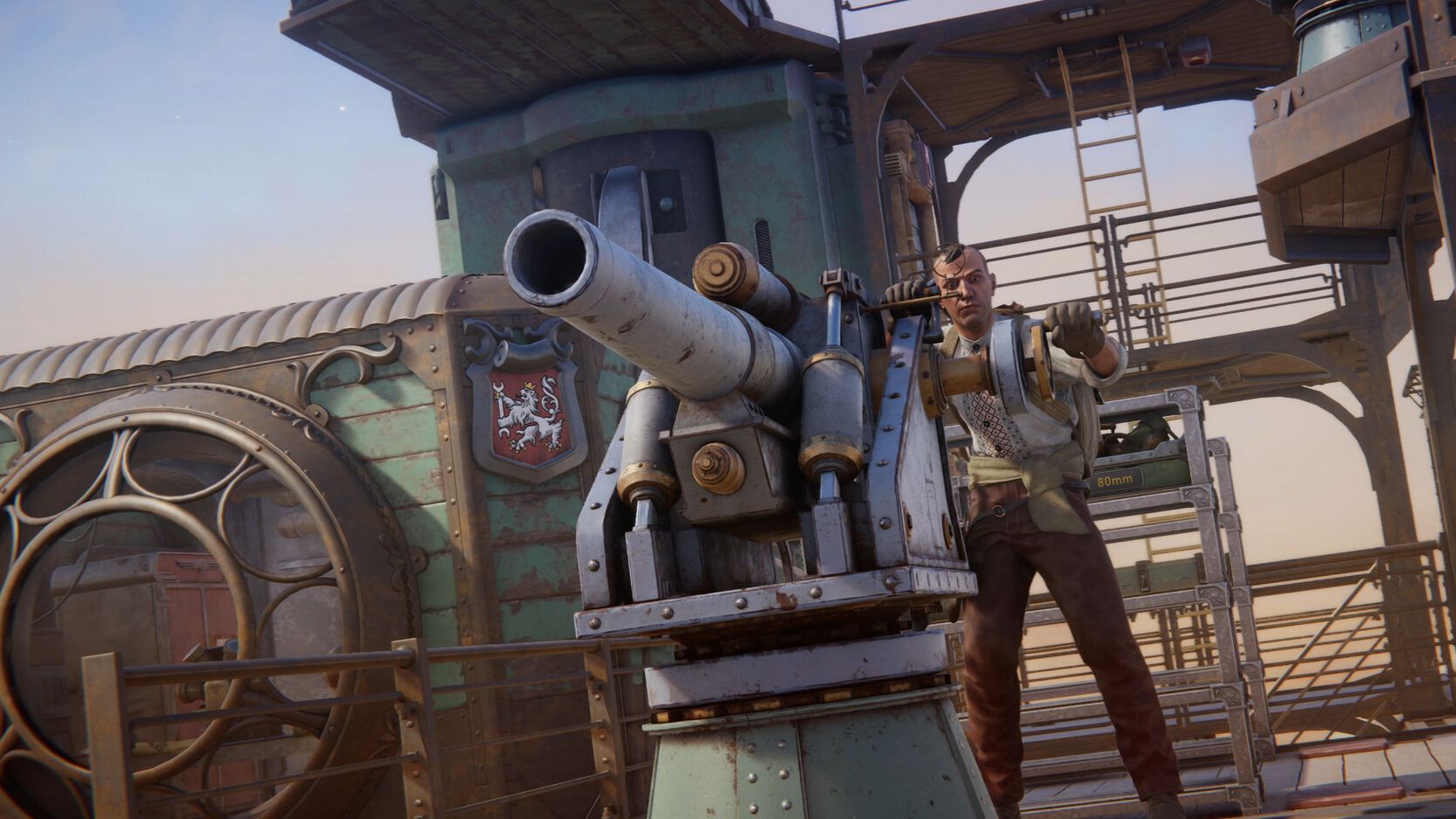
Upon its arrival on Steam, Sand immediately captured the attention of players looking for a tactical, atmosphere-heavy experience. The game’s core loop—navigating vast, treacherous deserts in customizable steampunk mechs—offered a refreshing departure from the standard military shooter or battle royale tropes. The initial influx of players was immediate, validating the studio’s vision of a "high-stakes" sandbox environment.
The July 2nd Disruption
Innovation often comes with the cost of instability. On July 2, the development team pushed the game’s second major update, aiming to refine mechanics and resolve lingering bugs. However, the rollout resulted in unforeseen server-side connection issues, effectively locking a segment of the player base out of the game.
Recognizing the severity of the situation, the team made the difficult decision to "pull the plug" on the update, reverting the game to its previous state to ensure stability. This move, while disruptive, served as a crucial test of the developer-player relationship. Rather than letting the silence linger, the team communicated the technical challenges transparently, promising a swift resolution.
The Successful Redeployment
True to their word, the development team worked through the weekend to diagnose the root cause of the connection failures. By isolating the issue, they successfully redeployed the update shortly thereafter. The resolution was met with relief from the community, and the game’s concurrent player count saw an immediate, sharp increase, peaking at over 40,000 active users—a record high for the title.
Supporting Data: By the Numbers
To understand the success of Sand, one must look beyond the emotional narrative and examine the hard data. The figures reported by tinyBuild CEO Alex Nichiporchik offer a rare look at the financial health of an indie title in its infancy.
- Total Sales: 300,000 units sold.
- Concurrent Peak: 40,000+ players.
- Market Positioning: The game currently resides within the top 100 most-played games on Steam.
What makes these numbers particularly impressive is the barrier to entry. Sand is not a free-to-play title; it is a premium product retailing at approximately $20. In an era where "Free-to-Play" is often seen as the only path to high player counts, Sand has proven that a dedicated community is willing to pay for a premium experience if the gameplay loop is sufficiently compelling and distinct.
When placed on the Steam charts, Sand occupies an interesting position, often sitting between established heavyweights like Farming Simulator 25 and Helldivers 2. This placement speaks to the diverse, somewhat eclectic tastes of the modern PC gaming audience, who are just as likely to enjoy the meditative pace of agricultural simulation as they are the high-octane tension of a steampunk mech battle in a digital desert.
Official Responses and Studio Culture
The personality of a studio is often reflected in how its leadership interacts with the public. Alex Nichiporchik, the CEO of tinyBuild, has maintained a remarkably candid, albeit humorous, presence on social media.
Following the announcement of the 300,000-unit milestone, Nichiporchik took to X (formerly Twitter) to celebrate, stating, "300K copies for Sand sold. We getting [a] half hour of air conditioning tonight!" While the comment was clearly tongue-in-cheek, it highlights the "bootstrapping" culture that often permeates indie development, where success is measured not just in revenue, but in the small comforts afforded to a team that has been working under extreme pressure.
This transparency has served the studio well. In an era where corporate PR speak is the default, the human element—acknowledging the stress of the launch and the shared triumph of the team—resonates with gamers who are increasingly weary of polished, detached marketing campaigns.
The Broader Implications: What Does This Mean for the Genre?
The success of Sand carries several implications for the future of indie multiplayer games.
The "Niche is King" Philosophy
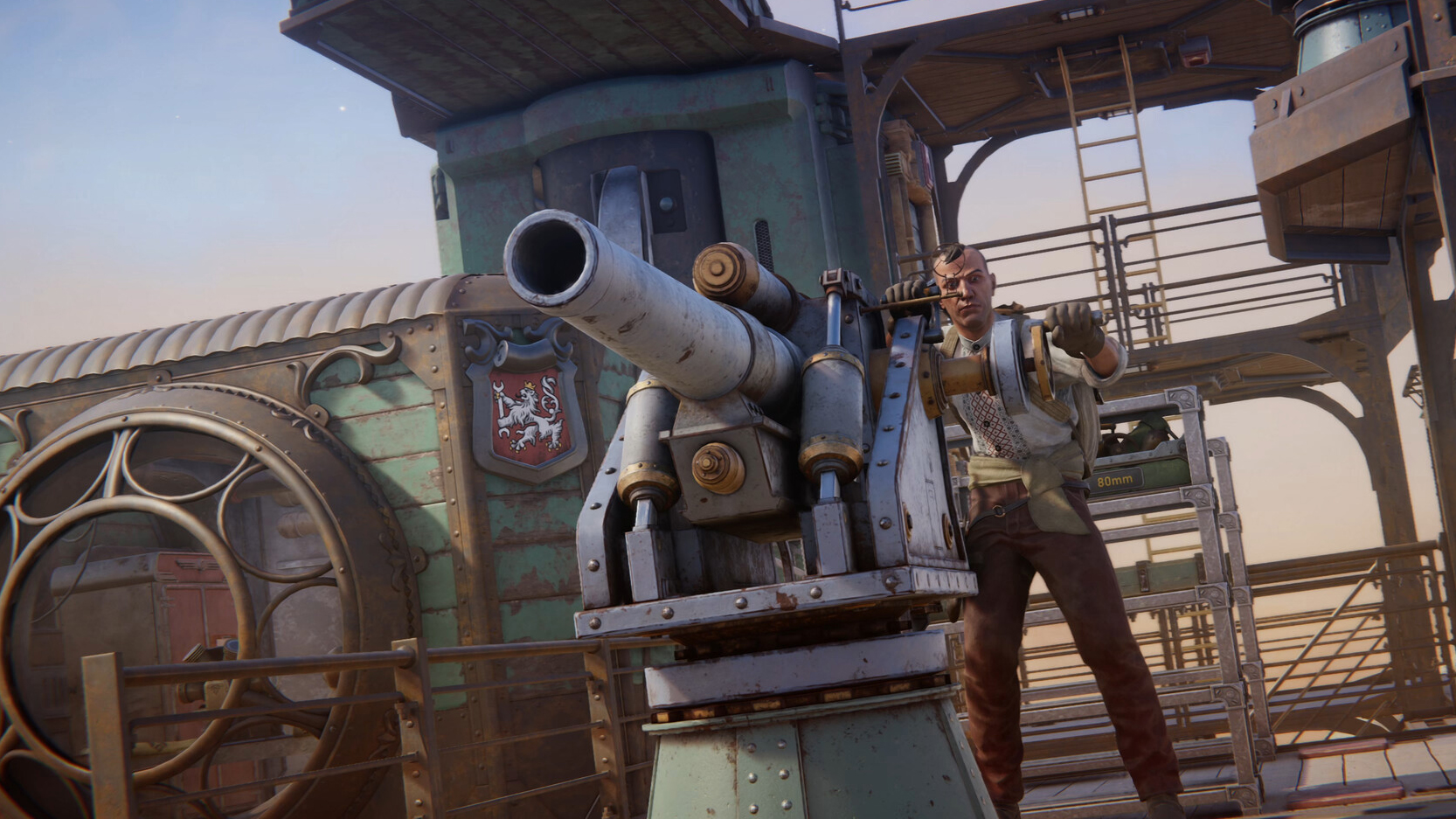
The game’s success suggests that "niche" is no longer a dirty word. By focusing on a specific aesthetic (steampunk) and a specific mechanical focus (mech navigation/combat), Sand has attracted a core audience that is deeply invested in the game’s mechanics. Developers may look at this and see a roadmap for future projects: rather than trying to build a game for everyone, build a game that is essential for a specific sub-culture.
The Early Access Paradox
Sand has navigated the "Early Access Paradox"—where the game must be updated to keep players interested, but those updates risk breaking the game and losing those same players. The fact that the studio managed to roll back, fix, and redeploy an update within a matter of days demonstrates that agility is a studio’s greatest asset. For future indie developers, the lesson is clear: if you are going to operate in a live-service environment, your deployment pipeline must be as robust as your game’s code.
Sustainability vs. Growth
With 300,000 units sold, the immediate pressure on tinyBuild is to transition from "launch momentum" to "long-term retention." The current player base is enjoying the novelty of the world, but the next phase of development will require significant content drops, balance tuning, and perhaps a roadmap for the game’s full release.
Looking Ahead: The Road to Version 1.0
As Sand: Raiders of Sophie moves out of its initial launch window, the eyes of the industry remain fixed on how it will evolve. The game is currently in a state of rapid iteration, with the developers promising more tweaks to the mech systems and, presumably, further expansions to the desert environment.
For the players, the immediate future holds the promise of a more stable, content-rich experience. For the industry, Sand serves as a case study in how to survive the "launch month" gauntlet. It is a reminder that in the vast, shifting sands of the gaming market, there is always room for a project that dares to be different—provided the developers are willing to work as hard as their players to keep the dream alive.
As the team at tinyBuild prepares for their next update, one thing is certain: they have built a foundation that is as sturdy as the mechs they’ve designed. Whether they can maintain this velocity throughout the full development cycle remains to be seen, but for now, they have earned their place among the most successful indie launches of the year.

