

The landscape of video game publishing is currently defined by a paradox: while the industry has never seen a higher volume of creative output, the challenge of ensuring those games reach an audience has never been more daunting. Amidst this volatility, the UK-based publisher Secret Mode has emerged as a beacon of agility and strategic adaptation. Having successfully broken free from the Sumo Group—and its parent company, the tech conglomerate Tencent—last year, Secret Mode is no longer just surviving; it is thriving.
Under the leadership of Chief Publishing Officer James Schall and CEO Ed Blincoe, the publisher has spent the last 18 months executing a business model that prioritizes long-term sustainability over the "hit-or-miss" mentality that once dominated the sector. By embracing a dual-pronged strategy of "pure indie" projects and high-budget licensed titles, Secret Mode is crafting a unique identity in an increasingly crowded marketplace.
A Strategic Separation: The Road to Independence
The story of Secret Mode’s current success is rooted in a rare, harmonious corporate restructuring. Following Tencent’s $1.3 billion acquisition of the Sumo Group in early 2022, the Chinese tech giant began a systematic review of its massive portfolio. As Schall explains, the conglomerate’s consolidation strategy meant that maintaining a dedicated, smaller publishing arm within a vast corporate ecosystem was no longer a priority.
"They didn’t need 18 different publishers, right?" Schall notes. The separation, bolstered by investment from Emona Capital, was remarkably efficient. Unlike many corporate divorces in the gaming industry, which are often fraught with legal and logistical friction, the split between Secret Mode and Sumo was collaborative. Schall describes the experience as "positive for everyone," highlighting how quickly the deal was finalized, allowing Secret Mode to pivot toward its own independent vision.
The Dual-Pillar Business Model
Secret Mode’s strategy is built upon two distinct foundations. The first involves high-fidelity, high-budget projects like the upcoming Star Wars: Galactic Racer. The second involves a more unconventional approach: "caretaker development." This model targets titles that have already proven their worth but require a steady hand to manage their growth, community engagement, and long-term content cycles.
Pillar One: The High-Budget Bet
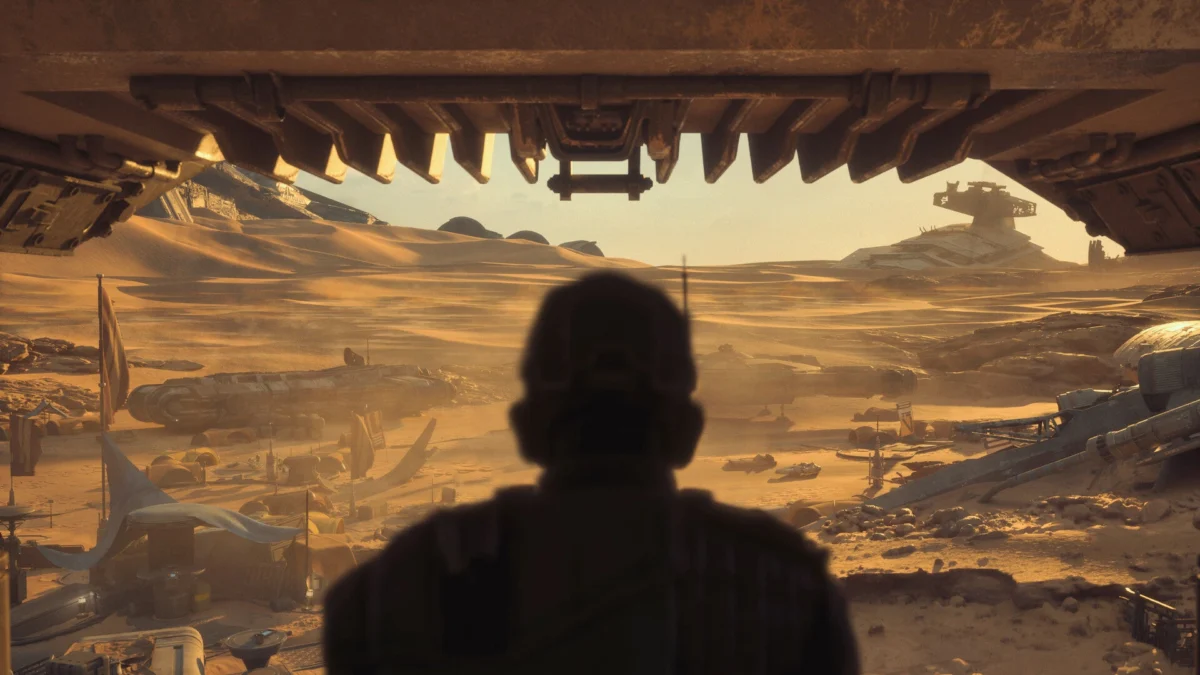
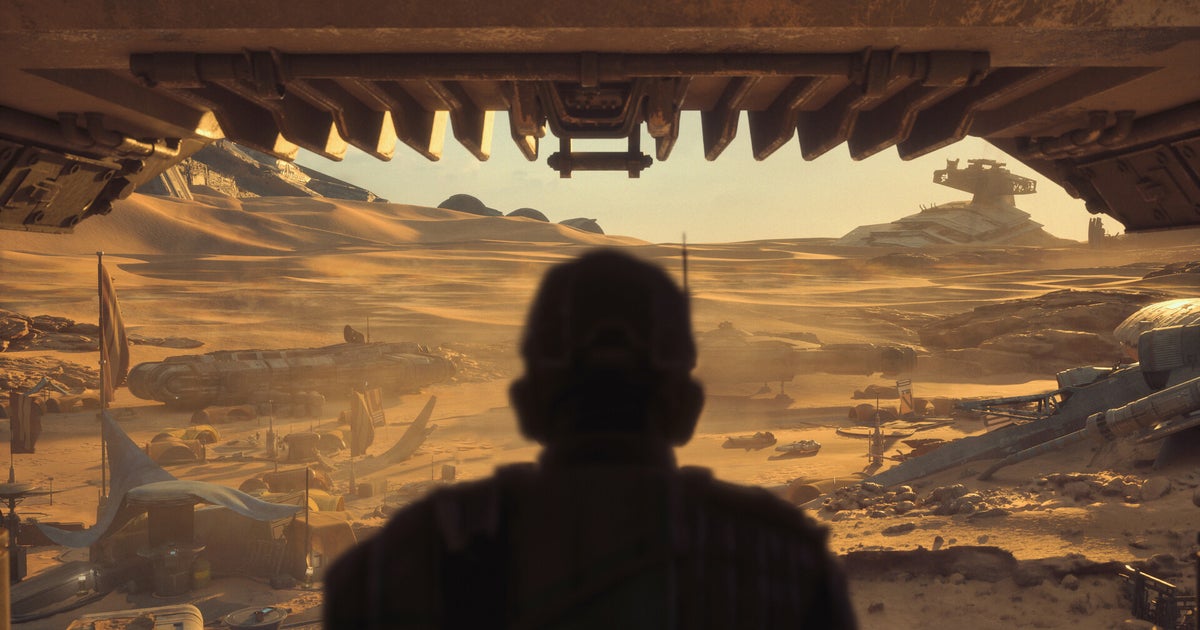
The publisher’s most significant upcoming release is Star Wars: Galactic Racer, slated for an October 6 debut. Developed by the new UK studio Fuse Games, the title has been a focal point for the publisher’s internal resources. Blincoe emphasizes that the decision to sign the game was based on its inherent quality, noting that the studio was confident in the project’s potential from the moment they first played a prototype over a year ago. By securing funding through Emona Capital and pouring marketing energy into building massive wishlists, Secret Mode is betting that high-quality, recognizable IP can still cut through the noise of the modern market.

Pillar Two: The Caretaker Development Model
Perhaps more intriguing is the publisher’s move into "caretaker development." This involves taking over the publishing and content production duties for existing, successful games, such as Fancy Games’ Escape the Backrooms and Anegar Games’ Chained Together.
Rather than treating these games as finished products that are "done and dusted" after launch, Secret Mode is actively investing in them. By partnering with external studios like Blackbird Interactive and establishing a new internal development team in Sheffield, Secret Mode provides the resources necessary to keep these games alive. This approach serves two purposes: it sustains a consistent revenue stream from titles with proven audiences, and it frees the original creators to pursue new, creative endeavors without the burden of maintaining live services for games they may have outgrown.
Challenging the Traditional Playbook
For decades, the standard publishing playbook was rigid: announce a game, generate hype, release it, and move on. James Schall, drawing on his 13-year tenure at Sega, argues that this model is obsolete. "There is no easy answer anymore, there’s no kind of playbook," Schall admits. "You just have to try and make yourself lucky by making the right decisions."

The Rise of the "Friendslop" Genre
Secret Mode has leaned heavily into what some industry analysts call "friendslop" games—co-op experiences designed for social interaction. Titles like Chained Together cater to a demographic that grew up during the COVID-19 pandemic, where digital spaces served as the primary social hub. By iterating on these games and keeping communities engaged through consistent content updates, Secret Mode is effectively building digital "homes" for players rather than just selling one-off products.
Discoverability and the Algorithm
One of the most pressing concerns for any publisher today is discoverability. Schall acknowledges that the industry is currently enslaved to algorithms that tend to favor familiar content. Breaking out of this echo chamber is what keeps leadership up at night. The publisher’s approach is to stop relying solely on massive launch-day spikes and instead focus on the "long tail"—the slow, consistent growth of a game’s audience over months or even years. This strategy was exemplified by their work on Wobbledogs, where the publisher’s intervention allowed the original developer to focus on the creative aspects of the game while Secret Mode handled the complexities of distribution and market engagement.
The Cultural Shift: Fun Over Fidelity
A significant takeaway from Secret Mode’s recent evolution is the shift in player priorities. For years, the industry was locked in a race toward photorealism. However, Schall notes that this era is ending. As indie developers on platforms like Roblox and Itch.io prove every day, visual fidelity is no longer the primary driver of engagement. Players are increasingly prioritizing "fun" and unique identities over high-polygon counts.

"We’ve reached [photorealism], and players have become more interested in fun, and games with a distinct identity," Schall says. This philosophy informs their willingness to take on smaller, visually stylized projects like Everything is Crab. By keeping an open mind regarding project size and visual style, Secret Mode is positioning itself to capitalize on the next wave of disruptive, grass-roots game development.
Implications for the Future
As Secret Mode looks toward 2025 and beyond, the path ahead is one of cautious, calculated growth. The company’s leadership is acutely aware of the dangers of over-expansion. While they remain open to large-scale opportunities, the focus remains on ensuring the company remains a "stable ship."
The implications of Secret Mode’s success are significant for the wider industry. If a mid-sized, independent publisher can successfully navigate the transition from a corporate-owned entity to a profitable, agile player by focusing on "caretaker development" and long-tail sustainability, it may offer a blueprint for others. The industry is watching to see if the "caretaker" model—where established studios nurture and expand the life cycle of indie hits—becomes the standard for a market that is increasingly wary of the risks associated with entirely new, unproven IP.

Ultimately, Secret Mode is betting on the idea that in an age of automated algorithms and massive, faceless conglomerates, there is still room for a publisher that treats games like living ecosystems. By balancing the blockbuster aspirations of Star Wars: Galactic Racer with the community-centric development of indie hits, Secret Mode is not just publishing games; it is attempting to solve the fundamental problem of how to keep players engaged in an era of infinite choice.
As Ed Blincoe aptly puts it, the company is not looking to "run before it can walk." With the release of Star Wars on the horizon, the publisher is taking a measured approach, waiting to see the results of its current investments before committing to the next phase of its evolution. For Secret Mode, the future isn’t about being the biggest player in the room; it’s about being the most adaptable.

