

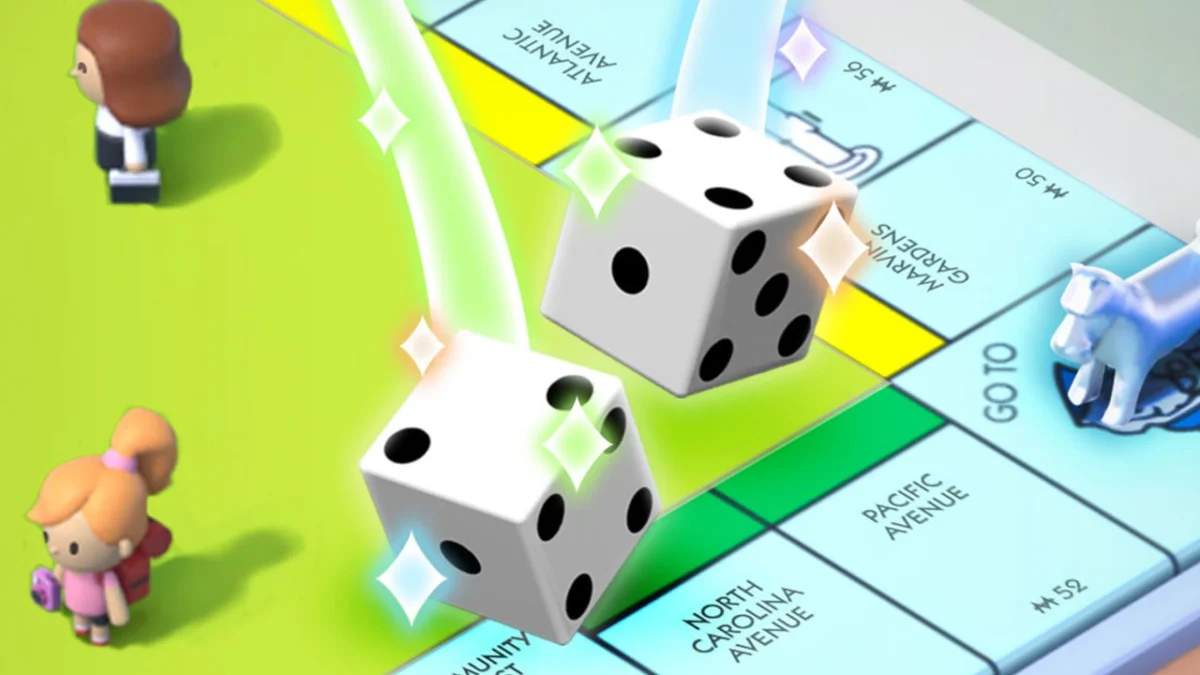
In the landscape of modern mobile gaming, few titles have managed to capture the cultural zeitgeist quite like Monopoly GO!. By blending the nostalgic mechanics of the world’s most famous board game with the addictive, high-energy engagement loops of social casino titles like Coin Master, developer Scopely has created a juggernaut. However, as any seasoned player knows, the path to property tycoon status is paved with one major hurdle: the scarcity of dice.
If you have found yourself staring at an empty roll meter, you are not alone. Monopoly GO! free rolls are notoriously difficult to secure, turning the game into a strategic exercise in resource management rather than just a casual pastime. This comprehensive guide explores the mechanics of the game, the best strategies to maintain your momentum, and the most reliable ways to keep those dice flowing without reaching for your wallet.
The Evolution of a Classic: Understanding the Monopoly GO! Loop
At its core, Monopoly GO! is a reimagining of the classic Hasbro board game. While the goal remains the same—amass wealth, build properties, and bankrupt your opponents—the delivery is radically different. Unlike the tabletop version, where games can stretch for hours, Monopoly GO! is designed for short, punchy sessions.
The gameplay revolves around a digital board where players navigate via dice rolls. Every action—landing on properties, collecting rent, or triggering mini-games like the "Bank Heist"—costs dice. Once your reserve hits zero, the game’s primary engagement loop grinds to a halt. This design choice is deliberate, creating a scarcity economy that encourages players to manage their time, participate in social features, and engage with the game’s ecosystem daily.
A Chronological Breakdown: From Download to Tycoon
To truly understand how to optimize your resource gathering, one must look at the trajectory of a Monopoly GO! player’s journey:
- The Early Game (Levels 1–50): Players are bombarded with introductory rewards and mission bonuses. This is the "honeymoon phase" where dice feel abundant. The strategy here should be aggressive progression to unlock the daily events and sticker albums.
- The Mid-Game (Levels 50–200): The difficulty curve spikes. Upgrades become more expensive, and the cost of maintaining your progress exceeds the natural recharge rate of your dice. This is where most players quit or begin searching for "hacks."
- The Advanced Stage (Level 200+): At this stage, the game is no longer about just rolling; it is about event synchronization. Players must time their rolls to coincide with tournaments and milestone events to maximize the return on every single die spent.
Supporting Data: Why Dice Scarcity is Built-In
The scarcity of free dice is a feature, not a bug. Mathematically, the game functions on a "recharge cap." Initially, players earn one free die every five minutes, capped at 30. This means that if a player does not check the app at least once every 150 minutes (2.5 hours), they are effectively losing potential currency.
Data shows that the most successful players are those who treat the game like a professional task. By logging in to clear the cap and utilizing the "Town Upgrade" milestones, high-level players can sustain their gameplay for much longer than the average casual user.
Strategies to Maximize Free Dice
To avoid the frustration of the "pay-to-play" wall, you must utilize every available channel to secure rolls. Here is your daily checklist for staying ahead of the curve.
1. The Power of Social Integration
Scopely has leaned heavily into social media to distribute rewards. Following the official Monopoly GO! Facebook page is essential. They frequently post "gift links" that, when clicked on a mobile device, instantly credit your account with free dice. While these are not always daily, they are the most consistent source of large-volume rewards. Similarly, the official Instagram account often runs competitions and provides "link drops" via Stories.
2. The Discord Ecosystem
The most dedicated players congregate on the official and community-run Monopoly GO! Discord servers. These communities are the heartbeat of the game’s meta-strategy. Links for free rolls are shared here with high frequency, but they come with an expiration date. Savvy players enable push notifications for these channels to ensure they can claim the rewards before the links expire.
3. Capitalizing on Game Mechanics
- Town Upgrades: Every time you complete a set of buildings and move to the next board, the game rewards you with a substantial bundle of dice. Never leave a board unfinished if you have the cash; the transition bonus is one of the most reliable ways to refill your reserves.
- Sticker Albums: Completing sticker albums is a high-reward activity. Engaging with the trading community on Facebook or Discord allows you to fill gaps in your collection. Completing a set or an entire album provides a massive influx of dice that can carry you through several days of play.
- Daily Challenges: The three-part daily task list is low-hanging fruit. These tasks are rarely difficult and provide a steady trickle of resources that compound over the week to yield larger "weekly goal" rewards.
4. The Friend Referral System
If you are looking for a significant boost, the referral system is your best friend. Every time you invite a new player who successfully signs up and reaches a certain level, you are rewarded with 30 free rolls. The "go-wide" approach—inviting as many friends as possible—remains the most effective way to jump-start your dice count.
Official Responses and Developer Philosophy
Scopely has maintained a consistent stance regarding the distribution of free dice: they view these rewards as "community engagement incentives." By restricting the distribution of links to specific channels like Discord and social media, they ensure that the player base remains active on multiple platforms.
In response to player feedback regarding the difficulty of acquiring dice, community managers have emphasized that the game is intended to be played in "bursts." The developers argue that the recharge system is designed to prevent player burnout, ensuring that when you are playing, the experience feels meaningful rather than a mindless grind.
The Implications: Is It Worth the Effort?
The implications of this "scarcity model" are profound. Monopoly GO! has effectively gamified the act of playing the game itself. You are not just playing for the sake of the board; you are playing to earn the resources to keep playing.
For the average user, this means the game requires a level of commitment that borders on a daily chore. However, for those who enjoy the strategy of resource management, the reward is a highly engaging, social, and competitive experience. The "cheats" and "tips" surrounding free dice are not just shortcuts—they are the secondary layer of the game that separates the casual rollers from the true property moguls.
Final Thoughts: Stay Connected, Stay Rolling
The secret to success in Monopoly GO! is not found in a single hack, but in a holistic approach to the game’s ecosystem. By combining daily logins, active participation in the Discord community, and smart management of your board upgrades, you can maintain a healthy dice supply without spending a cent.
Remember: the board waits for no one. Set your notifications, keep an eye on the official social channels, and ensure you are never hitting that 30-roll cap. With the right strategy, you can turn the game of chance into a game of skill and dominate the leaderboards.
If you haven’t started your journey yet, you can download Monopoly GO! via the Google Play Store and join the millions already competing for the title of ultimate landlord.

