

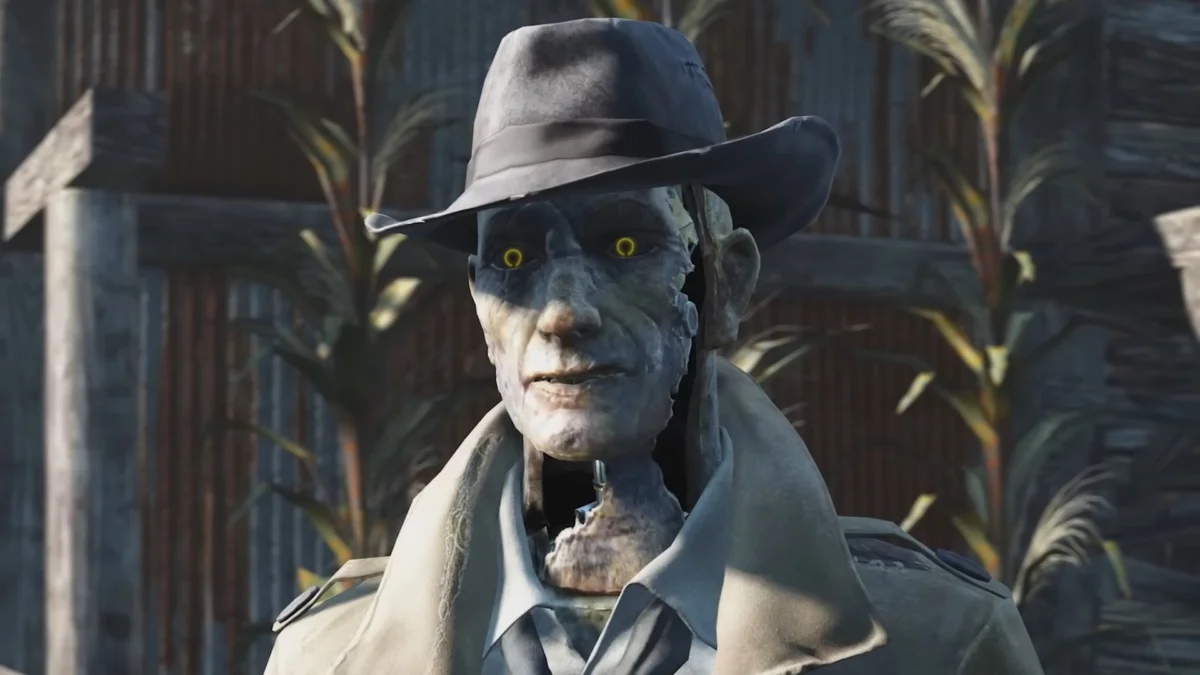
In a striking juxtaposition of corporate celebration and labor strife, Microsoft-owned Bethesda Game Studios finds itself at the center of a burgeoning legal and ethical controversy. On July 17, 2024, as the studio’s public relations machinery was in full swing—unveiling ambitious roadmaps for the Fallout, The Elder Scrolls, and Starfield franchises—a different story was unfolding behind the scenes. According to OneBGS, the union representing Bethesda Game Studios employees, the company’s Montreal branch was simultaneously issuing termination letters that offered the "smallest severance legally possible," allegedly bypassing mandatory union negotiations and stripping workers of health benefits with zero notice.
This development marks a significant escalation in the tension between the video game industry’s workforce and its increasingly consolidated corporate leadership. As Microsoft reports record-breaking profits and celebrates the cultural resurgence of the Fallout brand following its successful television adaptation, the workers who built those digital worlds claim they are being "disposed of" to satisfy management’s bottom line.
Main Facts: The Severance Standoff
The core of the dispute centers on the treatment of employees at Bethesda’s Montreal office. Following a series of layoffs initiated earlier in the month, the union OneBGS (a branch of the Communications Workers of America) alleges that Microsoft and Bethesda leadership failed to act in good faith.
Key allegations include:
- Minimalist Severance: Despite the immense profitability of parent company Microsoft, laid-off Montreal workers were reportedly offered only the bare legal minimum: eight weeks of pay in lieu of notice and outstanding vacation pay.
- Bypassing the Union: OneBGS asserts that Microsoft was legally required to negotiate the terms of these layoffs with the union but chose to issue termination letters unilaterally.
- Immediate Loss of Benefits: Affected staff reportedly lost their group health insurance immediately upon receiving their termination emails, leaving families without coverage during a period of professional crisis.
- Legal Retaliation: In response to these actions, OneBGS has filed a formal legal complaint against Bethesda, alleging violations of Canadian labor laws.
The union’s messaging is clear: while the public is invited to celebrate the future of the Fallout universe, the people responsible for its past and present successes are being forced to pay for "management’s mistakes."
Chronology of a Crisis
To understand the depth of the union’s grievance, one must look at the timeline of events that transpired in July 2024, a month that saw Bethesda swing from corporate restructuring to high-profile marketing.
July 6: The Initial Warning
The process began on July 6, when employees across Bethesda’s North American offices—including those in the United States and Canada—were summoned to a video call. During this meeting, leadership announced a round of layoffs. However, the tone was initially described as somewhat conciliatory; workers were told they would remain employed until September. This window was presented as "breathing room," during which the company would supposedly negotiate severance packages and transition terms with the union.
July 17: The PR Blitz and the "Termination Letters"
July 17 was intended to be a day of triumph for Bethesda. The studio released a comprehensive update regarding the "Future of Fallout," capitalizing on the massive influx of new players brought in by the Amazon Prime Fallout series. News regarding Fallout 76 updates, Starfield’s upcoming expansions, and the distant but highly anticipated The Elder Scrolls VI dominated the gaming press.
However, while the marketing team was engaging with fans, the human resources department was allegedly sending out "termination letters" via email to the Montreal staff. These emails reportedly informed workers that the previously promised "breathing room" had evaporated. Instead of a negotiated departure in September, the layoffs were to be finalized immediately with the minimum legal requirements.
July 18 and Beyond: The Union Response
The fallout from these emails was instantaneous. Lead character artist Ben Carnow and other prominent members of the Bethesda team took to social media platforms like Bluesky to voice their outrage. By the following day, OneBGS had formalized its legal complaints and launched a public-facing campaign on Microsoft’s own "Player Voice" forum, seeking to bridge the gap between consumer enjoyment and worker welfare.
Supporting Data: Corporate Wealth vs. Worker Austerity
The frustration expressed by OneBGS is grounded in the stark financial disparity between the workers being let go and the corporation executing the layoffs.
Microsoft, which acquired Bethesda’s parent company ZeniMax Media for $7.5 billion in 2021, has seen its market valuation soar in recent years, largely driven by its investments in AI and its massive gaming portfolio. In the fiscal quarters leading up to these layoffs, Microsoft reported billions in net income. Furthermore, the Fallout franchise specifically has seen a "remarkable achievement" in player engagement, with Fallout 76 surpassing 20 million players.
The union points out that the layoffs did not seem to affect Microsoft’s "14 layers of management," but instead gutted the creative heart of the studios. According to previous union statements, Bethesda has lost dozens of essential personnel, including:
- Programmers
- Artists
- Designers
- Quality Assurance Testers
The union argues that the decision to offer the "bare legal minimum" in severance is not a matter of financial necessity, but a choice of corporate policy. In Canada, labor laws regarding collective bargaining are stringent, and the union contends that Microsoft’s refusal to negotiate represents a direct challenge to those protections.
Official Responses and Union Advocacy
While Bethesda and Microsoft have remained largely silent regarding the specific details of the legal complaints, the union has been vocal. OneBGS’s statement on Bluesky was pointed: "Montreal workers are being treated especially poorly by XBOX and we won’t stand for it… Bethesda and XBOX leadership depend on our labor to make them millions, and yet when we do, we are disposed of."
The "Player Voice" Campaign
In an innovative move, the union linked its grievances to Microsoft’s new "Player Voice" feedback portal. This forum, designed for players to suggest improvements to the Xbox ecosystem, became a platform for labor advocacy. The union’s demands listed on the portal include:
- Executive Accountability: A call for an end to executive bonuses during years when layoffs occur.
- Transparency: A demand for "transparency for players" regarding the human cost of game development.
- Stability: An end to the "cycle of layoffs" that has plagued the industry since early 2023.
The CWA Perspective
The United Videogame Workers (CWA) also weighed in, warning fans not to be distracted by the exciting news regarding Fallout 5 or The Elder Scrolls VI. They characterized the timing of Bethesda’s game announcements as a deliberate PR tactic intended to bury the news of the layoffs. "The timing of this kind of press is intentional," the UVW-CWA stated. "How are they going to make these games when Bethesda and Obsidian collectively laid off hundreds? Don’t fall for it."
Implications for the Industry and Future Titles
The ongoing conflict at Bethesda Montreal is a microcosm of a larger "reckoning" within the video game industry. As development costs for "AAA" titles spiral into the hundreds of millions, and development cycles stretch toward a decade, major publishers are increasingly turning to layoffs to balance the books for shareholders.
Impact on Game Development
The loss of veteran artists and programmers at Bethesda Montreal raises serious questions about the development timelines for the studio’s upcoming slate. The Elder Scrolls VI is currently in active development, and a new Fallout title is expected to follow. If the "cycle of workers paying for the mistakes of management" continues, the resulting brain drain could lead to technical instability, creative stagnation, and further delays for these highly anticipated titles.
The Rise of Game Industry Unionization
This incident is likely to serve as a catalyst for further unionization efforts across the industry. For years, the gaming sector was largely non-unionized, characterized by "crunch" culture and precarious employment. However, the success of OneBGS and the visibility of their struggle against a tech giant like Microsoft suggest that the tide is turning. If Bethesda is found to have violated Canadian labor laws, it could set a legal precedent that protects game developers across the country and encourages similar movements in the United States.
The Ethics of Consumption
For the gaming public, the controversy presents a moral dilemma. The "Fallout Renaissance" has been a source of joy for millions, yet the union’s claims suggest that this success is built on a foundation of worker exploitation. The "Player Voice" campaign specifically targets this relationship, asking consumers to consider whether they can truly enjoy a product while its creators are denied basic severance and health insurance.
Conclusion
The situation at Bethesda Montreal is far from resolved. As the legal complaint moves through the Canadian regulatory system, the eyes of the industry remain fixed on Microsoft. Will the tech giant pivot to a more collaborative relationship with its unions, or will it continue to pursue a policy of "bare legal minimums"?
For now, the contrast remains stark: on one side, a bright, post-apocalyptic future filled with new quests and digital adventures; on the other, a group of dedicated professionals fighting for the right to a fair departure from the worlds they helped create. As OneBGS stated, the "cycle ends here"—but the path to a more equitable industry remains fraught with challenges.

