

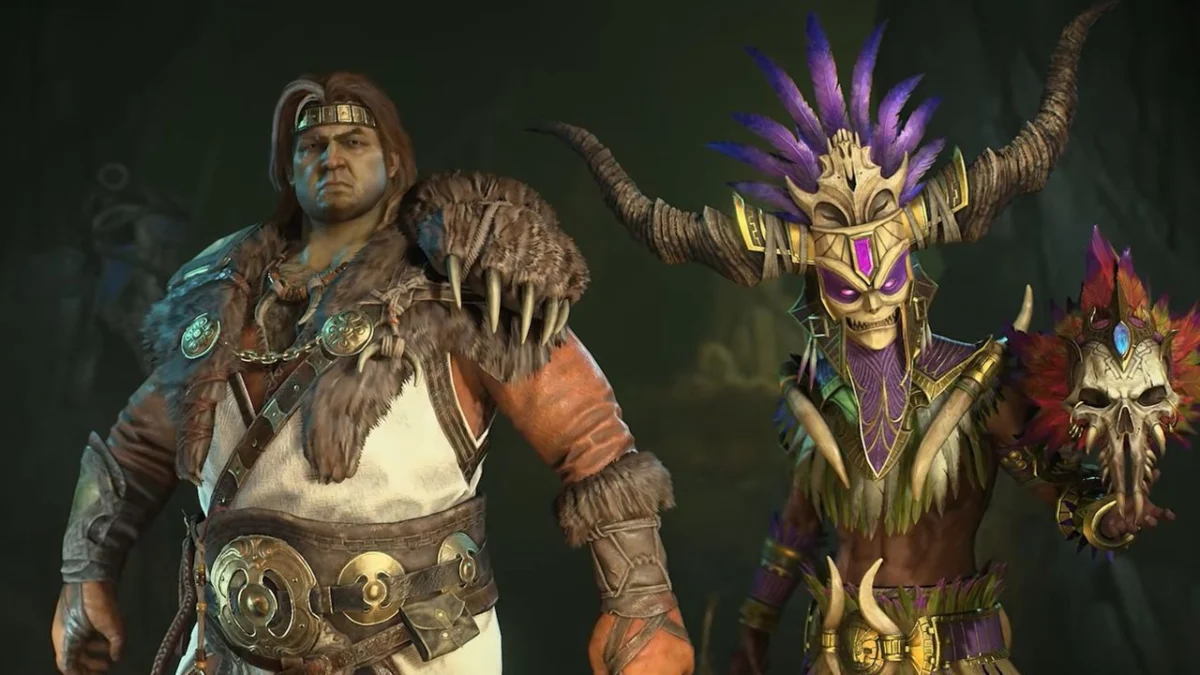
The announcement of Diablo 5 at BlizzCon 2026 sent shockwaves through the gaming community, not merely because of the promise of a new entry in Blizzard’s legendary franchise, but because of the fundamental shifts in design philosophy. For decades, the Diablo series has been the undisputed king of the isometric Action-RPG (ARPG), characterized by frantic clicking, screen-clearing loot explosions, and brief, atmospheric pitstops in static hub towns. However, the upcoming sequel, slated for a 2029 release, is poised to dismantle these conventions.
By replacing static safe zones with a mobile, character-driven caravan system, Diablo 5 is signaling a pivot toward the deep, interpersonal storytelling found in Western RPGs (WRPGs). At the heart of this evolution is Narrative Director Jennifer Hepler, a veteran of the BioWare golden era, whose fingerprints are already visible on the game’s core mechanics.
The Death of the Hub: A Mobile Sanctuary
The most radical departure in Diablo 5 is the total elimination of traditional towns and safe zones. In previous iterations, players would return to a central hub—Tristram, Lut Gholein, or Kyovashad—to sell loot, identify items, and take a breather from the carnage.
In Diablo 5, the world of Sanctuary is portrayed as a more hostile, relentless environment. Instead of retreating to a city, players maintain a mobile caravan that follows them across the map. This caravan acts as a moving sanctuary, a tactical barrier, and a base of operations that is constantly under threat. This design choice serves a dual purpose: it maintains the relentless momentum of an ARPG while creating a persistent sense of vulnerability. Players are no longer "safe" simply because they have reached a waypoint; they must manage their mobile base while navigating the shifting tides of Hell’s influence.
Chronology: A Shift in Creative Direction
The evolution toward this new model has been a multi-year process within Blizzard. Following the mixed reception to certain endgame loops in Diablo 4, the development team began looking for ways to foster a deeper connection between the player and the world.
- 2025 (Internal Prototyping): Blizzard’s narrative and gameplay teams begin experimenting with "living" environments, moving away from static quest-givers toward reactive, world-based encounters.
- Early 2026: Jennifer Hepler is tapped to lead the narrative direction, bringing her expertise from Dragon Age: Origins and Inquisition to the table.
- BlizzCon 2026: The official unveiling of Diablo 5. Blizzard showcases the caravan system and the new "Plague Knight" class, confirming a 2029 release window.
- 2027–2028 (Projected): Blizzard plans to conduct extensive public beta testing focused on the balance between combat intensity and narrative downtime.
Supporting Data: Integrating "BioWare DNA"
The influence of narrative-heavy titles on the high-octane world of Diablo is not coincidental. It is a calculated attempt to expand the game’s appeal. According to internal development discussions revealed during the BlizzCon panel, the team studied the "Campsite" mechanics of Baldur’s Gate 3 and the party-interaction systems of the Dragon Age series to understand how to ground a player in a world that is essentially designed to kill them.
Hepler notes that while the caravan will not feature the same degree of complex romance or skill-tree customization for followers as a traditional party-based RPG, the emotional weight is intentional. "The goal is to provide a sense of companionship in a world that feels increasingly lonely," she stated during the panel. By giving these followers distinct personalities, the game forces players to consider the human cost of their crusade against the Prime Evils.
Furthermore, the game features a more robust class system than ever before. With the inclusion of the returning Demon Hunter and Monk, alongside the all-new Plague Knight, Blizzard is ensuring that the gameplay remains as deep as the narrative, providing mechanical variety that justifies the increased focus on character building.
Official Responses: The Philosophy of Change
Game Director Joe Shely and Executive Producer Matt Zitterman have been clear that Diablo 5 is an evolution, not a reboot. Their strategy is to leverage the "ARPG loop" (kill, loot, upgrade) while layering a more sophisticated narrative structure on top.
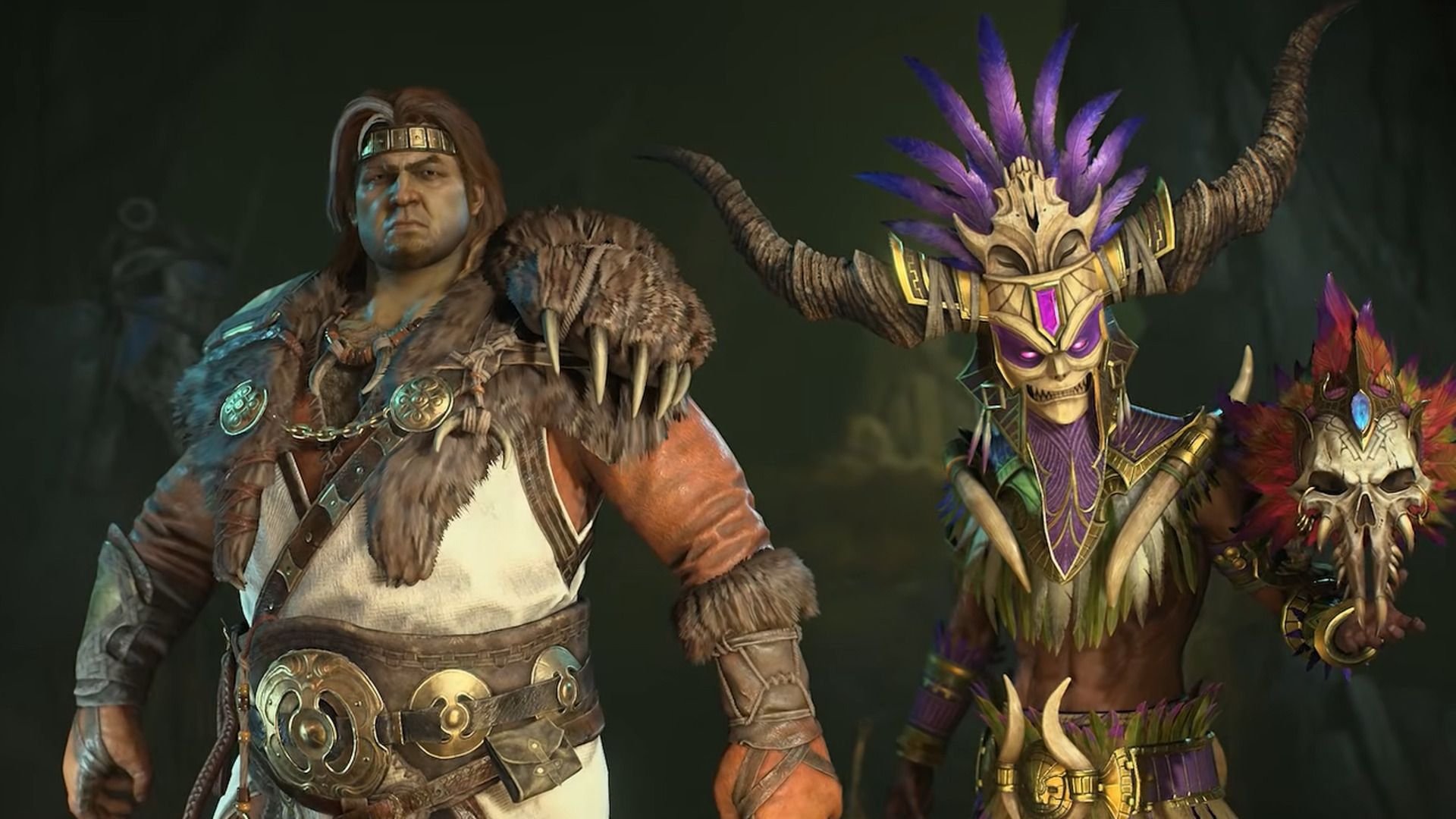
"We wanted to challenge the assumption that ARPGs can’t tell a personal, character-driven story," Shely remarked during the presentation. "Usually, the world of Sanctuary is something you observe as you pass through it. We want you to live in it. The caravan isn’t just a mobile shop; it’s your anchor to the world."
The developers are acutely aware of the "purist" risk. They recognize that many players come to Diablo for the mindless catharsis of demon-slaying. Consequently, the narrative elements are being designed to be optional or integrated into the natural flow of the game, rather than forcing players into dialogue trees that break the pacing of the combat.
Implications: The Future of the Genre
The decision to incorporate WRPG elements into a major franchise like Diablo has significant implications for the broader gaming industry.
1. The Blurring of Sub-genres
We are witnessing the end of the "siloed" genre. As production costs rise and audience expectations for narrative complexity grow, even the most traditional action-oriented games are adopting "RPG Lite" features. If Diablo 5 succeeds in marrying the frantic pacing of a hack-and-slash with the character depth of a tactical RPG, it will set a new industry standard.
2. Narrative as a Retention Tool
Historically, ARPGs have struggled with player retention once the "gear treadmill" becomes repetitive. By adding narrative depth, companions with personalities, and a mobile home base, Blizzard is attempting to create an emotional attachment to the game that persists even when the loot drops aren’t optimal. This is a direct play to compete with the massive, persistent narrative worlds of modern MMOs and open-world RPGs.
3. The Risk of Complexity
The primary risk for Blizzard is "feature creep." If the caravan system or the follower interactions become too cumbersome, they may alienate the core demographic that prioritizes efficiency and speed. The balance between "meaningful interaction" and "narrative bloat" will be the deciding factor in the game’s success during its 2029 launch.
Final Thoughts: A New Era for Sanctuary
As we look toward 2029, the gaming landscape is shifting. Diablo 5 represents a bold attempt to bridge the gap between the frantic, satisfying gameplay of the past and the deep, immersive storytelling of the modern era. Jennifer Hepler’s influence, combined with the technical prowess of the Blizzard team, suggests that Diablo is growing up.
While the core essence of the franchise—the visceral combat, the endless loot, and the eternal battle against darkness—remains, the context of that battle is changing. We aren’t just fighting to save the world; we are fighting to protect a small, fragile group of companions in a world that has never been more hostile. For fans of the series, this evolution promises a fresh, perhaps even darker and more personal, take on the legend of Sanctuary. Whether it marks a successful evolution or a departure too far from the roots, one thing is certain: the journey of Diablo 5 will be one of the most closely watched development cycles in gaming history.

