

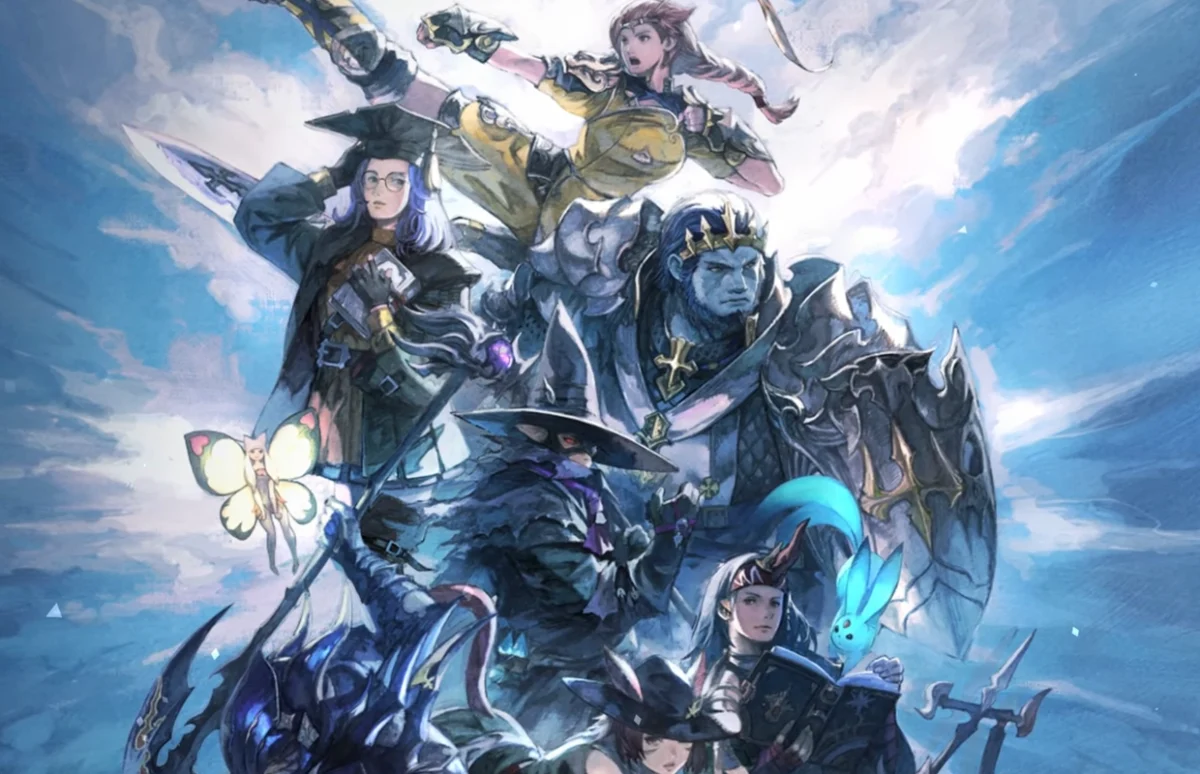
The ambitious attempt to shrink the sprawling, continent-spanning MMORPG Final Fantasy XIV into a portable experience has come to an abrupt and premature conclusion. Tencent’s Lightspeed Studios, in coordination with Square Enix, has announced the total cessation of operations for Final Fantasy XIV Mobile. The announcement, which confirms both the shutdown of the Chinese version of the game and the complete cancellation of the highly anticipated global release, marks a significant shift in the landscape of high-profile mobile adaptations.
The decision arrives just over a year after the title’s regional launch in China, citing vague but definitive "adjustments in business operations and changes in the market environment." For fans who had hoped to carry their adventures in Eorzea in their pockets, the news serves as a somber reminder of the volatility inherent in the modern mobile gaming market.
The Chronology of a Failed Port
The journey of Final Fantasy XIV Mobile was marked by high expectations and technical hurdles. When the title was first announced, it was framed as a monumental achievement—a way to bridge the gap between console/PC-based MMORPGs and the accessibility of the mobile market.
- June 2025: Final Fantasy XIV Mobile officially launches in mainland China, managed by Tencent’s Lightspeed Studios. The launch is met with a mix of curiosity and technical scrutiny as players attempt to translate the complexity of FFXIV’s "hotbar" combat system to touchscreens.
- Early 2026: Throughout the first half of the year, whispers of internal development struggles and market saturation begin to circulate within the industry, though official channels remain quiet.
- July 17, 2026: The definitive "end of life" announcement is issued. Lightspeed Studios confirms that in-game top-ups and new user registrations are suspended effective immediately.
- September 30, 2026: The official date for server shutdown, marking the end of all active gameplay and the decommissioning of the official website.
- October 15, 2026: The final phase of the sunsetting process, where community forums and dedicated customer support channels are permanently shuttered.
A Detailed Look at the Shutdown Process
The exit strategy provided by the operations team is structured to give the remaining player base a limited window to say their final goodbyes to the "Mobile Eorzea." By setting a 76-day countdown from the announcement, the developers are attempting to provide a controlled conclusion to the service.
According to the official statement released by the Final Fantasy XIV Mobile (Chinese Edition) team, the timeline is rigid. After July 17, 2026, the game entered a "maintenance mode" of sorts, where existing players can continue to inhabit the world, but no new financial transactions can occur. This is a common practice in the industry to prevent the accumulation of new, potentially refundable, digital assets while the final sunsetting occurs.
The most sensitive aspect of the shutdown involves user data. The developers have explicitly stated that in accordance with the Personal Information Protection Law, all account data, character information, and user-generated history will be permanently deleted shortly after the servers go dark. For a game that relies so heavily on the investment of time and the preservation of character progression, this represents a total erasure of the digital footprint created by the players over the last fifteen months.
Analyzing the Market Environment and Business Adjustments
The core reason cited for the cancellation—"adjustments in business operations and changes in the market environment"—speaks to a broader trend in the mobile gaming sector. The Chinese mobile market, while massive, has become increasingly saturated and competitive. High-budget MMORPG ports, specifically those that attempt to maintain a 1:1 fidelity with their PC counterparts, face significant friction.
The Complexity Burden
Unlike traditional mobile-first titles, Final Fantasy XIV is built upon a foundation of complex "GCD" (Global Cooldown) rotations, intricate party mechanics, and high-level endgame raiding. Replicating this on a mobile device requires a level of UI optimization that is notoriously difficult to balance. Players often report that the "friction" of mobile controls hampers the core experience of what makes the original game special.
Financial Viability
MMORPGs thrive on long-term retention. To remain profitable, these titles require a consistent flow of revenue—often generated through microtransactions, cosmetics, and monthly subscriptions. If the player retention rates fall below a certain threshold, the cost of maintaining high-fidelity servers and providing ongoing content updates becomes unsustainable. Given the global cancellation, it is highly probable that the projected revenue metrics did not meet the expectations of either Tencent or Square Enix, rendering the international expansion a non-starter.
Official Responses and Community Impact
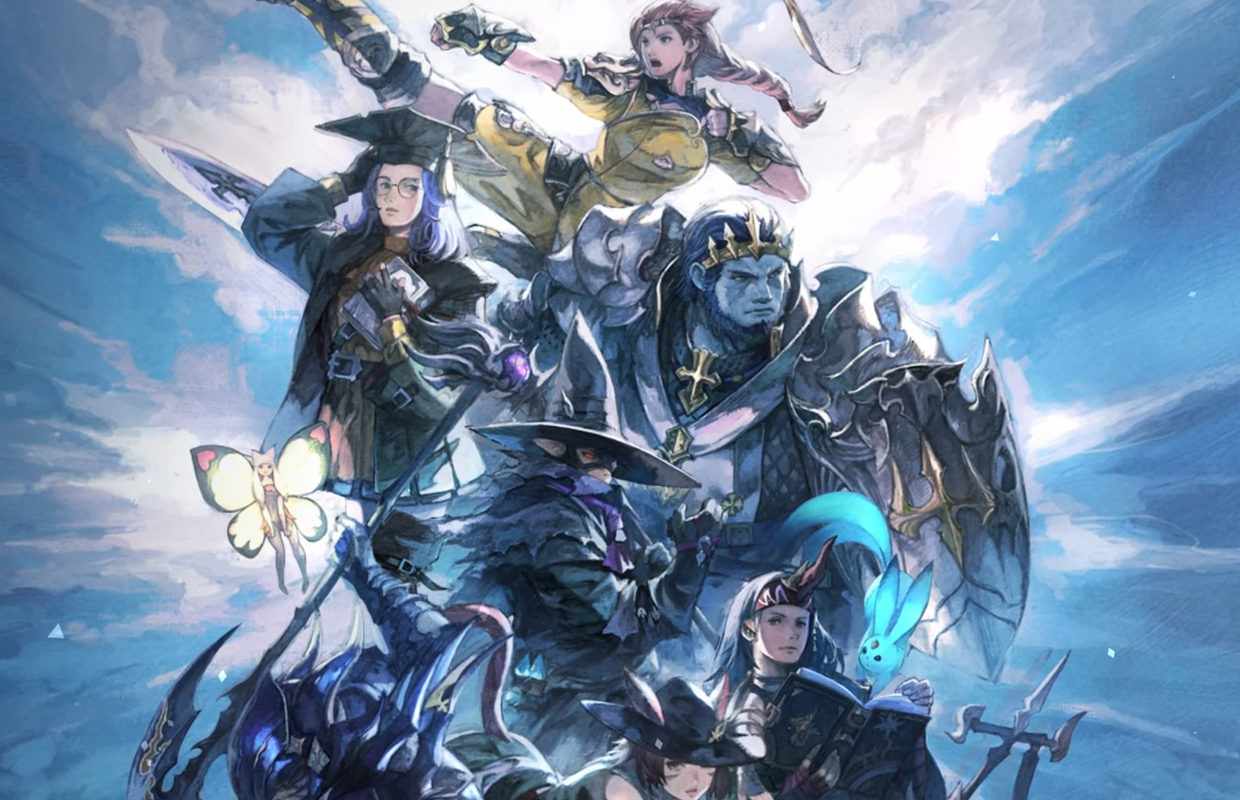
The official statement from the developers strikes a tone of profound regret, acknowledging the emotional labor invested by the players. The message, addressed to "Adventurers," highlights the community’s role in shaping the game:
"Every suggestion you shared on gameplay, experiences, and features guided us to build the game world. Seasoned Warriors of Light stepped up as mentors, walking newcomers through the confusion of their first steps into Eorzea."
This sentiment, while standard in closure notices, carries weight in the context of the FFXIV community, which is known for its strong emphasis on socialization and mentorship. The cancellation is not merely a loss of a product; it is the dissolution of a localized digital community that had only just begun to solidify.
For the international community, the news of the global cancellation brings a mixture of relief and disappointment. Many fans of the PC version were skeptical of the mobile port, fearing that it might dilute the quality of the main game or introduce predatory monetization. However, the loss of a portable FFXIV experience means that the "dream" of an accessible, on-the-go Eorzea remains unfulfilled for the foreseeable future.
Broader Implications for the Industry
The failure of Final Fantasy XIV Mobile serves as a case study for major publishers looking to port "big-screen" experiences to handheld devices. Several key takeaways emerge:
- Platform Fidelity vs. Accessibility: There is a diminishing return when scaling down complex PC MMORPGs. What makes a game like FFXIV successful is its depth, which is often lost when condensed for mobile touch-interfaces.
- Brand Dilution Risks: Square Enix, which guards the Final Fantasy brand with immense care, likely viewed the potential for poor reception as a greater risk than the cost of cancellation. By pulling the plug, they prevent a potentially subpar global experience from tarnishing the reputation of the main Final Fantasy XIV brand.
- The "Market Environment" Shift: The mobile industry is moving toward shorter, more session-based experiences. Long-form, persistent-world MMORPGs require a level of daily commitment that may not align with the average mobile user’s lifestyle, regardless of how iconic the brand is.
Conclusion: The Final Days of Mobile Eorzea
As the September 30 deadline approaches, the remaining players in the Chinese version are essentially living in a digital graveyard. The developers have promised to do their best to "accompany everyone through this final journey," but the outcome is inevitable.
When the servers shut down, they will take with them thousands of hours of gameplay, social bonds, and a unique vision of what a mobile MMORPG could be. The cancellation of the global version is perhaps the most telling aspect of this saga—it suggests that the vision was not just flawed in execution, but perhaps fundamentally incompatible with the current demands of the gaming public.
For now, the Warriors of Light who took their adventures to the small screen must return to their consoles and PCs. The experiment has concluded, and the lesson for the industry is clear: some worlds are simply too vast to be captured in the palm of a hand.

