

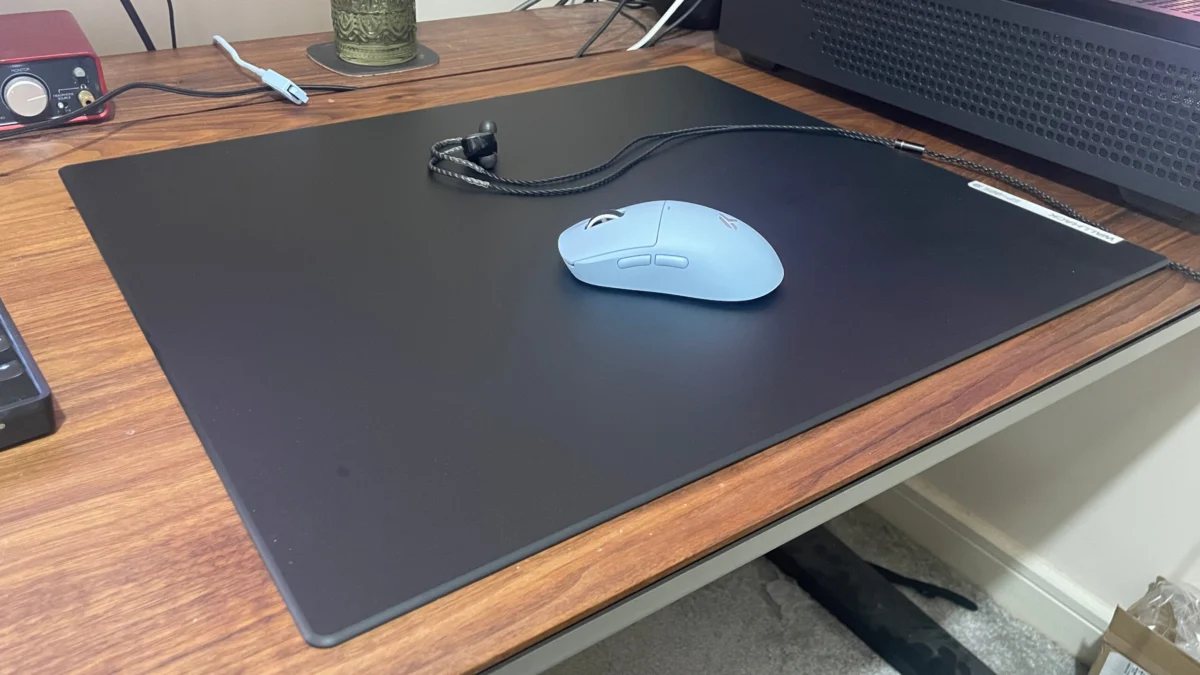
In the high-stakes world of competitive PC gaming, hardware enthusiasts often fixate on the latest sensor technology or the lightest chassis. However, for those who spend their lives pixel-hunting in tactical shooters, the most critical piece of hardware is often the one that stays stationary: the mouse pad. Jacob Fox, hardware writer at PC Gamer, has spent months navigating the slippery, high-friction debate surrounding the shift from traditional cloth surfaces to the rising trend of glass mouse pads.
While glass surfaces promise unparalleled speed and longevity, they have sparked a deeper conversation about the nature of "control" in competitive gaming. As it turns out, the most lasting legacy of the glass pad revolution might not be the glass itself, but the unexpected adoption of the "gamer sleeve."
The Evolution of the Surface: Cloth vs. Glass
For decades, the cloth mouse pad has been the industry standard. It offers a predictable, tactile experience that provides the "stopping power" essential for tactical shooters like Counter-Strike 2. However, cloth is inherently flawed; it is a sponge for dust, humidity, and skin oils. Over time, the friction of the mouse skates degrades the weave, leading to inconsistent tracking that can ruin a professional’s muscle memory.
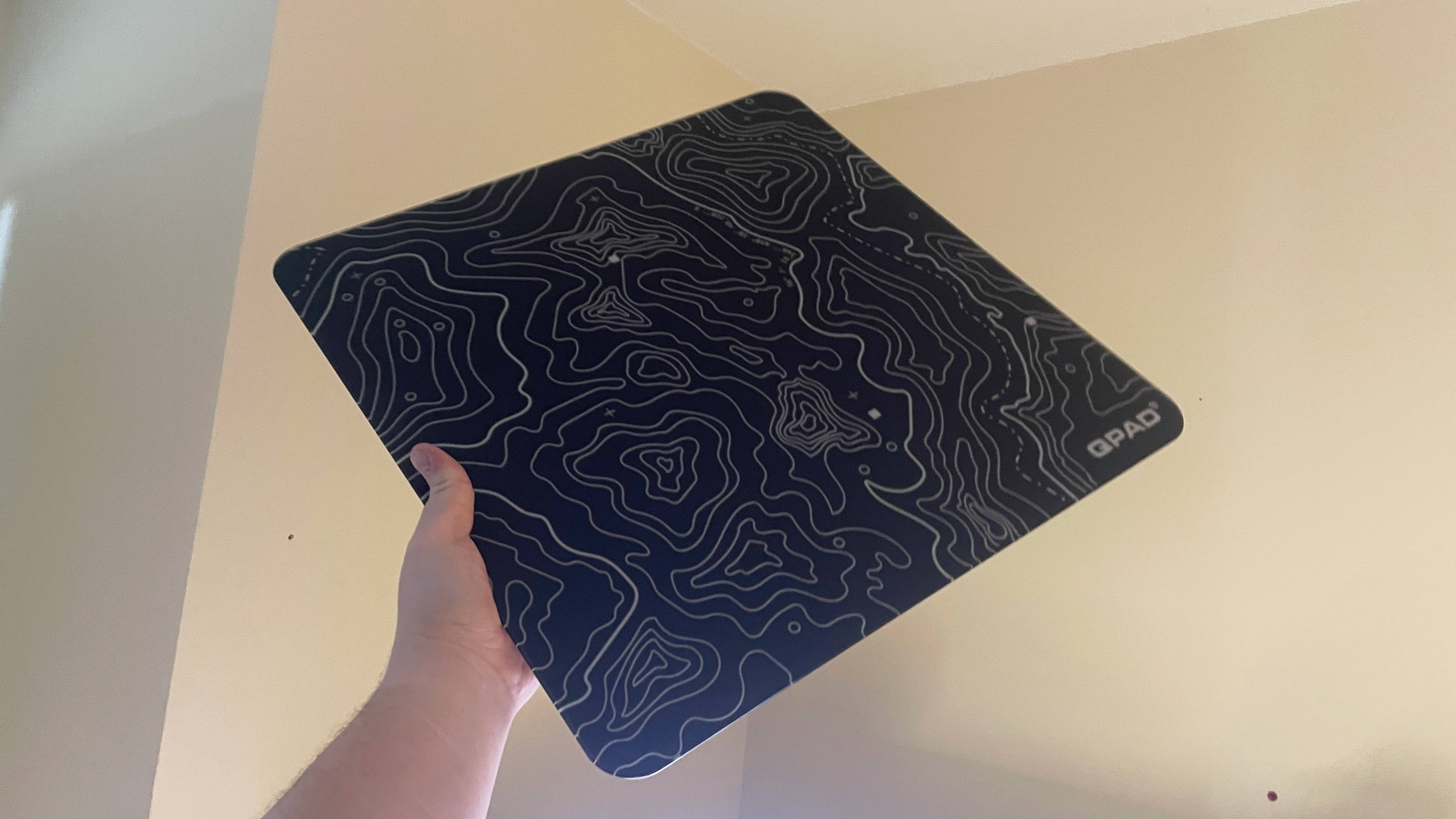
Glass pads, such as the QPAD Obsidian or the Wallhack series, offer a radical departure. By using tempered glass with etched micro-textures, these pads provide a surface that does not degrade. The friction remains identical on day one as it does on day 500. For gamers who crave a consistent, ultra-low friction glide, glass is the ultimate solution. Yet, this consistency comes at a price: a steep learning curve and a fundamental change in how a player controls their aim.
Chronology of a Gamer’s Experimentation
The transition for many enthusiasts begins with the pursuit of the "perfect glide."
- Initial Adoption: The allure of the glass pad starts with the promise of speed. The reduction of static friction allows for micro-adjustments that are nearly impossible on traditional cloth.
- The Maintenance Phase: Early adopters quickly realize that glass requires a strict cleaning regimen. Any speck of dust or debris on a glass pad creates a "scratchy" sensation, forcing users to wipe their surfaces down with microfiber cloths multiple times per session.
- The "Control" Paradox: After weeks of using glass, many users—including those at the professional level—reach a crossroads. While the speed is impressive, the lack of resistance can make "holding an angle" feel loose or unstable.
- The Return to Cloth: Many, after attempting to master the glass surface, find themselves retreating to high-quality control-focused cloth pads, such as the Razer Gigantus V2 Pro or the Zowie HSR-III. They discover that for tactical precision, "stopping power" is just as vital as "gliding power."
Supporting Data: Why "Control" Trumps "Speed"
The debate boils down to the mechanics of aiming. In fast-paced arena shooters like Quake Champions or The Finals, where tracking targets across a wide field of view is paramount, a low-friction glass pad is a clear advantage. The constant, fluid motion allows for seamless target acquisition.

Conversely, in tactical shooters like Counter-Strike 2 or Valorant, the game is defined by "time-to-kill" and the necessity of pixel-perfect headshots. Here, static friction is a player’s best friend. It provides the resistance needed to stop the mouse exactly where the player intends, minimizing the "overshoot" common with ultra-slick glass surfaces.
Professional players prioritize consistency over speed. While some pros have embraced glass, the vast majority remain on cloth surfaces that provide a predictable, tactile response. For the average player, the cost-to-performance ratio of a $100+ glass pad versus a $20 cloth pad often weighs heavily in favor of the latter, especially when considering the rigorous maintenance schedule required for glass.
The Unexpected Legacy: The Rise of the Gamer Sleeve
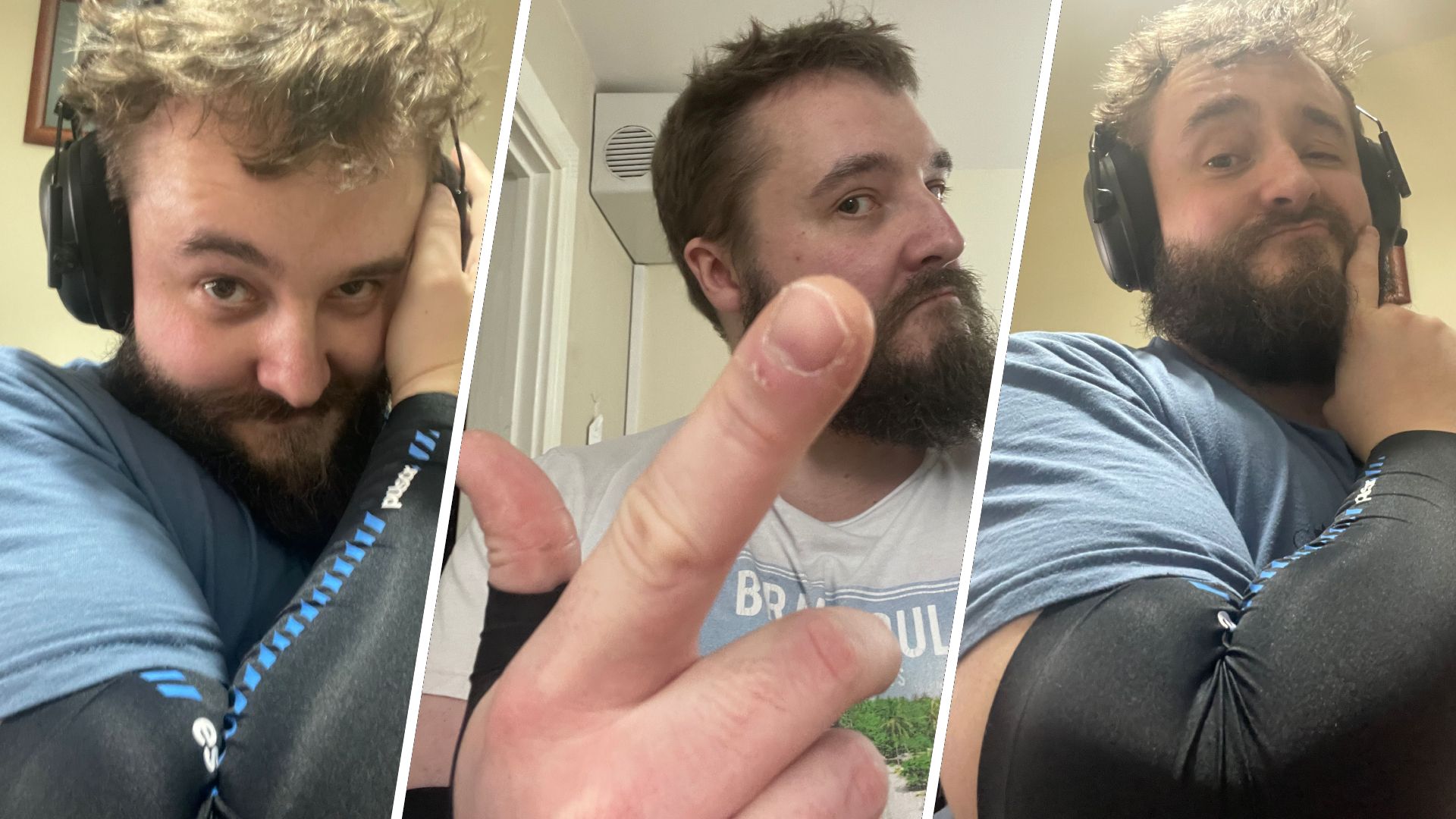
The most significant outcome of the shift toward glass pads has been the normalization of the "gamer sleeve." Because glass surfaces are highly sensitive to humidity and skin contact, a sleeve is often required to ensure the arm glides consistently.
What began as a necessity for glass has become a staple for cloth users as well. By wearing a sleeve, the player eliminates the variability of skin-on-pad friction. Whether it is a humid summer day or a dry winter evening, the arm moves across the mouse pad with the same coefficient of friction. This consistency is the holy grail for professional aimers. What was once viewed as a niche accessory has now been adopted by top-tier pros like those in the Counter-Strike circuit, effectively removing the human variable from the equation of movement.
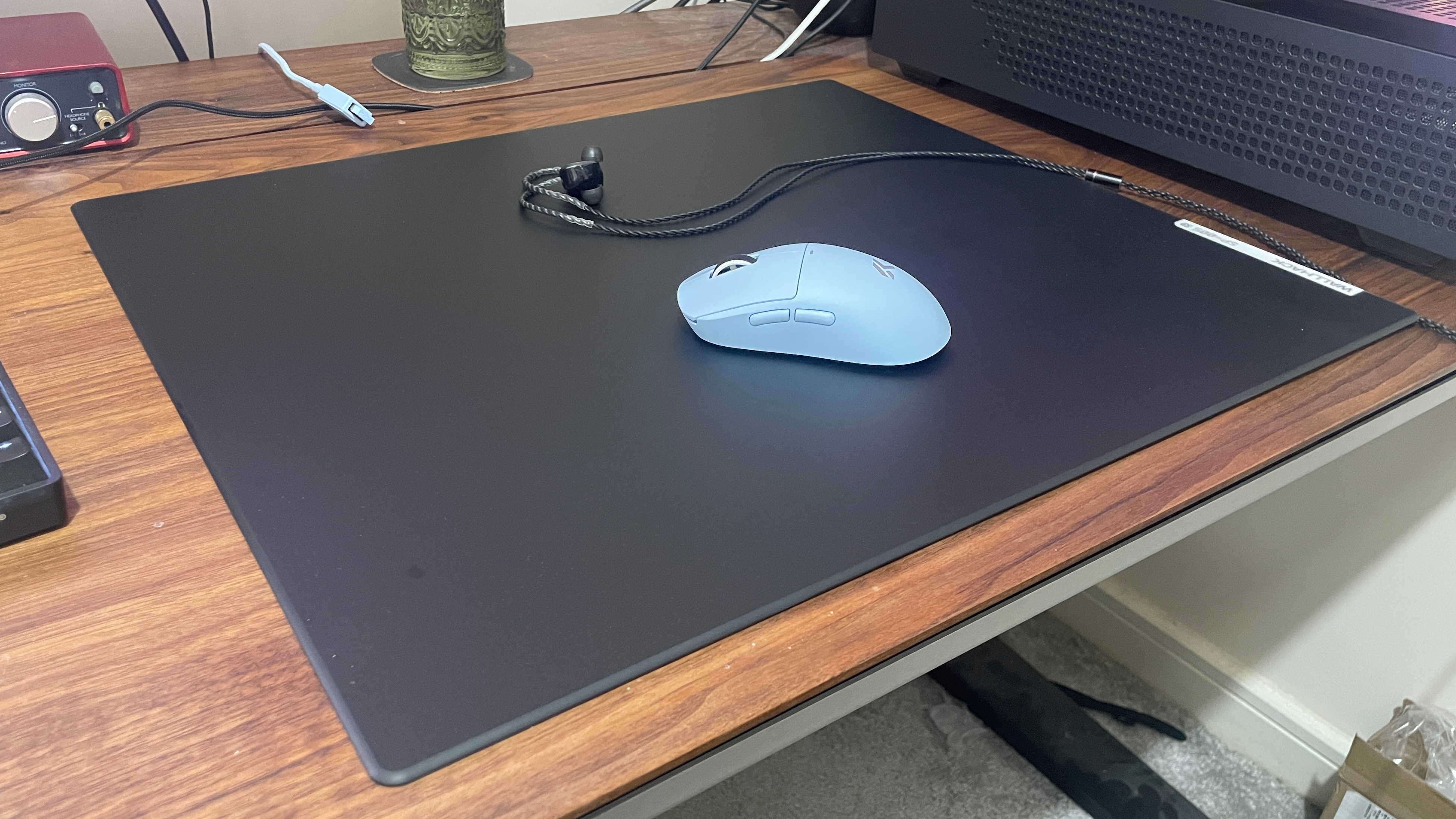
Implications for the Future of Esports Hardware
The rise of specialized surfaces and accessories like sleeves signals a more "scientific" approach to competitive gaming. Players are no longer just buying a mouse; they are curating an ecosystem of friction and response.
- Standardization: As more players adopt sleeves, we may see manufacturers focus more on "sleeve-friendly" cloth textures.
- Hybrid Surfaces: We are already seeing the emergence of "control glass" pads, like the Wallhack CR-005, which attempt to bridge the gap between the longevity of glass and the stopping power of cloth.
- The End of the "One-Size-Fits-All" Pad: The market is fragmenting. We are moving toward a reality where your mouse pad is chosen based on the specific mechanical requirements of the game you play, rather than just the size of your desk.
Conclusion: Finding Your Endgame
For the average gamer, the glass pad experiment serves as a valuable lesson: your hardware should serve your playstyle, not the other way around. While glass pads offer a glimpse into a high-performance future, they are not a magic bullet for aim.
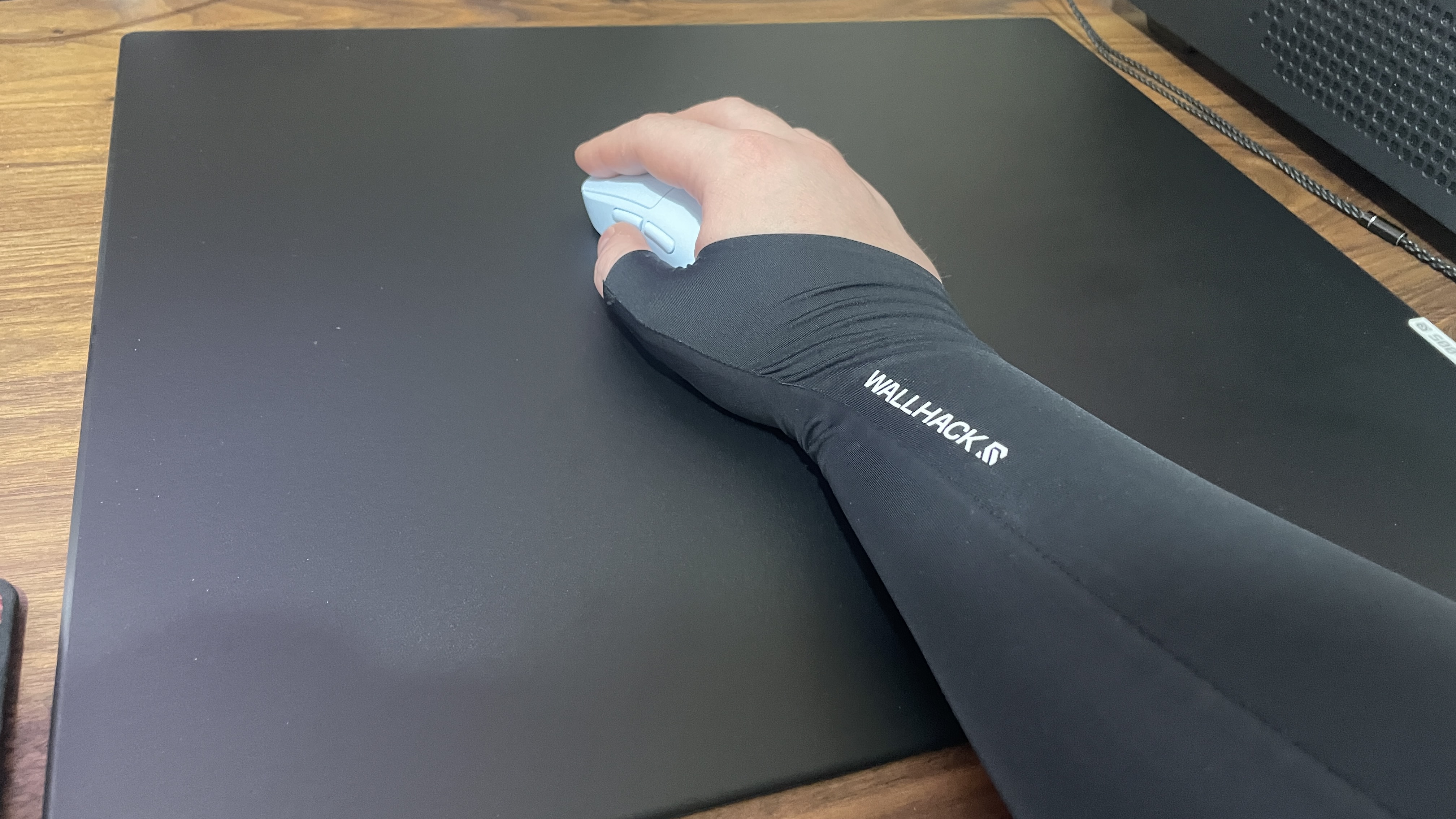
If you find yourself struggling with consistency, perhaps the answer isn’t a new sensor or a lighter mouse, but a high-quality control pad and a simple sleeve. As the industry continues to evolve, the distinction between "pro" gear and "enthusiast" gear is narrowing. Whether you opt for the surgical precision of a glass surface or the reliable friction of a premium cloth pad, the goal remains the same: removing every possible obstacle between your intent and the outcome on screen.
For now, the cloth pad remains the king of the tactical hill—but the sleeve is here to stay.

