

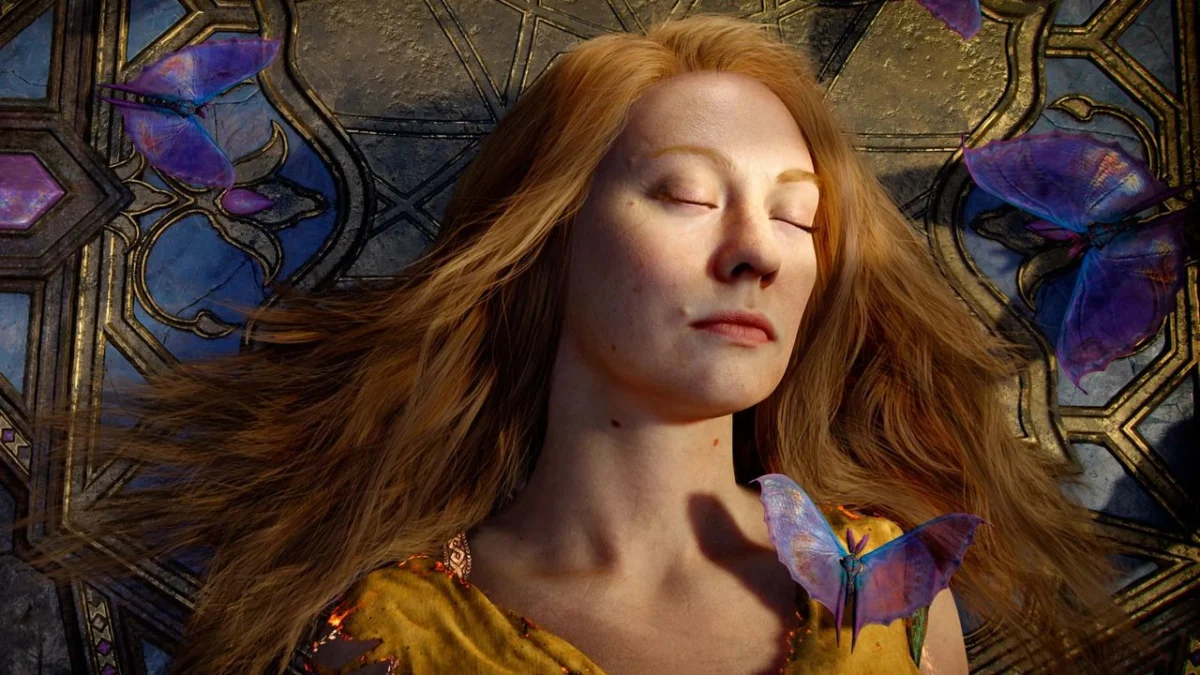
The God of War franchise has long been synonymous with one man: Kratos, the Ghost of Sparta. For two decades, players have walked in his sandals, witnessing his transformation from a rage-fueled Spartan general into a weary, introspective father navigating the complexities of Norse mythology. However, the recent announcement of God of War: Laufey—a spin-off centering on Kratos’s late wife and Atreus’s mother—has sent shockwaves through the gaming community. While many fans are eager to explore the untapped potential of this legendary figure, the reveal has also triggered a predictable, vitriolic backlash from a vocal minority of the internet, centered entirely on the shift away from a male protagonist.
At the heart of the controversy is actress Deborah Ann Woll, who reprises her role as Laufey (also known as Faye). Despite the orchestrated negativity, Woll remains remarkably composed, viewing the discourse not as a failure of the game, but as a reflection of the toxic echo chambers that often plague modern gaming culture.
The Genesis of the Controversy
The announcement of God of War: Laufey was intended to be a celebration of one of the franchise’s most mysterious characters. As a giant (Jötunn) and a formidable warrior in her own right, Laufey’s backstory offers a compelling narrative hook. Yet, the announcement trailer, which showcased a more fluid, traditional combat style reminiscent of the franchise’s earlier entries, was quickly swamped by comments disparaging the creative decision to lead with a female protagonist.
This phenomenon is not new to the medium. We have seen similar waves of "review bombing" and bad-faith critique directed at titles featuring female leads, often under the guise of "lore accuracy" or "franchise integrity." In the case of God of War: Laufey, the criticisms are largely disconnected from the actual gameplay mechanics or narrative depth, focusing instead on the perceived loss of the "Kratos identity."
Deborah Ann Woll’s Measured Response
During an appearance at Florida Supercon, Deborah Ann Woll—widely recognized for her roles in Daredevil and True Blood—was asked about the vitriol circulating online. Her response was one of seasoned professional detachment.
"Genuinely, I thought I was going to be much more affected by it, but one, I’m not on social media, so that helps, and two, I don’t know, I feel totally unbothered," Woll told TikTok influencer quinnphobic. "Because I just know it’s great. It’s okay if it’s not your cup of tea, but in no universe is it bad."
Woll’s perspective is grounded in the creative reality of the production. Having seen the project from the inside, she recognizes that the quality of the narrative and the craftsmanship of the development team at Santa Monica Studio stand on their own. By choosing to disengage from social media, she effectively immunizes herself against the "impotent rage" of those who feel threatened by the diversification of the God of War mythos.
Chronology of a Franchise Evolution
To understand the significance of God of War: Laufey, one must look at the evolution of the series:
- 2005–2013: The Greek Era: The series focused exclusively on Kratos’s brutal vengeance against the Olympian gods. The combat was fast-paced, fixed-camera, and defined by hyper-violence.
- 2018: The Norse Reboot: Santa Monica Studio pivoted, introducing an older, more contemplative Kratos and his son, Atreus. The camera shifted to an over-the-shoulder perspective, emphasizing emotional depth and tactical combat.
- 2022: God of War: Ragnarök: The conclusion of the Norse saga. While highly acclaimed, it left many wondering if the "Norse setting" had reached its creative ceiling.
- The Future: God of War: Laufey represents the next step. By stepping into the shoes of a character who was instrumental in shaping the events of the 2018 reboot, Santa Monica Studio is ensuring that the series’ lore remains expansive and dynamic.
The Case for Creative Expansion
The narrative fatigue surrounding the Norse setting was palpable by the end of Ragnarök. While Kratos remains the face of the franchise—and Sony has confirmed he will return in future installments—the world of God of War is far too vast to be tethered exclusively to his perspective.
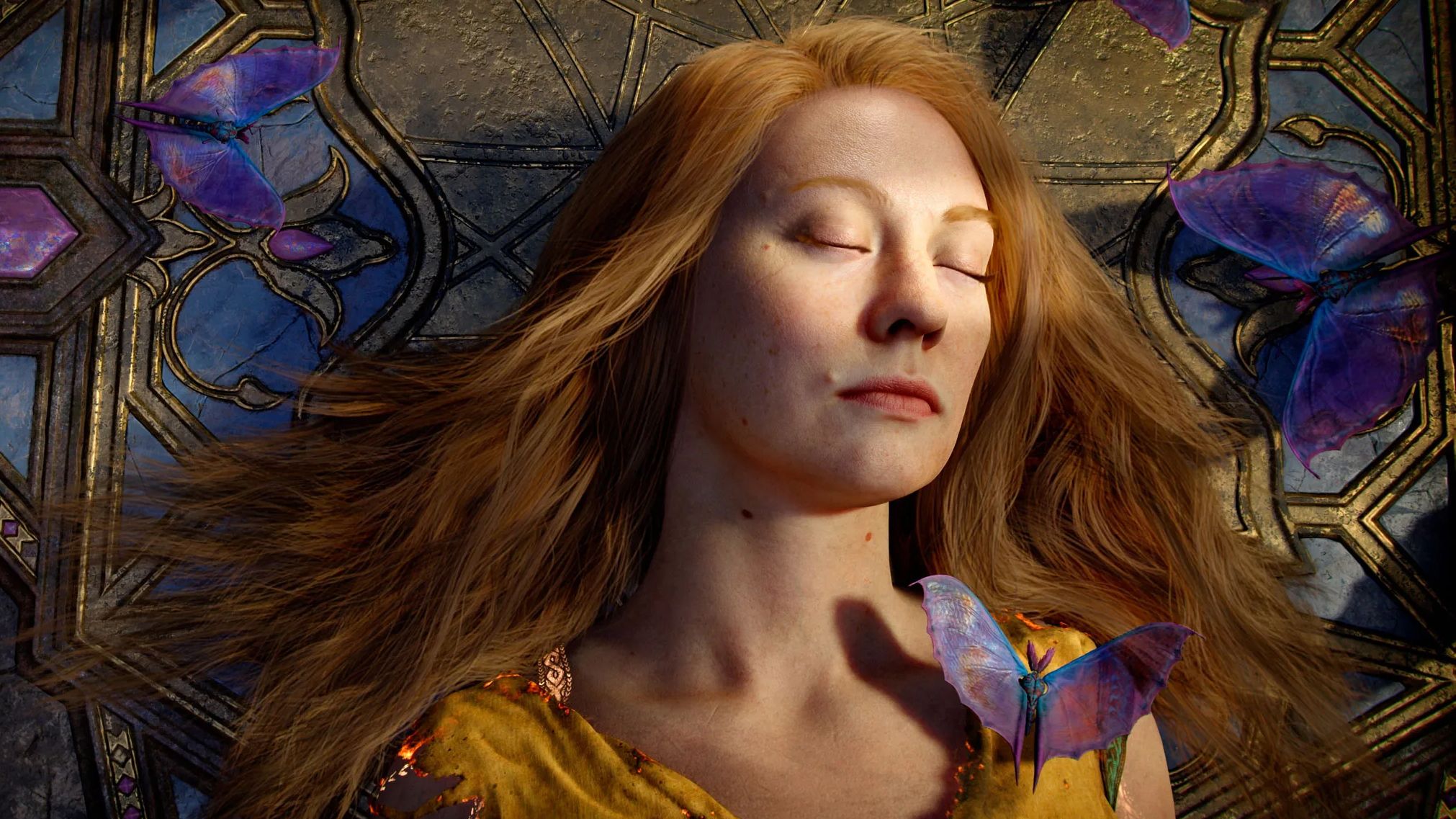
God of War: Laufey appears to be a bridge between the old and the new. Early gameplay footage suggests a return to a more rhythmic, high-action combat system, potentially satisfying long-time fans who missed the frantic energy of the original trilogy. Furthermore, the inclusion of a "big wobbly cube" companion—a unique gameplay mechanic—indicates that the developers are not merely resting on their laurels but are actively experimenting with new ways to traverse the afterlife.
The PC Exclusivity Dilemma
Beyond the social media noise, a more pressing concern for the broader gaming community is the question of platform availability. Historically, Sony’s strategy of keeping its heavy hitters exclusive to the PlayStation ecosystem served them well. However, the recent success of porting God of War and Ragnarök to PC proved that the platform is a goldmine.
Despite the proven profitability of PC ports, Sony’s recent statements regarding a "retreat" from PC gaming have cast a shadow over Laufey. The company seems to be pivoting back toward strict exclusivity to bolster the PlayStation 5 (and potentially the upcoming PlayStation 6) hardware sales.
This decision, if enforced, could prove to be a strategic misstep. Modern AAA development costs have ballooned into the hundreds of millions; reaching the largest possible audience is no longer just a "bonus"—it is a necessity for financial sustainability. If God of War: Laufey remains locked behind the walled garden of PlayStation, it may struggle to achieve the same cultural saturation as its predecessors.
Implications for the Industry
The discourse surrounding God of War: Laufey serves as a microcosm of a larger, ongoing culture war within the gaming industry. As studios push for more diverse protagonists and narrative structures, they are increasingly met with resistance from a segment of the audience that equates "change" with "decline."
However, industry data suggests that the developers are on the right side of history. Games that feature diverse casts and innovative perspectives continue to dominate sales charts and critical reception. By supporting actors like Deborah Ann Woll and empowering developers to take creative risks, the industry is moving toward a more inclusive future—one where the "God of War" mantle is a legacy that can be shared, rather than a narrow pedestal for a single character.
Conclusion
The backlash against God of War: Laufey is a transient storm. It is a reaction born from an unwillingness to see a beloved franchise evolve. When the dust settles and the game is released, the quality of the experience—the combat, the writing, and the performance of actors like Woll—will inevitably speak louder than the noise on social media.
For now, the focus should remain on what matters: the expansion of one of gaming’s most storied universes. Whether or not it eventually makes its way to PC, God of War: Laufey stands as a bold, necessary step forward. As for the trolls? As Woll put it, they are simply missing out on something great.

