

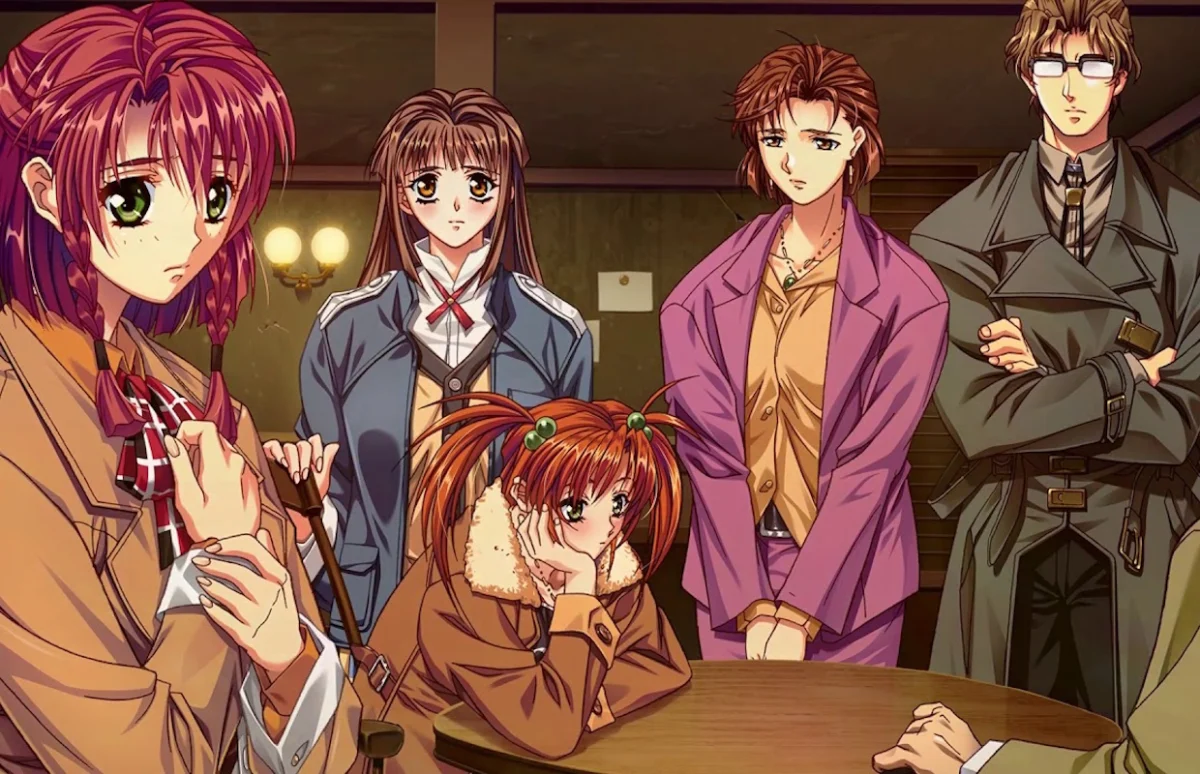
Welcome to the latest installment of the Tetracast, RPG Site’s flagship weekly podcast. In this comprehensive episode, our panel of industry experts dives deep into the shifting tides of the gaming landscape, exploring everything from niche Japanese adventure titles to the concerning trend of industry-wide departures from physical media distribution.
This week’s episode features the seasoned voices of Josh Torres, Adam Vitale, Mikhail Madnani, and Chao Min Wu. Together, they unpack the headlines defining the current RPG zeitgeist, balancing excitement for upcoming titles with a sober look at the corporate decisions threatening the preservation of our interactive history.
The Main Facts: What Defines the Modern RPG Landscape
The RPG genre is currently in a state of rapid evolution. As development cycles grow longer and production costs balloon, publishers are increasingly forced to balance artistic ambition with the harsh realities of the current retail market.
In this episode, the Tetracast team turns its attention toward Doukoku Soshite, a title that highlights the enduring appeal of the Japanese adventure game market. These games, often characterized by intricate narrative webs and localized cultural sensibilities, remain a cornerstone of the RPG ecosystem. However, as the conversation shifts toward industry-wide infrastructure, the panel pivots to the looming crisis of media accessibility.
The most critical development discussed this week is the mounting pressure on the physical format. With industry giants signaling a pivot away from physical discs and the systematic shuttering of legacy online storefronts, the accessibility of digital-only libraries is coming under intense scrutiny. The panel analyzes what this means for the average consumer, the dedicated collector, and the long-term health of the hobby.
Chronology: A Trajectory Toward Digital Dominance
To understand where we are, we must look at the timeline of the digital transition.
- The Digital Proliferation (2010–2015): The rise of Steam, PlayStation Network, and Xbox Live transformed digital distribution from a niche convenience to a primary delivery method. During this era, physical media remained the standard, but the "Day One Patch" began to erode the "complete on disc" philosophy.
- The Subscription Model Expansion (2016–2020): Services like Xbox Game Pass and PlayStation Plus introduced the "Netflix-ification" of gaming. While beneficial for accessibility, it shifted consumer perception: users were now renting access rather than owning software.
- The Infrastructure Pullback (2021–Present): Sony’s recent and ongoing decisions to wind down specific physical manufacturing channels and sunset older digital storefronts represent a new, more aggressive phase. The industry is no longer just encouraging digital sales; it is actively decommissioning the legacy hardware and physical infrastructure that supported the past two decades of gaming.
Supporting Data: The Cost of Disconnection
The debate surrounding physical media is not merely a matter of nostalgia; it is a matter of hard data and economic security.
- Market Share Shifts: Current industry reports indicate that digital sales have eclipsed physical sales across all major console platforms by a significant margin. For many publishers, the overhead of manufacturing, shipping, and retail logistics for discs simply no longer yields the margins required for AAA development.
- The "Sunset" Problem: According to recent research from the Video Game History Foundation, approximately 87% of classic video games are "critically endangered" because they are no longer commercially available. When a storefront closes or a server is shut down, software that isn’t preserved on physical media or via open-source emulation risks total disappearance.
- Production Costs: The cost of manufacturing 4K Blu-ray discs has risen alongside raw material scarcity, providing a convenient economic justification for publishers to embrace a digital-only future.
Official Responses and Corporate Strategy
The narrative provided by platform holders—most notably Sony—is one of "efficiency and user experience." The official stance often emphasizes that digital storefronts allow for instantaneous updates, cross-platform play, and a seamless ecosystem where users can carry their libraries across generations.
However, the "implication of silence" from these corporations is equally telling. When pressed on the topic of game preservation or the longevity of digital purchases, most major publishers offer boilerplate responses regarding the "evolution of the industry." There is a distinct lack of commitment to long-term ownership rights. The panel on this week’s Tetracast highlights that corporations view games increasingly as a service rather than a product, a distinction that fundamentally changes the nature of the consumer contract.
Implications: The Future of RPGs and Preservation
What does this mean for the RPG fan? Role-playing games are, by their nature, long-form experiences that rely on deep immersion and archival value. Many fans view their collections as libraries to be revisited years—or even decades—later.
The Erosion of Ownership
The most immediate implication is the loss of consumer agency. When you purchase a digital game, you are essentially purchasing a revocable license. If a publisher pulls a game due to licensing issues (such as expiring music rights or studio insolvency), the game can vanish from your library, regardless of your purchase history.
The Impact on Niche RPGs
Smaller, indie, or localized Japanese RPGs—like the ones discussed in this week’s episode—are the most vulnerable. These titles often lack the massive server infrastructure of a Call of Duty or Fortnite. If the digital storefront hosting them closes, they may disappear forever. Physical releases have historically acted as a "safety net" for these titles, ensuring that at least some copies remain in the wild for future generations to discover.
The Rise of Digital Archival
As the industry moves away from physical media, the burden of preservation is shifting to the consumer. We are seeing a rise in third-party physical publishers—companies that specialize in producing limited-run physical editions for digital-only titles. While this keeps the format alive, it also creates a premium market where preservation is gated behind high costs and artificial scarcity.
Conclusion: How to Stay Informed
The landscape is changing, but the community is more engaged than ever. As we navigate this transition, it is essential to stay informed about the titles we love and the corporate trends that threaten to gatekeep our access to them.
We encourage all our listeners to check out this week’s episode of the Tetracast. Whether you are a long-time RPG aficionado or someone concerned about the future of digital ownership, the discussion offers a vital perspective on the industry’s trajectory.
Listen to the full episode and stay connected:
As we continue to cover the evolving RPG scene, we look forward to hearing your thoughts. The digital shift is inevitable, but how we adapt as a community will determine how much of our history remains accessible to the players of tomorrow. Keep your controllers charged, your libraries backed up, and your eyes on the horizon. Until next time, happy gaming.

