

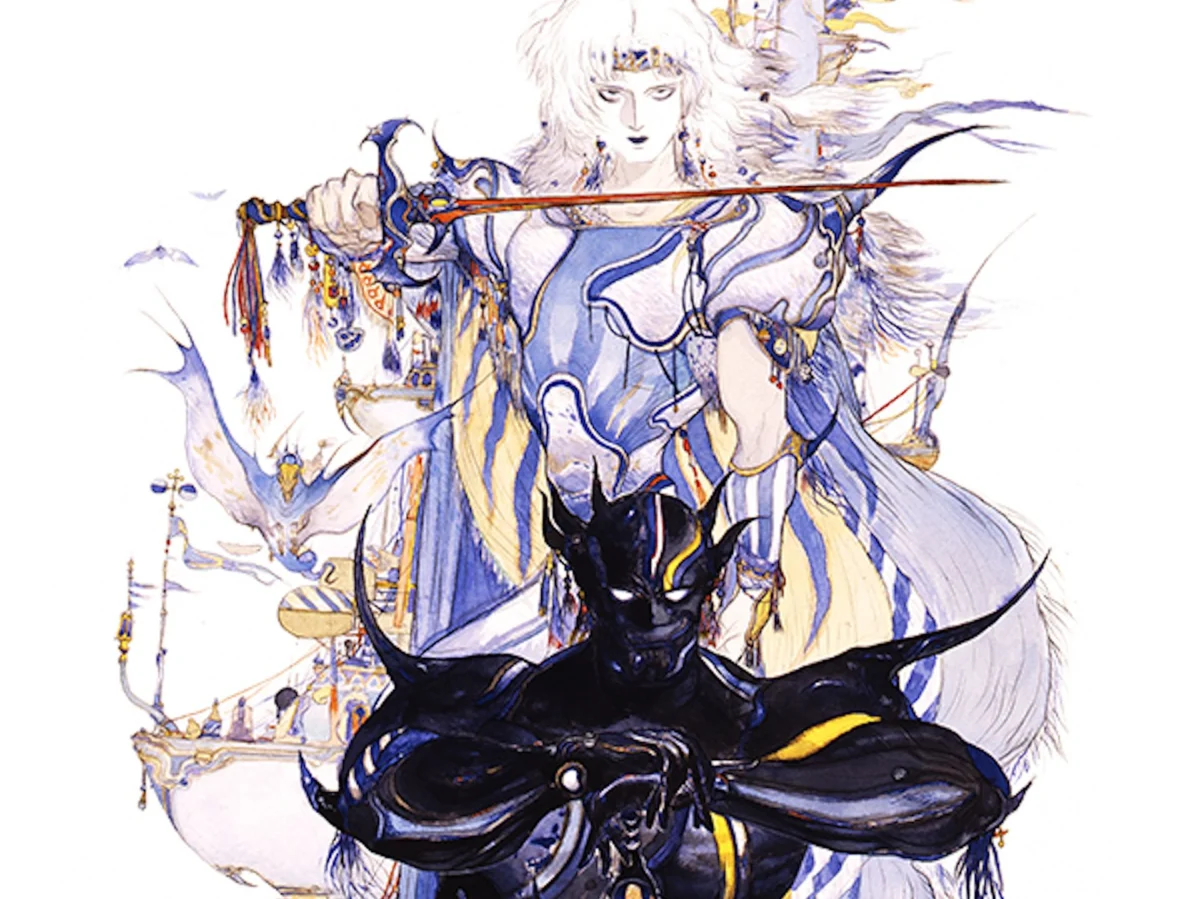
When Final Fantasy IV arrived on the Super Nintendo in 1991, it did more than just introduce 16-bit sprites and a revamped orchestral score. It fundamentally altered the DNA of the Japanese Role-Playing Game (JRPG) genre. While the series had already established itself as a credible competitor to Dragon Quest, Final Fantasy IV marked the moment Square transitioned from making "games with stories" to crafting "narrative experiences where gameplay and character are one."
Decades later, the title remains a masterclass in design, boasting a unique synergy between player capability and narrative stakes—a "unity of concept" that modern developers still struggle to replicate with the same surgical precision.
The Foundations of an Epic: Main Facts and Historical Context
Final Fantasy IV was the first installment of the franchise to grace Nintendo’s 16-bit hardware. For a generation of gamers, it was the first time they experienced a truly cinematic JRPG. The game follows Cecil Harvey, a Dark Knight and Captain of the Red Wings, an elite airship force serving the Kingdom of Baron.
Unlike the blank-slate protagonists of the original Final Fantasy or the somewhat archetypal heroes of the sequels, Cecil was a man burdened by guilt. He begins the game executing the orders of his King—orders that involve slaughtering innocents to seize mystical Crystals. The game’s inciting incident, where Cecil questions his monarch’s morality and is subsequently stripped of his rank, sets the tone for a journey defined by penance rather than mere heroism.
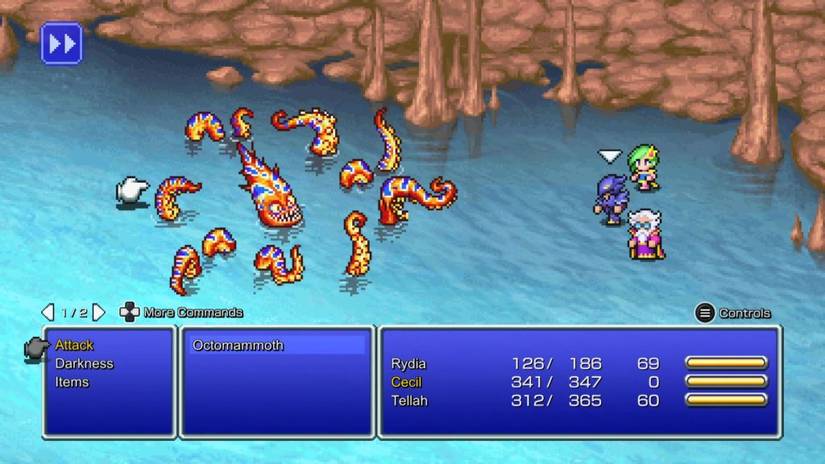
The introduction of the "Active Time Battle" (ATB) system was the technological pillar of this experience. By removing the turn-based stagnation of the past, Square introduced a sense of urgency that mirrored the high-stakes narrative. When the game demanded you fight for your life, the clock—ticking relentlessly—demanded you fight with your wits.
A Chronology of Conflict: The Arc of Redemption
The narrative structure of Final Fantasy IV is surprisingly mature for its era, focusing heavily on the weight of one’s past.

- The Fall from Grace: The opening act forces the player to participate in the destruction of Mysidia. This serves as a critical narrative anchor; the player is complicit in the atrocities of the antagonist.
- The Path of the Paladin: Cecil’s journey to Mount Ordeals to shed his Dark Knight mantle for the light of a Paladin is more than a class change—it is a symbolic shedding of his trauma.
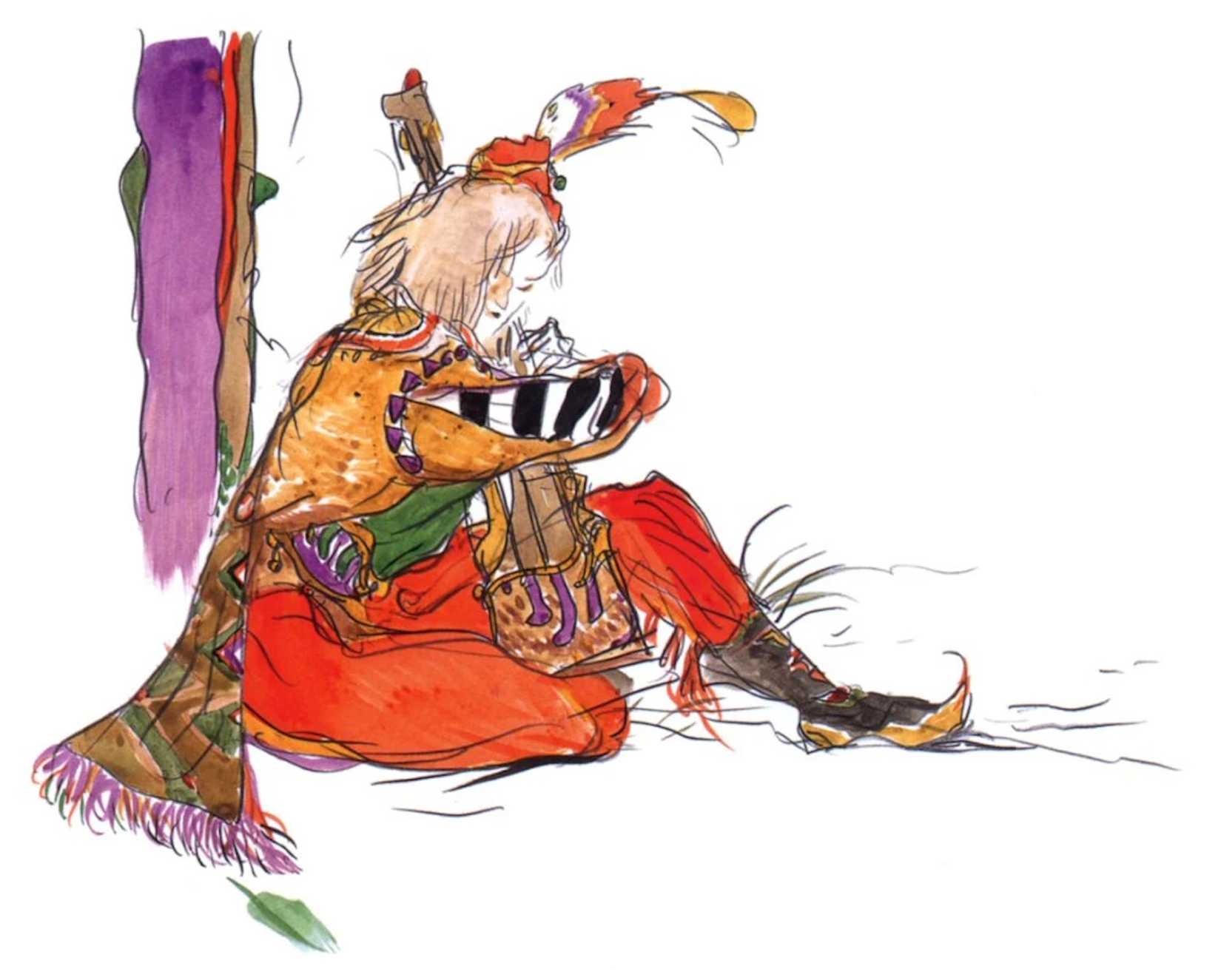
- Confronting Consequences: Throughout the mid-game, the story does not shy away from the aftermath of violence. Characters like Edward, the Bard, must contend with his cowardice, while the elderly sage Tellah is driven by a singular, consuming quest for vengeance.
- The Cosmic Climax: By the time the story shifts to the Moon, the scale has expanded to encompass the fate of multiple worlds, yet the focus remains tethered to the personal growth of the core cast.
Unlike many modern titles that allow for moral "redemption arcs" to be bypassed by dialogue choices, Final Fantasy IV forces its characters to live with their choices. The towns you destroy stay destroyed; the friends you lose stay lost. This uncompromising vision is what separates the game’s narrative from its contemporaries.
The Marriage of Mechanics and Personality
The most profound achievement of Final Fantasy IV is the inseparable bond between a character’s "job" and their internal identity. In many later RPGs, and even in some modern Final Fantasy titles, characters are often "empty vessels" whose abilities can be customized or swapped via equipment or skill trees.
In FFIV, if a character is a White Mage, they are a healer because of their faith and their role in the party’s moral center. If a character is a Dragoon, their reliance on "Jump" is a reflection of their airborne, militaristic background. The game refuses to let you homogenize the party.
Why This Matters for Modern Design
In an era where "Build Diversity" often leads to "Character Homogenization," Final Fantasy IV stands as a reminder of the power of limitation. By forcing the player to adapt to the fixed abilities of their party members, the game ensures that the player understands the character through their actions in battle. You do not just read about Rosa’s devotion to Cecil; you rely on her healing magic every single turn to keep the party alive. Her mechanical function is a direct extension of her narrative role.
Institutional Perspectives: The Legacy of Square’s Philosophy
While Square Enix has moved toward more action-oriented titles like Final Fantasy XVI, industry critics often point to the "lost art" of FFIV’s character design. In interviews reflecting on the series’ evolution, developers have often cited the difficulty of balancing "player agency" with "narrative direction."
The common consensus among RPG scholars is that while modern games offer more freedom, they often lose the "intimacy" of the 16-bit era. When every character can do everything, no character feels like they have a specific purpose. Final Fantasy IV avoided this by making every member of the party essential to the tactical puzzle. Even the tragic figures who leave the party permanently leave a void in the player’s strategy that is felt as keenly as the void in the story.
Implications for Future Role-Playing Games
What can contemporary developers learn from this 1991 classic? The implications are three-fold:
- Fixed Roles Create Deep Attachment: When players are forced to utilize a character for their specific, unchangeable strengths, they develop a more profound relationship with that character’s identity.
- The "Guilt" Factor: Modern games often fear making the player feel "bad" or "wrong." Final Fantasy IV thrived by making the player feel the weight of Cecil’s past. A narrative that allows for genuine moral failing, rather than just "bad dialogue choices," is far more resonant.
- Mechanical Storytelling: The lesson of FFIV is that the UI and the combat loop are not separate from the plot. If the mechanics of the game are telling the same story as the script, the immersion is total.
Conclusion
Final Fantasy IV is more than a relic of the 16-bit era; it is a blueprint for narrative cohesion. It proved that a game could be both a high-fantasy space opera and an intimate character study. As the series continues to innovate with cutting-edge graphics and expansive open worlds, it would do well to look back at the simple, crystalline logic of its fourth entry.
In a world where RPGs are increasingly defined by how much "content" they can pack into a map, Final Fantasy IV serves as a timeless reminder that the most important element of any story is not the size of the world, but the strength of the characters who inhabit it. For Cecil and his companions, the journey was never about the crystals—it was about the man he had to become to protect them. And for the player, the journey was about realizing that in the best games, every button press is a part of the story.

