

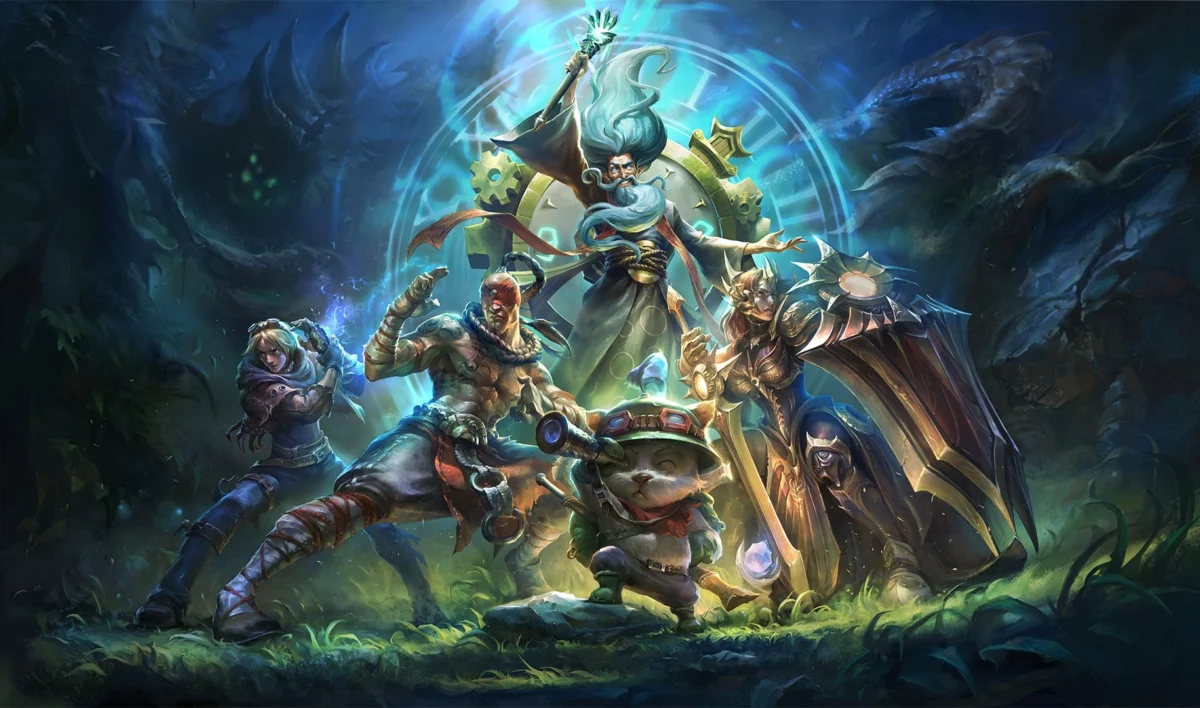
For nearly two decades, League of Legends has stood as the titan of the MOBA genre. Since its modest inception in 2009, the game has evolved from a niche title born in the “Phreak’s basement” era into a global cultural phenomenon. On July 29, 2026, Riot Games is set to pull the curtain back on a project that has lived in the dreams of veteran players for years: League of Legends Classic.
This isn’t merely a nostalgic re-skin; it is a fundamental shift in how one of the world’s most popular games will operate moving forward. By blending the raw, unrefined charm of the early seasons with modern development technology and community-driven governance, Riot is attempting to bridge the gap between the game’s chaotic past and its highly polished present.
The Core Concept: Why Now?
The announcement of League of Legends Classic comes at a pivotal time for the MOBA industry. As modern League has become faster, more visually complex, and highly balanced, a significant segment of the player base has expressed a yearning for the "slower" days.

"I first started playing back in 2010, just a little bit before the start of Season 1," says Paul Bellezza, Executive Producer of League of Legends. "It was the best of times, and yet the worst of times."
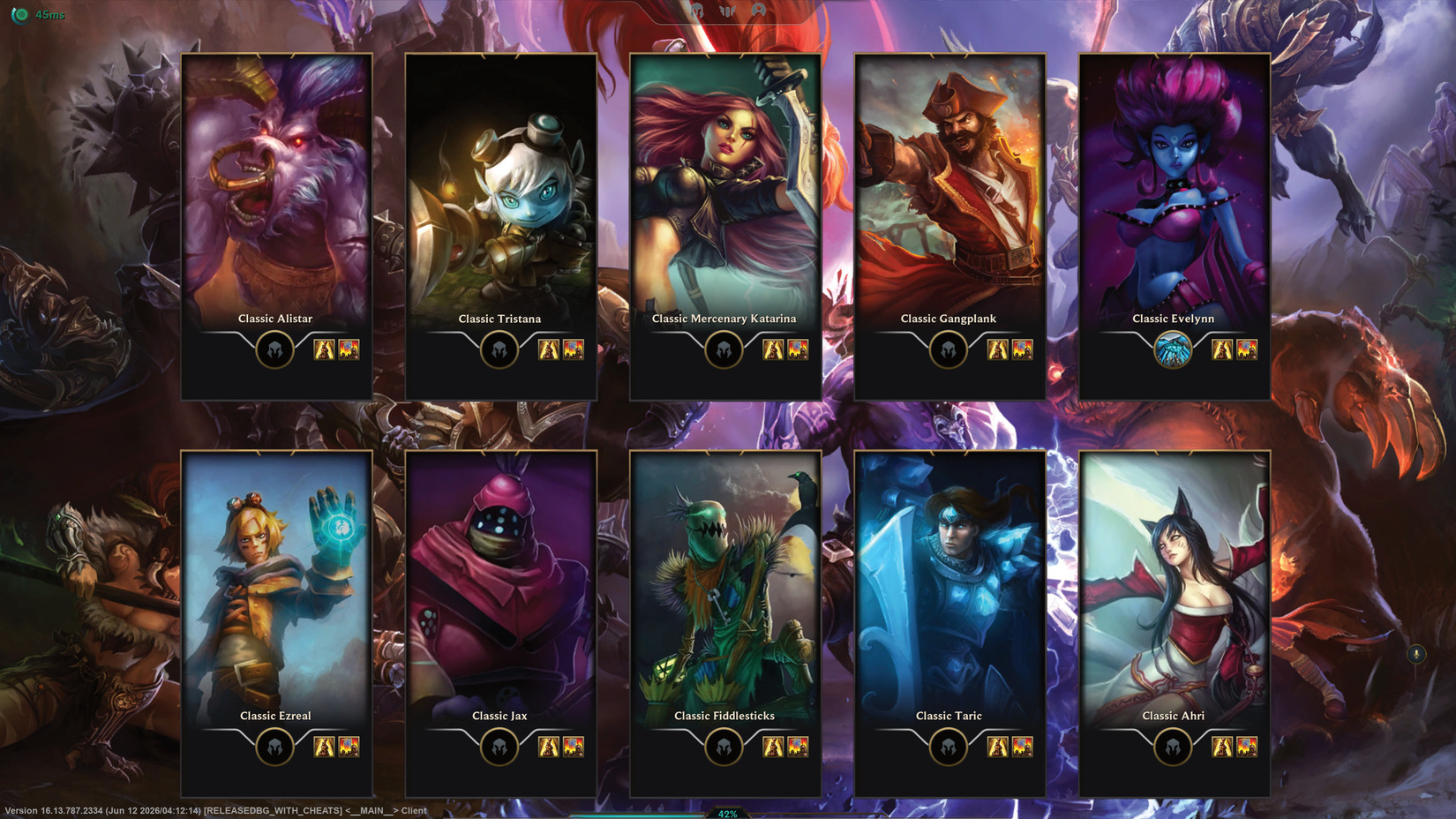
The goal of Classic is to recapture the simplicity of the early era—the brief ability descriptions, the lower visual clutter, and the deliberate, slower pacing—without the game-breaking bugs that once defined the experience. For veteran players, it is a chance to revisit the era of the "invisible" Evelynn stacking Sunfire Capes or the sheer terror of a release-day Xin Zhao. For newer players, it serves as a living museum, offering a window into the evolution of the genre.
A Chronology of the Classic Experience
The launch on July 29 will feature the original 40 champions, augmented by an additional 20 hand-selected champions deemed "emblematic" of the early years.

The Selection Process
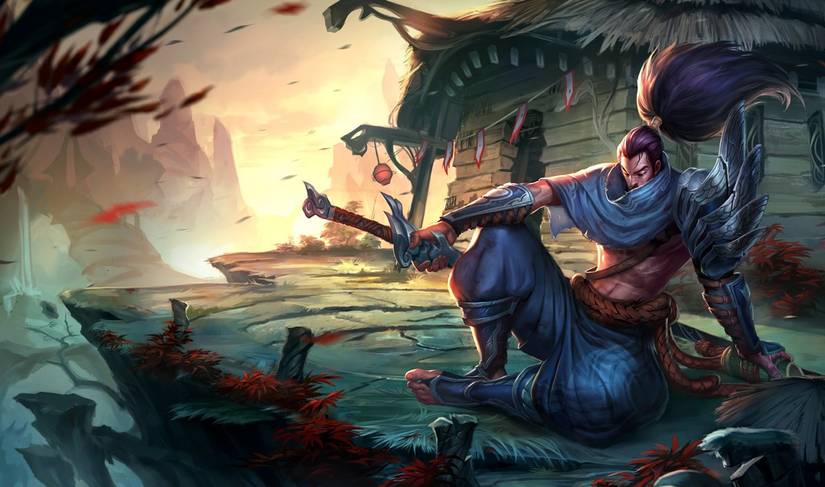
The selection of these 20 extra champions was a collaborative, almost sentimental process for the Riot team. According to Bellezza, the criteria were rooted in the feeling of the era. The team intentionally avoided modern staples like Yasuo, Yone, or Yuumi, drawing a hard line at the end of 2013.
"Whalen Rozelle… was like, ‘I just want AD Akali,’" Bellezza recalls. "It was just talking to people and the team making an educated guess: ‘Here are the ones I think are emblematic of the feeling of that time.’"
The Future Roadmap
Unlike the static nature of some classic servers in other games, League of Legends Classic is designed to be an evolving ecosystem. The development team has confirmed that the game will not remain frozen in time. Instead, it will be guided by a community voting system. Players who invest significant time into Classic will be granted weighting in surveys that dictate which champions are added next, how the meta is tuned, and potentially which items are reintroduced.
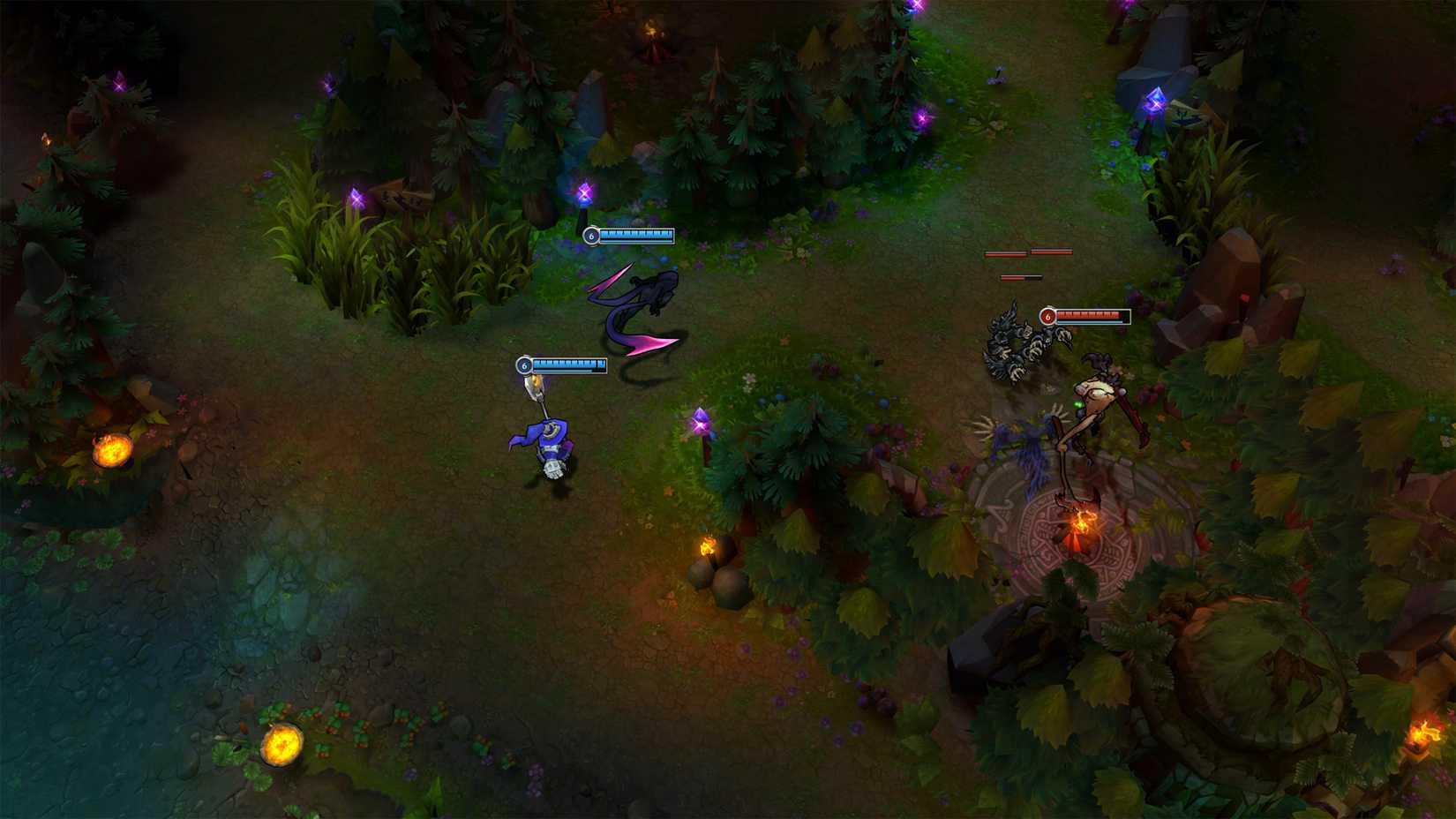
Data and Mechanics: The "Broken" Balance
One of the most pressing questions for the community is how Riot will handle the inherent imbalance of early-era League. In the past, champions were released in states that were often deemed "broken" by today’s standards.
When asked if these champions would remain in their original, overpowered states, Bellezza emphasized a balanced approach: "We want to create the space for those memories to happen again, but then again, we’ll balance accordingly. We’ve learned a lot about how to get to the spirit of it while making it viable."
The game’s balance is currently in the hands of seasoned veterans like game director FeralPony and designer David Turley (Phreak). By leveraging modern internal tools, the team can isolate the "fun" factor of a champion’s old kit while preventing the game from devolving into a completely unplayable state.
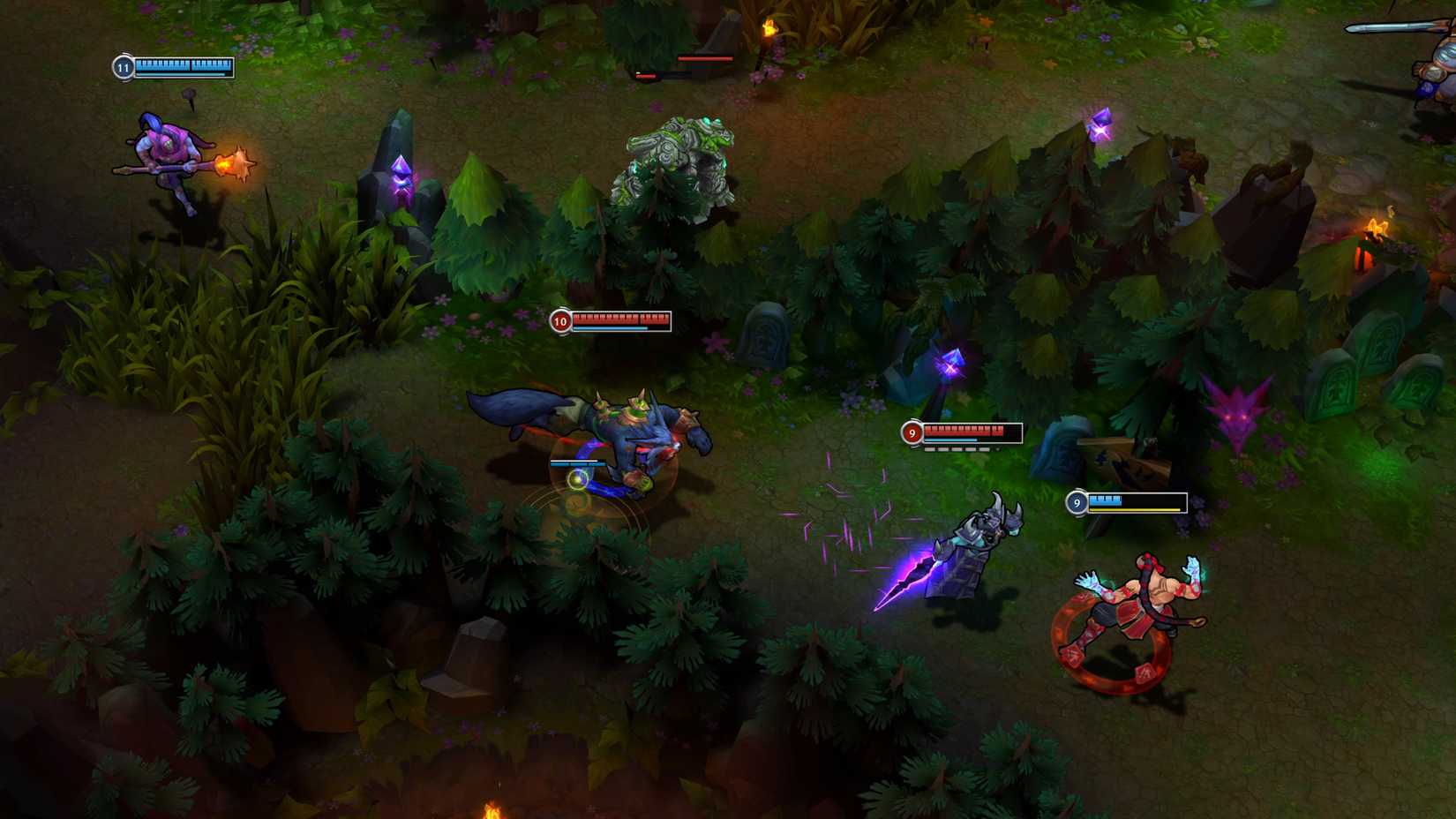
Community Governance: The OSRS Model?
The comparison to Old School RuneScape is inevitable, and Riot is clearly watching the model closely. In OSRS, the community vote is the heartbeat of the game, often resulting in content that never existed in the original version.
Could League of Legends Classic follow suit? Bellezza remains open-minded. "We’re not spiritually opposed," he notes. "If players ask for it, we could see a Classic-specific champion or item. That’s kind of the fun of it all."
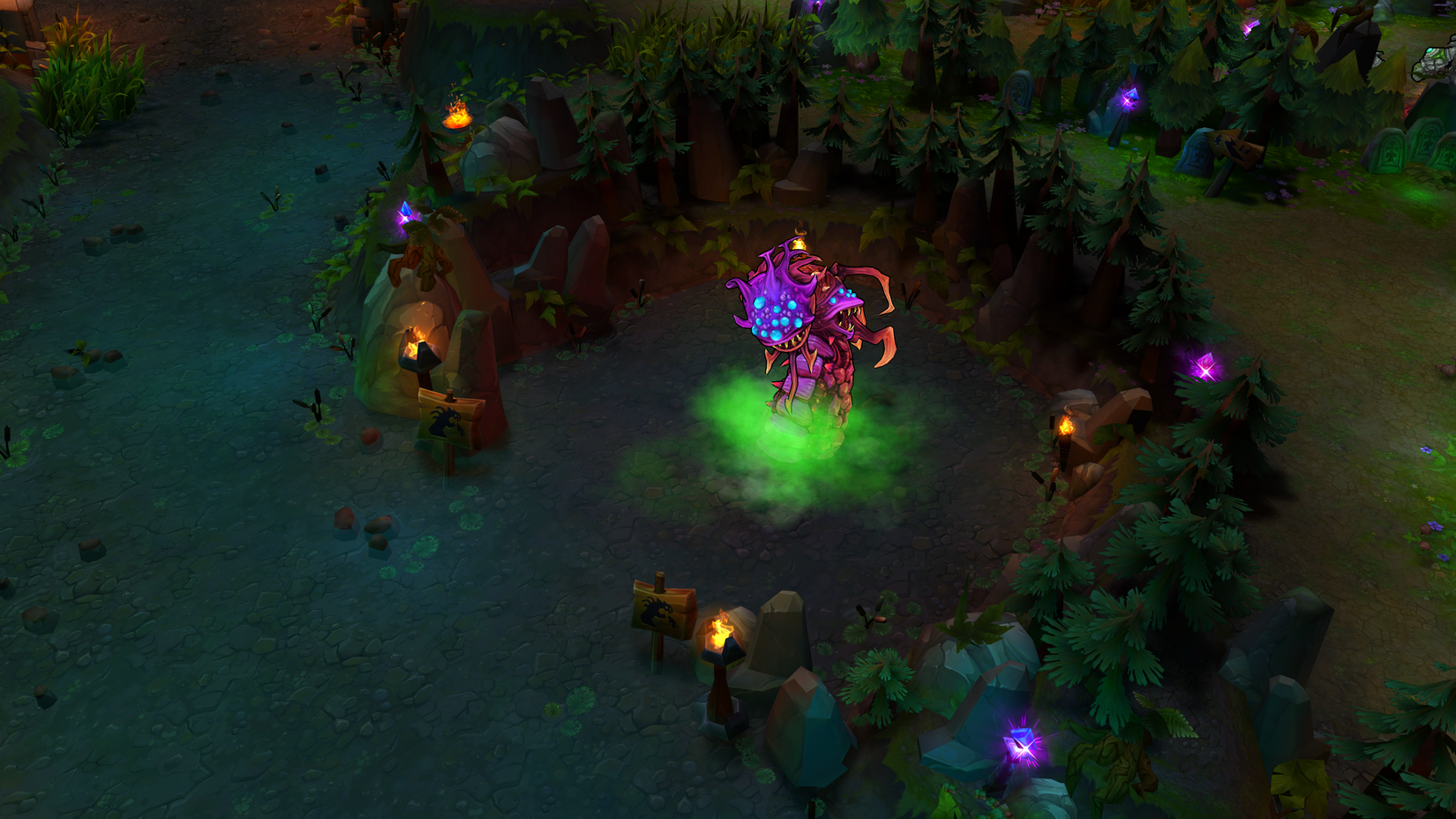
This experimental approach extends to game modes as well. While the launch will focus strictly on the classic iteration of Summoner’s Rift, the team has teased an "ARAM Mayhem" event featuring modern kits with Classic-inspired augments. This suggests that while the base game stays rooted in history, the Classic platform itself may become a playground for experimental design.
Implications for the Future of League
The introduction of League of Legends Classic represents a massive shift in how Riot Games views its intellectual property. It is no longer just a live-service game that must constantly move forward; it is now a historical archive that can be curated and re-played.
The "Faker" Paradox
A fascinating implication of this launch is how modern players will interact with the old meta. Today’s players are vastly more skilled and knowledgeable than the player base of 2010. If you drop a modern, high-mechanics player into a 2010-era match, will they simply dominate, or will the game’s inherent limitations act as a equalizer?
"It’s like going back to your teenage self with the knowledge today," Bellezza muses. "It’s an incredibly interesting game experiment. There are not a lot of games that have been able to have this kind of opportunity."
Global Perspectives
Riot acknowledges that the "Classic" experience means different things to different regions. A player in Korea, where the competitive scene was historically intense and fast-paced, will likely have a very different definition of "the good old days" than a player in Brazil or Europe. By allowing the global community to vote, Riot is effectively crowd-sourcing the identity of the game, ensuring that the "Classic" experience is a reflection of the collective memory of the entire world, not just a single region’s nostalgia.
The Road Ahead
As the July 29 release date approaches, the excitement is palpable. However, the success of the project will ultimately hinge on the balance between "authentic nostalgia" and "playable longevity." If the game is too punishing or too broken, it will lose its novelty. If it is too polished, it will lose its identity.
Riot seems aware of this tightrope walk. By explicitly stating that ranked modes will be held back until the player base asks for them, and by focusing on a slow, curated rollout of champions, they are signaling a desire to listen first and act second.
"It’s truly this opportunity to co-create where it could go," says Bellezza. "We’re prepared to support it and we’ll evolve it with everybody together."
Whether League of Legends Classic becomes a permanent pillar of the League ecosystem or a limited-time experimental window into the past, one thing is certain: the future of the game is now, for the first time, in the hands of the players. The Rift is waiting, and this time, we get to decide how it looks.

