

The gaming industry is often defined by the tension between artistic vision and commercial viability. For years, Rocksteady Studios stood as the gold standard of this balance, crafting the critically acclaimed Batman: Arkham series. However, the recent, well-documented collapse of Suicide Squad: Kill the Justice League—a title that resulted in a $200 million write-off for Warner Bros. Games—has revealed a much darker reality. Beyond the headlines of layoffs and fiscal losses lies a story of creative exhaustion and the systemic erosion of developer morale.
New insights from two of the project’s key leads, associate design lead Johnny Armstrong and game director Axel Rydby, offer a haunting look at the seven-year development cycle that pushed them to the brink of leaving the industry entirely. Their testimonies serve as a microcosm for a broader crisis in AAA game development, where the relentless pursuit of live-service metrics has begun to cannibalize the very talent required to build the games in the first place.
A Chronology of a "Catastrophic" Development
The development of Suicide Squad: Kill the Justice League was not a singular event of failure, but a slow, iterative degradation of creative intent. When production began, the project was envisioned as a continuation of Rocksteady’s pedigree—a polished, narrative-driven experience. However, as the months turned into years, the industry’s shift toward the "Games as a Service" (GaaS) model began to exert pressure from the top down.
According to reports, the project suffered from repeated delays that ballooned production costs, creating a desperate need to "recoup" investment. This forced a pivot in focus: the development team was no longer asked, "Is this fun?" but rather, "How many players can we reach with this feature?" and "How can we twist this design into something more replayable?"
By the end of the seven-year cycle, the atmosphere within the studio had shifted from one of collaboration to one of corporate mandate. The game, originally conceived as a creative passion project, had been stretched and contorted to fit the requirements of a recurring revenue engine—a transformation that left its creators feeling like they were no longer developers, but mere spreadsheet managers.
The Human Cost: Disillusionment and "Coming Apart"
The psychological toll on the development team is perhaps the most sobering aspect of the Suicide Squad failure. Axel Rydby, in a candid interview with Bloomberg, described the moment he realized he was losing his way. "I was following a spreadsheet, some elusive marketing-analysis spreadsheet that no one could present clearly," Rydby explained. "I kind of felt like this isn’t the gaming industry I wanted to work in."
This sentiment of "spreadsheet-driven development" is not unique to Rocksteady, but it was amplified by the sheer scale of the Suicide Squad project. For Johnny Armstrong, the blowback following the game’s lackluster release felt personal. The exhaustion of the seven-year slog, combined with the public and critical rejection of the final product, led to a profound state of burnout.
"I felt everything drained from me," Armstrong told Bloomberg. "I said, ‘I can’t do this again. I don’t know if I’m done with the industry, but I’m done.’ I could feel myself coming apart at the seams."
This "coming apart" is a common, if rarely discussed, byproduct of the AAA crunch culture. When the creative process is stripped of its agency and replaced by the mechanical requirements of live-service retention—such as daily login bonuses, grinding mechanics, and engagement loops—the developer’s connection to the final product is severed.
Supporting Data: The Ripple Effects of Failure
The failure of Suicide Squad was not merely a matter of bad reviews; its impact rippled across the entirety of Warner Bros. Interactive Entertainment. The $200 million write-off initiated a series of structural consequences:
- Workforce Reductions: Rocksteady, once seen as a bastion of stability, underwent multiple rounds of layoffs, including significant cuts to their Quality Assurance (QA) department.
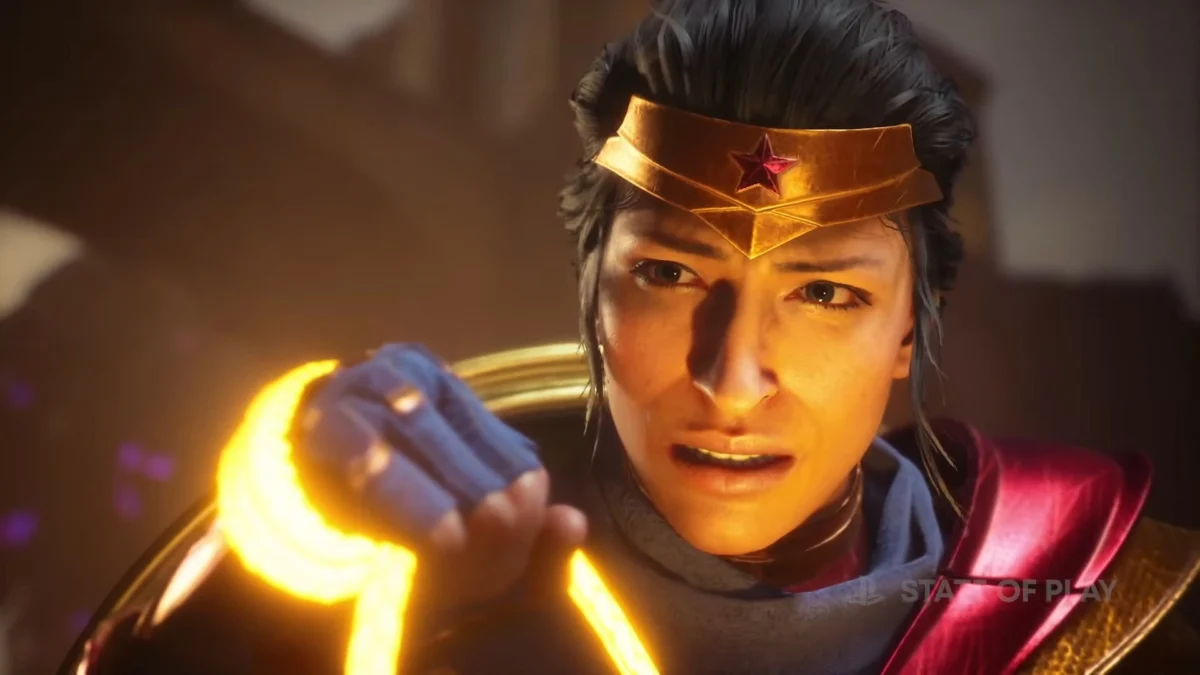
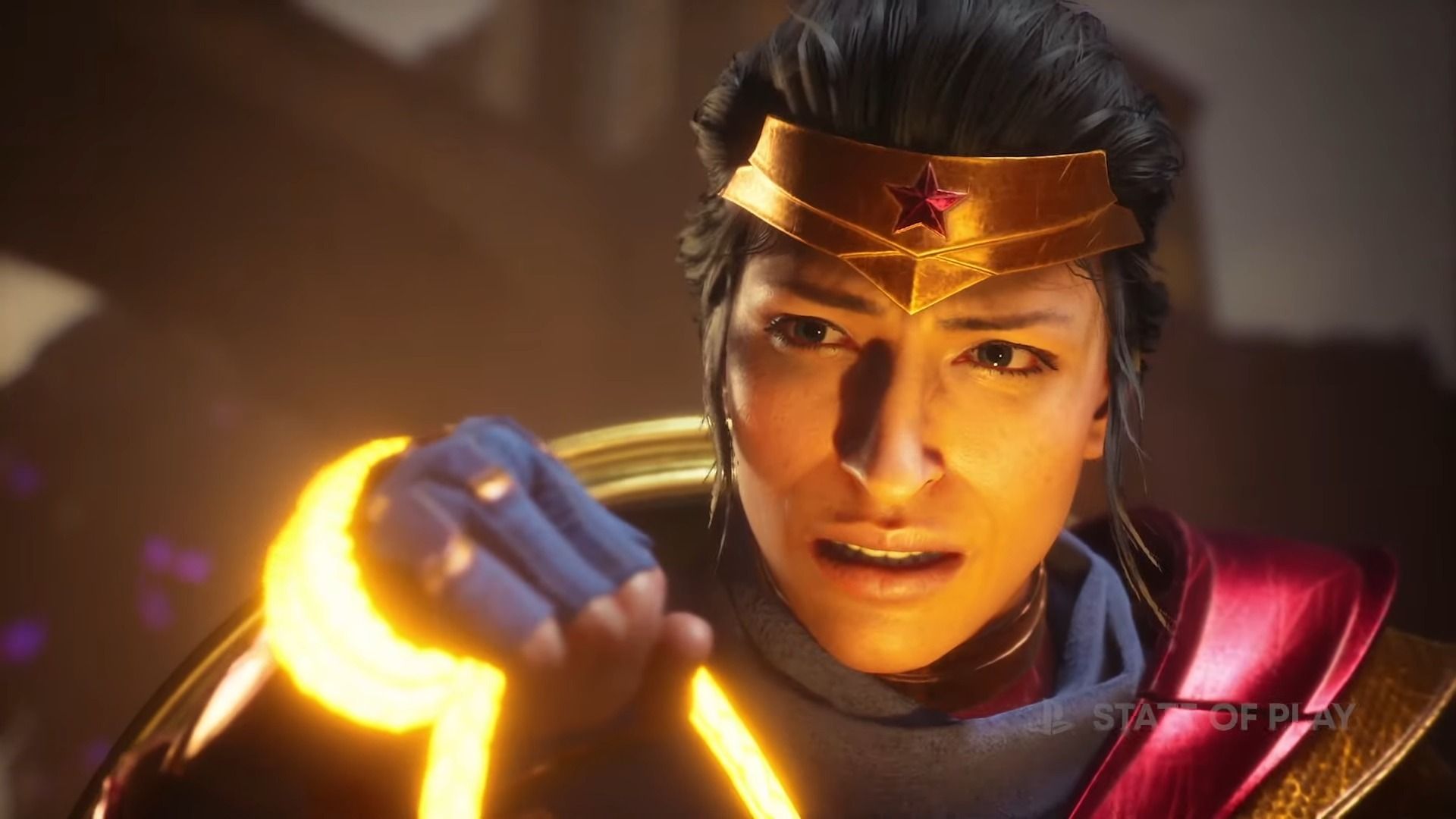
- Strategic Cancellation: The financial fallout was so severe that it reportedly contributed to the internal decision to cancel other high-profile projects, most notably Monolith Productions’ Wonder Woman game.
- Loss of Institutional Knowledge: With talents like Armstrong and Rydby departing the studio, Rocksteady has lost key individuals who understood the "secret sauce" that made the Arkham games legendary.
This data paints a grim picture for the publisher. When a studio attempts to "de-risk" a project by injecting it with trends—such as loot boxes, battle passes, or service-oriented mechanics—they often end up creating a product that lacks the cohesive identity necessary to succeed in a crowded market.
The Shift to Independent Horizons
In a twist of irony, both Armstrong and Rydby have found their path back to game development through the indie scene. The two are currently collaborating on Secret of Circadia, a retro-inspired deckbuilder RPG. While the project’s Kickstarter funding goal of $11,382 is a far cry from the hundreds of millions required for a AAA blockbuster, the atmosphere surrounding the project is fundamentally different.
For Rydby, the transition to indie development has been a form of therapy. It has allowed him to rediscover the "why" behind his career. However, he remains vocal about the state of the industry he left behind. "I think as an industry we are severely losing our way," Rydby warns. "It used to be passion projects that you loved and hoped other people loved too. When they did, it was such an amazing feeling. It became less and less of that. It became: ‘Let’s hope it sells. Let’s hope we get money from it.’"
The success of Secret of Circadia—or even its failure—is less important than the shift in methodology. By focusing on smaller, sustainable goals, these developers are attempting to reclaim the joy of creation, proving that passion is the one resource that cannot be manufactured by a marketing-analysis spreadsheet.
Implications: A Call to Re-evaluate the AAA Model
The ordeal at Rocksteady acts as a cautionary tale for the entire industry. As publishers look to the next fiscal quarter, the temptation to force every IP into a live-service framework remains high. However, the Suicide Squad case suggests that this strategy is not only financially risky but potentially destructive to the human capital that defines the industry.
If major publishers continue to prioritize "replayability" metrics over coherent game design, they risk a "brain drain" of the industry’s most creative minds. When the people responsible for building the world’s most beloved franchises no longer feel a connection to their work, the quality of those games will inevitably suffer.
Furthermore, the cancellation of other high-profile titles suggests that the failure of one "mega-game" can trigger a domino effect, potentially stifling innovation across an entire corporate portfolio. Instead of fostering a variety of experiences, the industry is increasingly funneled into a cycle of "all or nothing" gambles that leave little room for failure—and even less for artistic risk.
Ultimately, the story of Suicide Squad: Kill the Justice League is a reminder that a game is not just a product to be sold; it is a manifestation of years of human labor, creativity, and sacrifice. When that sacrifice is ignored in favor of the bottom line, the result is not just a failed game, but a fractured studio and a disillusioned workforce. As the industry looks to the future, it must decide whether it wants to continue chasing the spreadsheet, or if it is time to return to the passion that made gaming a cultural phenomenon in the first place.

