

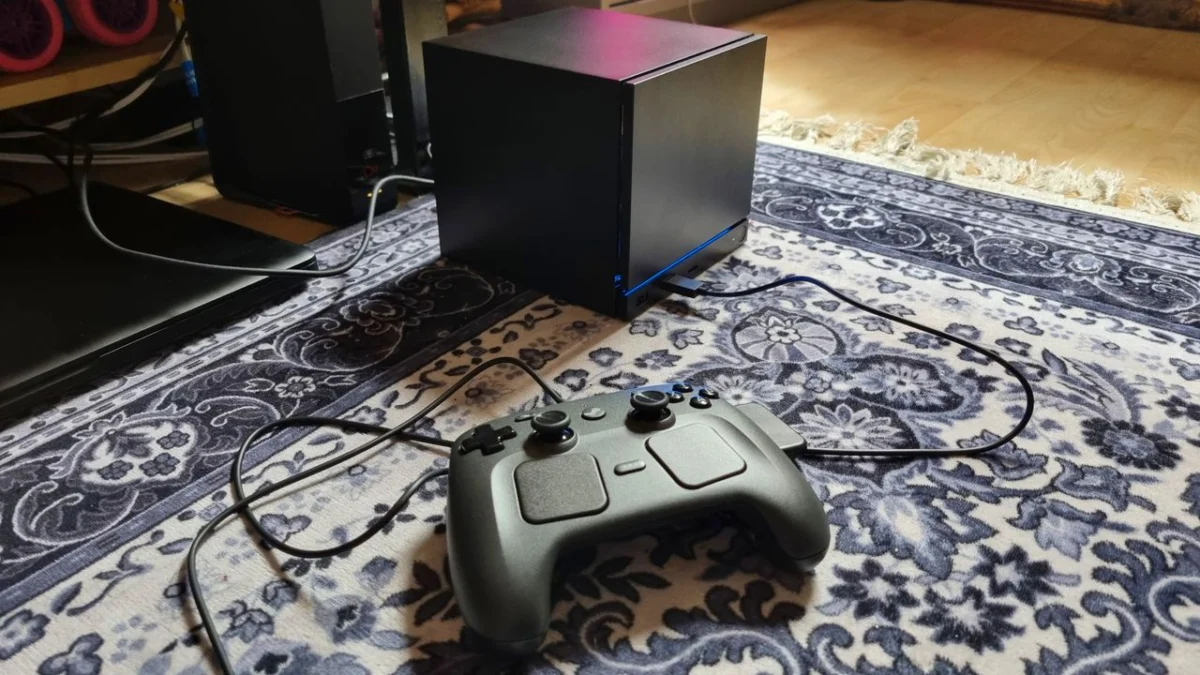
Hardware development is rarely a straight line; it is a series of interconnected experiments, iterative failures, and lessons learned. For Valve, the journey toward defining the "perfect" gaming experience has been a decade-long odyssey. Today, as the company cements its position in the hardware market, it is clear that the modern Steam Machine—the living room console-style PC—would not exist in its current form without the monumental success and the hard-won lessons of the Steam Deck.
In a recent, exclusive discussion with Valve engineers Yazan Aldehayyat and Pierre-Loup Griffais, the conversation turned to the symbiotic relationship between these two platforms. When asked if the ongoing refinement of the Steam Deck meant there was less "heavy lifting" required for the Steam Machine, the answer was an emphatic, "Oh, for sure, yeah."
The Iterative Philosophy: From Handheld to Console
The development of the Steam Machine required Valve to pivot significantly from the mobile-first architecture of the Steam Deck. While the core philosophy of "SteamOS everywhere" remained constant, the physical requirements shifted dramatically.
"The Steam Machine required a lot of focus on specific aspects we didn’t have to worry about for the Steam Deck," Pierre-Loup explained. "Things like discrete GPU management, complex VRAM allocation, and the nuances of ray tracing performance—all this stuff."
However, beneath the hood, the DNA of both devices is nearly identical. Pierre-Loup noted that roughly 99% of the foundational architecture—the software stack, the user interface, and the backend communication with the Steam client—had already been perfected during the development and post-launch support of the Steam Deck. By the time the Steam Machine hit the drawing board, Valve wasn’t building from scratch; they were refining an ecosystem that had already been battle-tested by millions of handheld users.
Proven Use-Cases and the "Docked" Revolution
One of the most fascinating revelations from the Valve engineers is how the community effectively "prototyped" the Steam Machine for them. Before the Steam Machine was a dedicated product, thousands of users were already using their Steam Decks in a docked configuration, turning their handhelds into makeshift living room consoles.
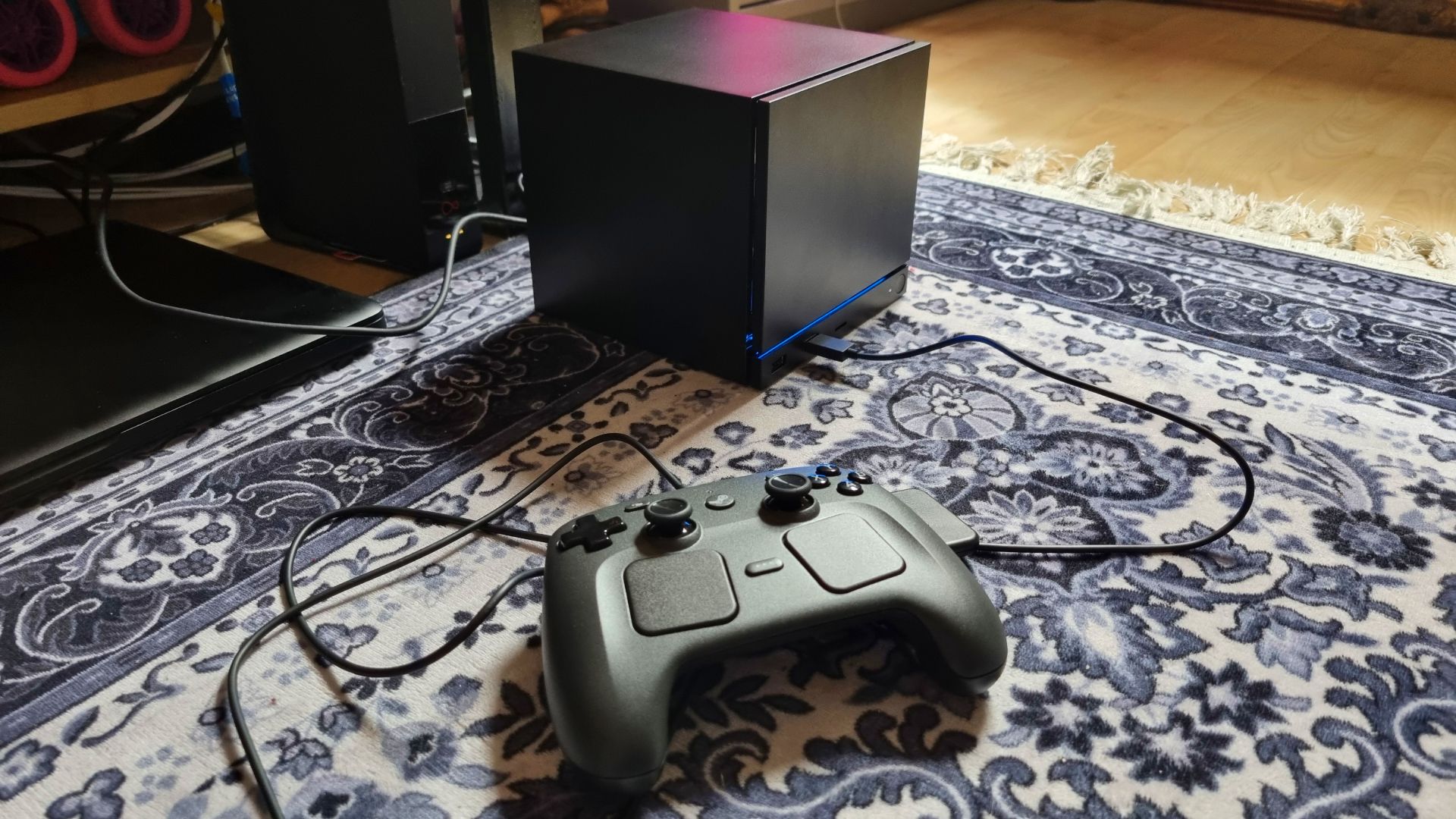
Yazan Aldehayyat pointed out that this user behavior provided a compelling, real-world proof of concept. "People were already using their Steam Decks docked to their TVs, and they were having a great experience without us doing any specific work," he said. "In some ways, the viability of the Steam Machine was proven before we even started working on it. The demand for a dedicated, stationary version of that experience was already clear."
A Chronology of Growing Pains: Learning the Hard Way
It is important to remember that the current polish of the Steam ecosystem did not happen overnight. The 2022 debut of the Steam Deck was met with critical acclaim, but the launch itself was fraught with the standard "teething troubles" of new hardware.
1. The Supply Chain Crucible
The initial launch was hampered by significant stock issues. Global chip shortages and logistical nightmares meant that many eager customers had to wait months to get their hands on a device. Valve used this time to iron out manufacturing processes, a process that proved vital when the time came to scale production for the Steam Machine.
2. Resolving Hardware and Software Kinks
The early days of the Steam Deck saw several high-profile complaints that served as a masterclass in rapid iteration for Valve:
- Acoustic Issues: The "whiny fan" complaint led to rapid revisions in cooling design and software-based fan curves.
- Input Reliability: When reports of software-induced stick drift emerged, Valve didn’t just ignore it; they pushed out sophisticated software calibration tools that effectively rendered the issue a non-factor for most users.
- The Docking Experience: Early users reported bugs with the official dock, including FreeSync instability and HDMI handshake issues. These were systematically addressed through firmware updates, turning a once-buggy accessory into a reliable centerpiece for the living room.
These experiences created a "muscle memory" for the engineering team. Every fix applied to the Steam Deck was essentially a deposit into a bank of knowledge that the Steam Machine now draws from.
The "RAMpocalypse" and Economic Realities
While the technological foundation is sound, the road ahead is not without obstacles. The global semiconductor industry remains volatile, and Valve has been candid about the challenges of hardware pricing.
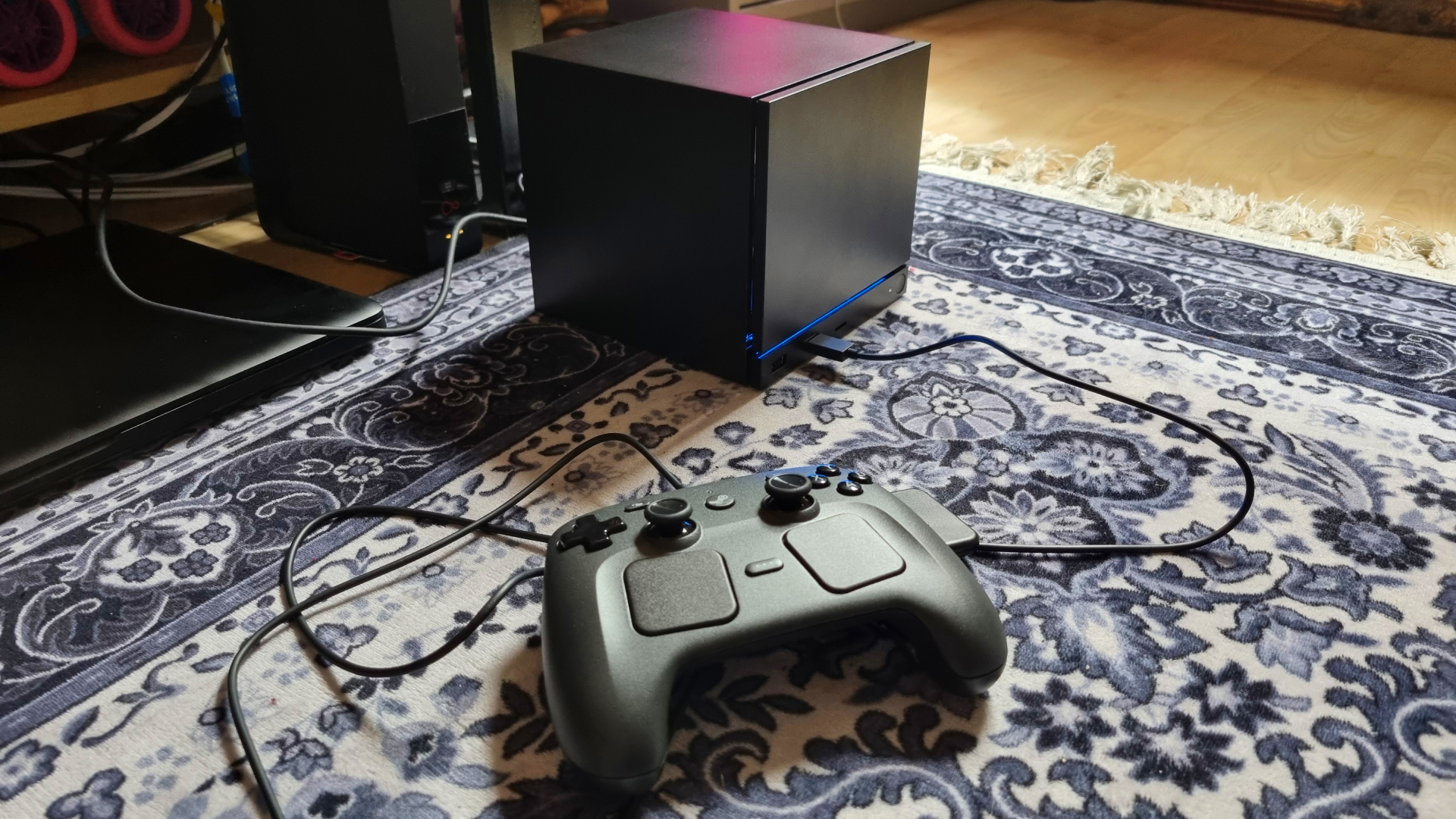
At the beginning of 2026, the company admitted that internal projections were dire, with serious uncertainty regarding whether they would even have enough units to sell at launch. The "memory supply crisis"—or as some in the industry have dubbed it, the "RAMpocalypse"—has had a chilling effect on the cost of gaming hardware.
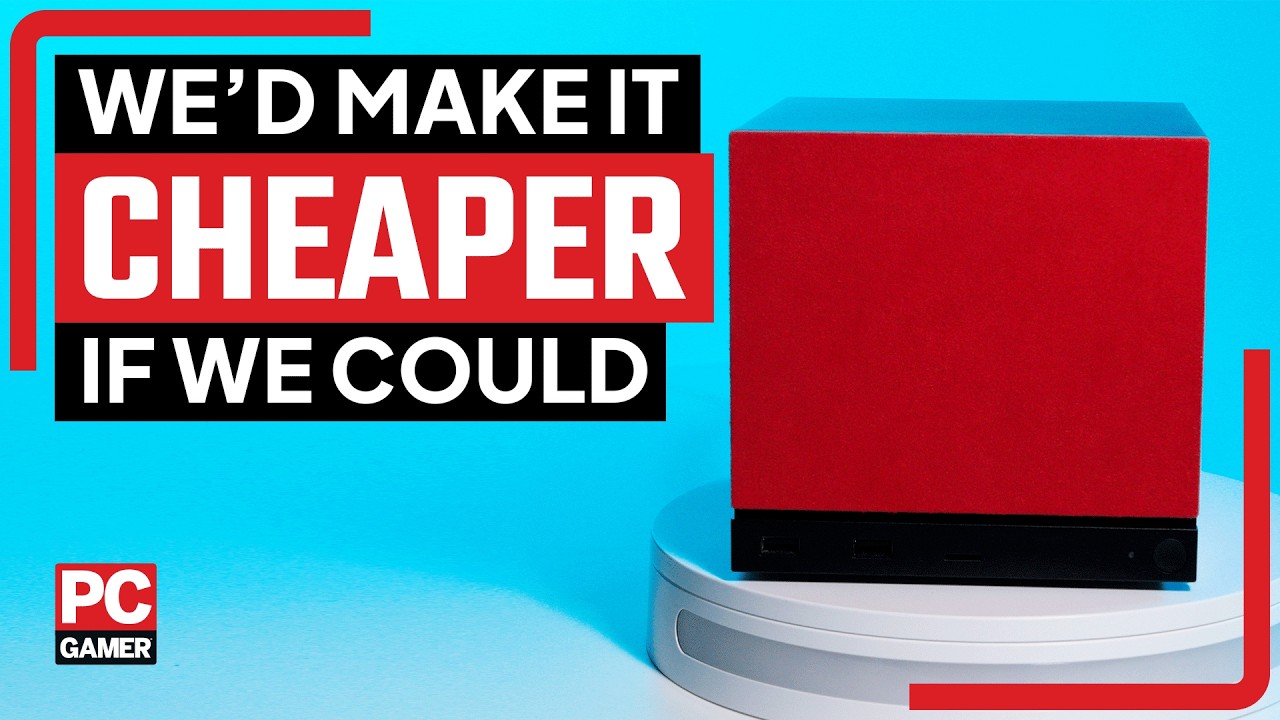
When asked what they would change about the current Steam Machine if they had the chance, the engineers’ answer was unanimous: "Make it cheaper." Currently, the high cost of high-bandwidth memory and high-end silicon makes creating an affordable entry-level unit a difficult balancing act. With current market forecasts suggesting that memory prices may not stabilize until 2028, Valve is navigating a precarious economic landscape.
Official Stance: The Future of Iteration
Valve’s approach to hardware is distinctly different from the traditional console cycle. Rather than announcing a rigid 7-year plan, they view their hardware as a fluid, ongoing project.
Pierre-Loup highlighted this philosophy, noting that the Steam Machine won’t necessarily follow the long, static lifecycle of a typical home console. "We tend to want to work like that—incremental steps that always add up," he said. "When we worked on Steam Input and the original Steam Controller, we were solving the same problems we eventually tackled with the Steam Deck. We just keep adding a little bit to it every time."
This "constant evolution" model suggests that while we shouldn’t hold our breath for a "Steam Machine 2" in the immediate future, new models will arrive as soon as the market and technological advancements make it sensible.
Implications for the Gaming Industry
What does this mean for the average gamer? First, it signals that Valve is deeply committed to the PC-as-a-console model. By treating the Steam Machine as a direct evolution of the Steam Deck, they are ensuring that software compatibility is nearly perfect. A game that runs on a Deck will almost certainly run on a Steam Machine, providing a seamless transition between mobile and living room play.
Second, the slow-and-steady approach to hardware releases suggests that Valve is less interested in "winning" a console war and more interested in creating a standardized ecosystem. By avoiding the rush to release hardware that isn’t ready—or that is priced out of reach—they are playing the long game.
Conclusion: The "Evergreen" Strategy
The Steam Machine is not a reinvention of the wheel; it is the natural culmination of a decade of lessons. From the early, ambitious, and ultimately flawed Steam Machines of the mid-2010s to the refined, software-driven success of the Steam Deck, Valve has finally found a rhythm that works.
As we look toward the latter half of the decade, the combination of a matured SteamOS, a massive library of verified games, and a clear roadmap for hardware iteration positions Valve as a dominant, albeit patient, player in the hardware space. While the "RAMpocalypse" may delay the next big leap, the foundation is set. Valve isn’t just selling hardware; they are building an infrastructure that, one increment at a time, is changing the way we play in the living room.

