

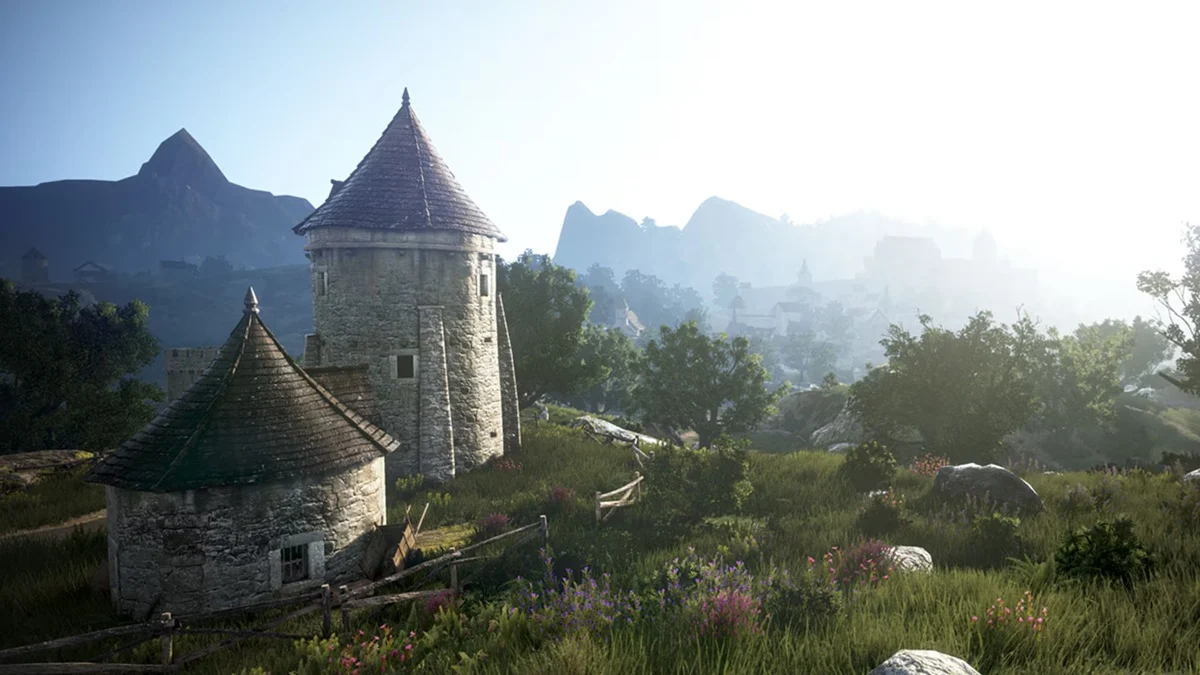
The Sony Interactive Entertainment ecosystem is currently navigating a significant shift in its service delivery model. As of today, the final three PlayStation 5 titles slated for the June 2026 PlayStation Plus Extra and Premium catalog have officially begun their rollout. This release marks the conclusion of the month’s content injection, featuring a diverse trio of titles: the 2025 open-world action RPG Black Desert, the atmospheric Blades of Fire, and the highly anticipated Farming Simulator 25.
However, the arrival of these games has been overshadowed by Sony’s controversial decision to reinstate a "staggered" release schedule for its subscription tiers. While subscribers in Japan, the United Kingdom, and the United States are gaining access to these titles today, the fragmented nature of this launch has reignited long-standing debates regarding the value proposition of the Extra and Premium tiers.
Main Facts: The Final June 2026 Additions
The June 2026 catalog update serves as a critical milestone for Sony’s mid-year service strategy. The three titles completing the month’s rotation are significant entries for the platform:
- Black Desert (2025 Edition): An expansive open-world massively multiplayer online role-playing game (MMORPG) that has undergone a comprehensive overhaul for the mid-2020s. Its inclusion in the Extra tier is a major draw for players seeking hundreds of hours of high-fidelity combat and exploration.
- Blades of Fire: A focused, high-octane action title that emphasizes tight combat mechanics and environmental storytelling, offering a stark contrast to the sprawling nature of Black Desert.
- Farming Simulator 25: The latest iteration of the globally successful simulation franchise, bringing updated agricultural technology and refined gameplay loops to the PlayStation 5, catering to the platform’s substantial "cozy gaming" demographic.
These titles are available for download starting today, though the specific time of availability is tied to the PlayStation Store’s localized refresh cycle, typically occurring at noon local time in the respective regions.
Chronology: The Evolution of the Staggered Rollout
The history of the PlayStation Plus rollout schedule is one of trial, error, and recurring friction between the corporation and its user base.
Early 2025: The Initial Experimentation
In early 2025, Sony first signaled a departure from its global simultaneous release model. The company began testing staggered releases—where games would appear in Asian markets hours or days before Western markets—to alleviate server load and manage digital storefront traffic during peak demand periods.
Late 2025: The Temporary Cessation
Following a significant public outcry in the North American and European markets, Sony appeared to abandon the practice. For several months, the PlayStation Plus catalog saw simultaneous global releases, a move that was largely praised for providing a sense of community and equality among the service’s millions of subscribers.
June 2026: The Reintroduction
The return of the staggered schedule this month caught many by surprise. On June 17, 2026, Sony confirmed that it would resume the practice for Japan, the UK, and the USA. The reasoning provided—centered on technical infrastructure management—has done little to quell the dissatisfaction of users who feel that the "Premium" nature of their subscription should entitle them to parity with other regions.
Supporting Data: Subscription Metrics and Consumer Sentiment
The PlayStation Plus Extra and Premium tiers rely heavily on the perceived "freshness" of the catalog. According to market research from mid-2026, the primary driver for subscriber retention in the upper tiers is the frequency and quality of "day-one" or "recent release" additions.
- The "Wait Time" Penalty: Data indicates that when users in the USA or UK are forced to wait for titles already playable in Japan, engagement metrics on social media platforms and community forums (such as Reddit and ResetEra) show a measurable spike in negative sentiment.
- Store Traffic Management: From a technical perspective, Sony’s backend architecture faces immense stress when millions of users attempt to access a major, high-profile game simultaneously. By staggering the rollout, Sony has successfully reduced the occurrence of "404 Errors" and checkout timeouts on the PlayStation Store.
- Subscriber Growth: Despite the complaints regarding rollout schedules, Sony’s quarterly reports show that the Extra and Premium tiers continue to grow. This suggests that while the staggered rollout is a point of contention, the overall library quality remains high enough to sustain long-term commitment from the player base.
Official Responses and Corporate Strategy
Sony Interactive Entertainment has maintained a relatively guarded stance regarding the return of the staggered rollout. In a brief statement issued on June 17, a spokesperson for the company noted:
"We are committed to delivering the best possible experience for our PlayStation Plus members. By optimizing the distribution of our catalog updates, we ensure that our infrastructure remains stable and that every player, regardless of their location, can access their new games without service interruptions or connectivity issues."
Industry analysts interpret this as a cost-saving measure that prioritizes server stability over the "global event" marketing strategy. While the company has not explicitly promised to end this practice, it has acknowledged that they are monitoring community feedback to determine if the technical benefits outweigh the potential brand damage.
Implications: What This Means for the Future of PS Plus
The return of staggered releases has profound implications for the future of subscription-based gaming on consoles.
The Erosion of "Global Parity"
The concept of a global gaming community is fundamentally challenged when release dates are partitioned by geography. If Sony continues to normalize this behavior, it risks creating a "tiered" experience where certain regions are viewed as secondary, potentially leading to churn in the UK and USA markets.
The Rise of Service Transparency
The backlash in June 2026 highlights the need for greater transparency from platform holders. Subscribers are increasingly demanding a clear, public roadmap for when games will hit their specific storefronts. Without a unified calendar, the "surprise" element of new game additions is quickly replaced by anxiety and confusion.
Competitive Pressure
Competitors such as Xbox Game Pass have historically managed simultaneous global releases, utilizing advanced cloud infrastructure to handle the traffic spikes that Sony claims to be mitigating. If Sony’s staggered approach continues to frustrate its user base, they may find themselves at a competitive disadvantage against rivals who prioritize accessibility and parity.
Conclusion: A Delicate Balance
As we look toward the remainder of 2026, the situation with PlayStation Plus represents a classic corporate dilemma: the balance between technical stability and consumer satisfaction. The final June 2026 additions of Black Desert, Blades of Fire, and Farming Simulator 25 are, in isolation, excellent additions that demonstrate the value of the Premium and Extra tiers. However, the delivery mechanism has become as important as the content itself.
For Sony, the challenge moving forward will be to find a way to maintain the stability of their digital storefront without alienating a global audience that expects instantaneous access to the services they pay for. Whether the staggered rollout remains a permanent fixture or is once again phased out will depend on the subscriber retention data gathered in the coming months.
For now, players in Japan, the UK, and the USA should check their local PlayStation Store as the noon rollout completes, ensuring they have the necessary bandwidth to begin downloading their new titles. As the industry moves further into the second half of 2026, the hope remains that Sony will prioritize a more unified experience, recognizing that the strength of the PlayStation brand lies in its ability to bring gamers together—not keep them waiting.

