

CUPERTINO, CA / WASHINGTON D.C. – In a dramatic shift signaling the intensifying global component crisis, tech behemoth Apple Inc. has reportedly embarked on an unprecedented lobbying effort in Washington, D.C. The company, known for its meticulously managed supply chains and premium pricing, is seeking official clearance from the U.S. government to procure Dynamic Random Access Memory (DRAM) from Changxin Memory Technologies (CXMT), a Chinese chipmaker designated by the Pentagon as a "Chinese military company." This move comes just days after Apple, for the first time in recent memory, was forced to raise prices on a range of its flagship products, including MacBooks and iPads, attributing the increases directly to the escalating costs of memory and storage components.
The revelation, initially reported by the Financial Times, underscores the severe pressure facing even the world’s largest corporations as the semiconductor industry grapples with a perfect storm of unprecedented demand, geopolitical restrictions, and a concentrated supply base. Apple’s decision to consider a Chinese supplier, despite the inherent political and reputational risks, highlights the depth of the challenge and the strategic calculus now at play in boardrooms and government corridors alike.
The Core of the Crisis: Escalating Memory Costs and Apple’s Response
The ongoing component crisis, exacerbated by the insatiable demand from the burgeoning artificial intelligence (AI) sector, has created a volatile market for critical components like RAM and storage. Historically, Apple has leveraged its immense purchasing power and long-term contracts to shield consumers from such fluctuations, maintaining relatively stable pricing and robust profit margins on memory and storage upgrades across its product lines. However, the current environment has proven too formidable, even for the Cupertino giant.
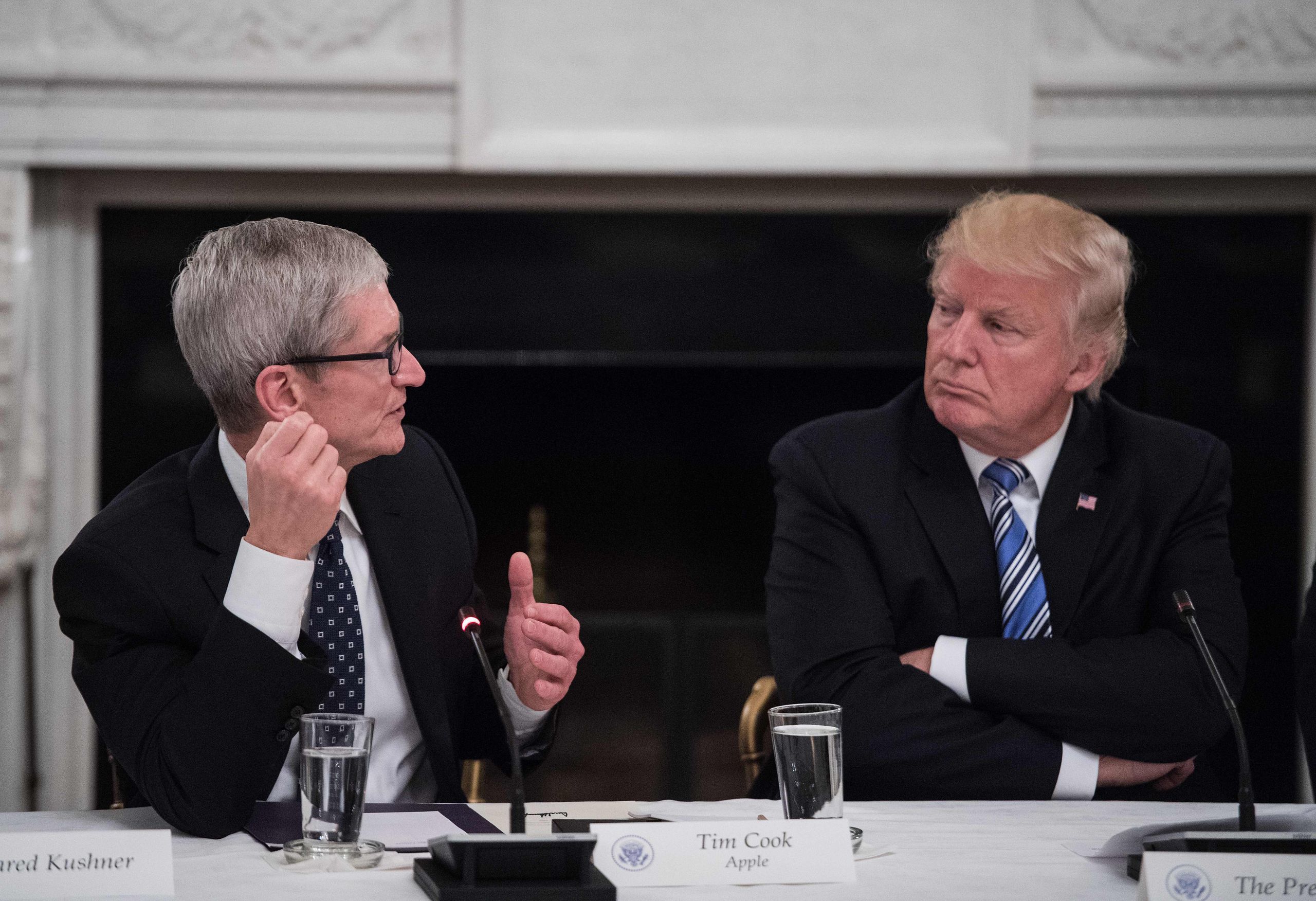
Yesterday, Apple announced significant price increases across a fleet of its products. The most striking example cited was a staggering $400 hike on the cheapest MacBook Pro, pushing its entry price to $1,999. Similar adjustments were made to other Mac models and iPads, signaling an end to Apple’s ability to absorb the escalating costs of crucial components. Tim Cook, Apple’s CEO, in an uncharacteristic admission, reportedly stated he had "never seen anything like this in his 40+ year stint," describing the market conditions as a "hundred-year flood" that could no longer be dammed. This candid acknowledgment from a leader known for his calm demeanor and operational expertise speaks volumes about the severity of the situation. The immediate market reaction was stark: Apple’s market capitalization plummeted by $265 billion on the day of the announcement, reflecting investor concerns over profitability and future growth prospects.
A Chronology of Escalation: From Supply Chain Woes to Geopolitical Chess
The current predicament is the culmination of several overlapping trends and events:
The Genesis of the Component Crisis (2020-2022)
The initial phase of the crisis began with the COVID-19 pandemic, which disrupted global supply chains, closed factories, and led to an unexpected surge in demand for personal electronics as remote work and learning became widespread. This created a significant imbalance between supply and demand for various semiconductor components, including memory chips.
The Rise of AI and the "RAMpocalypse" (2023-Present)
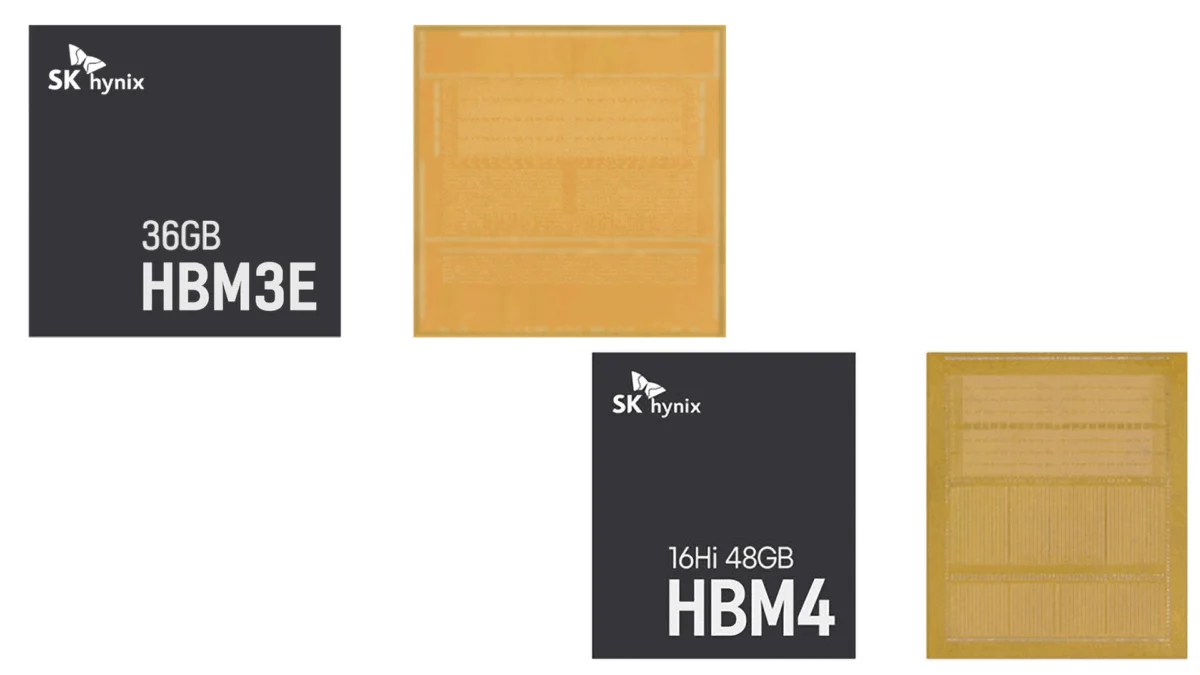
While initial supply chain disruptions were starting to ease, the explosion of generative AI models and large language models (LLMs) in late 2022 and 2023 introduced a new, unprecedented demand driver. Training and running these sophisticated AI systems require vast quantities of high-bandwidth memory (HBM) and conventional DRAM, pushing prices skyward. This phenomenon has been dubbed the "RAMpocalypse" by industry observers, reflecting the sudden and dramatic surge in memory chip prices and the critical shortages impacting various sectors, from consumer electronics to data centers. The existing memory manufacturers, primarily Micron, Samsung, and SK Hynix, shifted focus to the more lucrative HBM market for AI, further tightening the supply of standard DRAM crucial for devices like Macs and iPads.
US-China Tech Decoupling and Sanctions (Ongoing)
Simultaneously, the geopolitical landscape has been increasingly shaped by the technological rivalry between the United States and China. The U.S. government, citing national security concerns, has implemented a series of export controls and restrictions aimed at curbing China’s advancements in critical technologies, particularly semiconductors. This includes the infamous "Entity List," which effectively bans U.S. companies from doing business with certain Chinese firms deemed a threat.
CXMT’s Emergence and US Designation (2022-Present)
Against this backdrop, Changxin Memory Technologies (CXMT) has steadily grown into China’s leading domestic DRAM manufacturer. Its development has been a strategic priority for Beijing, aiming for self-sufficiency in a critical technology dominated by foreign players. However, its rapid progress and alleged acquisition of intellectual property through illicit means (e.g., the conviction of a Samsung engineer for selling trade secrets to CXMT) have drawn scrutiny from Washington. While CXMT is not on the more restrictive "Entity List," it has been placed on the Defense Department’s 1260H list, which designates it as a "Chinese military company." This designation, while not an outright ban, carries significant implications, as doing business with such entities could expose American companies to major reputational damage and potential future restrictions.
Apple’s Price Hikes and Lobbying Efforts (Recent)
Faced with the "RAMpocalypse" and the inability to maintain its historical pricing structure, Apple implemented the aforementioned price hikes. Concurrently, the company initiated its lobbying campaign in Washington, seeking a special dispensation or assurance that would allow it to purchase memory from CXMT without incurring the severe political and reputational backlash associated with the 1260H designation. This marks a critical juncture where economic necessity collides directly with geopolitical strategy.
Supporting Data: The Technical and Financial Realities
The decision by Apple to explore sourcing from CXMT is underpinned by both the dire market conditions and the Chinese firm’s proven capabilities.
The Dominance of the Big Three and CXMT’s Alternative Value
The global DRAM market is effectively an oligopoly, with Micron Technology (U.S.), Samsung Electronics (South Korea), and SK Hynix (South Korea) collectively controlling over 90% of the world’s supply. These industry giants are currently heavily prioritizing the production of high-margin HBM for AI servers, leading to a scarcity and exponential price increase for standard DRAM modules used in consumer devices.
CXMT, on the other hand, is not as deeply entrenched in the AI buildout race. This gives it a unique market position, as it has "no real incentive to chase AI buildouts" in the same way its larger rivals do. Consequently, CXMT can offer DRAM at "much more reasonable prices without compromising performance," presenting a compelling economic argument for companies like Apple struggling with input costs.
CXMT’s Demonstrated Capabilities
Despite U.S. efforts to restrict China’s access to advanced chipmaking technology, CXMT has made significant strides. Late last year, the company showcased production-ready DDR5-8000 and LPDDR5X-10667 modules, demonstrating its ability to manufacture cutting-edge DRAM. These specifications are on par with modern silicon from leading manufacturers, indicating that CXMT is not merely producing outdated or inferior components.
More recently, evidence of CXMT’s entry into the mainstream consumer market surfaced when Corsair Vengeance DDR5 memory kits, manufactured in China, were found to contain CXMT modules. These were 6,000 MT/s CL30 kits, further confirming CXMT’s capacity to produce modern, high-performance DRAM at a scale suitable for a major PC component vendor like Corsair. Furthermore, other prominent original equipment manufacturers (OEMs) such as Dell and HP are reportedly already integrating Chinese-made RAM into systems destined for region-bound markets, signaling a broader industry trend toward diversifying away from the traditional "Big Three."
Apple’s Financial Exposure
The urgency of Apple’s lobbying efforts is underscored by its financial exposure. The $265 billion drop in market capitalization following the price hike announcement is a stark indicator of the market’s sensitivity to Apple’s profitability. While Apple has always maintained comfortable margins, particularly on memory and storage upgrades, the current component crisis threatens to erode these margins significantly. If the company cannot find a cost-effective alternative to the increasingly expensive DRAM from its traditional suppliers, it faces a choice between further price increases (potentially alienating consumers and impacting sales volume) or absorbing higher costs (squeezing its already pressured profit margins).
Official Responses and Geopolitical Standoff
Apple’s attempt to engage with CXMT immediately ran into significant political headwinds in Washington, highlighting the deep chasm between economic interests and national security concerns.
Congressional Opposition
John Moolenaar, the chairman of the influential House China Committee, issued a strong warning against any potential partnership between Apple and CXMT. He explicitly stated that Apple partnering "with a Chinese military company would be a grave mistake." Moolenaar emphasized the critical importance for America to avoid reliance on foreign supply chains for components as vital as DRAM, particularly from an adversarial nation. His stance reflects a bipartisan consensus in Congress regarding the need to decouple critical supply chains from China to protect U.S. national security and economic competitiveness.
Former Officials and Security Experts Weigh In
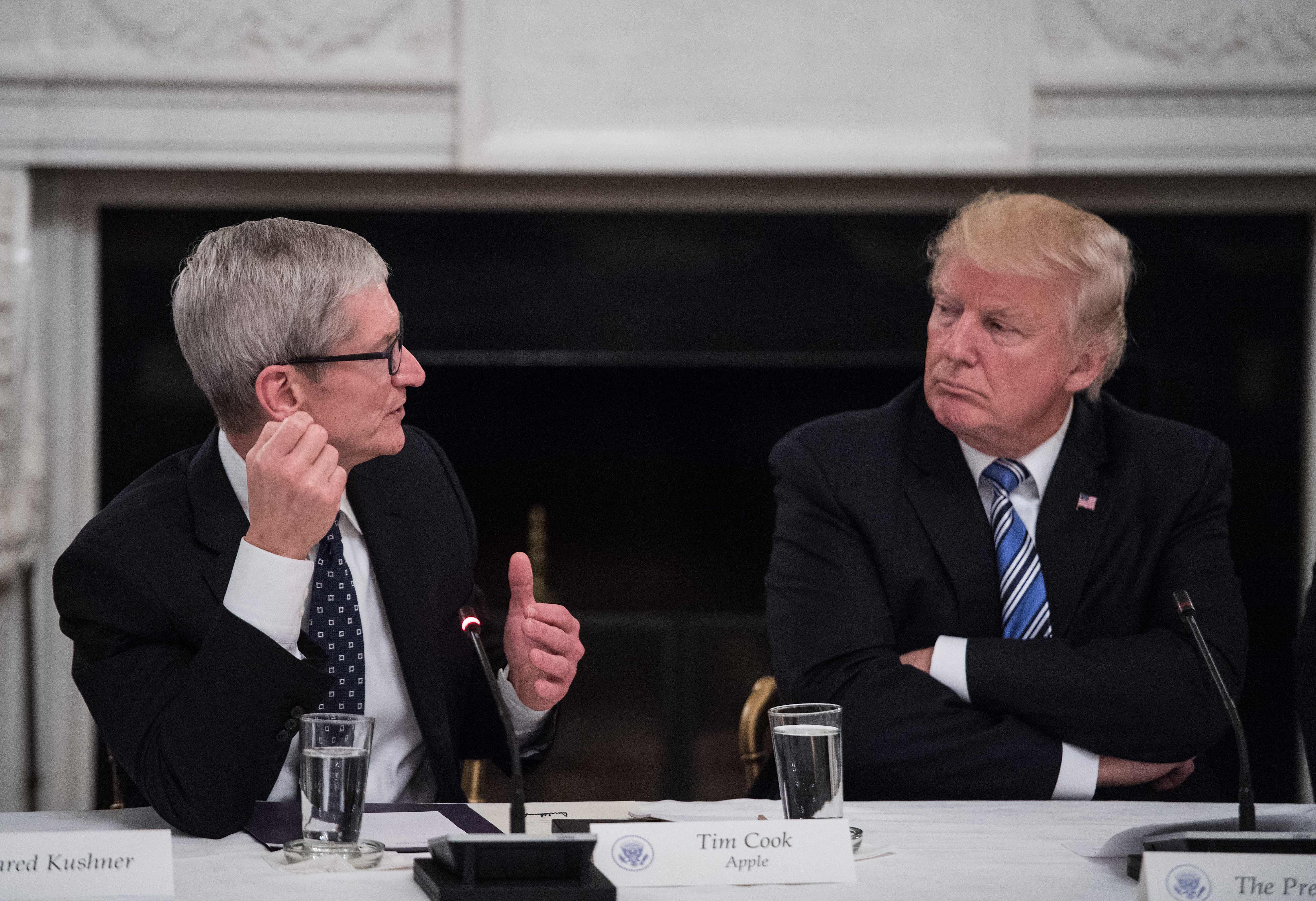
The debate extends beyond Capitol Hill. An unnamed former U.S. official remarked on the broader implications, stating, "Trump can show the courage to keep American memory alive for our security and our competitiveness or pour it down the drain so Tim Cook can squeeze out a few more points of margin." This comment underscores the political tightrope the administration walks, balancing corporate profitability with strategic national interests, especially in an election year.
Another security expert highlighted the perceived inconsistency of the administration’s approach: "It wouldn’t make sense for the administration to fiercely protect critical earths and rare minerals, while suddenly conceding in the AI race (which is the reason behind the RAMpocalypse)." This perspective suggests that allowing Apple to source from a designated Chinese military company for DRAM, a foundational component for AI, would be a strategic misstep that could undermine broader efforts to maintain U.S. technological leadership. The argument posits that if the U.S. is willing to impose stringent controls on other critical resources, it should apply similar rigor to semiconductors, especially those tied to the burgeoning AI industry.
Apple’s Internal Struggle
Tim Cook’s candid admission about the unprecedented nature of the crisis reflects Apple’s internal struggle. The company has historically prided itself on its supply chain resilience and its ability to deliver premium products at premium, yet stable, prices. The forced price hikes and the need to lobby for access to a controversial Chinese supplier represent a significant departure from Apple’s established playbook. It signals a moment of profound vulnerability for a company often seen as invulnerable to market fluctuations.
Implications: A Crossroads for Apple, the US, and Global Tech
Apple’s unprecedented lobbying effort carries profound implications, not just for the company itself, but for the broader U.S.-China tech relationship, the global semiconductor industry, and consumers worldwide.
For Apple: Navigating a Shifting Landscape
For Apple, the immediate implication is a test of its legendary supply chain management and its ability to adapt to a radically altered global economic and political environment. If successful in its lobbying, Apple could secure a crucial, cost-effective source of DRAM, mitigating further price hikes and protecting its profit margins. However, such a move would inevitably come with significant reputational risks. Partnering with a company on the U.S. government’s "Chinese military company" list could draw severe criticism from politicians, human rights groups, and potentially a segment of its own customer base, who might view it as undermining U.S. national security or supporting entities linked to the Chinese military.
The situation also casts a spotlight on Apple’s leadership transition. Tim Cook, often lauded as a "logistics wizard," is slated to hand over the CEO baton to John Ternus in September. Cook’s departure at such a decisive moment, amidst a "hundred-year flood" and a high-stakes lobbying battle, adds another layer of uncertainty to Apple’s strategic direction. Ternus will inherit a company facing not only intense competition and market saturation but also a deeply politicized and volatile supply chain landscape. His ability to navigate these challenges, particularly regarding U.S.-China tech relations, will be critical to Apple’s future success.
For US-China Tech Relations: A Potential Precedent
The outcome of Apple’s lobbying efforts could set a significant precedent for U.S.-China tech relations. If the U.S. government grants Apple an exception to deal with CXMT, it could be seen as a crack in the broader strategy of technological decoupling from China. Critics would argue that it prioritizes corporate profits over national security, potentially emboldening other American companies to seek similar dispensations and weakening the overall resolve to counter China’s technological rise. Conversely, denying Apple’s request would underscore Washington’s unwavering commitment to its strategic goals, but at the potential cost of exacerbating inflation for American consumers and hurting a major American corporation. The decision will send a clear signal about the balance Washington intends to strike between economic pragmatism and national security imperatives.
For the Global Semiconductor Market: Diversification vs. Geopolitics
For the global semiconductor market, Apple’s potential engagement with CXMT could disrupt the existing oligopoly of Micron, Samsung, and SK Hynix. Even if Apple were to source CXMT memory only for its products sold in the Chinese market, it would still represent a substantial order that could significantly boost CXMT’s market share and production volume. This could foster greater competition in the DRAM sector, potentially leading to more stable pricing in the long run and encouraging supply chain diversification away from the concentrated "Big Three." However, it would also mean implicitly accepting China’s growing prowess in advanced chip manufacturing, which has been a point of contention for U.S. policymakers.
For Consumers: The Cost of Innovation and Security
Ultimately, consumers bear the brunt of these complex dynamics. Apple’s recent price hikes are a direct consequence of the component crisis. If Apple is unable to secure cheaper memory, consumers can expect further price increases or potentially constrained availability of certain products. The debate over sourcing from CXMT encapsulates a broader tension: whether consumers will pay a premium for products built entirely within "friendly" supply chains, or if economic realities will force companies to seek out the most cost-effective components, regardless of their geopolitical origins, potentially introducing new risks.
The AI boom is here to stay, and so, it seems, is the component crisis for the foreseeable future. Apple’s battle in Washington is more than just about securing cheaper RAM; it’s a microcosm of the larger struggle to balance economic prosperity, technological innovation, and national security in an increasingly fragmented and politicized global economy. The outcome will undoubtedly shape the future trajectory of one of the world’s most influential companies and the broader geopolitical landscape of technology.

