

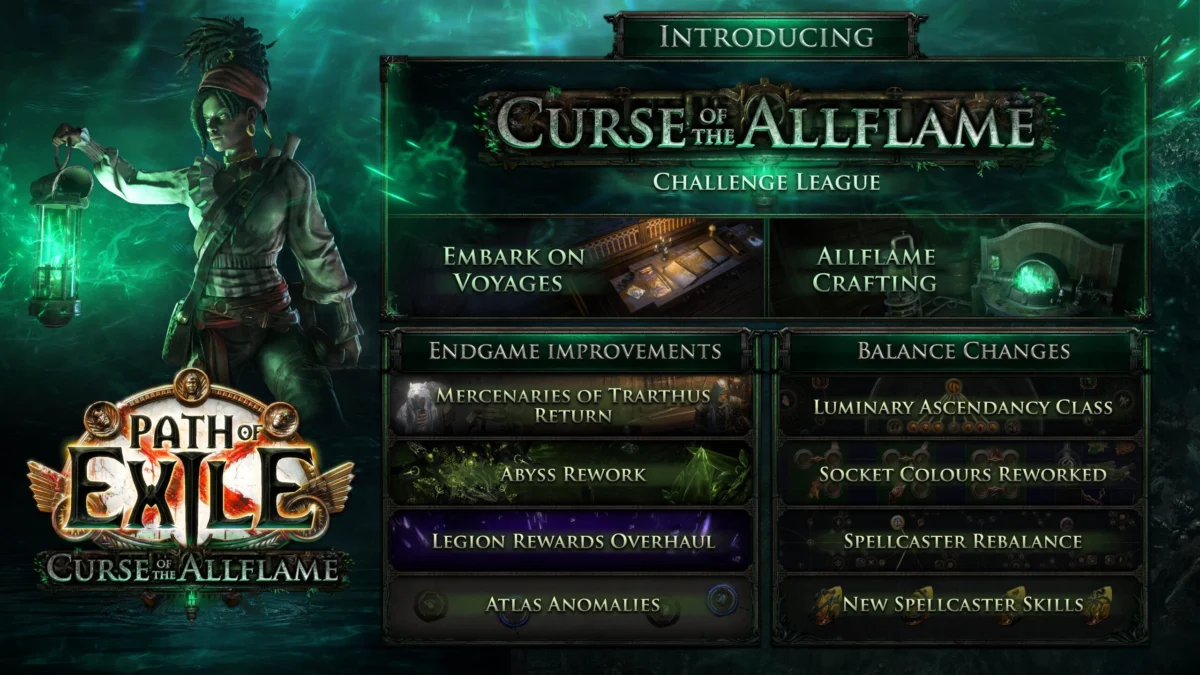
For over a decade, Path of Exile (PoE) has stood as the titan of the action RPG genre—a complex, sprawling, and often punishing behemoth that demands mastery from its player base. While the community frequently celebrates the game’s deep customization and consistent seasonal updates, there has been one persistent, thorny issue that continues to divide players and developers alike: the mandatory 10-act campaign.
As the developers at Grinding Gear Games (GGG) continue to refine the core experience, they have proven willing to abandon "sacred" mechanics to modernize the game. Yet, the campaign remains a non-negotiable barrier to entry. This article explores the history of this design choice, the philosophy behind it, and why, despite overwhelming player demand, the "homework" of the campaign is likely here to stay.
The Evolution of a Hardline Design Philosophy
Path of Exile has never been a game that holds the player’s hand. Since its inception, GGG has prioritized a design philosophy rooted in weight, consequence, and long-term progression. The 10-act campaign serves as the backbone of this philosophy, acting as both an extended tutorial for newcomers and a rite of passage for veterans.
However, the landscape of the modern ARPG is changing. With the rise of titles like Diablo 4 and the upcoming Path of Exile 2, players are increasingly accustomed to streamlined progression paths. In Path of Exile, reaching the endgame—the true heart of the game—requires players to slog through approximately 20 hours of story content. While seasoned speedrunners can clear this content in a fraction of that time, the average player finds the repetition tedious. Every new league (the game’s seasonal model) forces players to restart this cycle, fueling an ongoing debate about the necessity of the grind.
A Chronology of the "Campaign Skip" Debate
The request for a campaign skip is not a new phenomenon; it has been a staple of the Path of Exile community forums and subreddit for nearly as long as the game has existed.
- The Early Years (2013–2017): Initially, the campaign was shorter and less cohesive. As GGG expanded the game, they introduced the 10-act system to provide a more structured narrative experience. At this stage, the "grind" was seen as an essential part of the game’s identity.
- The Modern Era (2018–2023): As the endgame grew more complex, the disparity between the campaign and the endgame widened. Players began to view the campaign as an obstacle rather than a feature. The demand for a "skip" or "adventure mode"—similar to what Blizzard implemented in Diablo 3—became a constant refrain during every league launch.
- The Path of Exile 2 Era (2024–Present): With the announcement of the sequel, the debate intensified. Players hoped that a new game engine and a fresh start would finally introduce a way to bypass the story. To their disappointment, GGG confirmed that the campaign remains a fundamental requirement even in the sequel.
The Developer Perspective: Why the Campaign Matters
To understand why GGG is so resistant to change, one must look at the official responses from the studio’s leadership. In recent interviews, game director Mark Roberts and game designer Christopher "Octavian" Laferriere have been clear: the campaign is not just a hurdle; it is a vital part of character development.
The "Weight" of Progression
Mark Roberts argues that the act of leveling through the campaign fosters an emotional attachment to the character. By forcing players to endure the trials of the Acts, the game ensures that when a player finally reaches the endgame, they have "earned" their place. From the developer’s perspective, skipping the campaign creates a hollow experience where the character feels disposable.
"It just genuinely makes the game worse," Roberts stated in a recent interview. "The work to get there is the satisfaction."
The Risk of Quality Dilution
Beyond the emotional connection to the character, there is a technical concern regarding the game’s overall quality. GGG fears that if the campaign were made optional, it would effectively be rendered obsolete. If players could skip it, the studio would have little incentive to invest resources into updating, balancing, or iterating on those 10 acts. According to Roberts, a "skip" button would eventually lead to a decline in the game’s overall narrative and world-building cohesion.
Rethinking the "Sacred"
Interestingly, GGG’s stubbornness regarding the campaign is juxtaposed against their newfound flexibility in other areas. This week, the studio made headlines by announcing the removal of the multi-colored socket system—a mechanic that had been a staple of the game for 13 years.
For years, many developers at GGG considered the socket system untouchable, fearing that changing it would break the game’s intricate economy and balance. Yet, after internal reflection, the team concluded that the mechanic added more frustration than meaningful depth. This shift in thinking proves that GGG is willing to kill its darlings—but only when they are convinced that doing so adds tangible value to the player experience.
The fact that the campaign has not been put on the chopping block despite this openness to change is telling. It suggests that, unlike the socket system, the leadership at GGG fundamentally believes the campaign provides value that the player base is currently overlooking.
Implications for the Future of Path of Exile 2
The stance on the campaign has significant implications for Path of Exile 2. Jonathan Rogers, the game director for the sequel, has been even more definitive than his colleagues, suggesting that a campaign skip will not happen as long as he is in charge.
The strategy for the sequel appears to be: "Make the campaign so good that you don’t want to skip it." By focusing on improved pacing, better storytelling, and more dynamic encounters, the team hopes to mitigate the "homework" feeling of the leveling process. However, this relies entirely on the assumption that players are primarily motivated by narrative engagement. In reality, the vast majority of the Path of Exile player base is motivated by the "zoom-zoom" gameplay of the endgame—high-speed map clearing, complex crafting, and boss farming.
The Compromise: A Middle Ground?
While a full skip seems off the table, there is a growing segment of the community that believes a middle ground could be reached. Suggestions include:
- Account-Wide Progression: Allowing players who have completed the campaign once to skip it on subsequent characters within the same league.
- Condensed Leveling: Introducing an "adventure mode" that allows players to level up through a series of randomized challenges rather than the linear campaign.
- Endgame-Focused Starts: Providing specific items or boosts for veteran players who have proven their mastery, allowing them to accelerate the process.
Despite these suggestions, the current leadership remains firm. They view the struggle of the early game as a necessary filter. In their eyes, Path of Exile is not meant to be a game that caters to the desire for instant gratification. It is a game of attrition, and the campaign is the first test of that endurance.
Conclusion: A Philosophy of Friction
The refusal to implement a campaign skip is a quintessential example of the "GGG way." It is a decision that prioritizes the developer’s artistic vision over the convenience of the user. While this may alienate some casual players, it is also the reason the game has maintained such a dedicated, hardcore following for over a decade.
For now, players must accept that the 10-act slog is part of the package. Whether this design choice will eventually crumble under the pressure of a changing market remains to be seen. However, as the industry moves toward faster, more accessible experiences, Path of Exile remains a defiant outlier. It is a game that demands you do the work—and it wouldn’t be the same game if it didn’t.
As we look toward the future of the franchise, the lesson is clear: in the world of Path of Exile, the destination is only as meaningful as the long, arduous journey taken to reach it. Whether that journey is a grand adventure or a chore is entirely a matter of perspective—a perspective that Grinding Gear Games seems determined to shape on their own terms.

