

In the sprawling, digital landscape of Steam—a platform that hosts everything from cutting-edge AAA blockbusters to experimental indie art pieces—a new, highly controversial entry has surfaced. Titled Congratulations On Your Purchase, this software, released in late May by the enigmatic "Worth It Studio," has garnered significant attention, not for its gameplay mechanics, narrative depth, or visual fidelity, but for its audacious price tag: $1,000 USD (£748).
To call it a "game" is a linguistic stretch that the developers themselves seem to relish in mocking. It is, by all traditional metrics, a digital status symbol, a hollow vessel designed to test the boundaries of consumer psychology and the inherent absurdity of the "whale" economy within modern gaming.
The Core Concept: A Digital Vanity Mirror
At its heart, Congratulations On Your Purchase is an exercise in performative wealth. It acts as a 2026-era successor to the infamous I Am Rich app, which launched on the iOS App Store in 2008. Much like that early smartphone relic, this software does nothing of substance. It exists solely to allow the purchaser to flaunt their disposable income.

The product description on Steam is a masterclass in pseudo-intellectual baiting. It reads: "You paid for this. Not accidentally. Not on impulse. You saw the price. You read the description. And then you bought it anyway. Welcome." The text is peppered with broken HTML and a nihilistic tone, daring the user to justify their own financial decision. It frames the purchase not as a transaction for entertainment, but as a rite of passage for the wealthy—or, perhaps, the terminally bored.
A Chronology of the Release
The journey of Congratulations On Your Purchase began quietly in late May, drifting onto the Steam storefront with little fanfare beyond its staggering price.
- Late May 2026: The product is indexed on Steam. It immediately catches the eye of social media users, who begin circulating screenshots and mockery across X (formerly Twitter) and Reddit.
- Early June 2026: Independent journalists and content creators begin investigating the software. The consensus is swift and brutal: the product is functionally non-existent in terms of traditional interactivity.
- Mid-June 2026: Usage data becomes public. As of this writing, the software has been "played" by only seven individuals globally. This exclusivity serves to heighten its aura as a "members-only" club for the wealthy.
- Present Day: The product remains on the storefront, serving as a curious monument to the "if you have to ask, you can’t afford it" ethos of luxury marketing.
Inside the "Palace": A Technical Breakdown
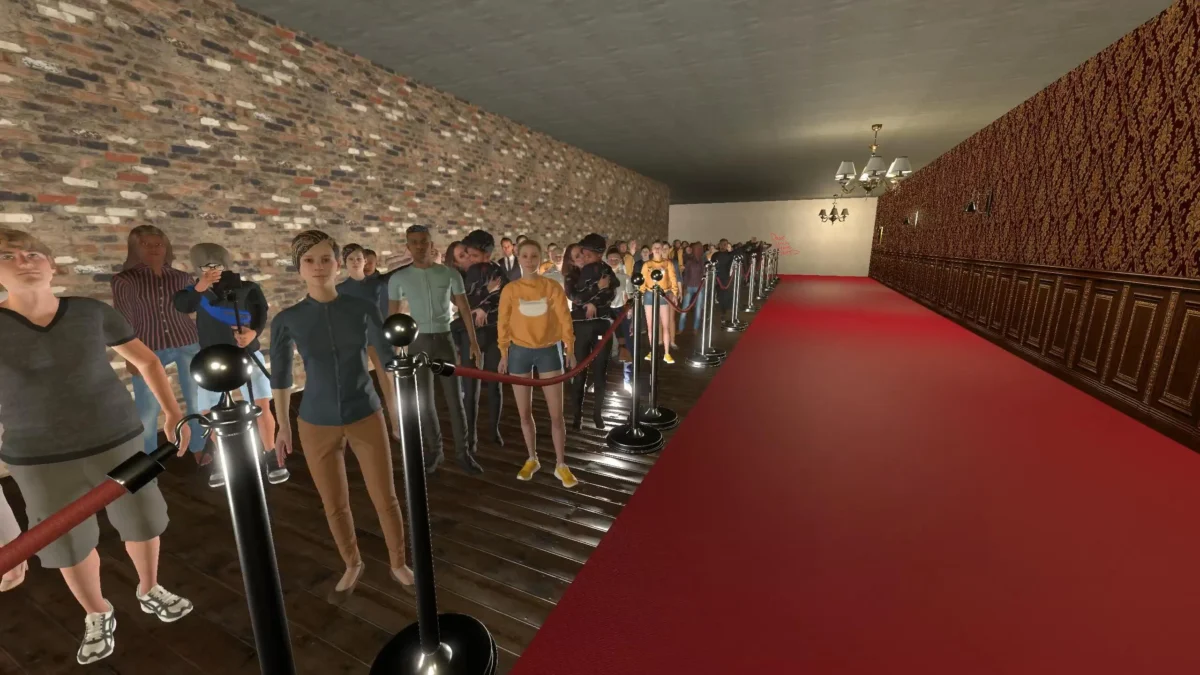
For those who have not spent a small fortune on the software, the experience is described as a brief, lackluster, and technically questionable "luxury experience." Upon launching the program, the user finds themselves in a first-person perspective, dropped into a sterile, digital palace.

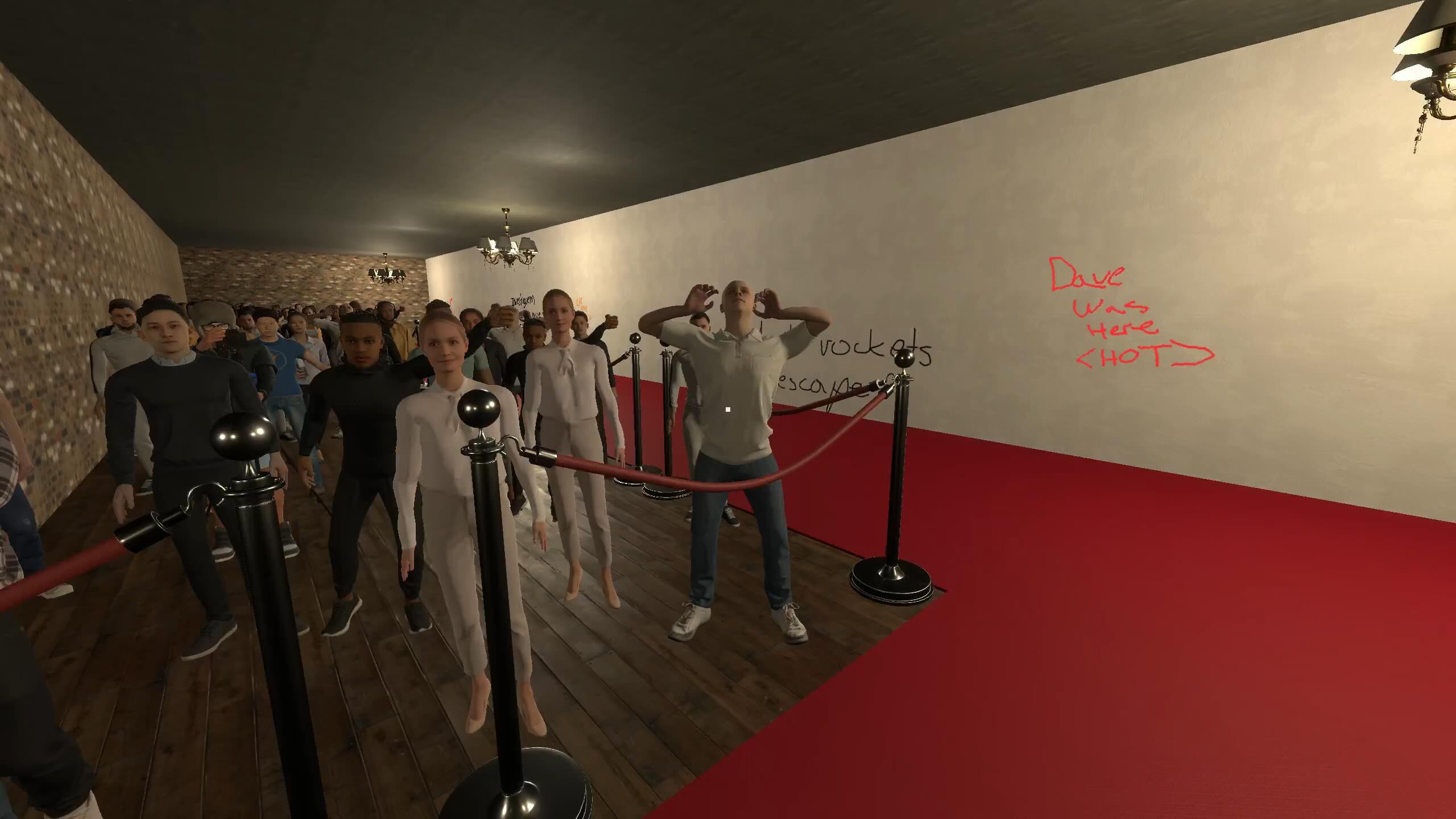
The environment is claustrophobic and repetitive. It consists of an L-shaped corridor adorned with the trappings of wealth: red carpets, chandeliers, and velvet rope barriers. The most haunting aspect of the simulation is the crowd. A legion of "supporters" stands behind the velvet ropes, their character models frequently identical and prone to minor deformations. These figures do not possess complex AI; they merely rotate on their Y-axes to follow the player’s camera movement, creating a "rictus of enthusiasm" that feels less like a celebration and more like a fever dream.
The performance of the software is also reportedly poor. Despite its visual simplicity, the rendering of these static, rotating models is surprisingly taxing, causing significant frame rate drops and triggering heavy fan usage on high-end gaming PCs. It is an ironic technical failure: a product designed to showcase wealth cannot even manage to run smoothly on the expensive hardware required to play it.
The Only "Mechanic": A Canvas for the Ego
The singular interactive element of Congratulations On Your Purchase is a blank wall located at the end of the L-shaped corridor. Here, the player is invited to leave their mark. Whether it is a name, a pithy observation, or a crude drawing, the user can "daub" the wall.
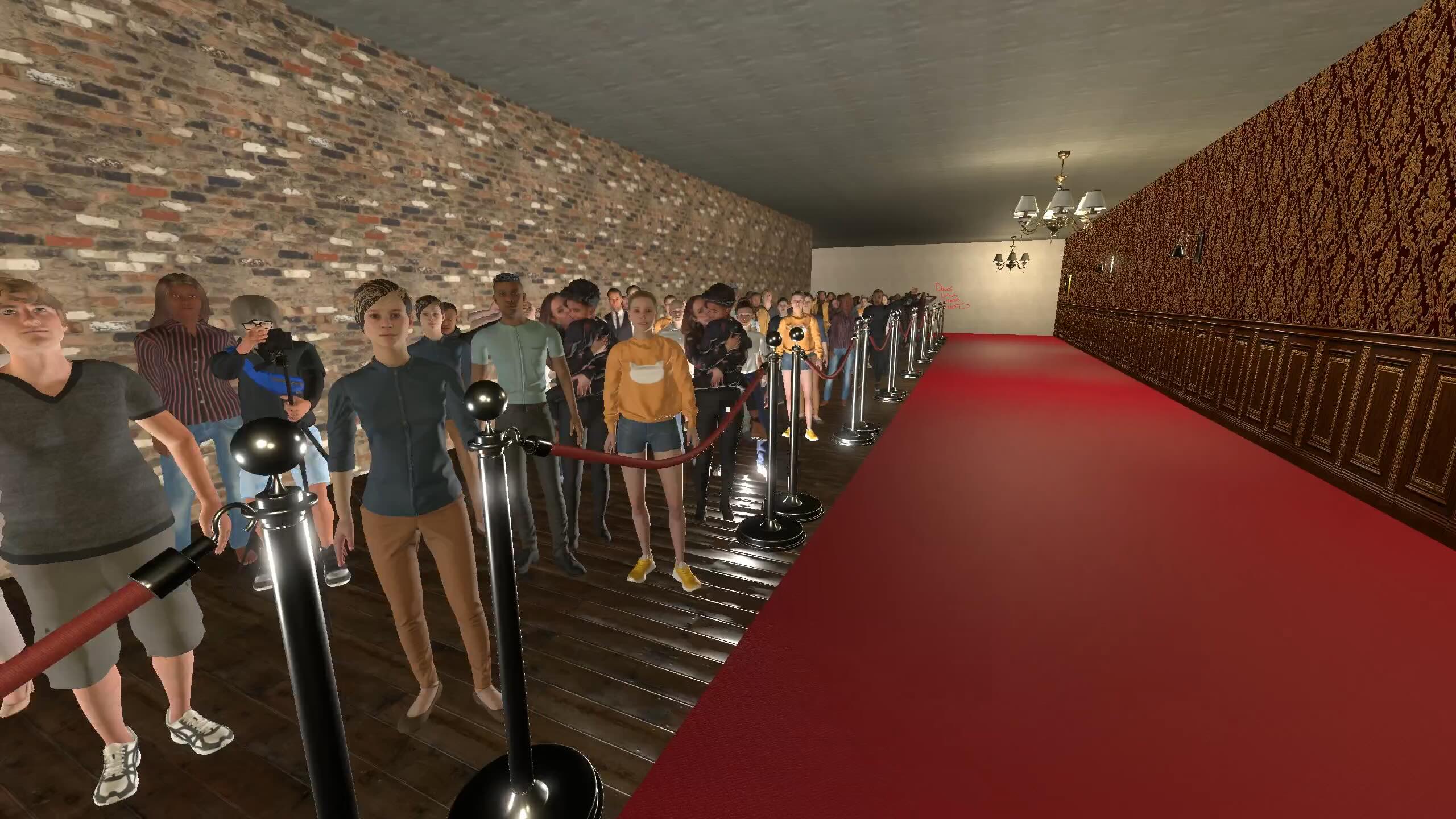
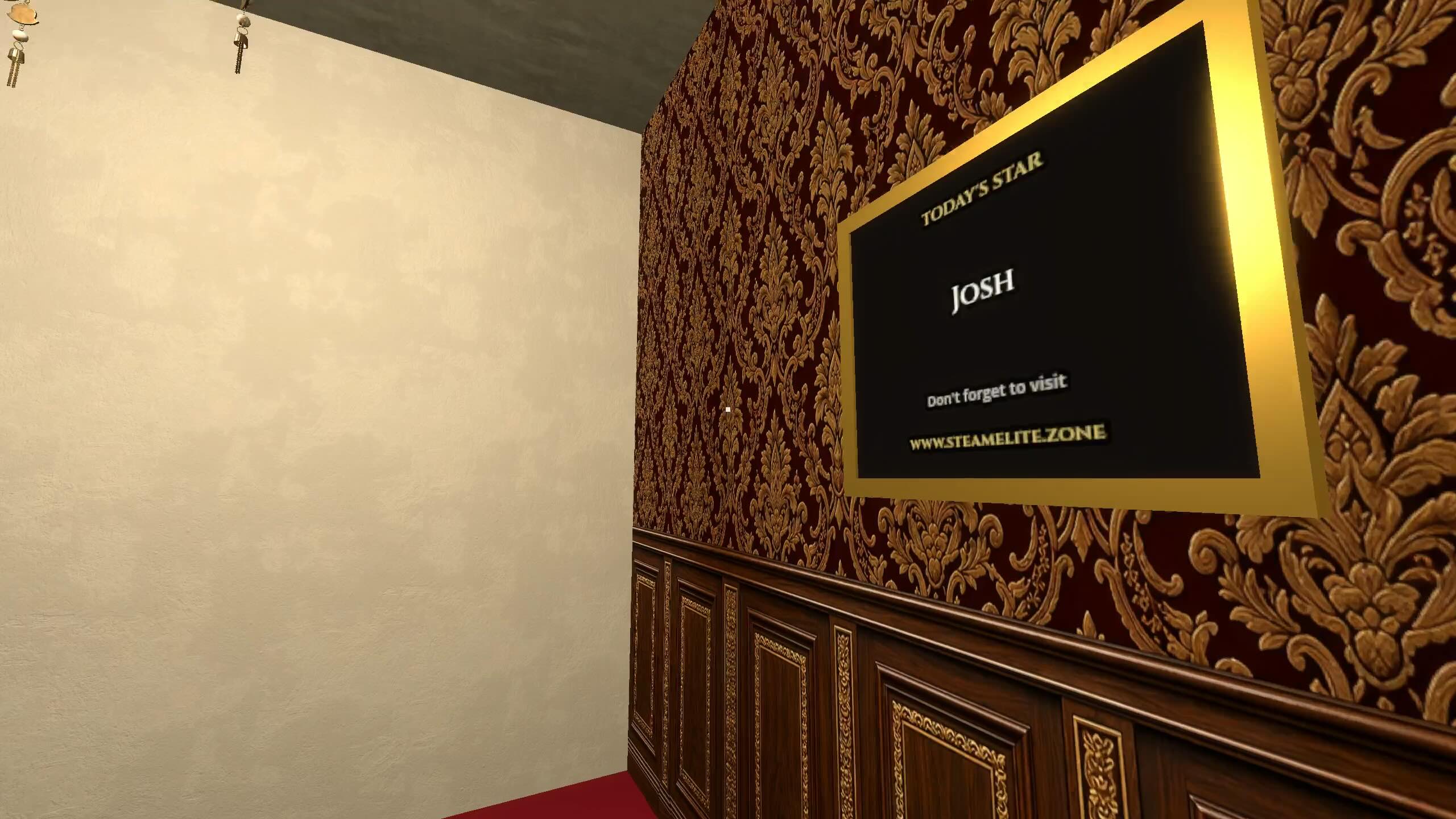
This is the extent of the privilege afforded by the $1,000 price tag. Anything written on this wall is mirrored on the game’s official website, steamelite.zone. However, even this is finicky. If the player does not align their text perfectly within the designated "writeable" zone, the work is excluded from the public feed, effectively erasing the "achievement" of the purchaser.
The Philosophy of Arbitrary Pricing
The developers maintain a tone of detached arrogance throughout the product’s marketing. Their description claims, "There is no combat. There are no enemies. There are no quests… The question of whether this experience is worth $999.99 is, philosophically speaking, unanswerable. Worth is constructed. Price is arbitrary."
This rhetoric attempts to elevate the software from a "money grab" to a "post-modern art piece." By challenging the consumer to find value in the vacuum, the developers are engaging in a form of digital détournement—subverting the purpose of a storefront to expose the consumerist instincts of the user base. However, the critique falls flat. As one journalist who accessed the software via a press key noted, "Moneygrabbing is still moneygrabbing if you do it with an arched eyebrow."
Implications for the Steam Ecosystem
The existence of Congratulations On Your Purchase raises significant questions regarding the curation and ethics of the Steam storefront. Valve, the parent company of Steam, has historically been hands-off regarding the content of games on their platform, provided they do not violate basic legal or safety guidelines.
However, this product highlights a growing trend of "troll" or "vanity" software that skirts the line of being a legitimate product. By allowing such items to sit alongside actual works of art, labor, and engineering, Steam risks diluting the value of its marketplace.
Furthermore, the lack of a philanthropic component makes the "social commentary" argument difficult to defend. If this were a charity drive, or if the proceeds were going toward funding other indie developers, the $1,000 price tag might be framed as a bold, if unconventional, fundraiser. Without such a mechanism, it remains a purely parasitic financial exchange.
Conclusion: A Lesson in Restraint
Ultimately, Congratulations On Your Purchase is a product that demands nothing but money and delivers nothing but disappointment. It is a cautionary tale about the intersection of digital exclusivity and the desire for social validation.
The software’s credits list only seven players, and that number serves as a quiet, definitive indictment of the product’s value proposition. In a world where $1,000 can buy a high-end graphics card, a collection of hundreds of critically acclaimed indie titles, or a significant contribution to a meaningful cause, this software offers only a blank wall in a virtual hallway.
There should never be a number eight. For the sake of the gaming industry’s integrity and the common sense of the consumer base, this experiment in digital vanity should remain a footnote—an example of how, in the age of digital abundance, the most expensive things are often the most hollow.

