

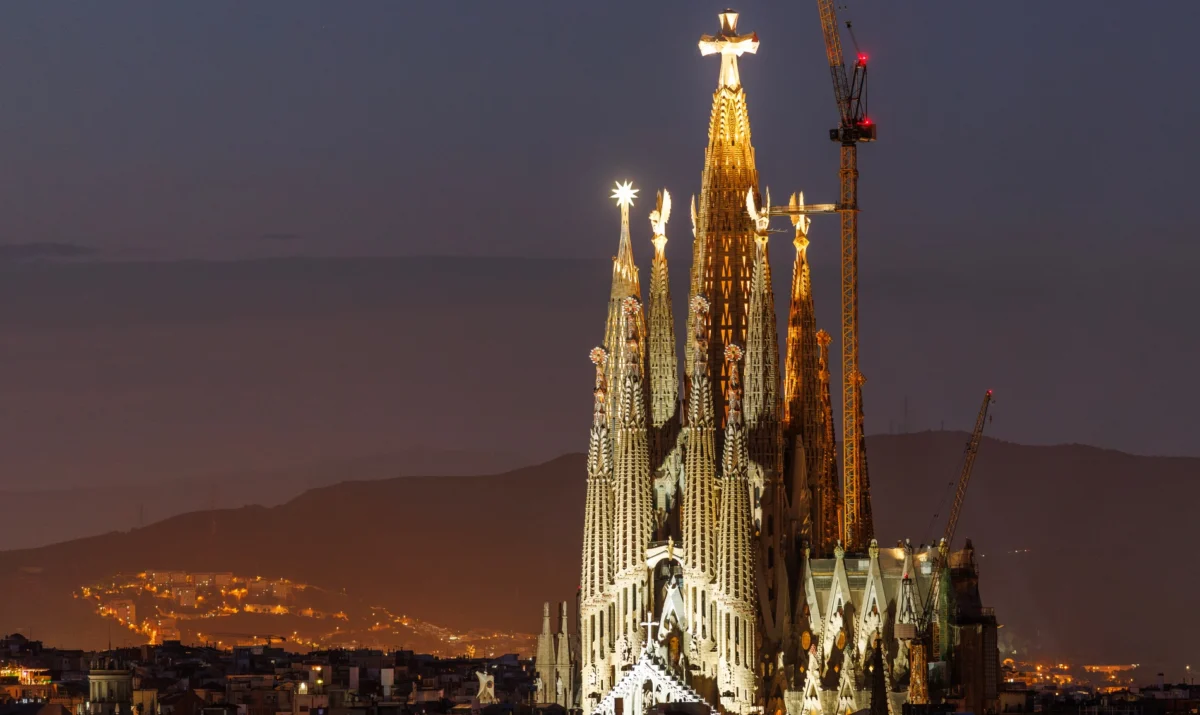
When architect Antoni Gaudí first laid the foundations for the Sagrada Familia in Barcelona in 1883, the world was a vastly different place. Electricity was still a luxury, the concept of a "global village" was non-existent, and the idea of capturing a religious ceremony in the palm of one’s hand would have seemed like divine alchemy. Nearly 150 years later, as the monumental cathedral nears its final form, it has found an unlikely partner in its march toward history: TikTok.
In a landmark collaboration that bridges the gap between centuries-old devotion and modern algorithmic reach, the short-form video platform has cemented its role as a digital custodian of one of the world’s most significant architectural achievements. This partnership reached its zenith on June 10, when the world watched via TikTok Live as Pope Leo XIV arrived at the basilica to bless the newly completed Tower of Jesus Christ.
The Intersection of Faith and Fiber Optics
The Sagrada Familia has long been a symbol of persistence—a structure that has survived wars, political shifts, and the rapid evolution of technology. However, its current "digital renaissance" is part of a broader strategy orchestrated by the cathedral’s board to engage younger, tech-native generations.
By joining forces with TikTok, the Sagrada Familia has successfully transitioned from being a physical destination to a global content hub. The collaboration is not merely a marketing ploy; it is an educational endeavor. Under the banner of "TikTok Live Comes Alive," the platform has been inviting users into the inner sanctum of cultural institutions, ranging from New York’s Museum of Modern Art to Chicago’s Field Museum. Yet, the inclusion of the Sagrada Familia represents a shift in how religious and historical monuments leverage digital tools to maintain cultural relevance.
A Chronology of the Digital Blessing
The road to the June 10 papal visit was paved with months of digital storytelling. The following timeline highlights how the cathedral prepared for its global digital unveiling:
- Early 2026 (The Foundation Phase): The official @sagradafamiliagaudi TikTok account began a deep-dive content series. These videos focused on the intricate history of Gaudí’s vision, the engineering marvels of the interior, and the religious significance of the iconography.
- May 2026 (The Creator Partnership): Recognizing the power of authentic voice, the cathedral tapped local creators to demystify the site. Architecture enthusiast Jordi Martí provided exclusive tours, while art historian Aartemis Artworks dissected the symbolic details of the stained glass and stonework.
- Early June 2026 (The Musical Prelude): Violinist Astrid Torrente performed a live-streamed concert from within the cathedral, using the building’s legendary acoustics to reach a digital audience of millions, setting the tone for the upcoming papal ceremony.
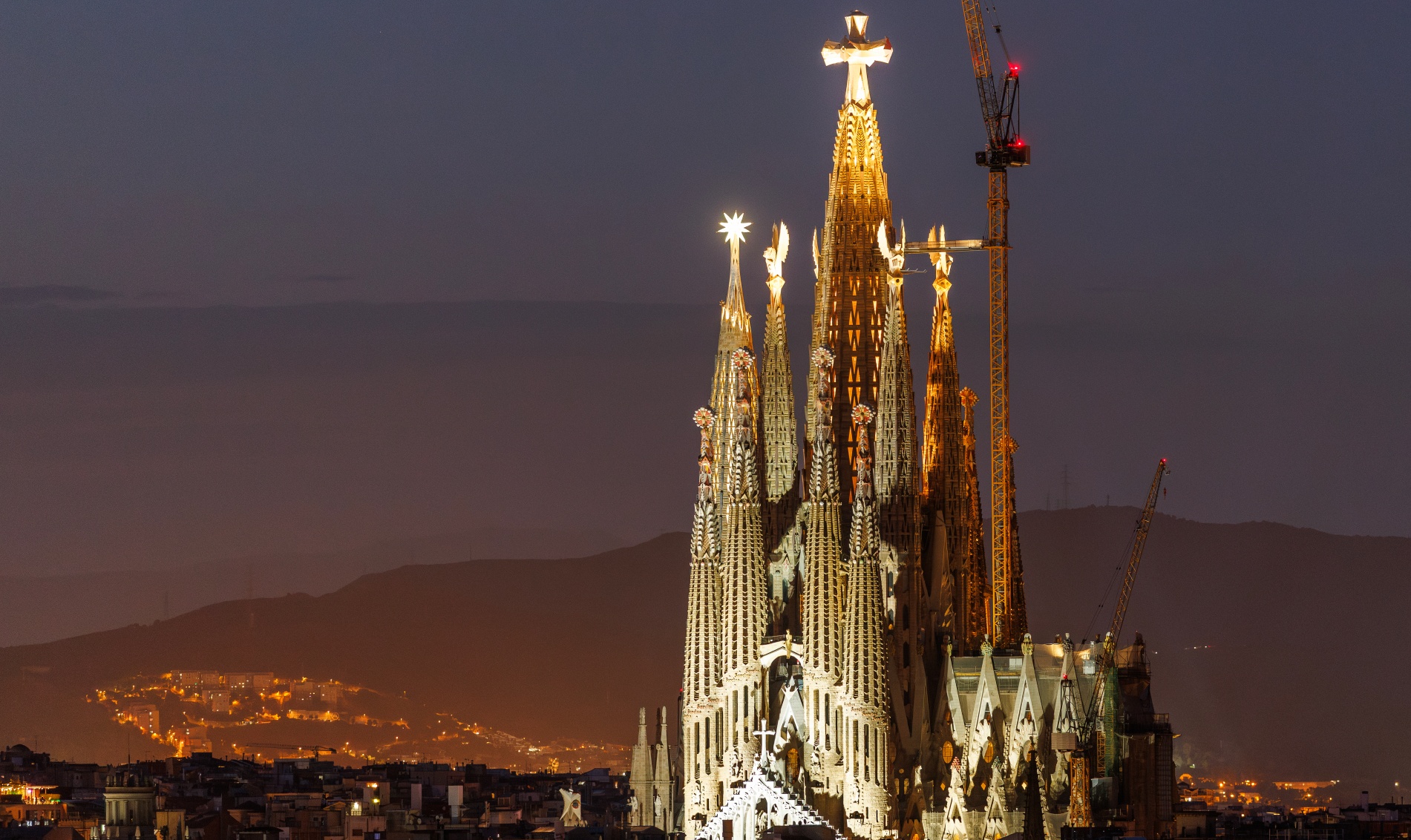
- June 10, 2026 (The Culmination): The official live stream of Pope Leo XIV’s mass. The broadcast included a stunning drone-led light show that illuminated the Tower of Jesus Christ, tracing the silhouette of Gaudí and displaying the motto, "First love, then technique."
Architectural Ambition Meets Viral Reach
The success of this initiative rests on the synergy between the cathedral’s official curators and the platform’s creator ecosystem. By allowing creators like Jordi Martí to interview lead architects, the institution provided a level of transparency that traditional museum tours often lack.
For the millions who cannot make the pilgrimage to Barcelona, these videos serve as a "digital proxy." The content is meticulously designed to satisfy the algorithm: short, high-impact visuals combined with the historical gravity of the cathedral’s construction. This is not just a video of a building; it is a serialized narrative of the longest-running construction project in modern history.
The Papal Perspective on Technology
Pope Leo XIV has emerged as a surprisingly progressive figure regarding digital media. Unlike many of his predecessors, who viewed the digital sphere with skepticism, the current pontiff has actively engaged with topics ranging from the ethical implications of Artificial Intelligence to the psychological dangers of social media addiction.
By participating in a TikTok live stream, the Pope is not merely attending a ceremony; he is validating the medium as a legitimate space for spiritual discourse. In his recent addresses, the Pope has emphasized that the Church must meet people where they are—and today, that is on the screens of their smartphones. His blessing of the Tower of Jesus Christ, viewed by a global digital congregation, marks a pivotal moment where the Vatican’s influence has been effectively extended through the reach of a mobile application.
Implications for Cultural Institutions
The success of the Sagrada Familia-TikTok partnership carries significant implications for museums, historical societies, and religious organizations worldwide.
1. The Death of the "Static" Museum
Traditional institutions can no longer afford to be static. The "Live Comes Alive" initiative proves that audiences are hungry for "behind-the-scenes" access. Institutions that do not lean into the creator economy risk being viewed as relics rather than living parts of culture.
2. The Power of "Crucial Reach"
For TikTok, the partnership is a masterclass in positioning itself as a platform for "cultural moments." Advertisers and stakeholders are increasingly interested in platforms that provide more than just mindless entertainment; they want platforms that house historical, political, and religious milestones. By streaming a papal mass, TikTok has effectively argued that it is the "town square" of the 21st century.
3. Sustainability and Funding
The digital engagement has also translated into tangible support. Increased awareness via TikTok has driven a surge in interest for the cathedral’s ongoing restoration and completion fund. The viral nature of the drone light show video, which garnered millions of views within hours, acts as a global advertisement that traditional tourism boards could never afford.
The Future of the Sagrada Familia
While the blessing of the Tower of Jesus Christ marks a monumental step, it is important to note that the Sagrada Familia remains a work in progress. Estimates suggest that the remaining facets of the cathedral will require at least another decade of construction.
This presents a unique opportunity for both the cathedral and TikTok. Unlike a movie launch or a sports event, which ends once the clock hits zero, the Sagrada Familia offers a permanent, evolving story. The platform has effectively secured a front-row seat to the final chapter of one of history’s greatest architectural sagas.
As we look toward the 2030s, the collaboration will likely expand. We may see augmented reality (AR) filters that allow users to "build" the cathedral in their own living rooms, or virtual reality (VR) tours that allow for real-time interaction with the stonemasons.
Conclusion: A New Cathedral of Thought
The marriage of the Sagrada Familia and TikTok is a profound testament to how humanity preserves its legacy. In 1883, Antoni Gaudí believed that "nothing is art if it does not come from nature." Today, that philosophy has been extended to the digital nature of our connectivity.
By inviting a global audience into its hallowed halls, the Sagrada Familia has ensured that when the final stone is laid, the world will not just be watching from the sidelines—it will have been part of the journey. Whether through a violinist’s melody, an architect’s explanation, or a Pope’s blessing, the cathedral has successfully transitioned from a monument of stone to a monument of global shared experience.
In the digital era, the Sagrada Familia has proven that while the construction may take centuries, the connection to the faithful—and the curious—can happen in an instant. As the world continues to scroll, the cathedral remains a fixed point of beauty, now amplified by the very technology that Gaudí could never have imagined, yet surely would have appreciated for its ability to bring people together.

