

The gaming industry is currently witnessing a historic legal standoff that could redefine labor relations for developers worldwide. Rockstar Games, the powerhouse studio behind the Grand Theft Auto franchise, has suffered a significant procedural defeat in a UK employment tribunal. The ruling effectively clears the path for a full-scale trial concerning the controversial dismissal of 31 employees in October 2025—a move that has drawn fire from labor unions, government officials, and the company’s own workforce.
The tribunal’s decision to reject Rockstar’s attempt to narrow the scope of the case means that allegations of "blacklisting"—the illicit practice of compiling discriminatory lists of union-affiliated workers to prevent their future employment—will be central to the upcoming legal proceedings. As the industry looks toward the highly anticipated launch of GTA 6, this legal battle serves as a stark reminder of the mounting tensions between corporate management and an increasingly organized gaming workforce.
The Chronology: A Timeline of Escalating Tensions
The conflict, which has evolved from internal office friction to a high-profile legal battle involving Parliament, can be traced back to a single, chaotic month in late 2025.
October 2025: The Sudden Dismissals
In a series of abrupt, coordinated actions, Rockstar Games terminated the employment of 31 developers across its UK and Canadian studios. All affected individuals were either active members of the Independent Workers Union of Great Britain (IWGB) or were explicitly involved in workplace organizing efforts. The swift nature of these firings, conducted without what many observers deem sufficient transparency or justification, sent shockwaves through the industry.
November 2025: Solidarity and Escalation
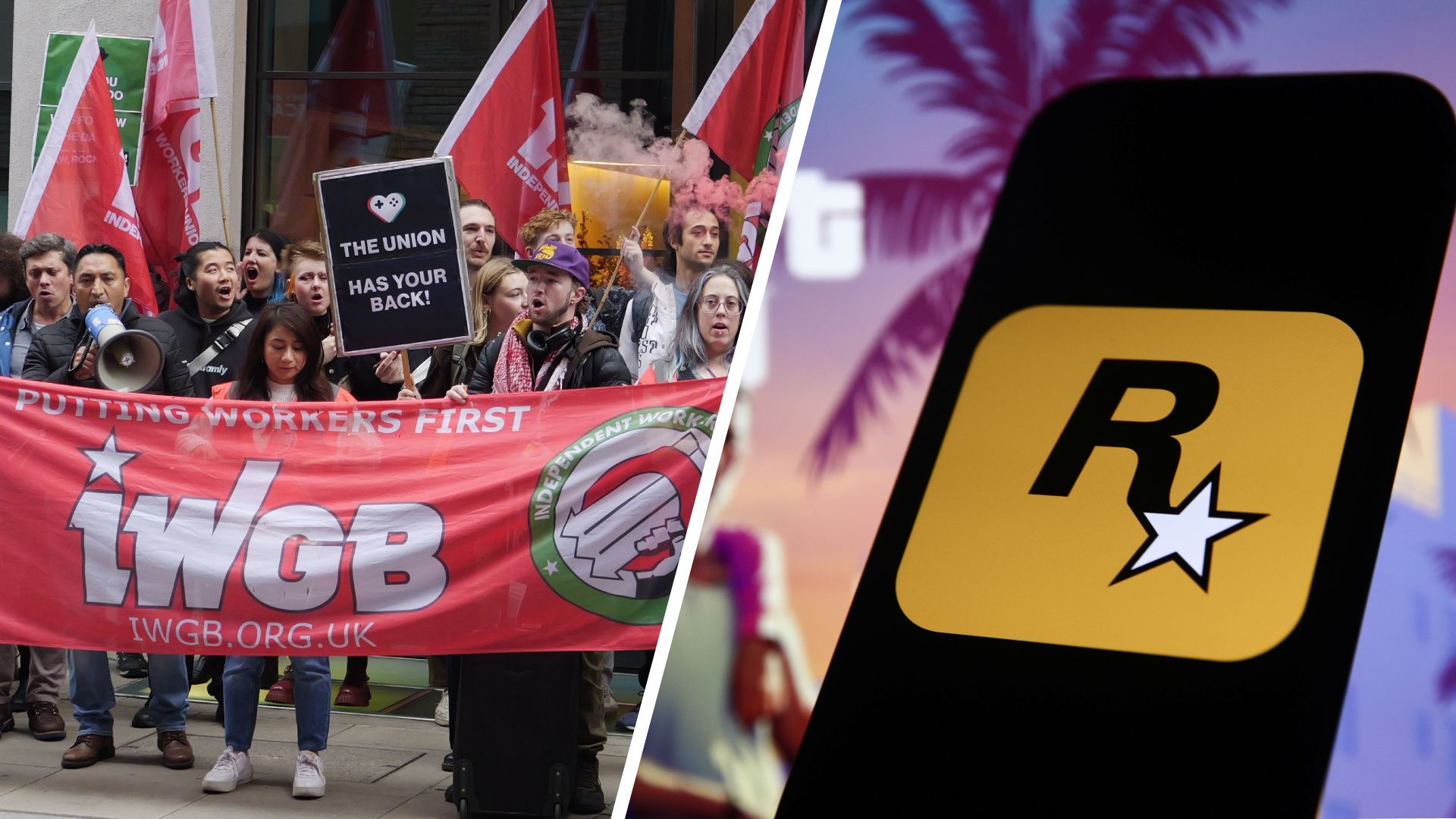
Within days of the terminations, the IWGB mobilized. Protests erupted outside Rockstar and Take-Two Interactive offices in London and Edinburgh. The demonstrations were not merely symbolic; they were accompanied by an internal uprising. Over 200 Rockstar employees signed and delivered an open letter to management, demanding the immediate reinstatement of their colleagues and a seat at the table for collective bargaining.
December 2025: Political Intervention
The dispute quickly transcended the walls of the gaming industry. Edinburgh West MP Christine Jardine took the issue to the floor of the UK Parliament, calling on government ministers to protect the rights of workers in the creative sector. The pressure reached the highest office in the land when Prime Minister Keir Starmer publicly described the situation as "a deeply concerning case," signaling that the government was monitoring the situation closely.
February 2026: The Tribunal Ruling
Following months of legal maneuvering, the UK employment tribunal ruled against Rockstar’s motion to strike the "blacklisting" accusations from the record. The court confirmed that the full scope of the IWGB’s claims, including the alleged illegal surveillance and discriminatory practices against union organizers, will be adjudicated in a final trial.
The Core Allegations: What is at Stake?
The IWGB’s legal strategy centers on the argument that Rockstar Games engaged in a calculated, systematic effort to dismantle union presence. The "blacklisting" claim is particularly damaging; if proven, it would suggest that the studio did not merely fire employees for performance or budgetary reasons, but actively sought to sabotage their future careers within the industry for the "crime" of unionizing.
The "Blacklisting" Charge
Blacklisting is a serious violation of UK labor law. By attempting to have these accusations removed from the trial, Rockstar signaled a desire to keep the focus narrow—perhaps framing the layoffs as standard business restructuring. By upholding the IWGB’s right to include these claims, the tribunal has essentially allowed the plaintiffs to argue that the firings were motivated by anti-union animus rather than the fiscal exigencies the studio initially cited.
The Lack of Justification
A recurring theme throughout this dispute has been Rockstar’s refusal to provide a coherent rationale for the specific selection of the 31 employees. Even when pressed by UK government officials, the company reportedly failed to offer a convincing explanation for why these specific individuals—all of whom were union-linked—were targeted for dismissal. This lack of transparency has allowed critics to characterize the move as one of the most ruthless acts of union-busting in the history of the UK games industry.
Official Responses and Perspectives
The Workers’ Stance
For the employees affected, the tribunal’s recent ruling is a moment of vindication. Ellie Dunstan, one of the 31 workers fired, stated: "Rockstar thought they could control the narrative. They’re wrong, and we look forward to proving it. Our case will now be heard in full and put to the test as it should be."
Spring McParlin-Jones, Chair of the IWGB Game Workers Branch, echoed this sentiment, highlighting the symbolic importance of the case. "The decision strengthens our case at a critical time as we prepare for the final stage of this David versus Goliath legal battle, which could shape the future of union rights across the games industry and beyond."
The Corporate Silence
Rockstar Games and its parent company, Take-Two Interactive, have remained relatively tight-lipped throughout the process, maintaining that their actions were compliant with employment law. However, the legal setback suggests that their defensive strategy—which relies on minimizing the scope of the discovery and the claims brought against them—is failing to gain traction in the courtroom.
Implications for the Gaming Industry
The outcome of this trial, scheduled to run from September 10 to October 15, 2026, will likely have ramifications far beyond the walls of Rockstar’s studios.
A Precedent for Unionization
The gaming industry has long been criticized for its "crunch" culture, job insecurity, and lack of worker protections. For years, the industry operated under the assumption that developers were too fragmented or too loyal to the "prestige" of their studios to organize. The Rockstar case proves that this landscape is shifting. A victory for the IWGB would embolden workers across major studios to pursue collective bargaining without the fear of immediate termination.
The Shadow of GTA 6
The timing of the trial is particularly awkward for Rockstar. With the final judgment expected to be delivered in late October, the verdict will coincide with the final, frantic month of the marketing and launch campaign for Grand Theft Auto 6. The game is arguably the most anticipated product in the history of interactive entertainment. A negative court ruling—specifically one that publicly details allegations of labor abuse—could cast a long shadow over the launch, complicating the studio’s public relations efforts during its most important commercial moment.
Regulatory Oversight
The fact that this case has drawn the attention of the Prime Minister and local MPs indicates that the UK government is no longer willing to view the gaming industry as an "exception" to standard labor protections. We may see a push for stricter regulations regarding how game studios handle layoffs and the treatment of union organizers. If Rockstar is found guilty of illegal union-busting, it could trigger a wave of legislative scrutiny that forces other publishers to reconsider their own labor practices.
Conclusion: A Turning Point?
As the September trial date approaches, the industry finds itself at a crossroads. Rockstar Games, once seen as untouchable, is now firmly in the crosshairs of both the legal system and the public conscience.
The trial will not only determine the fate of 31 individual developers but will also set a precedent for how the multi-billion-dollar gaming industry treats its most valuable asset: the people who build its worlds. If the IWGB successfully proves that the studio engaged in blacklisting and union-busting, it will be a resounding victory for labor rights. Conversely, if the studio prevails, it may embolden other firms to take a harder line against collective bargaining.
Regardless of the verdict, one thing is certain: the era of the "unorganized developer" is coming to an end. The workers have shown they are willing to go to the highest court to protect their right to organize, and the industry can no longer hide behind the prestige of its blockbusters to ignore the fundamental rights of its employees. As the calendar counts down to both the GTA 6 launch and the final day of the trial, all eyes will be on the courtroom to see if justice for the developers will be served.

