

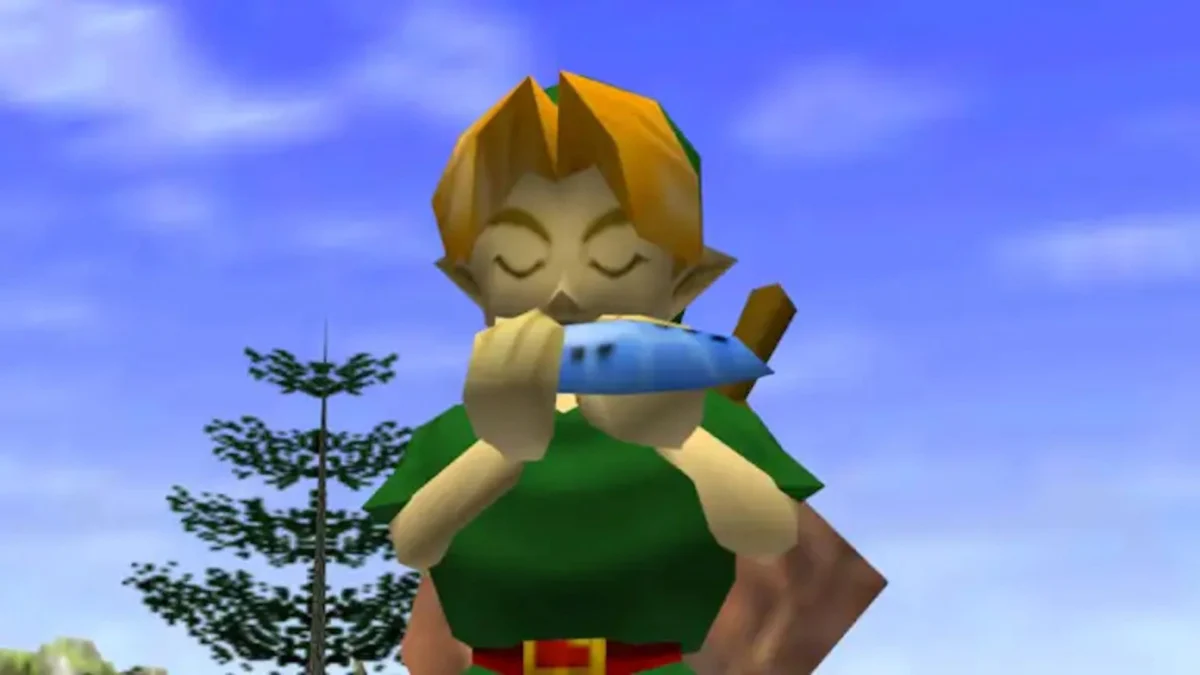
For years, the rhythm of Nintendo’s release calendar seemed to settle into a comfortable, if somewhat predictable, cadence. The frantic "holiday blitz"—a strategy defined by high-profile, system-selling releases dropped in the final quarter of the year—had largely been abandoned in favor of a steadier, year-round approach. But with the recent announcement of The Legend of Zelda: Ocarina of Time remake, the gaming giant appears to be signaling a return to the high-stakes theater of the holiday season. This move is not merely a nostalgia play; it is a calculated assertion of confidence in the Switch 2 ecosystem.
Main Facts: A Return to Form
The core of the current industry speculation stems from a simple, yet profound, shift in Nintendo’s scheduling philosophy. For the better part of a decade, Nintendo largely treated the November-December window as a secondary priority, often filling it with secondary titles, ports, or niche spinoffs while reserving their primary marketing weight for the spring and summer months.
The upcoming Ocarina of Time remake, however, is being positioned as the crown jewel of the latter half of 2026. While Nintendo has yet to provide a specific release date, the industry consensus points toward a late October or early December launch. This timing is deliberate. By placing one of their most storied IPs in the direct path of the holiday shopping season, Nintendo is moving away from the "quiet" Q4 strategy that defined much of the post-Wii U era and returning to the aggressive, tentpole-driven model that once defined the company’s competitive identity.
A Chronological Look at Nintendo’s Holiday Evolution
To understand why this shift is so significant, one must look back at how Nintendo’s relationship with the calendar has evolved over the last fifteen years.
The Era of Triple-Barreled Launches (2011–2013)
The 2011 holiday season stands as a relic of a bygone era. Nintendo entered the final stretch of the year with a powerhouse lineup: The Legend of Zelda: Skyward Sword for the Wii in November, followed by Mario Kart 7 and Super Mario 3D Land for the 3DS in December. It was a strategy of saturation, designed to ensure that every Nintendo platform had a flagship title under the tree.
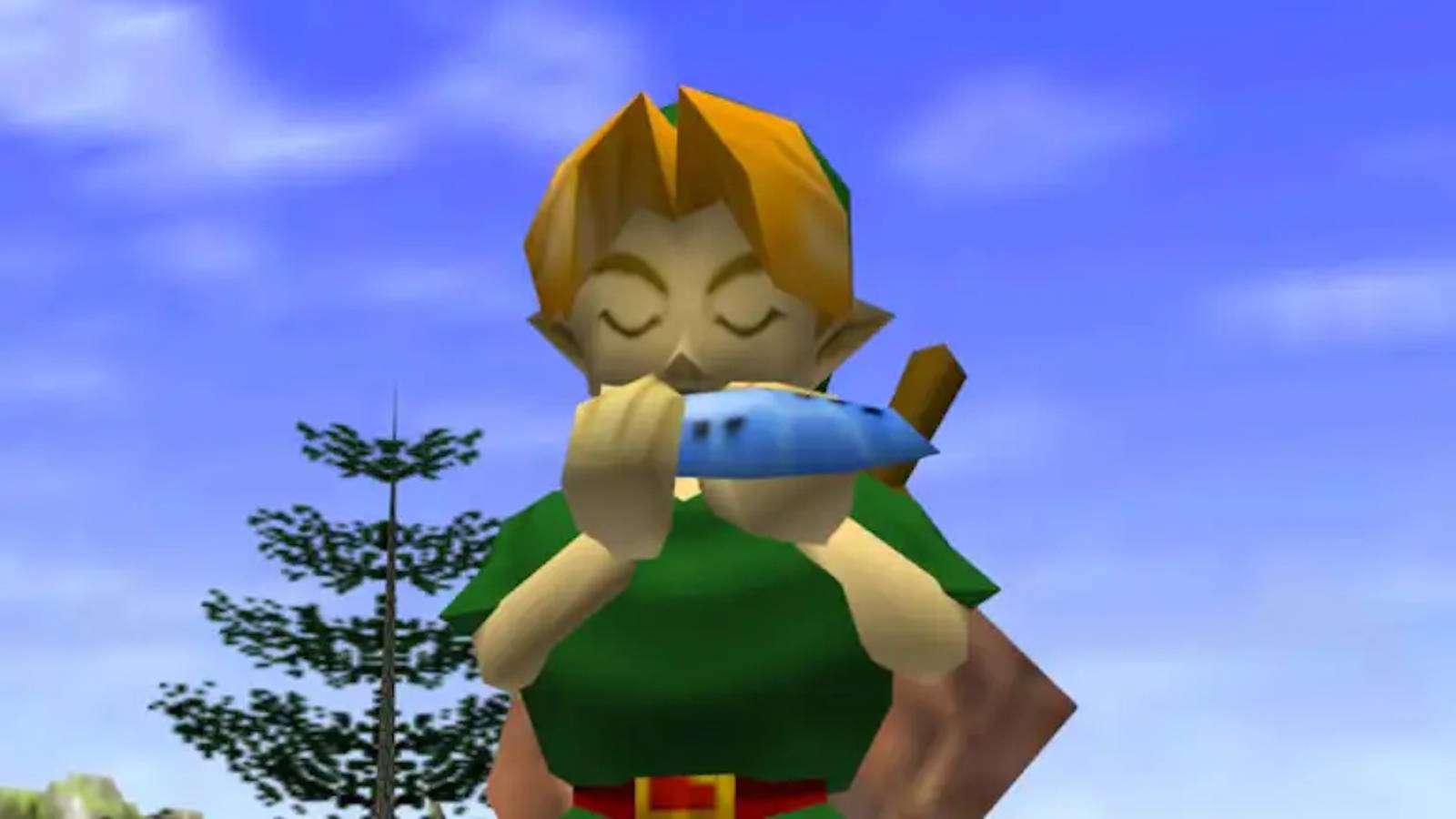
2013 saw the continuation of this momentum. With the launch of Pokémon X and Y in October, alongside the high-definition glow-up of The Legend of Zelda: Wind Waker HD and the release of Super Mario 3D World, Nintendo was arguably at the peak of its "big moment" manufacturing capability.
The Lean Years and the "Quiet" Pivot (2014–2016)
The transition to the Wii U era marked the beginning of the end for the company’s traditional holiday strategy. By 2014, the "triple-barreled" approach had vanished. Super Smash Bros. became the lone major anchor for the holiday season, and the subsequent years were characterized by a reliance on Pokémon to carry the weight of Q4. Releases like Xenoblade Chronicles X and various Mario spinoffs were high-quality, but they lacked the universal, system-selling gravity of the earlier years. The software pipeline was beginning to creak, and the company seemed unsure of how to sustain year-long engagement without the holiday safety net.
The Switch Era: Independence from the Calendar (2017–2025)
When the Switch launched, Nintendo discovered a new superpower: the ability to generate "big moments" whenever they chose. Super Mario Odyssey (October 2017) was a necessary exception to prove the console’s viability, but for the most part, Nintendo pivoted to a "one game a month" promise. Major titles like Fire Emblem: Three Houses and Kirby and the Forgotten Land were pushed into the spring and summer. The holidays were relegated to "filler"—solid, well-regarded titles like Pikmin 3 Deluxe or Hyrule Warriors that kept the engine running without needing to compete for the center stage of the cultural conversation.
Supporting Data: Why Now?
The decision to bring Ocarina of Time into the Q4 spotlight is driven by a confluence of market realities. Firstly, Nintendo is navigating a post-pandemic landscape where logistics and development timelines are finally stabilizing. The company is no longer operating in crisis-management mode, allowing for a more deliberate curation of its release schedule.
Secondly, the absence of a flagship Pokémon release this year has left a vacuum in the holiday lineup. Since the mid-2010s, Pokémon has served as the bedrock of Nintendo’s fourth quarter. Without it, the company needs a title that carries similar brand recognition and sales potential. Ocarina of Time, arguably the most iconic entry in the Zelda franchise, serves this purpose perfectly.

Finally, there is the hardware context. With the Switch 2 continuing to build its install base, the company is eager to maintain momentum. Despite downward adjustments in its internal forecasts, Nintendo expects to move over 16 million units this year. A blockbuster release during the holidays acts as both a sales driver for the hardware and a "hook" for new users entering the ecosystem.
Official Responses and Strategic Intent
Nintendo’s messaging throughout its recent Direct presentations has been one of controlled, measured hype. They have remained tight-lipped on a specific release date, fueling speculation that the game is in the final stages of polish. However, the implicit message is clear: Nintendo is not afraid of the competition.
In an industry where most publishers are currently avoiding the vacuum created by the impending release of Grand Theft Auto VI, Nintendo is doing the opposite. By launching Ocarina of Time in the same season, they are signaling a level of confidence that is rare. They are not looking to hide; they are looking to remind the audience that while other games provide a spectacle, Nintendo provides an experience that defines generations.
Implications for the Future
The move to bring back the "Holiday Tentpole" has significant implications for the future of the Zelda franchise and the Switch 2 platform.
The Future of Zelda
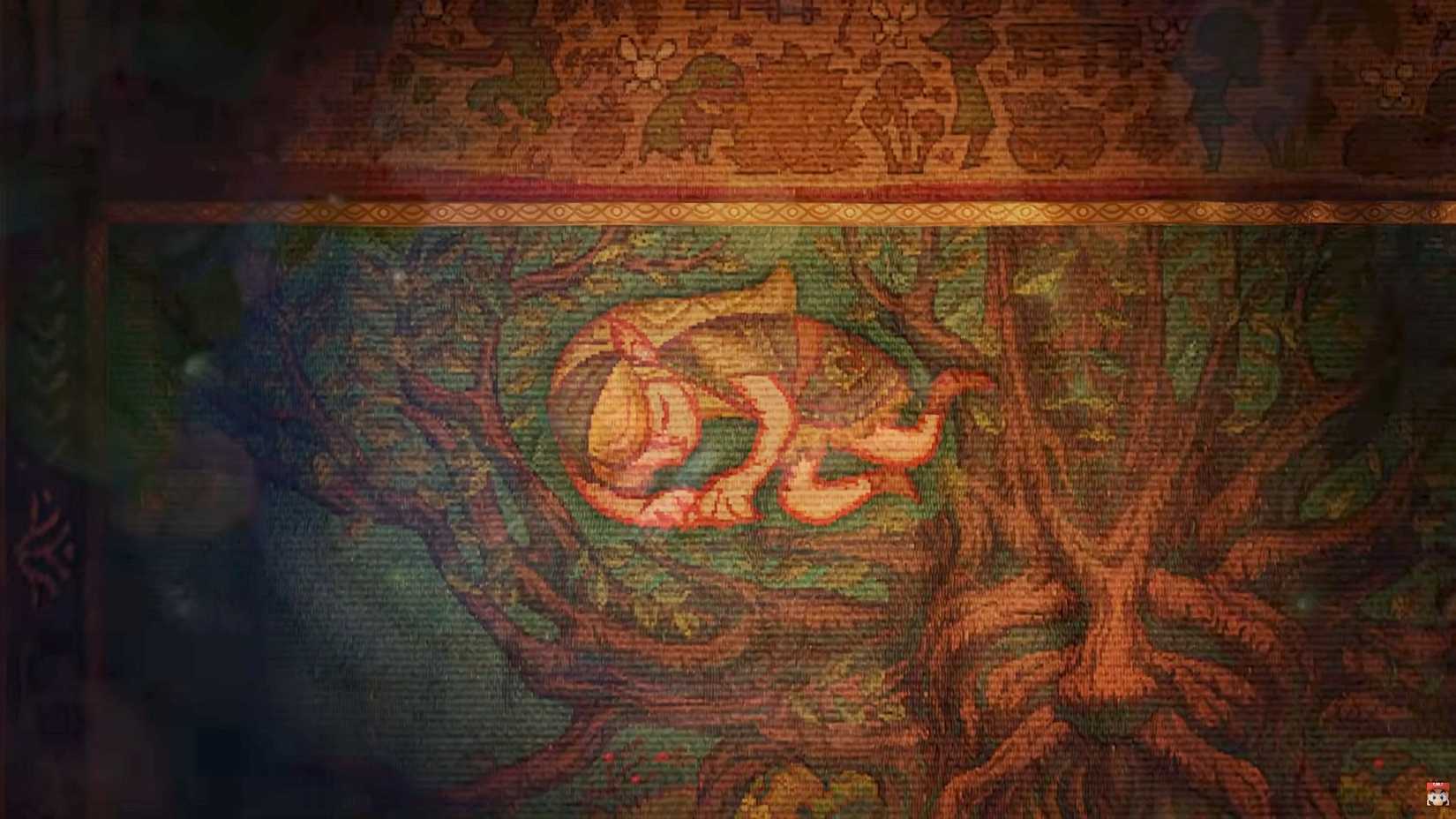
If this remake succeeds, it provides a blueprint for how Nintendo intends to handle its back catalog. Rather than relegating classic titles to legacy service subscriptions, Nintendo is proving that these games have the weight to carry a full-priced physical release. It suggests that the future of Zelda may involve a two-pronged approach: one path for experimental, large-scale open-world titles like Tears of the Kingdom, and another for the "prestige" remastering of the series’ historical pillars.
The Next Generation
For the Switch 2, this is a litmus test. By choosing a heavy hitter like Ocarina of Time to anchor the holidays, Nintendo is setting a standard for what the next generation’s library will look like. It indicates that the company is moving away from the "filler" strategy of the late-Switch years and back toward a focus on prestige, quality-first releases that demand attention regardless of what else is happening in the industry.
Ultimately, whether the Ocarina of Time remake turns out to be a definitive reimagining or a faithful, high-definition remaster, its placement on the calendar is the real story. Nintendo is declaring that the era of quiet holidays is over. They are reclaiming the end-of-year window, not out of desperation, but out of a clear, renewed sense of brand authority. For fans, this means the return of the "big Nintendo holiday," and for the industry, it is a reminder that when Nintendo decides to make a move, they do it on their own terms.

