

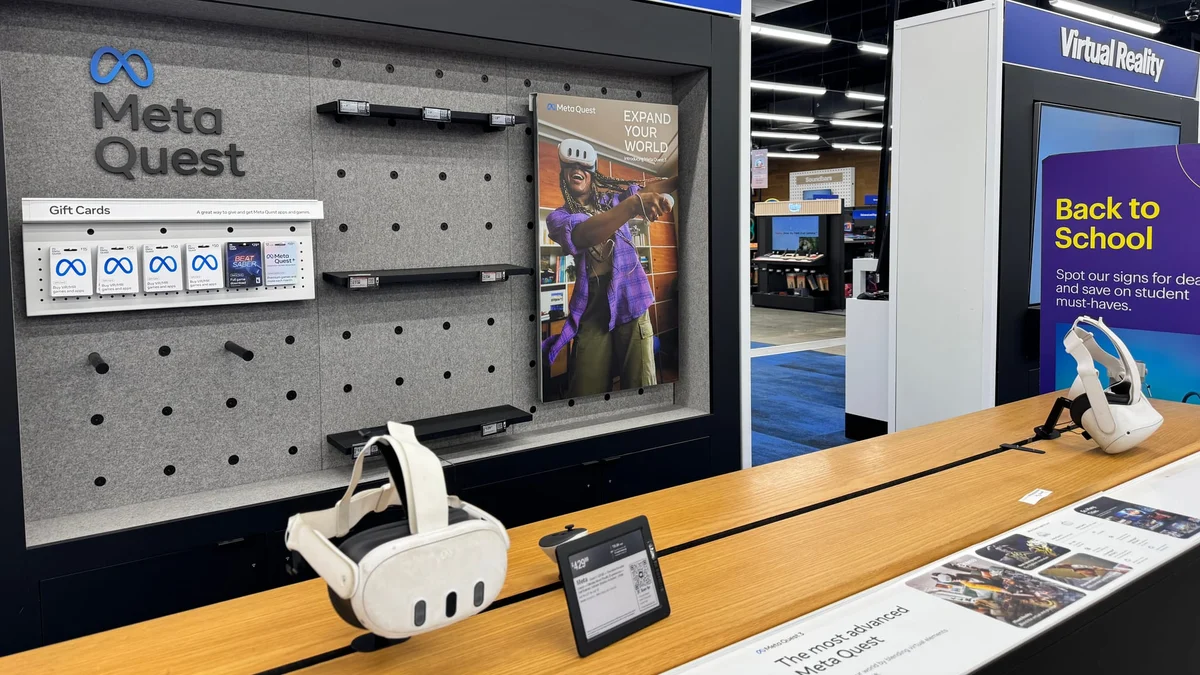
In a strategic maneuver to accelerate the mainstream adoption of spatial computing and wearable technology, Meta has announced a massive retail expansion. The company is set to launch “Meta Lab” branded store-in-store sections across 50 Best Buy locations throughout the United States and Canada. This initiative marks a significant departure from the passive retail presence Meta has maintained for over a decade, signaling a move toward high-touch, guided consumer experiences for its Quest headsets and Ray-Ban Meta smart glasses.
The Strategy: Hands-On Discovery in a Digital Age
For years, the challenge of selling Virtual Reality (VR) and Mixed Reality (MR) hardware has been the "try-before-you-buy" gap. While Meta has maintained a presence in Best Buy stores for over ten years, the responsibility of demoing and explaining these complex devices historically fell to generalist retail staff. Reports and industry sentiment have frequently suggested that this model led to suboptimal consumer experiences, where the nuances of spatial computing were often lost on both staff and prospective buyers.
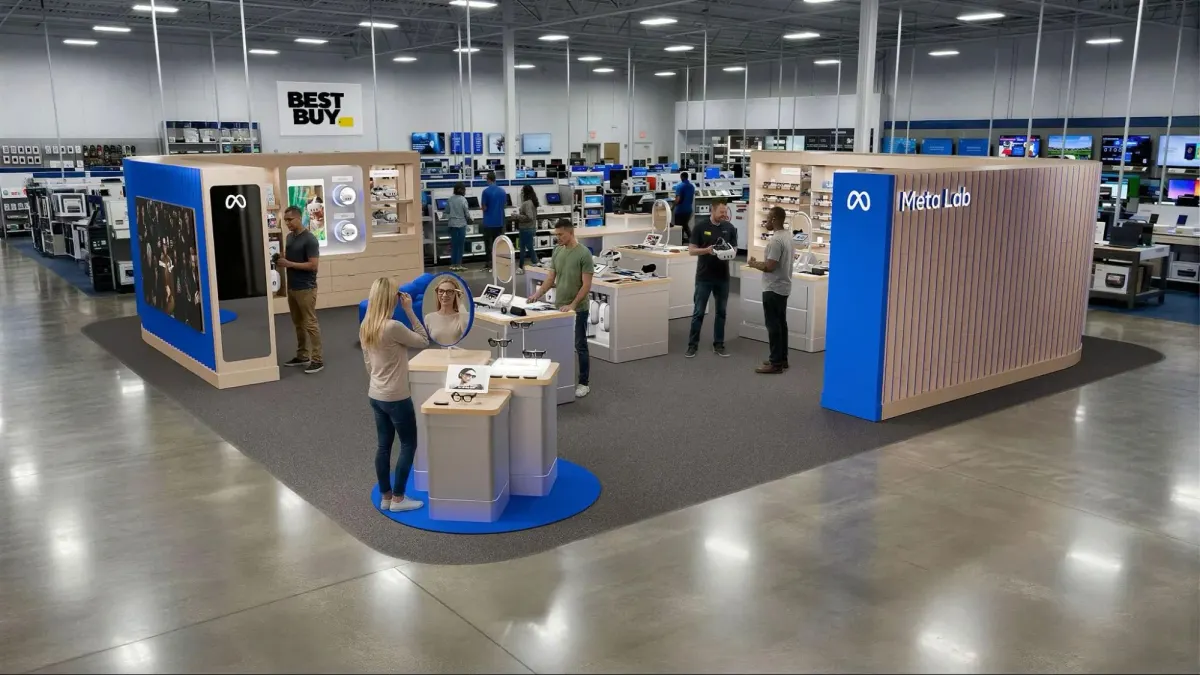
The new Meta Lab sections, described as roughly 900-square-foot "store-in-store" environments, are designed specifically to bridge this gap. By controlling the environment, lighting, and, most importantly, the personnel, Meta is attempting to curate a premium brand experience that mirrors the success of Apple’s retail strategy.
A Chronology of Meta’s Retail Ambitions
Meta’s path to the Best Buy partnership has been a deliberate, albeit cautious, exploration of physical retail:
- The Early Years (2014–2021): Meta (then Facebook) relied on existing retail partnerships, primarily through Best Buy, to move units of the Oculus line. These setups were largely transactional, focusing on shelf presence rather than experiential engagement.
- The Burlingame Milestone: Recognizing the need for a dedicated space, Meta opened its first branded storefront in Burlingame, California. This facility served as a testing ground for hardware demonstrations.
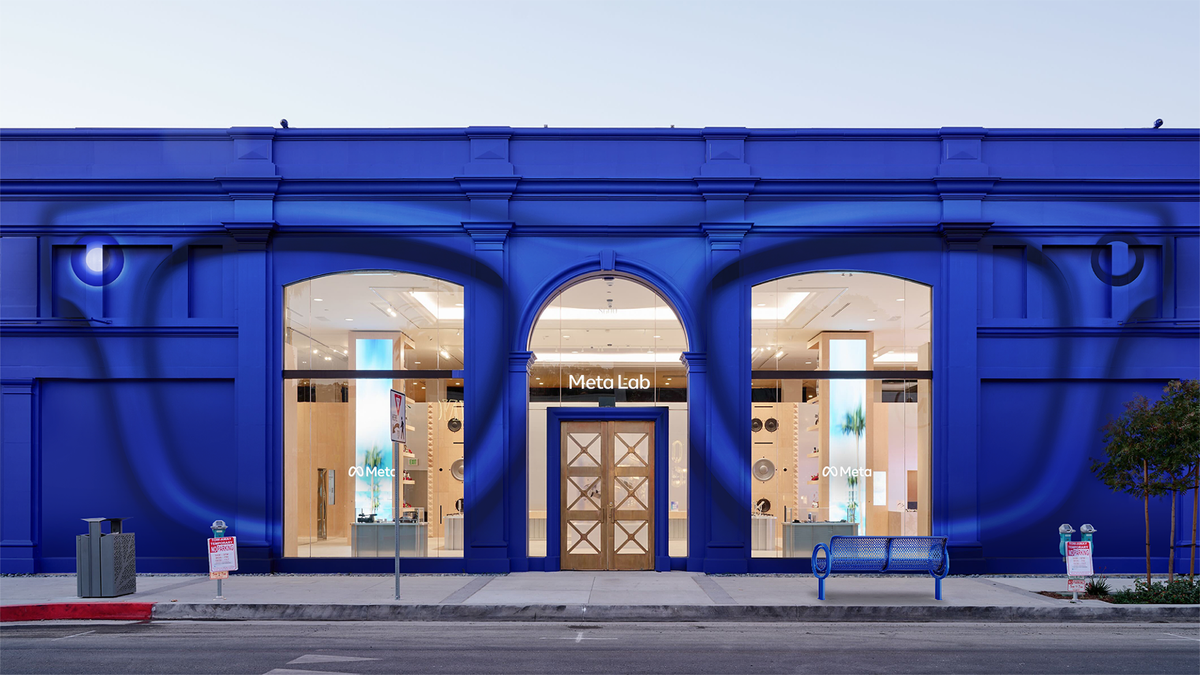
- The LA Expansion (2025): Late last year, Meta expanded its footprint by opening a flagship store in Los Angeles. This move served as a proof-of-concept for the "Meta Lab" branding, offering a more refined look at their product ecosystem, including smart glasses.
- Pop-up Success: Temporary installations in high-traffic urban centers like New York and Las Vegas allowed Meta to gather data on customer traffic, dwell time, and the effectiveness of guided demos.
- The Best Buy Rollout (2026): The current announcement marks the formal scaling of these lessons. With the first two locations in San Bernardino and San Carlos, California, opening this Friday, the company has set a roadmap to reach 50 locations by the end of 2026.
Supporting Data and the "Meta Sales Specialist" Model
The cornerstone of the Meta Lab model is the introduction of "Meta Sales Specialists." These are not standard retail associates; they are trained professionals tasked with facilitating "guided immersive demos."
For the Quest ecosystem, this involves a curated walkthrough where potential users can experience "theater mode" for movies, high-intensity interval training (HIIT) fitness applications, or immersive gaming. By guiding the user through the initial friction points—such as headset fit, lens adjustment, and software navigation—Meta aims to increase the conversion rate of casual observers into long-term users.

The smart glasses component of the store will feature an "expansive assortment" of styles. Perhaps most notably, the demos will include the Meta Ray-Ban glasses paired with the Meta Neural Band, a sophisticated interface that allows for hands-free control. This represents a significant technical step up from the standard demos currently available in electronics aisles, requiring a level of expertise that justifies the existence of these dedicated stalls.
Geographic Rollout Schedule
The deployment is calculated to capture diverse market demographics:
- Immediate Launch: San Bernardino, CA and San Carlos, CA (This Friday).
- Mid-Summer Wave: Roseville, MN; Woodland Park, NJ; Greenville, SC; and Columbus, OH.
- Long-Term Goal: A nationwide and cross-border footprint of 50 locations by year-end 2026.
Official Perspectives: Shaping the Narrative
Meta has been clear about its intent: to demystify the technology. In official communications, the company emphasizes that these spaces are designed for "hands-on discovery."
From the consumer perspective, the change is designed to feel less like buying a standard piece of consumer electronics and more like interacting with a personal consultant. For the tech enthusiast or the curious shopper, the transition from a cluttered electronics shelf to a controlled, 900-square-foot environment is intended to signal that Meta’s hardware is not merely a gaming accessory, but a lifestyle product—one that requires a proper fitting and a thoughtful introduction to be fully appreciated.
Industry analysts note that this shift is essential for Meta. As the hardware moves from the fringe of "gaming" into the realm of "smart wearables," the brand must shed the image of a niche tech firm and adopt the persona of a consumer fashion and lifestyle company.
Implications: The Future of Spatial Retail
The pivot to Meta Labs has profound implications for both Meta and the broader tech industry.

1. Elevating the "Try-Before-You-Buy" Experience
The VR/MR industry has long struggled with "demo fatigue." Poorly calibrated headsets or lack of guidance can lead to motion sickness or general confusion, which is a death knell for a sale. By standardizing the demo process through trained specialists, Meta is essentially creating a quality-control barrier between the user and the device. If successful, this will set a new industry standard for how wearable tech should be sold.
2. Competitive Pressure
This move directly challenges competitors in the spatial computing space. When a consumer can walk into a local Best Buy and have a seamless, high-quality demo of a Quest headset, it increases the barrier to entry for smaller manufacturers who lack the capital to invest in dedicated retail footprints. Furthermore, it forces companies like Apple (with the Vision Pro) and various AR glass manufacturers to re-evaluate their own retail strategies.
3. The "Fashion-Tech" Convergence
By grouping smart glasses with Quest headsets, Meta is making a bold statement: the company is a player in the fashion industry as much as the tech industry. Ray-Ban Meta glasses are being positioned as accessories. The ability to try on various styles in a dedicated lab setting mimics the luxury shopping experience, which is a major departure from the typical "specs on a box" approach.
4. Sustaining Ecosystem Growth
Meta’s revenue growth is increasingly tied to the "ecosystem" of software and services available on its hardware. By getting more people to experience the hardware in a high-quality setting, Meta is priming the pump for future digital content sales. The more comfortable a consumer feels with the headset, the more likely they are to engage with the Quest store for fitness subscriptions, games, and productivity software.
Conclusion
The transformation of 50 Best Buy stores into Meta-branded hubs is a calculated, multi-year investment in brand equity. By moving away from the impersonal retail models of the past and toward a high-touch, consultant-led sales environment, Meta is signaling that its hardware has matured.
As we look toward the end of 2026, the success of these 50 locations will likely dictate the next phase of Meta’s retail strategy. If the Meta Labs can successfully convert the "curious shopper" into a "devoted user," the company will have effectively solved one of the most persistent problems in the history of consumer electronics: how to sell a vision of the future to a skeptical public. For now, the stage is set, the trainers are prepared, and the next two years will be the ultimate test of whether physical retail remains the missing piece of the metaverse puzzle.

