

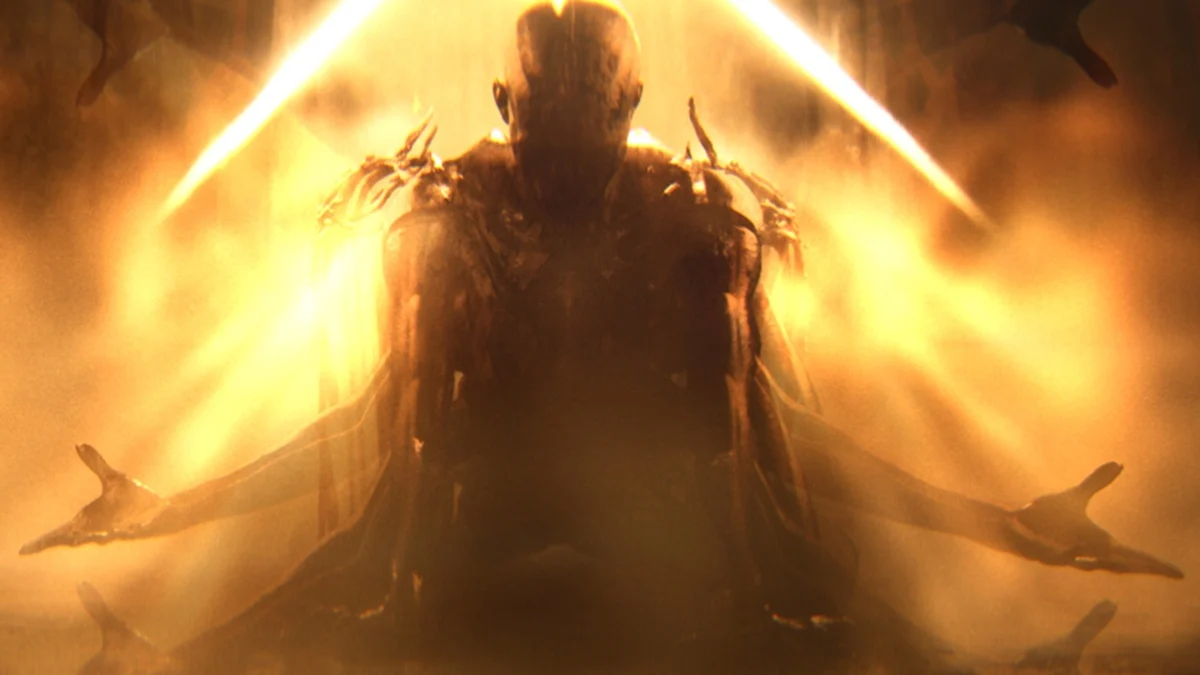
The gaming industry is currently navigating a period of unprecedented volatility, characterized by sweeping layoffs, studio consolidations, and a fundamental shift in how parent corporations evaluate the "viability" of their creative assets. At the epicenter of the latest storm is Ninja Theory, the critically acclaimed developer behind the Hellblade franchise. Following a high-profile announcement at the June 7 Xbox Showcase, reports have emerged suggesting that the studio’s latest project, a new Senua title, may have been a strategic maneuver to mask a grim reality: Microsoft is reportedly looking to divest or shutter the studio entirely.
The Core Revelation: A Showcase or a Smoke Screen?
On June 7, the Xbox Showcase provided a momentary glimmer of hope for fans of atmospheric, narrative-driven action games. Ninja Theory took the stage to announce a third installment in the Hellblade series. However, the excitement was short-lived. A report from industry veteran Stephen Totilo, corroborated by investigative insights from outlets such as Bloomberg, suggests that the announcement was less of a creative milestone and more of a "for sale" sign.
According to these reports, Microsoft had effectively reached a decision regarding the future of Ninja Theory well before the showcase. The studio, which has been a jewel in the crown of Xbox Game Studios for its technical prowess and narrative depth, is allegedly being positioned for a spinoff or a total shutdown. The reveal of the new Senua title was reportedly a calculated effort to inflate the studio’s perceived value to potential investors, effectively using the project as bait to attract a buyer who might be willing to acquire the developer as a going concern.
Chronology of the Crisis: From Acquisition to Contraction
To understand how Ninja Theory arrived at this precipice, one must look at the timeline of its relationship with Microsoft.
The Acquisition Era (2018)
In 2018, Microsoft acquired Ninja Theory during a frantic period of studio expansion. At the time, the acquisition was celebrated as a strategic coup for Xbox, which was desperate to bolster its library of first-party narrative exclusives. Ninja Theory’s work on Hellblade: Senua’s Sacrifice had already established them as a premier developer capable of high-fidelity, high-emotion experiences.
The Development Cycle (2019–2024)
For several years, Ninja Theory operated under the Xbox banner with relative autonomy. However, the industry began to shift post-pandemic. Rising development costs, the "Games as a Service" (GaaS) pressure, and a cooling of the investment market led Microsoft to re-evaluate its massive portfolio. The development of Senua’s Saga: Hellblade II was a prolonged, technically demanding process that took years to materialize, highlighting the conflict between "prestige" gaming and the corporate demand for rapid, scalable returns.
The June 2024 "Bloodbath"
As June approached, rumors of further contractions within Xbox Game Studios began to surface. While the June 7 showcase was intended to demonstrate a vibrant future, internal sources suggest it was actually the final act of a long-planned exit strategy. By unveiling the next Senua game, Microsoft sought to demonstrate that the studio’s "pipeline" remained active, thereby making Ninja Theory a more attractive asset for potential buyers or venture capital firms looking to enter the AAA space.
Supporting Data: The Broader Context of Industry Contraction
The situation surrounding Ninja Theory is not an isolated incident but rather a symptom of a systemic "correction" within the gaming industry. According to industry tracking data, over 10,000 gaming jobs were lost in 2023 alone, and 2024 is currently trending to exceed that figure.
The "Cost of Quality" Dilemma
AAA development has reached a point of diminishing returns. Hellblade II, while lauded for its photorealistic graphics and performance capture, represents a genre—the single-player, linear action-adventure—that is notoriously difficult to monetize beyond a single point-of-sale transaction. In an era where Xbox is heavily incentivized to prioritize Game Pass subscriber retention and long-tail engagement, projects that offer a 10-hour, high-budget experience are increasingly viewed as financial liabilities.
The Portfolio Rationalization
Microsoft’s internal strategy, often referred to as "portfolio rationalization," involves trimming the fat to focus on high-impact intellectual properties (IPs). Studios like Compulsion Games and Double Fine have also been identified by analysts as potentially vulnerable. The logic is cold: if a studio’s next project cannot guarantee millions of active monthly users or recurring revenue, it is considered expendable in the current economic climate.
Official Responses and Corporate Silence
As of this writing, Microsoft and Xbox leadership have remained largely tight-lipped regarding the specifics of the reports. When reached for comment, spokespeople for Xbox generally point to a "commitment to supporting our creative teams," while simultaneously emphasizing the necessity of "long-term sustainability."
This corporate rhetoric, while standard, does little to reassure the developer community. The lack of an explicit denial regarding the "for sale" status of Ninja Theory is, to many analysts, a tacit admission. In the world of high-stakes corporate mergers and acquisitions, the silence is often as telling as the statement. The industry is waiting to see if Microsoft will issue a formal statement on the "re-structuring" of its internal studios, but until then, the staff at Ninja Theory remains in a state of professional limbo.
Implications: What This Means for the Future of Gaming
If Ninja Theory is indeed offloaded or shuttered, the implications for the broader gaming landscape are profound.
The Erosion of "Prestige" Gaming
The potential loss of the Senua franchise would serve as a chilling reminder that, in the eyes of major conglomerates, artistic prestige does not equate to financial security. If a studio that produces industry-leading, award-winning content can be discarded, then no studio is safe. This inevitably leads to a homogenization of game design, where developers are discouraged from taking creative risks for fear of being liquidated by their parent company.
The Rise of Independent Spinoffs
Conversely, if Ninja Theory is successfully sold to a private buyer or allowed to spin off into an independent entity, it could set a precedent for other "trapped" studios. While the transition would be fraught with financial risk, independence would grant the developers the freedom to pursue projects that don’t need to fit into the rigid, growth-oriented model of a platform holder like Microsoft.
The Impact on Consumer Trust
For the gaming public, this saga serves as a breach of trust. Consumers invest time and emotional capital into series like Hellblade with the expectation that the story will be completed. If the announcement of a game is merely a marketing ploy to facilitate a corporate exit, it tarnishes the relationship between the brand and the player. Gamers are becoming increasingly wary of purchasing titles from studios whose long-term existence is in doubt.
Conclusion: A Precarious Crossroads
The story of the new Senua game is currently a tale of two realities. On one hand, it is a project that promised to push the boundaries of narrative gaming. On the other, it is a pawn in a larger game of corporate survival. Whether this game ever reaches a console screen remains a question of high-stakes negotiation behind closed doors.
For now, the industry watches with bated breath. If the reports hold true, the fate of Ninja Theory will serve as a definitive marker of the current era—a time when the pursuit of creative excellence is constantly clashing with the brutal realities of the balance sheet. For the developers at Ninja Theory, and for the fans of Senua, the next few months will be a tense waiting game to see if their journey concludes with a triumphant release or a quiet, tragic fading away.

