

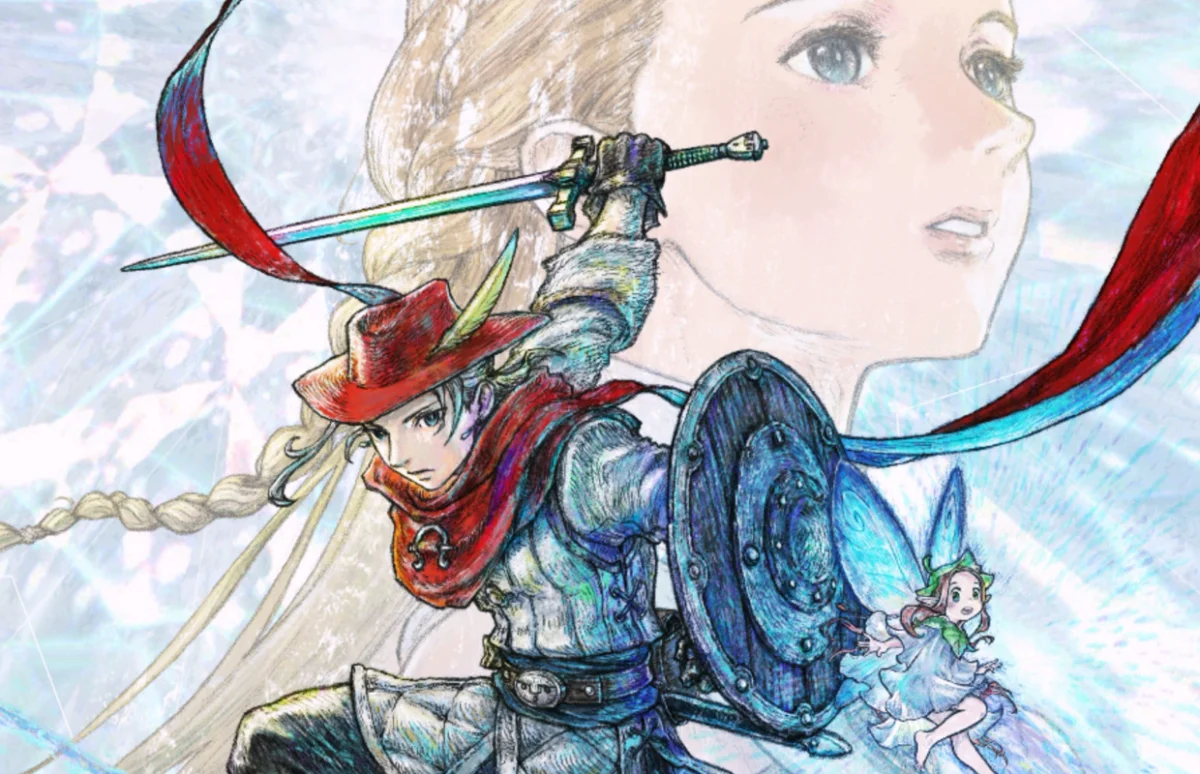
The arrival of The Adventures of Elliot: The Millennium Tales marks a significant milestone in the evolution of the HD-2D aesthetic. As the first title in this acclaimed visual lineage built exclusively for current-generation hardware, expectations for its technical performance and visual fidelity have been sky-high. With a simultaneous release across PlayStation 5, PlayStation 5 Pro, Xbox Series X, Nintendo Switch 2, and PC, the game presents a complex tapestry of varying optimization levels.
To provide players with a comprehensive guide on where to experience this new action RPG, we have conducted an extensive cross-platform analysis, testing the full game build against the initial demo data to ensure our findings reflect the final retail experience.
Main Facts: A New Benchmark for HD-2D
The Adventures of Elliot: The Millennium Tales is a bold departure for the sub-genre. Historically, HD-2D titles were designed with flexibility in mind, often catering to older hardware like the original Switch or PlayStation 4. This new entry sheds that legacy, aiming to leverage the raw power of current-gen architecture.
The game is available now on:
- PlayStation 5 / PS5 Pro
- Xbox Series X
- Nintendo Switch 2
- PC (Steam / Xbox on PC)
Despite its ambitious goals, the game presents a uneven performance profile. While the artistic direction remains breathtaking, the technical implementation—particularly on PC and the Nintendo Switch 2—reveals a disparity between the developer’s vision and the realities of cross-platform optimization.
Chronology: From Demo to Full Release
The path to launch has been one of high anticipation, fueled by a robust "Prologue Demo." During the pre-launch phase, players noted several technical hurdles, most notably regarding frame rate caps and resolution scaling on PC.
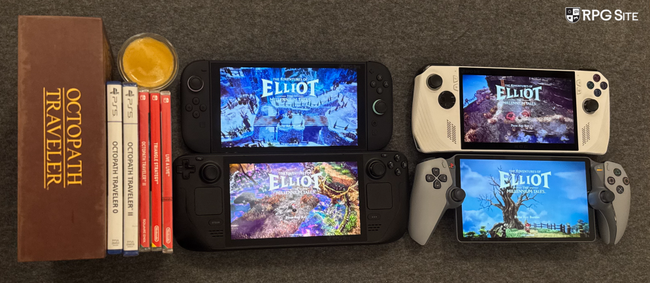
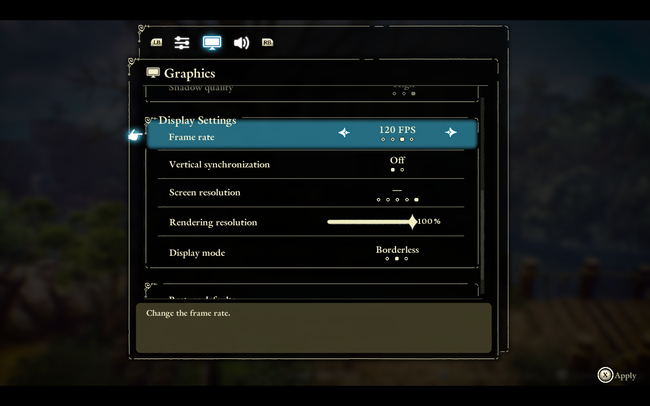
After testing the final retail build, it is evident that while some aspects have been refined, several legacy issues persist. The PC version remains "bare-bones," lacking the deep customization options expected by the modern enthusiast crowd. Furthermore, the stuttering issues identified in the demo phase—reminiscent of the Dragon Quest I & II HD-2D Remake—have unfortunately carried over to the full release, complicating the experience for those using handheld PCs like the ROG Ally.
Supporting Data: Performance and Load Times
The technical performance of The Adventures of Elliot varies wildly depending on the ecosystem. Our testing involved measuring load times from the platform dashboard to the title screen, as well as the transition from menu to active gameplay.
Comparative Load Times (in seconds)
| Platform | Dashboard to Title | Loading Save |
|---|---|---|
| PS5 | 8 | 5-6 |
| PS5 Pro | 6-8 | 5-6 |
| Xbox Series X | 12 | 8 |
| Switch 2 | 9-10 | 11-13 |
| Steam Deck | 14-15 | 9 |
| ROG Ally (Steam) | 8 | 9 |
| ROG Ally (Xbox) | 35-50 | 8-9 |
The data highlights a clear hierarchy. The PlayStation 5 ecosystem currently offers the most consistent load times, followed closely by the Steam-based PC experience. The outlier remains the Xbox on PC platform, which suffers from extended initial boot times, likely due to aggressive cloud-sync verification processes.
Visual Fidelity and Shimmering Issues
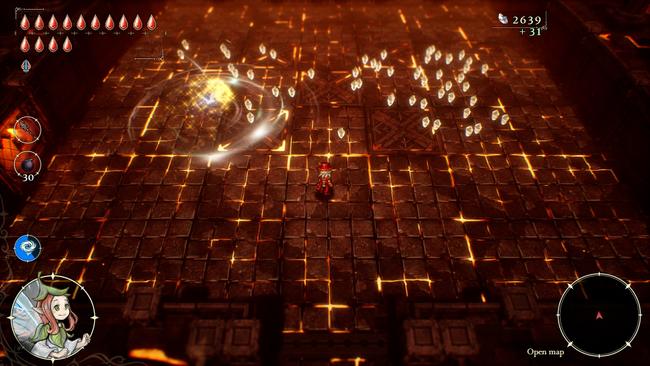
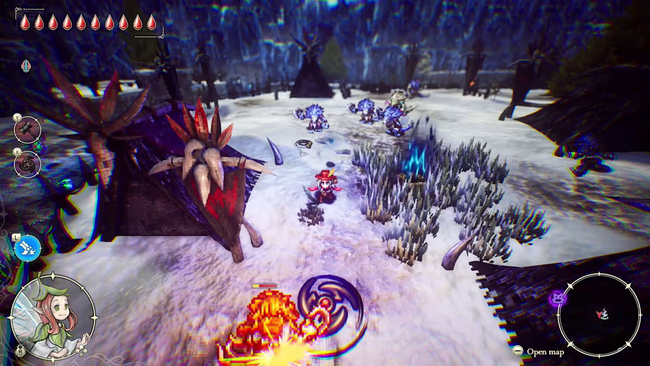
The game’s aesthetic, while beautiful, is demanding. At lower resolutions, the detailed environmental assets—such as dense foliage and intricate water effects—frequently suffer from "shimmering." This occurs when the render resolution cannot maintain a stable pixel density, leading to jagged edges and unstable image reconstruction.
- PS5 & Xbox Series X: Both consoles target a dynamic 4K resolution. The Series X appears to maintain a slightly crisper image during high-motion sequences, while the PS5 Pro—utilizing its proprietary Boost Mode—provides the most stable and visually refined experience currently available on consoles.
- Switch 2: The hybrid console struggles to maintain a consistent image. The game feels as though it was designed for powerful stationary consoles and subsequently downscaled, resulting in a "soft" image that struggles to hit a locked 60fps.
- PC: The PC version offers the most potential but requires the most work. Users must manually manage resolution scales and frame rate targets (30/60/120). Notably, the game currently lacks native support for 16:10 aspect ratios, which is a significant drawback for Steam Deck users.
Official Responses and Developer Intent
While Square Enix has not issued a formal "day-one" patch roadmap, the community discourse surrounding the PC stuttering and the lack of visual presets on consoles has been noted by the studio’s technical support channels.
The developer’s decision to use a low-quality, pre-rendered title screen video across all platforms—rather than an in-engine, real-time render—has drawn criticism. This choice, combined with the lack of advanced graphical toggles, suggests that the focus was primarily on cross-platform parity rather than hardware-specific optimization.
Implications for the Player
Where should you invest your time and money?
For the TV Gamer
The PS5 Pro is the undisputed champion for home-console play, offering the best image quality. If you are playing on a standard PS5 or Xbox Series X, you will still enjoy a high-quality experience, though you may notice the occasional "soft" image on 4K displays due to the lack of a native 4K target.
For the Handheld Enthusiast
The experience on the Nintendo Switch 2 is currently disappointing for those seeking a premium, portable HD-2D experience. The shimmering and performance dips make it difficult to recommend over the Steam Deck. If you own a Steam Deck, we recommend a 30fps cap at high settings or a 45fps cap at a reduced 70% resolution scale to maintain visual stability.
The Stuttering Factor
The PC version is currently in a state of flux. Until a patch addresses the shader compilation stuttering that plagues the Windows version, users may find a more consistent experience playing via Linux/Proton on a Steam Deck, where the overhead is managed more effectively.
Looking Ahead: A Call for Optimization
The Adventures of Elliot: The Millennium Tales is a brilliant game buried under layers of sub-optimal technical implementation. For the developers, the path forward is clear:
- PC Patching: Address the stuttering during gameplay and add advanced graphical settings.
- Switch 2 Quality Mode: Provide an optional 30fps mode that prioritizes resolution and anti-aliasing to eliminate the current shimmering.
- UI/UX Accessibility: Introduce the ability to disable screen shake and "hit stop" effects, which have been reported to cause motion sickness in some players.
As it stands, The Adventures of Elliot is a testament to the beauty of the HD-2D style, but it serves as a stark reminder that even the most beautiful art requires a stable canvas to truly shine. We will continue to monitor the game for post-launch updates and provide further guidance as patches arrive to rectify these shortcomings.
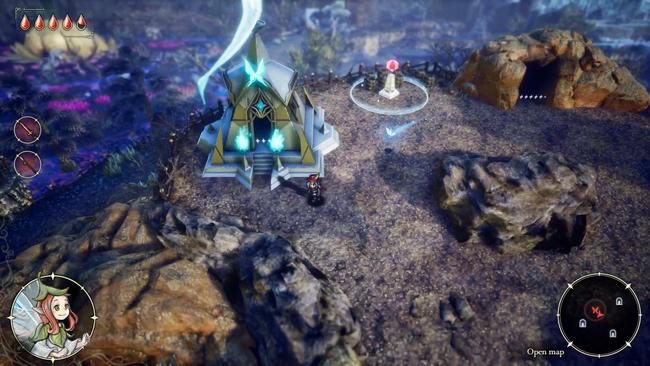
Whether you choose to brave the stuttering on PC or the softness on Switch 2, the core narrative of The Millennium Tales remains a compelling adventure—one that, with a bit more polish, could easily stand among the greatest RPGs of the generation.

