

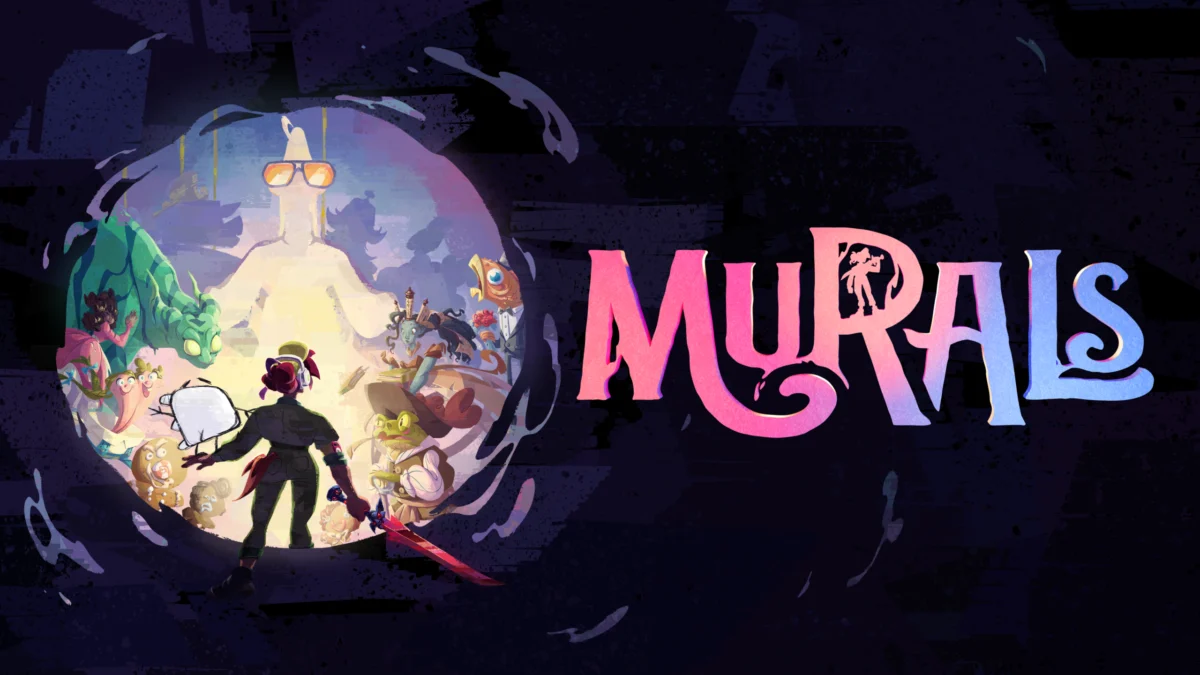
The landscape of British video game development is often defined by the giants of the industry, but tucked away in the heritage-rich corners of Essex, Dlala Studios has been quietly—and then quite loudly—carving out a path that defies conventional wisdom. Recently, the studio captured global attention at Gamescom Opening Night Live 2026, not just for the announcement of their ambitious new title, Murals, but for the revelation that British comedy titan Bob Mortimer has joined the cast. For those unfamiliar with the UK comedy circuit, Mortimer is a luminary, a master of surrealist humor, and one half of the iconic duo Reeves and Mortimer. His inclusion in Murals serves as both a testament to the studio’s rising prestige and a signal of their bold move into original intellectual property.
The Genesis of a Comedy Collaboration
The story of how Bob Mortimer came to voice the character of ‘Magic Dave’ in Murals is one of audacity, persistence, and a healthy dose of "what if?"
According to Dlala founder Aj Grand-Scrutton, the character was initially conceived as a stylistic "rip-off" of the comedian. As the writing team, led by Kelsy Abbott, fleshed out the character’s quirks and cadence, the studio reached a crossroads: settle for an imitation, or dare to approach the legend himself.
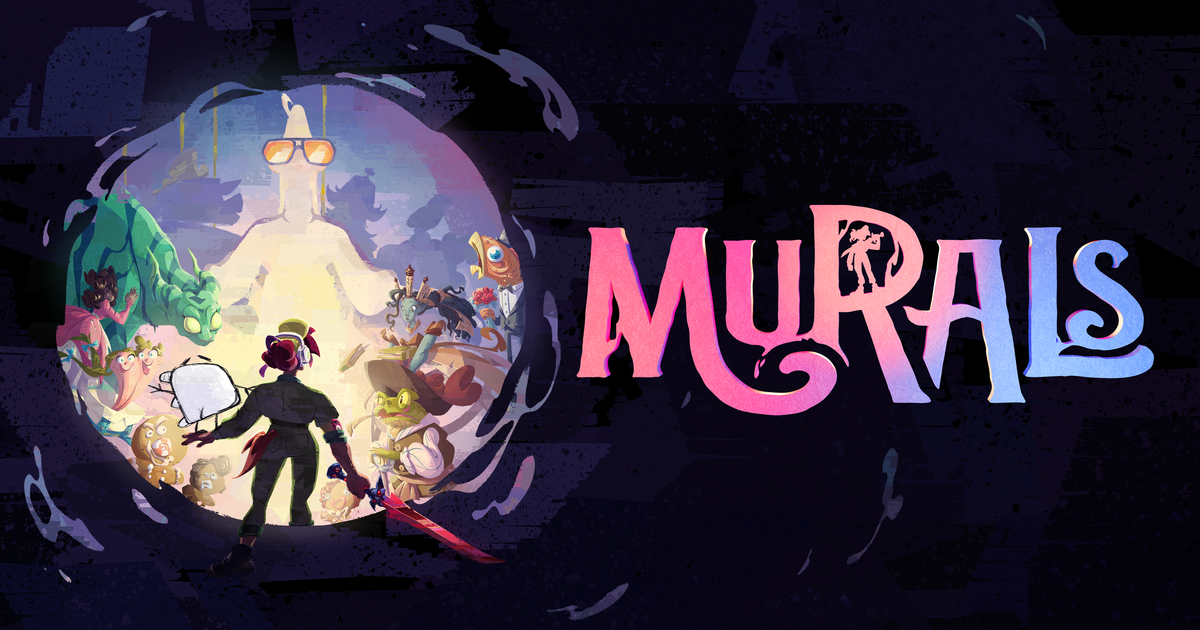
"One day I was sitting at my desk, and thought: ‘What’s the harm in just asking?’" Grand-Scrutton shared during an interview at Gamescom. The process was surprisingly fluid. Through a connection at the voice-casting agency Side, Grand-Scrutton managed to reach Mortimer’s representatives. Within a few hours, the team was told that Mortimer was intrigued, provided he could review a script.
The ensuing 48 hours were described by Grand-Scrutton as "the longest of his life." The studio had only a collection of gags; they had to synthesize the essence of Mortimer’s unique brand of humor overnight. The anxiety was palpable—the team questioned whether it was arrogant to present a "Mortimer-style" script to the man himself. However, the feedback was instantaneous and glowing: Mortimer loved the material. When the recording sessions began in London, the studio found that the comedian was even more professional and effortlessly funny in person than on screen, requiring almost no direction to hit the perfect comedic notes.
A Chronology of Resilience: From Jagex to Independence
Dlala Studios’ journey is a narrative of earned trust. Founded in 2012 by Grand-Scrutton and Craig Thomas, the pair met while working at the UK powerhouse Jagex. The early years were modest, with the studio operating out of a garage in Witham, Essex. Today, the company employs 43 people, operating from an office just streets away from where Grand-Scrutton grew up, grounding the company in its local roots even as it reaches for international acclaim.

The Era of IP Partnerships
Dlala’s rise was built on a foundation of high-profile licensed work. Unlike many studios that rely on traditional, high-pressure licensing deals, Dlala has historically been recruited directly by IP holders who recognize their specific technical and aesthetic capabilities.
- 2012–2016: The Foundation: The studio spent years proving its worth through work-for-hire projects, including significant contributions to Rare’s Sea of Thieves. It was during this period that Grand-Scrutton began a multi-year campaign to pitch a Battletoads revival to then-Rare studio head Craig Duncan.
- 2018–2020: The Battletoads Breakthrough: After years of persistence and demonstrating their value on Sea of Thieves, Dlala secured the rights to develop Battletoads. The title’s release in 2020 served as a "proof of concept" for the industry, showcasing that the small team could deliver a polished, full-scale project from end to end.
- 2023: Disney Illusion Island: Following the success of Battletoads, the studio pivoted to an even more ambitious partnership with Disney. This was particularly notable because it followed a painful chapter: a failed $3 million deal with Disney back in 2016. The reconciliation, described by Grand-Scrutton as being like "high school sweethearts meeting up 20 years later," resulted in a critically acclaimed title that served as a masterclass in hand-drawn animation and gameplay design.
Technical Ambitions and Design Philosophy
Murals represents a significant departure from the studio’s previous work. While the studio is known for its mastery of established IP, Murals is their "bet the house" moment. Design director Grant Allen describes the game as a combat-focused title designed to be accessible yet deeply complex.
The core gameplay loop centers on "Eeries," a system of augmentable items that allow players to customize their combat style. Unlike many roguelikes, Murals is a linear experience where these items persist, allowing players to build a sophisticated chemistry set of abilities. The game’s design is a reflection of the lessons learned over a decade of working with industry titans: that the best games combine high-fidelity, hand-drawn aesthetics with responsive, player-driven mechanics.

Financial Strategy: The "No-Royalty" Mindset
In an industry notorious for volatile financial planning, Dlala Studios maintains a refreshingly pragmatic approach. Grand-Scrutton is adamant that their financial spreadsheets do not rely on speculative royalties.
"As far as we’re concerned, our games will make zero," he explains. By not banking on massive, unpredictable windfalls, the studio protects its staff. They have secured the team’s stability outside of the game’s success, ensuring that while the studio’s reputation and creative future are on the line, the individual livelihoods of their 43 employees are not tied to the potential performance of a single title.
This financial independence is supported by a family office in Canada and the studio’s own internal capital, allowing them to fund half of the development themselves. This independence, in turn, has allowed them to bring on Marcus Purvis, formerly of Microsoft’s Lift London, to head up their self-publishing efforts.

The Implications of Self-Publishing
Self-publishing has provided Dlala with an agility that traditional publishing structures often stifle. A prime example of this is their decision to produce a limited-edition comic book tie-in for Murals.
In a traditional publisher-developer relationship, such a project would be subjected to rigorous Return on Investment (ROI) analysis. If a project doesn’t directly contribute to the game’s sales figures, it is often cut. For Dlala, the comic is a passion project—a creative expenditure that adds value to the world they are building, regardless of immediate financial return.
"We can just say, ‘Should we waste a few grand and do something really cool?’" Grand-Scrutton notes. This creative freedom is the primary dividend of their shift toward self-publishing.

Looking Ahead: The Future of Dlala
The announcement of Murals is more than just a game reveal; it is the culmination of a decade of professional maturation. Dlala Studios has evolved from a garage-based startup into a mature entity that knows exactly how to navigate the complex waters of IP negotiation, team management, and, crucially, when to stop playing by someone else’s rules.
While comedy remains a subjective art form, and the history of "funny" video games is littered with failed attempts, Dlala’s commitment to the project is total. By bringing in a talent like Bob Mortimer, they have signaled that they aren’t just looking to make a combat game—they are looking to create a piece of entertainment that carries a distinct, uniquely British voice.
As they move toward the launch of Murals, the industry will be watching closely. Not because they are the biggest studio, but because they represent a blueprint for how independent developers can leverage partnerships to build the capital, tools, and confidence necessary to eventually strike out on their own. Whether Murals becomes a commercial blockbuster or a cult classic, the story of Dlala Studios is already a resounding success for the power of persistence and the importance of having the right voice—be it in a design document or through the microphone of a comedy legend.

