

By Baxter Burchill
Growing up, history often felt like a stagnant subject—a collection of dates and dusty textbooks that lacked the visceral pull of science fiction or the promise of futuristic innovation. I was a child of the digital age, enamored with the sleek aesthetics of body modifications and the limitless potential of lightspeed travel. Yet, as I sit here today, I find myself wondering how different my perspective might have been had I been introduced to the past through the lens of The Adventures of Elliot: The Millennium Tales.
Developed by Square Enix and Claytechworks, The Adventures of Elliot presents a compelling argument: the best way to understand history isn’t through a lecture, but through the high-octane, rhythmic dismantling of monsters in a fantastical, time-warped version of Philadelphia.
The Core Experience: A Genre-Bending Journey
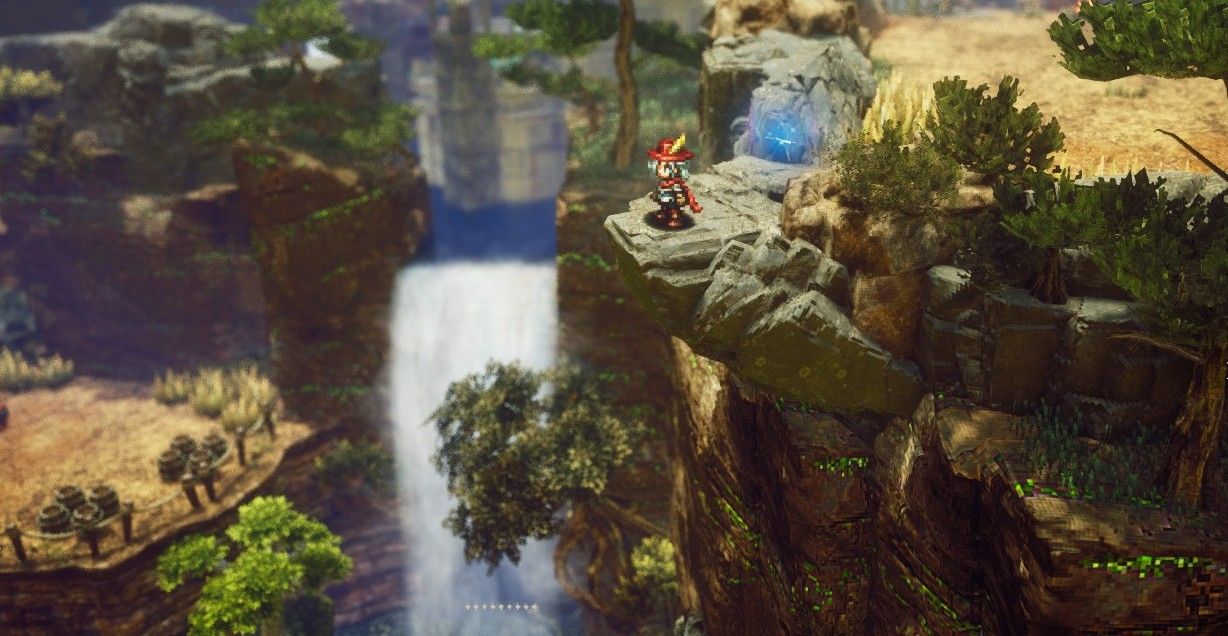
The Adventures of Elliot: The Millennium Tales is a masterclass in the top-down action-adventure genre. At its heart, the game is a love letter to the classics. Playing through it, one can taste the DNA of legendary titles—a healthy smattering of The Legend of Zelda’s exploration, a dash of the frenetic pace of Ys, and the nostalgic warmth of Quintet’s Gaia series.
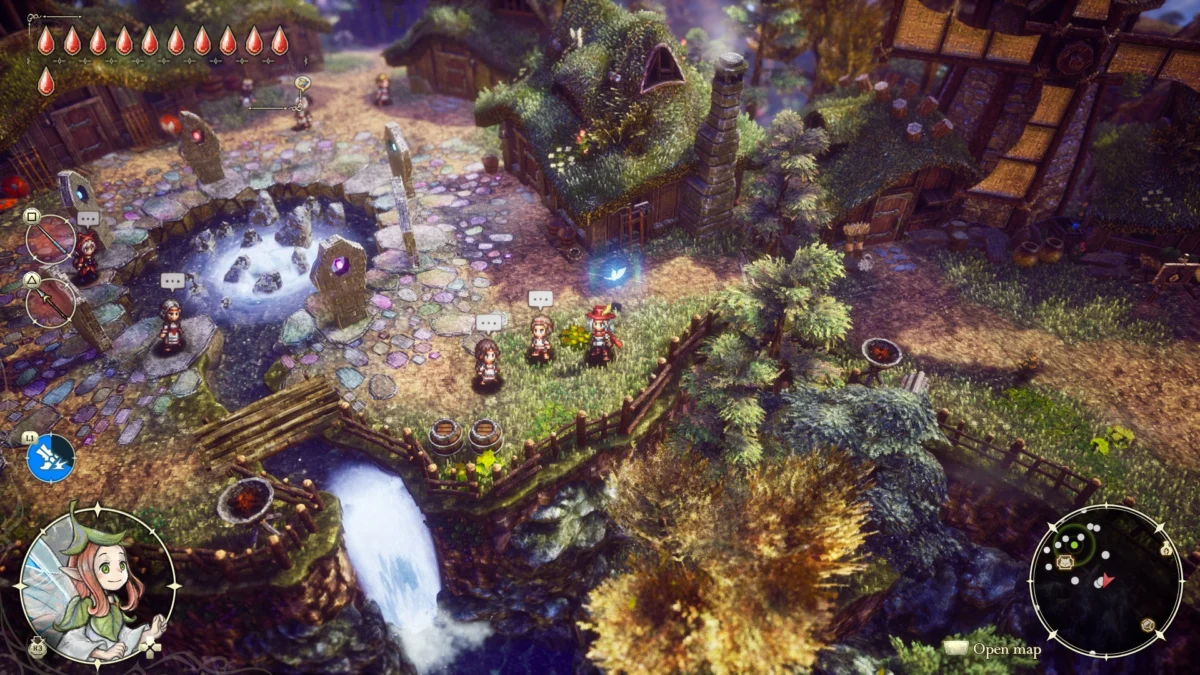
The game centers on the journey of a protagonist named Elliot, whose odyssey through the magic city of Philabieldia (a charming, non-cheesesteak-related fantasy metropolis) is defined by a deep respect for the traditions of the genre. You are provided with a condensed, tightly designed map, a robust arsenal of tools to uncover hidden secrets, and a series of increasingly complex dungeons. These elements are presented through Square Enix’s now-iconic HD-2D visual style, which has arguably reached its aesthetic zenith here.
However, no great hero travels alone. Elliot is accompanied by Faie, a blue fairy who serves as both a navigator and a gameplay mechanic.
The "Yap" Factor: Navigating Companion Dialogue
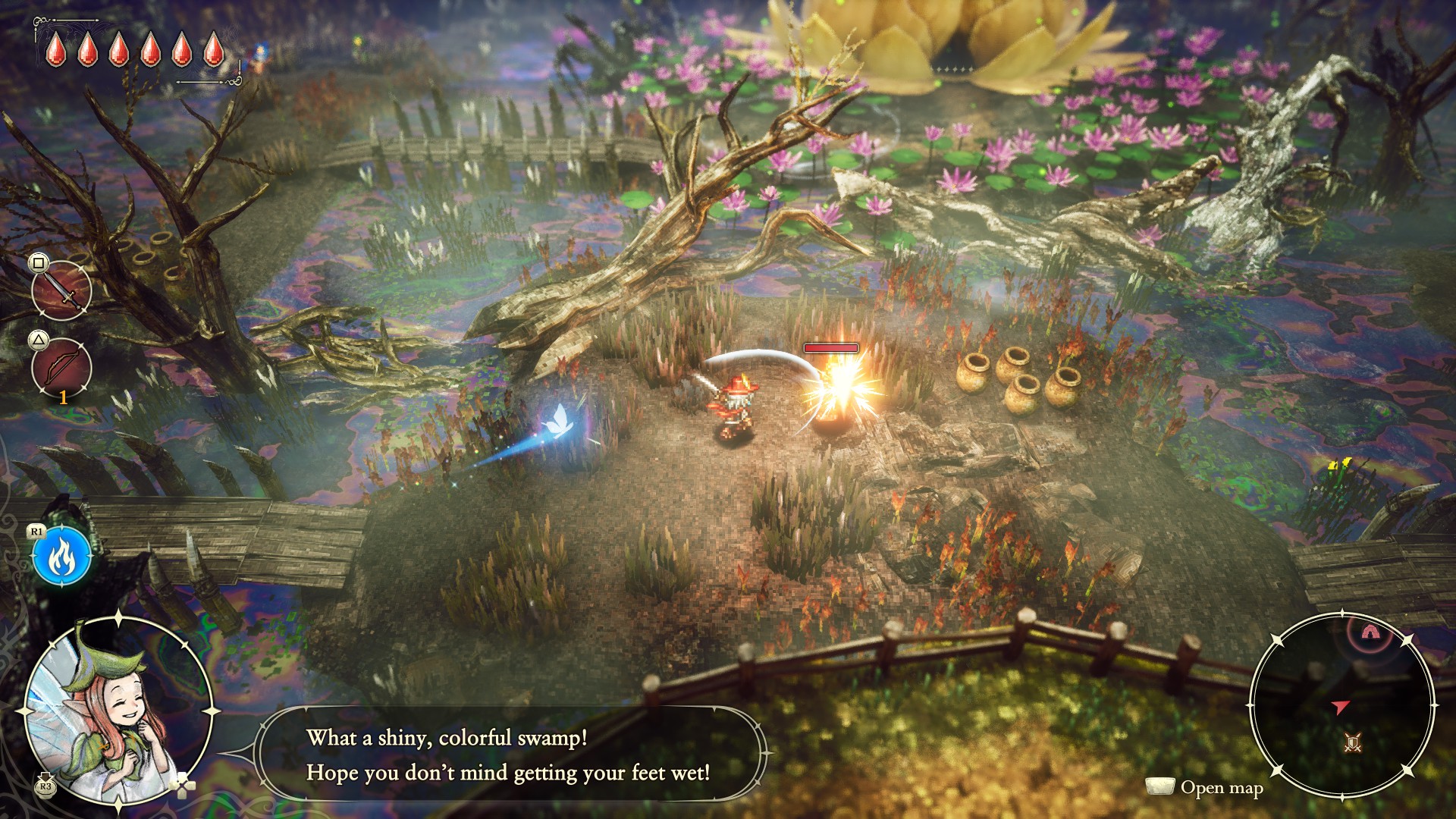
It must be noted: Faie talks. And she talks quite a bit. Her portrait remains anchored in the corner of the screen, reacting to gameplay and cutscenes with the enthusiasm of a hungry content creator. At times, this can feel intrusive; she is prone to narrating your every success, pointing out obvious loot, or explaining the mechanics of simple block-pushing puzzles the very second they appear on screen.
Fortunately, the developers have included an option in the settings menu to toggle the frequency of her dialogue. Once adjusted, Faie transforms from a borderline-unbearable chatterbox into a charmingly optimistic companion. It is a mystery why this is not the default setting, but it is a vital adjustment for any player looking to preserve their sanity.
Mechanical Depth: Beyond the Blade
While The Adventures of Elliot leans on classic turn-based and action-RPG tropes, it introduces significant innovation through Faie’s utility. She is not merely a commentator; she is an extension of the player’s agency.
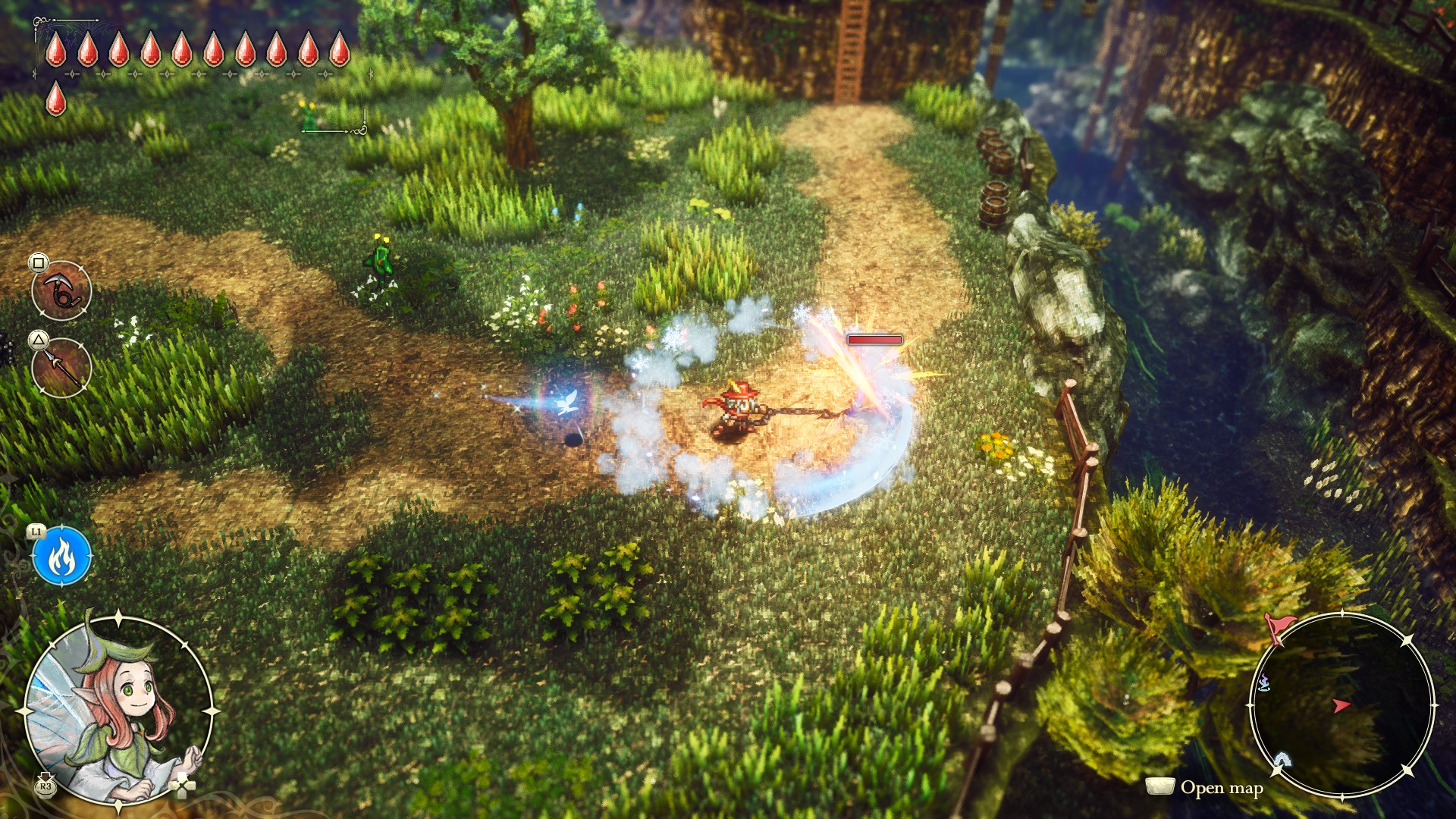
Faie possesses a suite of unique abilities that transform the gameplay loop. I found myself frequently turning her into a "body double" to engage hordes of monsters while I navigated to safety, or utilizing her to warp past tedious dungeon sections. These moments are where the game truly shines, offering the player a sense of "genius cheating" that feels both earned and exhilarating.
Managing these powers can be chaotic—especially when controlling both characters simultaneously—often requiring a "double claw" grip on the controller. However, the payoff is immense. Successfully launching an enemy into a trap by coordinating a hammer strike with a whirlwind attack feels like conducting a violent, perfectly timed symphony.
Chronology: The Four Ages of Philabieldia
The world design of The Adventures of Elliot is its most structurally ambitious feature. By focusing the entire experience on a single, compact region across four distinct time periods, the game creates a profound sense of continuity.
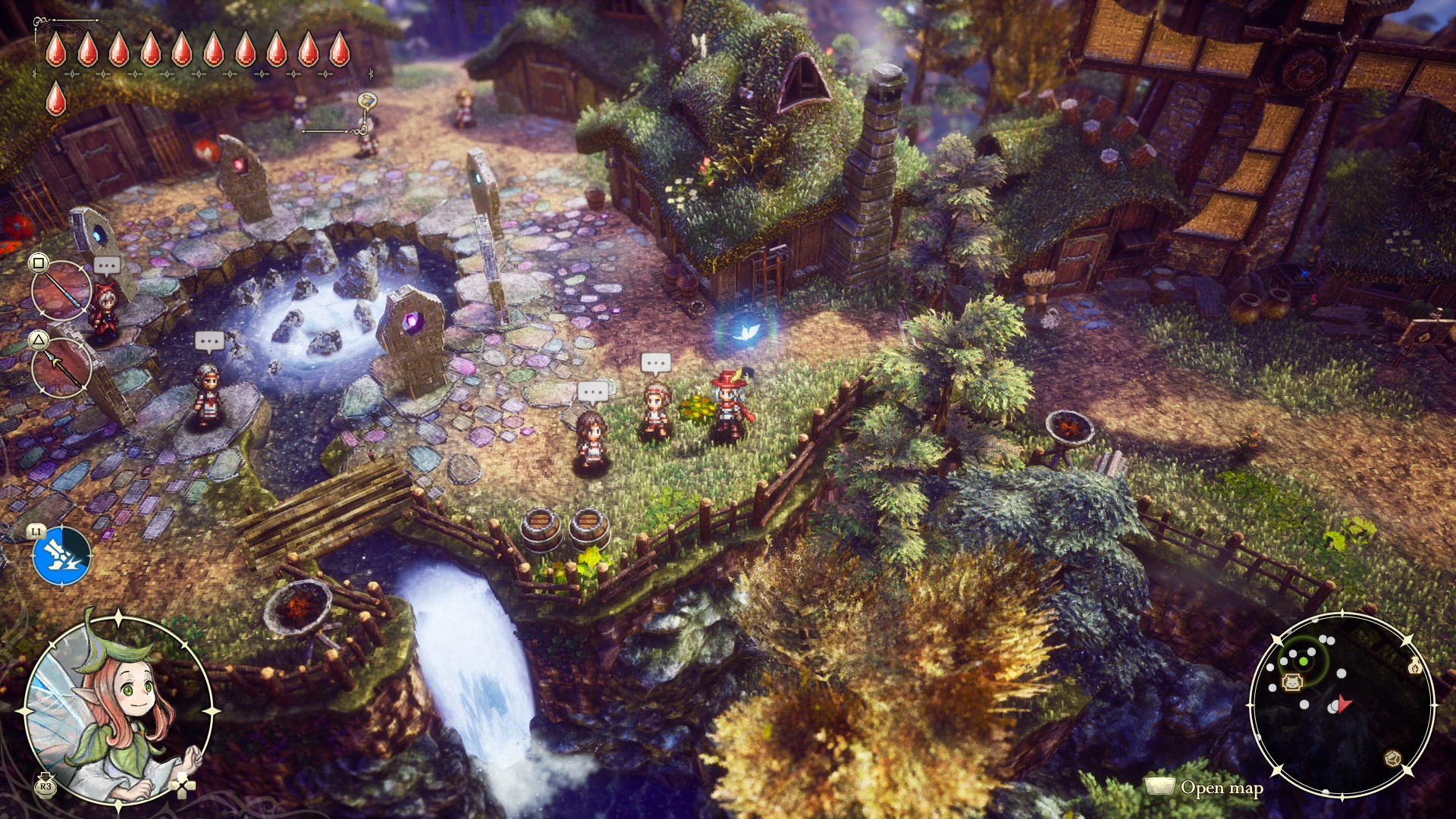
The Age of Budding
The earliest era of the game is characterized by a symbiotic relationship between man and nature. Magic is an untapped, mysterious force, and the world feels lush and untamed. It serves as the grounding point for the game’s themes of origins and innocence.
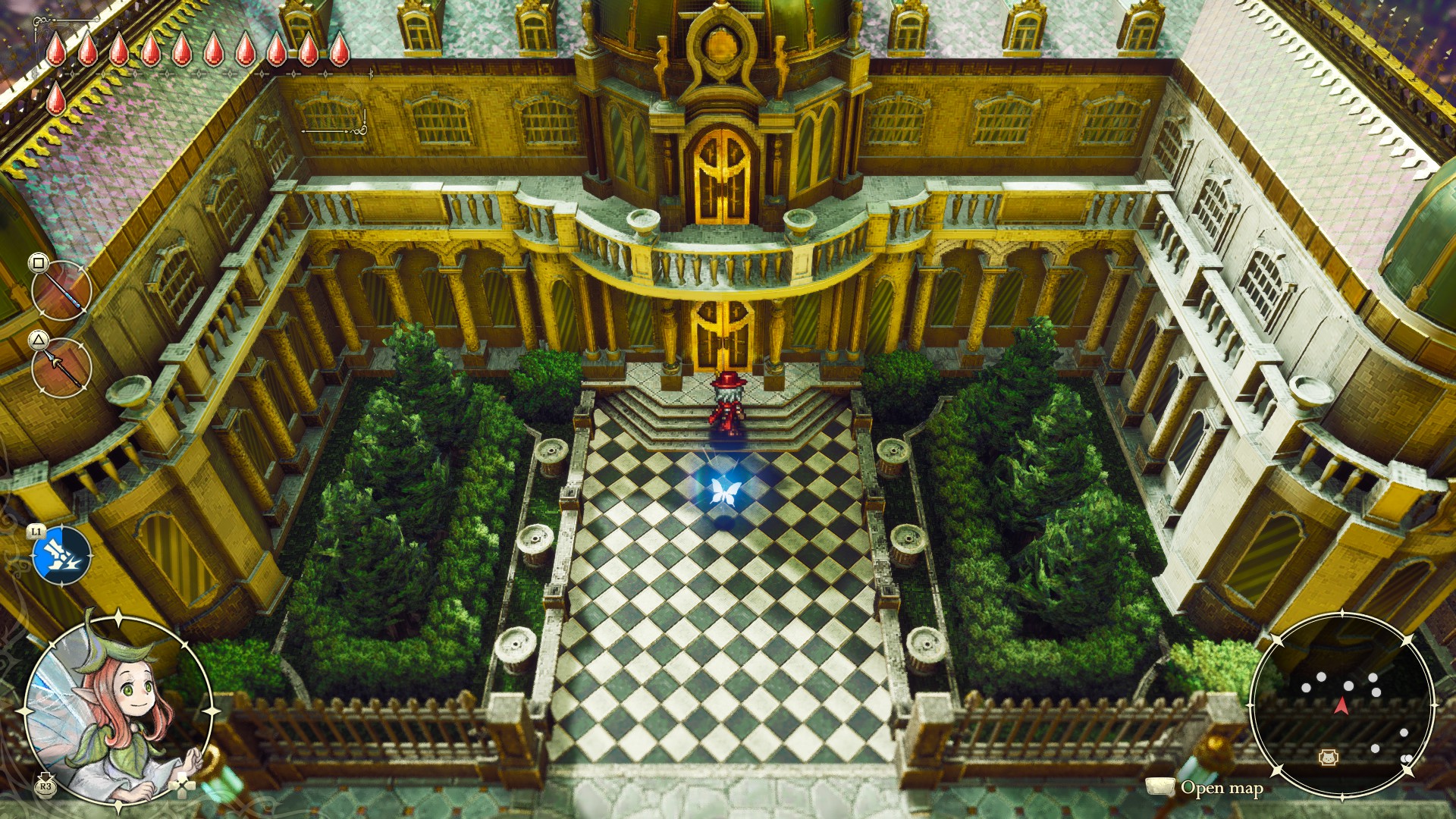
The Age of Magic
As the timeline progresses, the aesthetic shifts dramatically. This era feels like a blend of steampunk and high-fantasy, where magic has been codified and integrated into rapid technological evolution. It is a visually arresting transition that highlights the game’s strength in environmental storytelling.
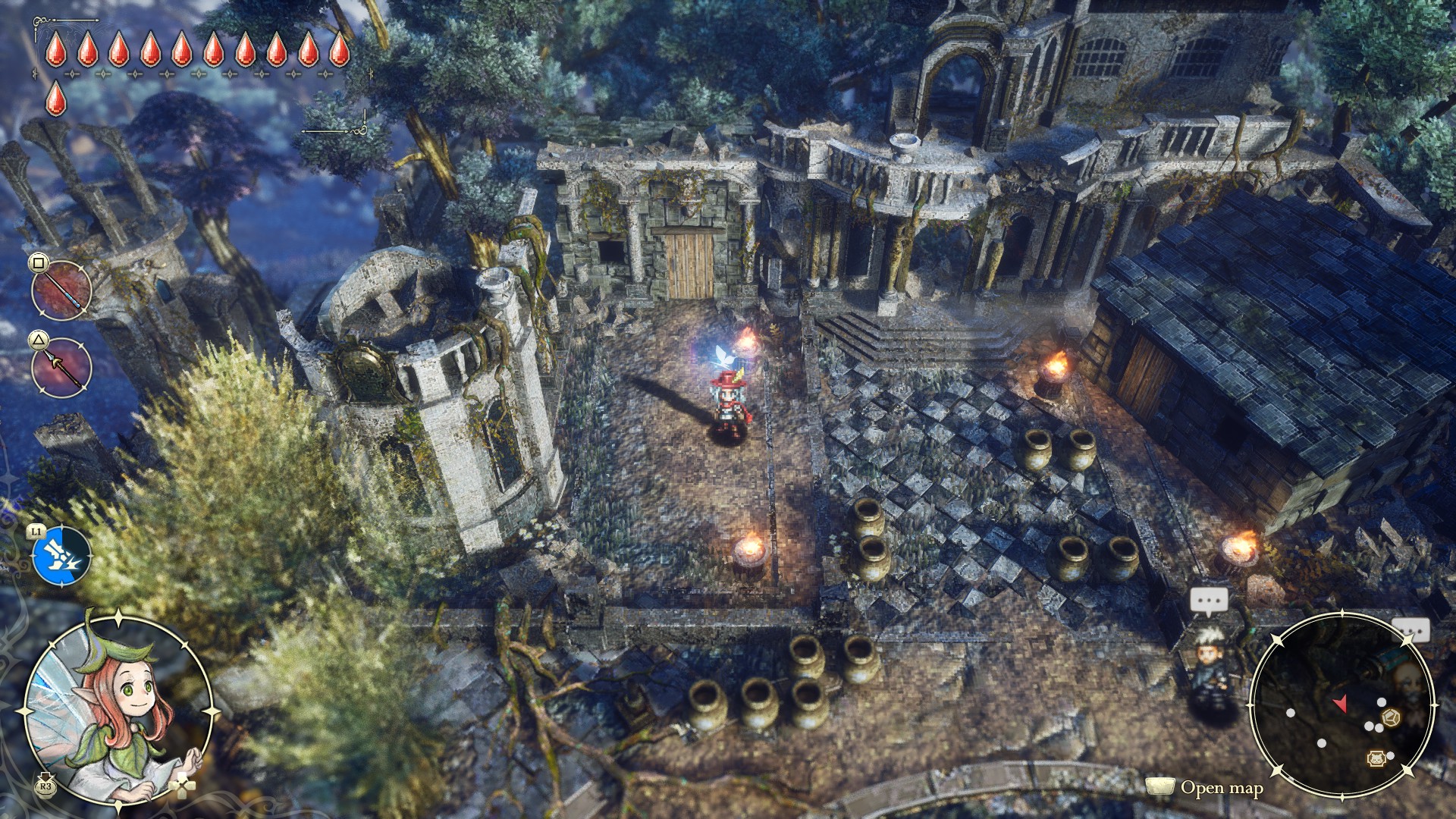
The Age of Reconstruction
The mood takes a darker turn during the Age of Reconstruction. Here, the world is defined by ruin and struggle; the sun is a rare sight, and the populace lives on the edge of survival. It serves as a necessary, somber counterpoint to the more whimsical nature of the earlier ages.
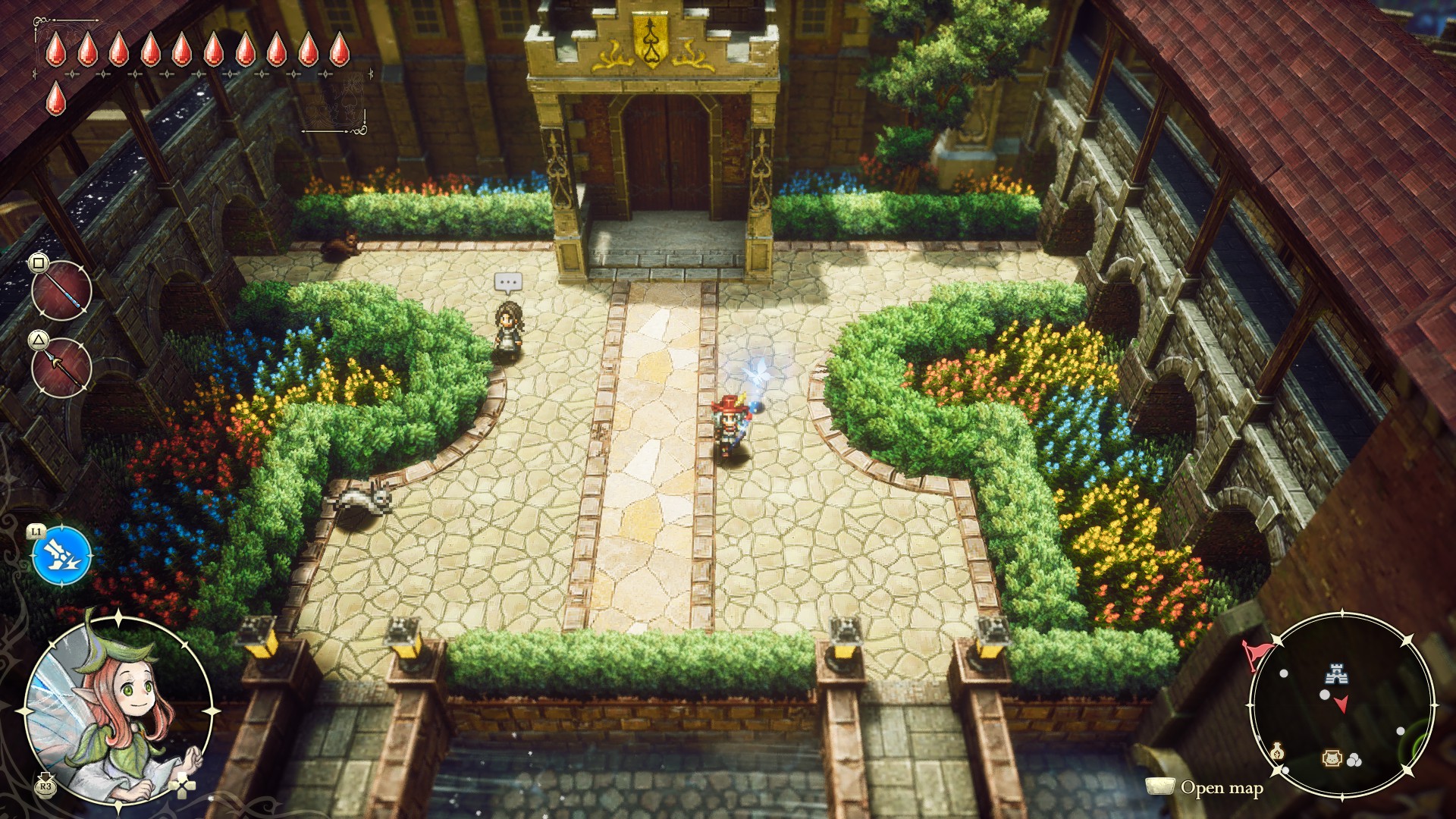
The Age of Safekeeping
Finally, the present-day setting of the game. While it appears to be a standard JRPG fantasy land, the underlying tension is palpable. With the city’s protective magic fading, the player is acutely aware that this peaceful era may be the final chapter of a long history.
Supporting Data and Technical Performance
- Release Date: June 18, 2026
- Price: $60 / £50
- Developer/Publisher: Square Enix, Claytechworks
- Steam Deck Status: Verified
- Performance: Tested on an Intel Core i7-13700F, NVIDIA GeForce RTX 3060 Ti, 16GB RAM. The game maintained a rock-solid 120 FPS throughout the experience.
The game’s technical optimization is laudable. In a market where many titles launch in states of disrepair, The Adventures of Elliot stands out for its stability. The HD-2D engine, while demanding in terms of lighting and particle effects, remains remarkably scalable, ensuring a smooth experience even during the most chaotic, high-intensity boss encounters.
Implications: The Legacy of the Genre
The Adventures of Elliot is not without its flaws. The game’s obsession with constant combat—ensuring the player is always within arm’s reach of a "rogue rodent to explode"—means that environmental puzzles often feel like an afterthought. They lack the ingenuity of the game’s inspirations, often boiling down to the most rudimentary of mechanics. Consequently, the dungeons, while visually stunning, occasionally lack a distinct identity, blurring together after the thrill of the boss fight fades.
Yet, there is a refreshingly sincere optimism at play. The sidequests, which often involve helping NPCs process grief, memory, and loss, ground the grand, time-traveling narrative in human emotion. The way the game links these small, personal stories across generations creates a sense of thematic unity that is rarely seen in titles of this scope.
Verdict
The Adventures of Elliot: The Millennium Tales is a game that is profoundly enamored with the concept of history. It understands that the joy of adventure is not just in the destination, but in observing how a single home or a grove of trees might shift and change over the centuries.
While it may not reach the towering heights of its influences, its dedication to brevity, its high-octane combat, and its genuine passion for the past make it a worthy addition to the Square Enix library. It is a reminder that even in a world obsessed with the next "cool tech," there is immense value in looking back, learning the lessons of the past, and—occasionally—violently cutting down a million monsters in a ye olde fantasy Philadelphia.
Need to Know
- What is it? A time-traveling adventure defined by optimism and fast-paced hack-n-slash mechanics.
- Why it matters: It successfully bridges the gap between classic JRPG sensibilities and modern, high-intensity action, all wrapped in a visually breathtaking HD-2D package.
- Final Thought: If you can tolerate a talkative fairy and enjoy a game that values pacing over overblown length, this is a journey worth taking.

