

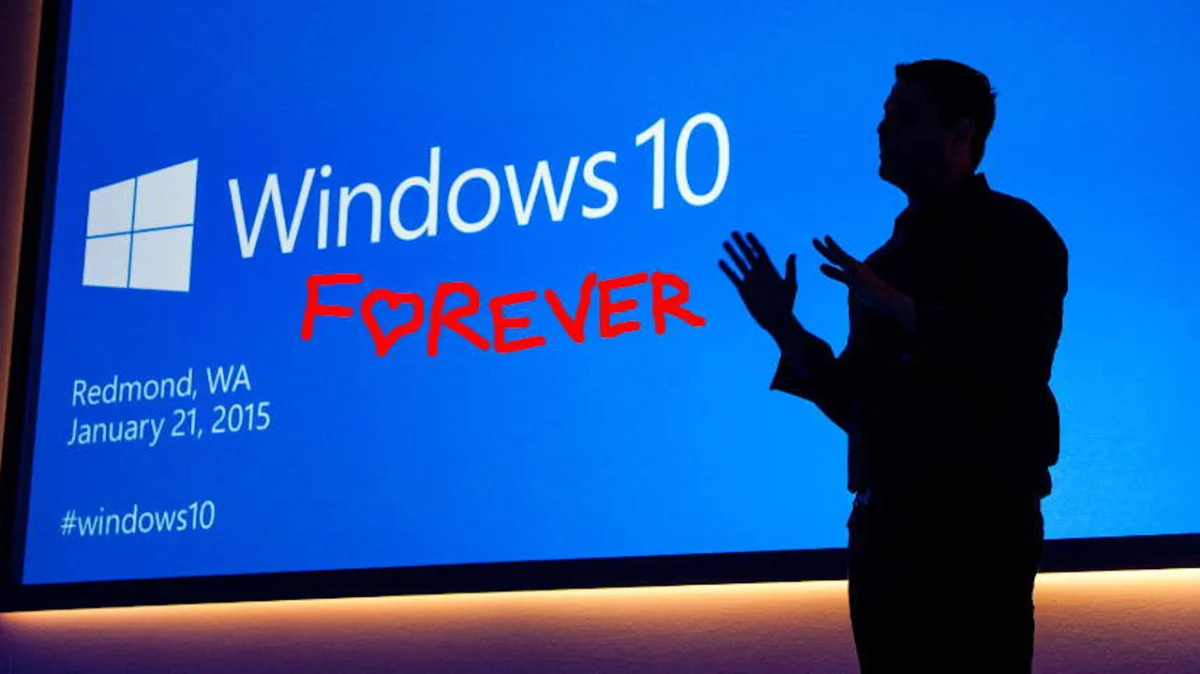
In a move that provides significant relief to millions of desktop users and enterprise IT administrators worldwide, Microsoft has quietly extended its Extended Security Update (ESU) program for Windows 10. Originally slated to conclude in October 2026, the critical security support window has been pushed back to October 2027. This decision grants a one-year reprieve for those who have been hesitant to migrate to Windows 11, citing hardware compatibility hurdles, interface preferences, or the simple reality of aging, yet functional, computing hardware.
The Chronology of an Operating System’s Sunset
The journey toward the end of Windows 10 has been a complex, multi-year saga characterized by changing timelines and evolving strategies.
When Windows 10 was launched in 2015, Microsoft positioned it as the "last version of Windows," implying a continuous service model. However, the eventual arrival of Windows 11 shifted this paradigm. In 2024, Microsoft officially cemented the retirement date for Windows 10: October 14, 2025. This announcement sent shockwaves through the industry, as a vast percentage of the global PC population remained tethered to the mature, stable environment of Windows 10.
Recognizing that millions of devices would not meet the stringent hardware requirements for Windows 11—specifically the controversial TPM 2.0 and CPU generation requirements—Microsoft introduced the ESU program. This paid subscription service was designed to provide security patches to users willing to pay for continued safety. Initially, this program was meant to cover only the 12 months following the official end-of-support date. With the latest update, however, Microsoft has extended that coverage, effectively keeping Windows 10 secure until October 2027.
Supporting Data: Why Windows 10 Persists
Despite the aggressive push from Redmond to migrate users toward Windows 11, the market adoption data tells a story of resistance. According to the most recent Steam Hardware and Software Survey, approximately 24% of the platform’s active user base continues to utilize 64-bit Windows 10. This is not merely a statistical anomaly; it represents tens of millions of gamers, developers, and professionals.
The persistence of Windows 10 is rooted in several key factors:
- Hardware Incompatibility: Windows 11 requires newer processors and specific security hardware that many users simply do not possess. For those with perfectly functional machines from the late 2010s, the cost of an entirely new system is a significant barrier to entry.
- Stability and Performance: For many users, particularly those in professional environments, Windows 10 represents a "known quantity." It is a mature, stable OS that has had years to iron out compatibility issues with legacy software and peripherals.
- The "Rampocalypse" Effect: The global volatility in hardware pricing—often referred to as the "Rampocalypse"—has made the prospect of building or purchasing a new, high-performance PC increasingly expensive. When memory and CPU costs are high, the urge to squeeze every last drop of utility out of current hardware becomes a matter of fiscal responsibility rather than technical stubbornness.
Official Responses and Program Details
Microsoft’s updated documentation confirms that the ESU program is designed to provide "Critical" and "Important" security updates, keeping PCs shielded from the most pressing threats, including ransomware and malware.
For those already enrolled in the ESU program, the extension is automatic. The update is provided at no additional cost for those who have already committed to the paid tiers. For the individual user, the price remains $30 for the first year, though the pricing structure for subsequent years is subject to market adjustment.
Crucially, this is a security-only program. Users who remain on Windows 10 will not receive new features, UI improvements, or the deep-level integration of Microsoft’s "Copilot" AI assistant that is now central to the Windows 11 experience. For many users, this is a feature, not a bug, as it keeps the OS lightweight and free from the bloat that some perceive in newer versions.
Implications for the Tech Landscape
The extension of Windows 10 support until 2027 carries profound implications for both the enterprise and consumer sectors.
For Enterprise and Education
Large organizations often face massive logistical challenges when upgrading OS versions across thousands of machines. The additional year gives IT departments a larger buffer to plan capital expenditure, audit their hardware fleets, and transition to Windows 11 or alternative cloud-based desktop solutions. It mitigates the immediate risk of "security debt" that would have been incurred had support ended in 2026.
For the "Right to Repair" and Sustainability
The decision aligns, albeit indirectly, with the growing sustainability movement. By allowing older, fully functional PCs to remain secure for an additional year, Microsoft is helping to curb the rate of e-waste. Discarding a machine that functions perfectly well simply because it cannot run a newer OS is increasingly seen as environmentally irresponsible. The ability to extend the lifecycle of hardware through software updates is a critical component of modern consumer rights.
The "Rufus" Factor and User Autonomy
The existence of third-party tools like Rufus—which allows users to bypass Windows 11 hardware checks—highlighted a significant disconnect between Microsoft’s requirements and the reality of user hardware. Microsoft’s decision to extend support suggests that the company is beginning to acknowledge that a significant portion of its user base is not "difficult"—they are simply pragmatists. By extending support, Microsoft reduces the pressure on users to employ "unofficial" hacks to keep their systems running, thereby maintaining a higher baseline level of security across the ecosystem.
Looking Ahead: The Road to 2027
As we look toward 2027, the gap between Windows 10 and its successor will only widen. While the extension provides a much-needed lifeline, it is ultimately a stopgap. Microsoft remains committed to its vision of an AI-integrated, modern Windows experience.
For the average user, the takeaway is clear: you have been granted extra time. You are no longer forced to choose between a potentially insecure OS and the immediate, significant financial outlay of a new PC upgrade. This allows for a more planned transition, providing users the space to save, research, and eventually upgrade on their own terms.
As technology continues to evolve, the cycle of hardware and software obsolescence will continue to challenge users. However, in this specific instance, Microsoft’s flexibility serves as a reminder that the needs of the user base—both in terms of security and hardware longevity—must remain a priority for the industry giants. Whether you are a die-hard Windows 10 enthusiast or simply someone looking to get the most out of your current investment, the next three years offer a stable, secure path forward.

