

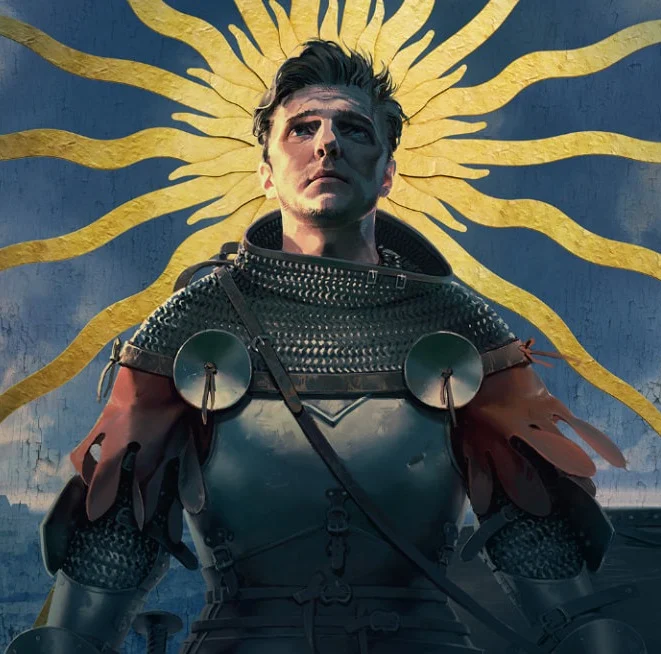
In the pantheon of modern role-playing games, few titles command the enduring reverence of Fallout: New Vegas. Released in 2010, the game remains a gold standard for reactivity, choice, and player agency. Central to its success was a design philosophy championed by Obsidian Entertainment, spearheaded by design director Josh Sawyer.
In a candid and revealing appearance on the Human Can Opener podcast, Sawyer pulled back the curtain on the studio’s internal processes, detailing how Obsidian navigated the delicate tightrope of game balance. Rather than striving for mathematical perfection, Sawyer explained, the team prioritized "build trust"—ensuring that no matter how a player chose to define their character, the game world would acknowledge their identity with unique, meaningful reactivity.
The Philosophy of "Build Trust"
At the heart of Sawyer’s design ethos is a rejection of the "punishing" RPG experience. Too often, players invest hours into a specific character concept—perhaps a charismatic diplomat or a science-focused engineer—only to find that the game’s core mechanics render their chosen skills useless in critical moments.
"Some people think I’m preoccupied with balance," Sawyer stated during the interview. "I want people to build characters and have a good time with them. You have to think a little bit, but I don’t like it when players have a character concept that they build, and it’s like, ‘Oh, you just built a fundamentally bad character.’"
This sentiment strikes at the core of why Fallout: New Vegas feels different from its peers. While contemporaries often relied on a generic "Persuasion" skill to navigate conflicts, Obsidian’s design team sought to weave a tapestry of specific, granular interactions. Whether a player is using Science to jury-rig a terminal or Medicine to perform a delicate surgery, the game frequently offers non-combat solutions that feel earned rather than scripted.
Chronology of a Design Shift: From Troika to Obsidian
To understand the methodology behind New Vegas, one must look at the evolution of the CRPG genre. Before the current renaissance driven by studios like Larian (Baldur’s Gate 3) and Owlcat (Pathfinder), Obsidian stood as a rare bastion of deep, narrative-driven design.
The studio’s lineage can be traced back to the spirit of classic RPGs, particularly those developed by the defunct studio Troika Games. During the early 2000s, there was a stark divide in how games handled player progression. In titles like the original Fallout (1997), character building could be a minefield. Sawyer noted the frustration of "tagging" a skill like Big Guns in the original Fallout, only to discover that the necessary equipment was gated behind vast, inaccessible portions of the game.
Obsidian aimed to rectify these "dead zones." By consolidating weapon skills into more cohesive categories—Guns, Energy Weapons, and Explosives—Sawyer and his team ensured that players were not left holding a specialized tool for which they had no practical application. This design shift was not merely a mechanical adjustment; it was a psychological one. It was about ensuring that the player’s journey through the Mojave Wasteland felt supported by the game’s internal logic from the opening moments in Goodsprings to the final battle at the Hoover Dam.
Supporting Data: The "Karma Police" and Skill Distribution
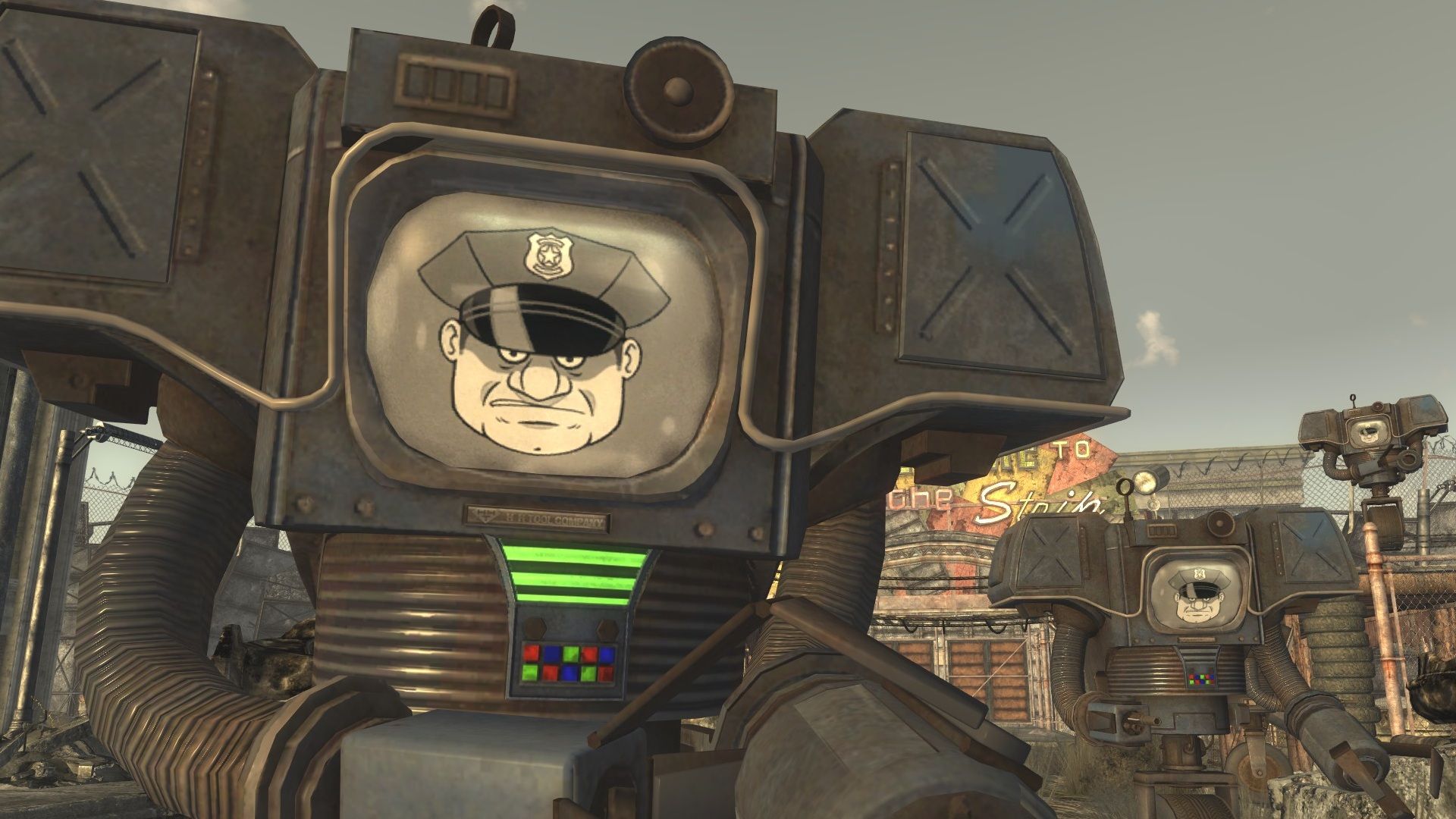
A common misconception in game development is that "balance" equates to numerical symmetry. Sawyer dispelled this, explaining that Obsidian utilized an internal auditing process—an informal, yet rigorous, team role dubbed the "Karma Police."
The "Karma Police" were not concerned with minor stat tweaks, but with the broader distribution of player agency. During the development of New Vegas, designers would perform deep-dives into the game’s scripts to audit how often specific skills were triggered.
"We’ll ask a designer to go through all the scripts—usually in dialogue, but also everywhere in the game—and see ‘How often is Guns being checked? How often is Charisma being checked? How often is Barter being checked?’" Sawyer explained.
The goal was not to make every skill appear exactly 50 times, but to ensure they were within a "ballpark" of relevance. If a player invested points into Medicine or Barter, the "Karma Police" ensured that they would encounter enough check-points throughout the game to make that investment feel like a viable, rewarding choice. This quantitative approach to narrative design is what allows New Vegas to retain its replayability; the game is fundamentally aware of the tools the player has brought to the table.
Official Responses and the "DM" Mentality
Sawyer also addressed the age-old tension between tabletop RPGs and their digital counterparts. In a tabletop setting, a Dungeon Master (DM) can adapt to a player’s niche interests on the fly. Sawyer recalled a personal anecdote from his youth involving a friend who "bent over backwards" to accommodate his unique, architecture-specialist character.
Translating that flexibility to a programmed environment is the "Holy Grail" of RPG design. Since a computer cannot improvise, the designer must anticipate the player’s needs years in advance.
"We just wanted to set up the player to believe, however you built your character, it’s not gonna be the same experience, but we’re not gonna let you down," Sawyer remarked. "We’re not gonna leave you out to dry and not give you something to be excited about."
This is clearly visible in the quest Ghost Town Gunfight. A player’s ability to influence the outcome isn’t locked into a single "best" path. Whether a player chooses to utilize their Sneak, Explosives, Barter, Speech, or Medicine skill, the game validates their chosen expertise. By providing these branching paths, Obsidian created a sense of partnership between the developer and the player.
Implications for Modern RPG Design
The legacy of Sawyer’s design philosophy is evident in today’s gaming landscape. As players continue to demand more agency in titles like Baldur’s Gate 3 and Disco Elysium, the principles established by Obsidian over a decade ago feel more relevant than ever.
The Death of the "Dump Stat"
Modern game design is increasingly moving away from the "dump stat"—the idea that certain character attributes exist only to be ignored. By creating a world where Barter is as critical as Strength, Obsidian proved that "cool reactivity" is a powerful motivator for player retention.
The Trust Economy
Sawyer’s concept of "building trust" is perhaps the most significant implication for future titles. When a game rewards a player for niche choices early on, it establishes a contract. The player feels encouraged to experiment with unconventional builds, knowing that the developer has accounted for their curiosity. Conversely, when games fail to honor these choices, they break that contract, leading to player apathy and the standardization of "meta" builds.
Bridging the Gap
Finally, the "Karma Police" approach offers a roadmap for modern studios. While procedural generation and AI-driven content are the current buzzwords in development, Sawyer’s approach highlights the value of the human hand in narrative balance. There is no algorithm that can replace the thoughtful, intentional placement of skill checks that make a player feel truly seen by the game world.
Conclusion
Josh Sawyer’s reflection on Fallout: New Vegas serves as a masterclass in design humility. By focusing on the player’s experience over abstract notions of perfection, Obsidian Entertainment crafted an experience that feels alive. As the industry continues to evolve, the lessons from the Mojave—that players value recognition, agency, and a world that responds to their specific identity—remain the bedrock of the great RPG experience.
In a digital landscape often dominated by scale and graphical fidelity, Sawyer’s reminder that "good DMs and good game designers" are defined by how they make the player feel stands as a vital manifesto for the future of interactive storytelling.

