

By Rick Lane
The multiplayer first-person shooter genre has had a turbulent, highly unpredictable run over the past few years. From high-profile failures to sudden, unexpected closures, launching a new competitive shooter in a market saturated by live-service giants has proven to be a monumental gamble.
Yet, against these daunting industry odds, developer Bulkhead has pulled off a resounding triumph. Following an explosive beta test that drew nearly half a million participants, their ambitious new military tactical shooter, Wardogs, has officially arrived in early access with staggering commercial and community momentum.
Despite suffering temporary server outages on day one due to an unprecedented influx of players, the game has officially shifted 1.25 million copies within its first 24 hours on sale—a figure that has undoubtedly climbed even higher in the days since. For Bulkhead and frustrated shooter fans alike, Wardogs represents a much-needed, undisputed victory.
Main Facts: A Phenomenal Launch Defying Industry Trends
The launch of Wardogs into early access marks one of the most successful debuts for an independent multiplayer shooter in recent memory.
- Staggering Sales: Bulkhead confirmed that Wardogs sold 1.25 million copies globally within its first 24 hours of availability.
- Server-Crushing Popularity: More than 300,000 concurrent players rushed to log on during launch day, completely overwhelming and temporarily crashing the game’s infrastructure.
- Innovative Mechanics: The game has won widespread praise for its unique, player-driven economy, allowing users to bribe medics for priority revives, pay for battlefield transportation, and incentivize teamwork through in-game currency rather than forced squad commands.
- Genre Context: The game’s triumph stands in stark contrast to a graveyard of recent competitive shooter casualties, proving that fresh ideas and player freedom can still cut through a crowded market.
Chronology: From Record-Breaking Beta to Early Access Chaos
To understand the magnitude of Wardogs‘ success, one must look at the meteoric trajectory of its rollout over the past several months.
August: The Half-Million Playtest Phenomenon
All signs pointing toward Wardogs being a massive hit began accumulating months prior to its launch. During an open beta weekend in August, the title caught fire across social media and streaming platforms. Nearly 500,000 players lined up to participate in the prerelease playtest, generating a level of community enthusiasm and word-of-mouth buzz that caught even the developers by surprise. The distinct blend of tactical milsim elements and chaotic, sandbox-style combat immediately hooked veterans of franchises like ArmA and Battlefield.
Last Week: Early Access Launch and Server Collapse
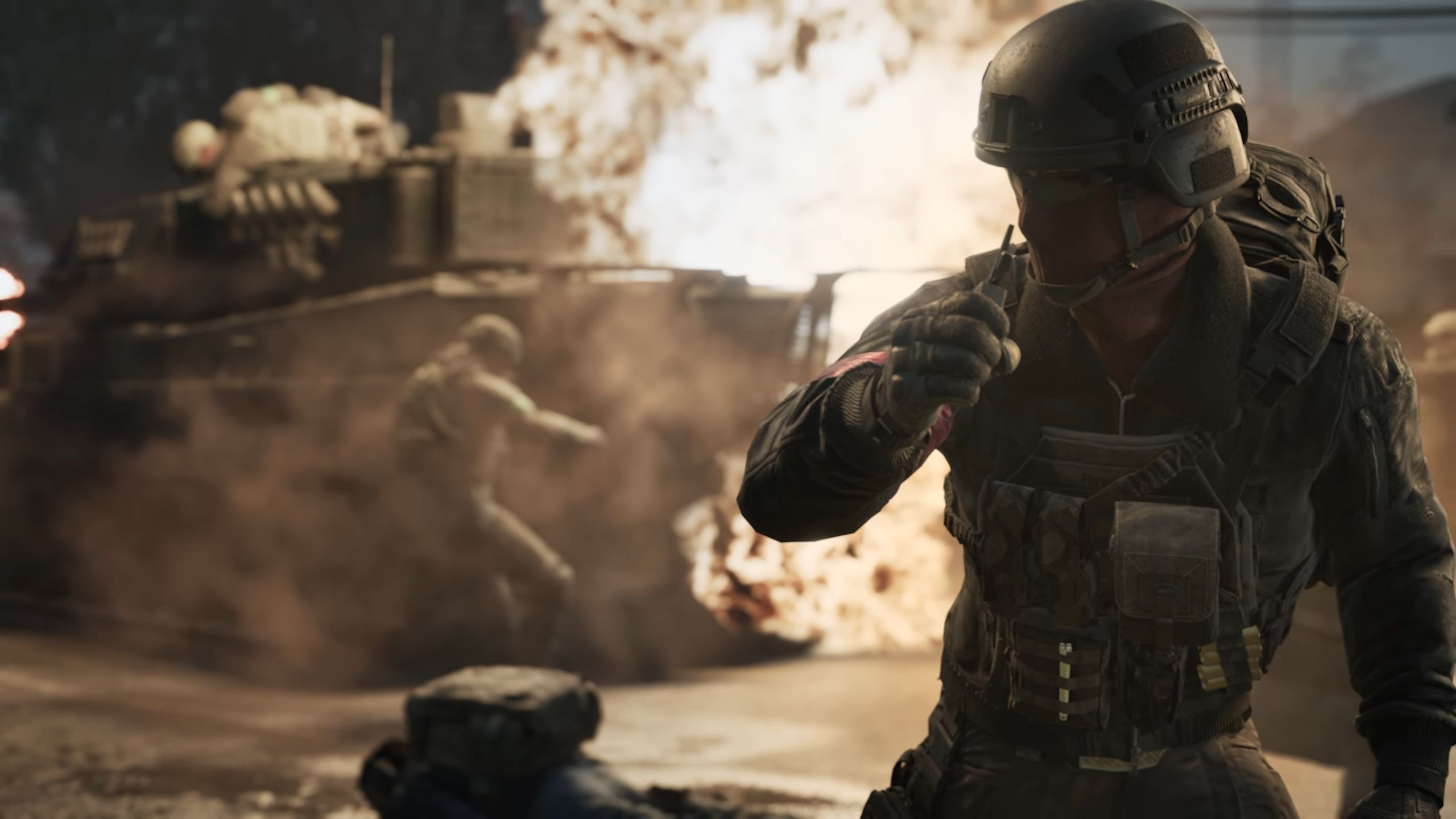
Riding the crest of its beta wave, Wardogs officially entered early access. However, the sheer volume of eager players proved to be too much for the infrastructure to handle. Over 300,000 individuals attempted to log on simultaneously during the opening hours, leading to widespread connection errors and server queues. This sudden bottleneck triggered a temporary wave of review-bombing on Steam as eager fans expressed their frustration at being locked out of the game they had just purchased.
The Immediate Aftermath: Sales Milestones and Stabilization
Bulkhead swiftly deployed emergency patches to stabilize the backend architecture. As servers came back online and the community flooded into the 100-player battlefields, the studio released its initial sales milestones, confirming the 1.25 million copies sold benchmark. The narrative swiftly shifted from technical growing pains to celebration over the game’s undeniable financial and cultural footprint.
Supporting Data: The Brutal Landscape of Competitive Shooters in 2026
To fully appreciate why the success of Wardogs is turning heads across the industry, it is necessary to examine the treacherous climate that competitive multiplayer shooters have navigated throughout 2026.
The year began under a dark cloud in January when high-profile hopeful Highguard hit a brick wall. Despite attracting a respectable initial player count at launch, retention numbers plummeted rapidly to unsustainable levels. Unable to maintain a viable ecosystem, the developers were forced to announce the game’s total shutdown mere weeks after its release.
The turbulence continued in March when industry heavyweight Bungie released Marathon. Hailed by design critics as a triumph of artistic vision and atmosphere, Marathon nonetheless failed to capture the commercial audience that Bungie and parent company Sony desperately needed. Despite rolling out various experimental updates to spark player interest, its concurrent player numbers now lag significantly behind Destiny 2—a bittersweet irony, given that Bungie abruptly wrapped up major development on Destiny 2 earlier in the year.
The casualty list does not end there. Other promising projects, such as the innovative Capture-the-Flag variant Last Flag and Empulse—a spiritual successor to Titanfall featuring giant mechs developed by Splitgate 2 creator 1047 Games—both struggled to build and maintain the critical mass of players required to justify ongoing operational costs.
Against this backdrop of high-profile stumbles, Wardogs stands tall as a beacon of hope for mid-tier and independent developers attempting daring multiplayer experiments.
Official Responses: Bulkhead’s Measured Stance
Faced with a mix of record-breaking sales and a flurry of negative reviews stemming from server launch hiccups, developer Bulkhead opted for a cool, measured public relations approach.
Rather than engaging in defensive PR or over-promising fixes, the studio released a brief statement via Steam:
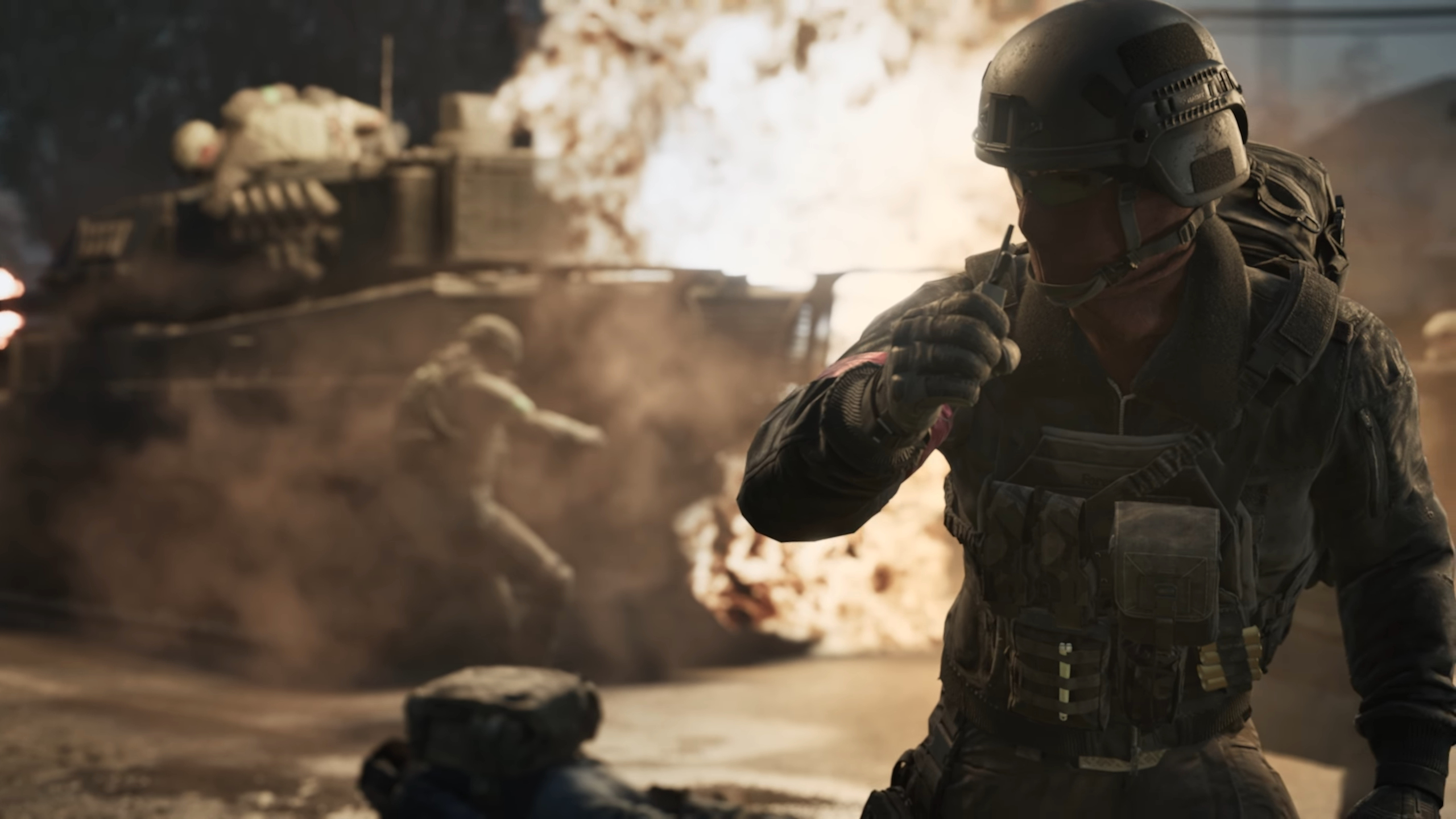
"We are watching everything, monitoring servers, and enjoying watching you play."
This calm demeanor has largely resonated with the community. By acknowledging the technical turbulence without panicking, Bulkhead reassured players that stability was their primary focus. The middle portion of their statement—referencing their enjoyment of watching players engage with the systems—was widely interpreted as a nod to the chaotic, hilarious emergent gameplay clips flooding social media, where players use in-game cash to barter for tactical advantages.
Implications: What Wardogs Means for the Future of the FPS Market
The explosive success of Wardogs carries profound implications for the first-person shooter genre moving forward.
The Power of Player Agency and Sandbox Freedom
A massive part of the game’s appeal lies in its design philosophy. While it borrows the large-scale tactical DNA of ArmA and Battlefield, it rejects rigid, mandatory squad coordination in favor of a laissez-faire economic sandbox. Players are dropped into massive 100-player maps and empowered to approach objectives however they see fit.
Crucially, the introduction of cash as a core mechanic bridges the gap between solo play and teamwork. Offering monetary bounties to fellow players—whether it’s paying a pilot for a helicopter extraction or bribing a nearby medic to fast-track a revive—has created an emergent, highly entertaining gameplay loop. It proves that players do not need to be forced into strict roleplaying frameworks to cooperate; they just need the right incentives.
Can It Maintain Momentum Against Heavyweights?
The ultimate test for Wardogs is not its launch week, but its long-term retention. The remainder of 2026 is stacked with colossal blockbuster releases. Later this year, Rockstar Games will release Grand Theft Auto 6, an industry-shaking event that will inevitably pull attention away from almost every concurrent gaming ecosystem.
Furthermore, Wardogs will soon face direct competition from traditional genre titans, including the upcoming Call of Duty: Modern Warfare 4. However, the very fact that industry analysts are already comfortably placing an indie-backed tactical shooter in the same breath as Call of Duty speaks volumes.
Wardogs has beaten the odds, survived its server baptism by fire, and captured the hearts of millions of players. If Bulkhead can continue to iterate on its brilliant economic sandbox mechanics and maintain server stability, it may well cement itself not just as a flash-in-the-pan early access success, but as a defining multiplayer shooter of the decade.

