

Main Facts: The Evolution of Deadlock Through Narrative and Voice Work
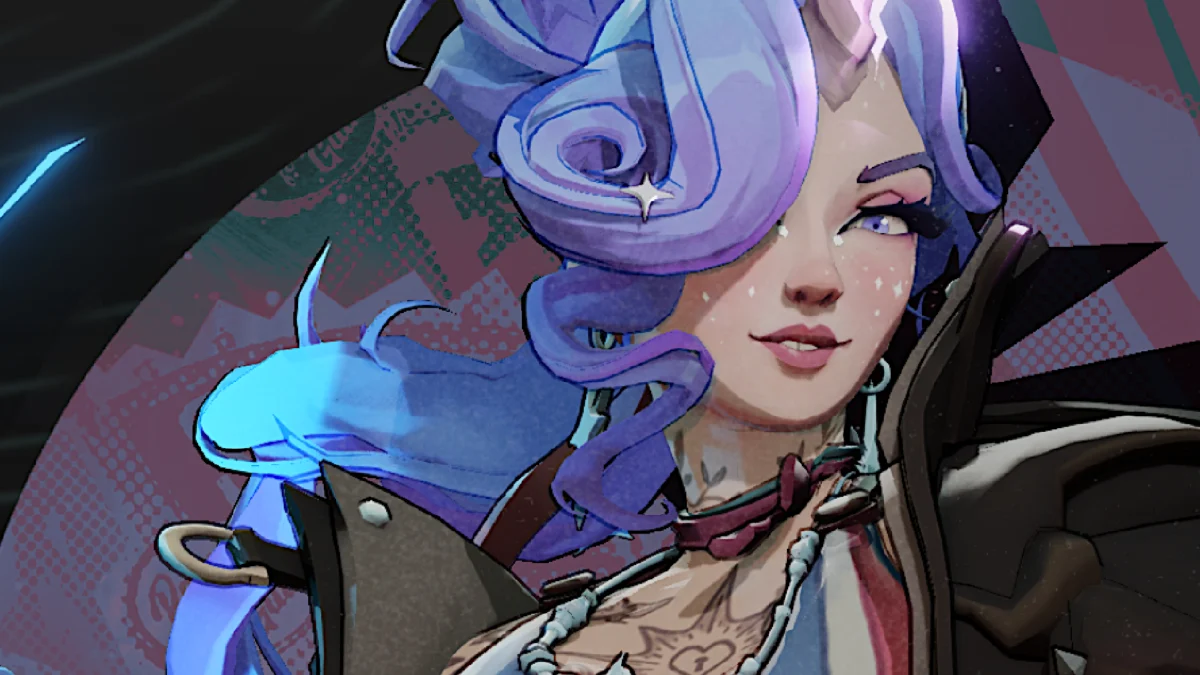
Valve’s highly anticipated and secretive hero-shooter MOBA hybrid, Deadlock, has received a massive update that stretches far beyond tactical adjustments, map redesigns, and new hero introductions. While the community has been abuzz over the visual overhaul of the game’s gothic, occult-infused metropolis—complete with a spooky new aesthetic and six new roster additions, including the internet-beloved Rat King and the park bench-dwelling witch Baba—the most profound development lies in its staggering injection of narrative flavor.
Valve has more than doubled the game’s pre-match hero interactions, rocketing the total count from roughly 700 conversations to an astonishing 1,500. Alongside these pre-match exchanges, the developers have introduced over 10,000 non-ping voice lines, accompanied by a brand-new in-game voice line viewer. This monumental expansion highlights Valve’s enduring commitment to environmental storytelling and character depth, elements that have historically defined their legendary franchises like Dota 2, Team Fortress 2, and Portal.
Despite Deadlock operating firmly within the competitive, high-stakes architecture of the Multiplayer Online Battle Arena (MOBA) genre, its rich lore, distinct personality, and witty, razor-sharp dialogue have cultivated a passionate fanbase that treats the game’s fictional universe with as much enthusiasm as its meta-strategy.
Chronology: From Closed Alpha Whispers to a Roster Full of Life
The journey of Deadlock from an elusive, invite-only project codenamed Citadel to a publicly discussed global phenomenon has been unconventional from the start.
- Early 2024: Details regarding Valve’s new third-person hero shooter begin leaking online, revealing a unique blend of 1930s noir, arcane magic, and mobster-era aesthetics set in a supernatural version of New York City.
- Mid 2024: The game enters a rolling closed playtest phase via Steam, attracting hundreds of thousands of concurrent players despite minimal official marketing or public announcements from Valve.
- Late 2024: As the player base solidifies, players note that while the gameplay loops of lane-pushing, item-building, and soul-harvesting are deeply reminiscent of traditional MOBAs, the flavor text and sparse character interactions hint at a much deeper, highly eccentric universe.
- The Recent Major Update: Valve deploys its largest content drop yet for Deadlock. The patch introduces a moody graphical overhaul, five new heroes (including Nurse Harrow, Seven, and Baba), and—crucially—the massive narrative expansion featuring over 1,500 pre-match conversations and 10,000+ non-ping voice lines. Simultaneously, Valve launches an official web portal and an in-game viewer to catalog the vast network of character lore.
Supporting Data: By the Numbers
To understand the sheer scale of the narrative expansion in Deadlock, one must look at the quantitative leaps Valve has achieved in this recent update:
- Pre-match Conversations: Increased from 700+ to 1,500+, effectively doubling the banter, tension, and world-building that occurs before the match countdown hits zero.
- Non-Ping Voice Lines: More than 10,000 unique voice lines added across the roster, covering combat reactions, item purchases, spell casts, and map awareness.
- New Hero Additions: The roster grows significantly with the introduction of six new characters, including the Rat King, Baba, and Nurse Harrow, instantly multiplying the matrix of possible inter-character relationships.
- Player Investment: Dedicated fans report spending hours browsing the newly integrated voice line viewer, treating the game’s character compendium as an interactive audio drama rather than just a competitive training ground.
Official Responses and Community Lore Highlights
Valve has largely maintained its traditional, understated public relations approach, allowing the game’s official website updates and in-game details to do the talking. Through the official portal refresh (playdeadlock.com/cityneversleeps), Valve showcased the meticulous writing and sharp comedic timing that underpins the game’s dark, occult underworld.

The community has responded with overwhelming delight, dissecting the new interactions like literary scholars. Several standout pre-match conversations have already defined the meta-narrative for early adopters:
1. Celeste and Drifter: The Ultimate Negotiation
In a darkly humorous exchange, the unicorn character Celeste bargains for her life against the formidable Drifter:
- Celeste: "You planning on killing me after the ritual so you can find out what unicorn blood tastes like?"
- Drifter: "No, I’m planning on killing you after the ritual because I know what unicorn blood tastes like."
- Celeste: "OK, so hear me out: what if I just give you blood."
- Drifter: "It’s a lot less fun for me."
2. The Doorman and the Drifter: Workplace Boundaries
Proving that even immortal, cosmic entities must respect hospitality rules, The Doorman lays down the law at the hotel The Baroness:

- Drifter: "Do your job or I’m going to tear through your little hotel."
- Doorman: "No sir, you will not. […] I will do my job because I value excellence. But if we fail you will not set one foot in The Baroness, nor will you lay a finger on its guests, lest your immortal life meet an ignoble end. Am I clear?"
- Drifter: "Who the hell are you?"
- Doorman: "I’m just the Doorman."
3. Rem and Calico: Feline Boundaries
- Rem: "Can I please eat your cat?"
- Calico: "No."
- Rem: "I said please!"
- Calico: "I don’t care. Touch my cat, and she’ll be eating you."
4. Mina and Pocket: New York’s Most Divorced Couple
- Mina: "You should have told me you were alive."
- Pocket: "Why?"
- Mina: "Because I loved you."
- Pocket: "You didn’t love me, you loved my last name."
These conversations inject genuine theatricality into the matches, transforming what could be anonymous combatants into living, breathing figures with complex personal histories, vendettas, and strange alliances.
Implications: What This Means for Deadlock and the MOBA Genre
The heavy emphasis on narrative depth and character dialogue in Deadlock carries significant implications for both Valve and the broader competitive gaming landscape.
1. Bridging the Gap Between Narrative and Competitive Play
Traditionally, MOBAs struggle to tell cohesive stories within the live-service framework. Games like League of Legends and Dota 2 rely heavily on external media—such as Netflix’s Arcane or Dota: Dragon’s Blood, alongside sprawling comic books and lore blogs—to flesh out their universes. By embedding thousands of dynamic voice lines directly into the pre-match flow and pairing them with an accessible in-game viewer, Valve is proving that deep lore can live inside the client, organically enriching every single session.

2. Expanding Demographic Appeal
While mechanics draw players in, characters make them stay. By crafting a roster brimming with personality—ranging from eccentric occultists and weary hotel doormen to supernatural royalty and bizarre creatures—Valve is appealing to a broader audience. There is a thriving segment of the gaming community that consumes character-driven media (such as RPGs, visual novels, and narrative adventures) who might otherwise be intimidated by the mechanical complexity of a MOBA. Deadlock‘s rich storytelling acts as a welcoming hook for lore enthusiasts.
3. Setting a New Standard for Valve’s Live-Service Future
As Deadlock continues its developmental march toward an official, full-scale release, the sheer volume of writing and voice talent invested in its heroes signals that Valve views this project as a cornerstone of its modern identity. If the Cursed Apple of New York City continues to grow at this pace, Valve isn’t just building another successful competitive game—they are constructing a sprawling, living universe that fans will eagerly explore for decades to come.

