

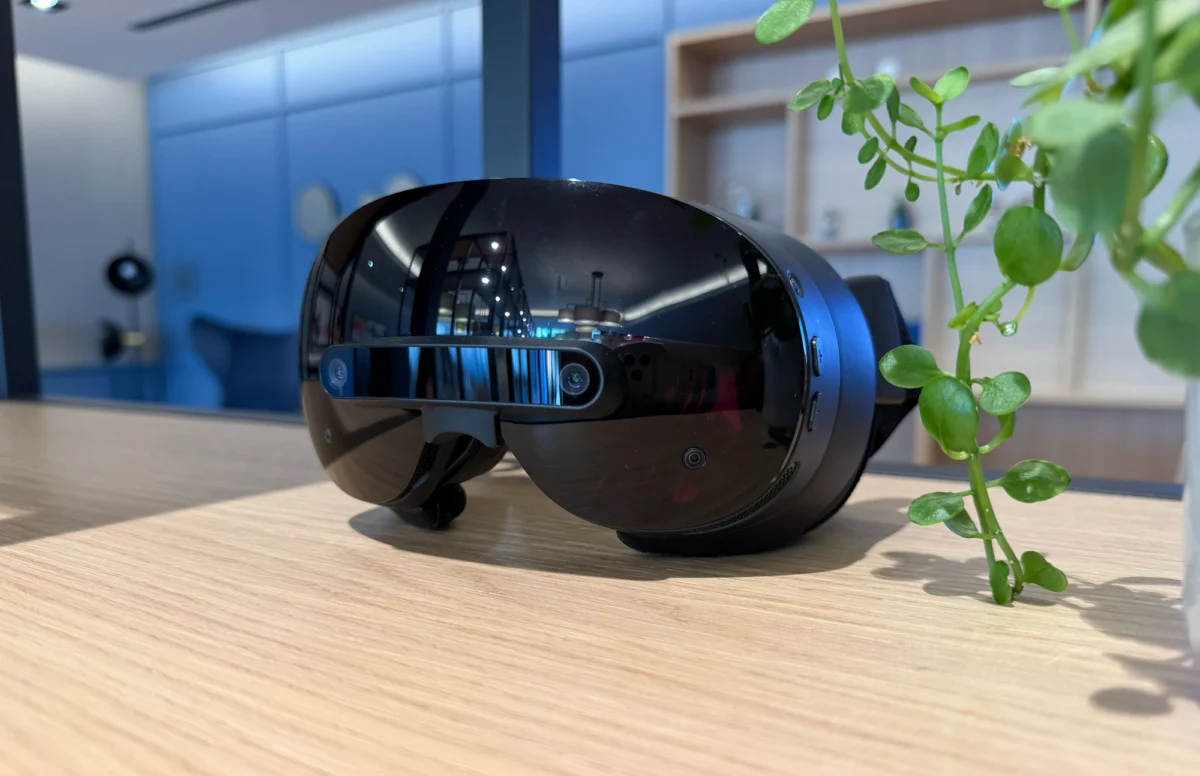
SAN FRANCISCO — In a monumental announcement that reshapes the virtual reality landscape, Valve has officially pulled back the curtain on the pricing, release mechanics, and killer-app lineup for the Steam Frame. First teased ten months ago, the Steam Frame is a "streaming-first" standalone VR headset designed to bridge the gap between untethered convenience and high-performance PC VR.
Alongside the hardware pricing reveal, Valve delivered a bombshell: a native, standalone port of Half-Life: Alyx running entirely on the headset’s ARM-based processor—a technical feat once thought impossible without a tethered gaming PC. With reservations officially open, the VR industry is bracing for what could be Valve’s most disruptive hardware launch since the Steam Deck.
Main Facts: Hardware, Pricing, and Core Architecture
The Steam Frame arrives in two primary storage configurations, both shipping with a pair of newly redesigned, tracked controllers and a specialized USB dongle designed for point-to-point wireless streaming.
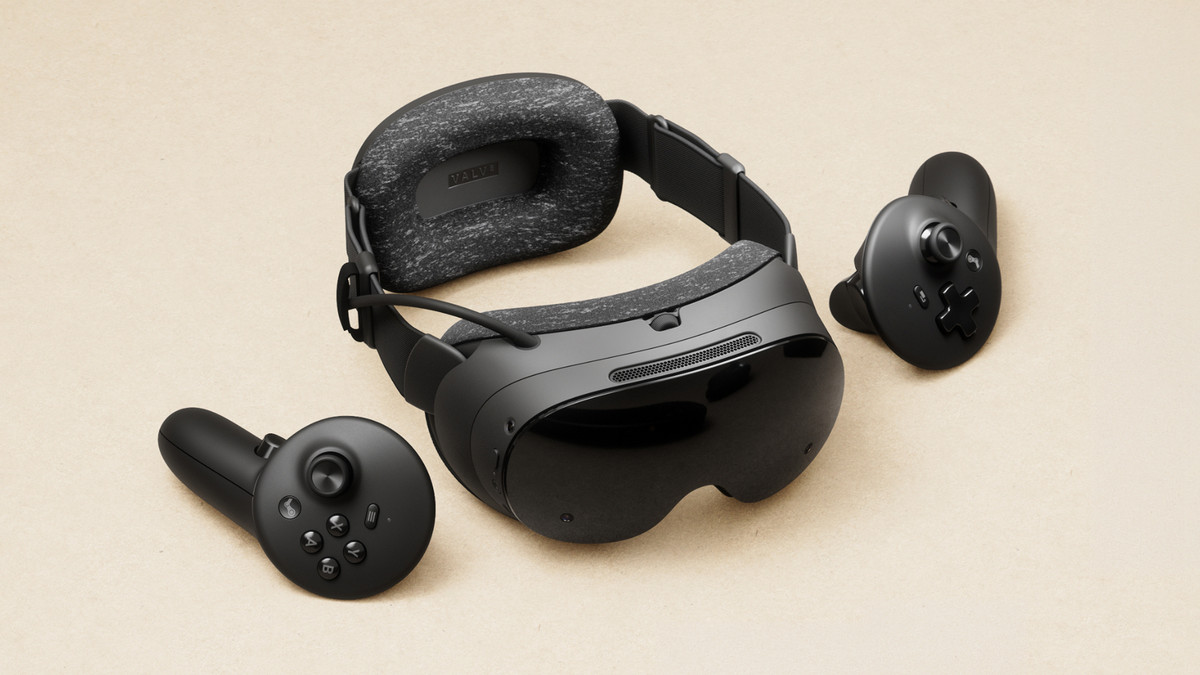
- 256GB Model: $1,059 USD (C$1,529 / €1,049 / £889 / A$1,609 / 4,539 zł)
- 1TB Model: $1,299 USD (C$1,859 / €1,279 / £1,089 / A$1,969 / 5,549 zł)
For users worried about internal storage limitations, Valve has thoughtfully included a built-in microSD card slot, ensuring that game libraries can be expanded without buying the more expensive SKU.
Under the hood, the Steam Frame abandons traditional lighthouse base stations. Instead, it relies on four onboard grayscale tracking cameras for inside-out tracking of both the headset and controllers. Two of these cameras double as a monochrome passthrough mode. Crucially, the headset also features integrated eye-tracking, which plays a pivotal role in enabling foveated rendering and advanced wireless streaming.
The Software Ecosystem
Continuing the lineage of the Steam Deck and Steam Machine, the Steam Frame runs a customized, VR-adapted version of Valve’s Linux-based SteamOS.

- Linux & Windows Compatibility: Through the Proton compatibility layer and FEX (which translates x86 code for the headset’s ARM processor), the device can execute compatible Linux and Windows titles locally.
- Android Support: Android games and applications are supported via a dedicated compatibility layer named Lepton, allowing mobile developers to distribute optimized Android builds natively through the Steam storefront.
Chronology of Development: From Tease to Launch
The journey to the Steam Frame’s commercial launch has been a masterclass in calculated hardware rollout:
- The Initial Reveal (10 Months Ago): Valve first showcased the Steam Frame as an experimental, streaming-focused headset meant to solve the friction of PC VR wires. Critics praised the concept of the point-to-point wireless USB dongle, which bypasses traditional home Wi-Fi congestion by creating a direct 6GHz Wi-Fi 6E link to the host PC.
- Hands-On Previews at Valve HQ: Industry outlets, including UploadVR, spent time evaluating early hardware iterations. Reviewers lauded the exceptional wireless latency and streaming stability, though questions remained regarding passthrough quality and the standalone software library.
- The Breakthrough Optimizations (Past Year): Over the preceding twelve months, Valve quietly refined its Vulkan graphics drivers, implemented deep SteamVR tweaks, and solved the mathematical challenges of running AAA PC titles on mobile silicon.
- Official Pricing and Reservation Launch (Today): Valve has officially detailed global pricing, accessories, partner hardware add-ons like the Arcturus Vision camera, and initiated its randomized queue reservation system.
Supporting Data: Accessories and Regional Pricing
Valve is offering several modular add-ons to customize the comfort and capabilities of the Steam Frame.
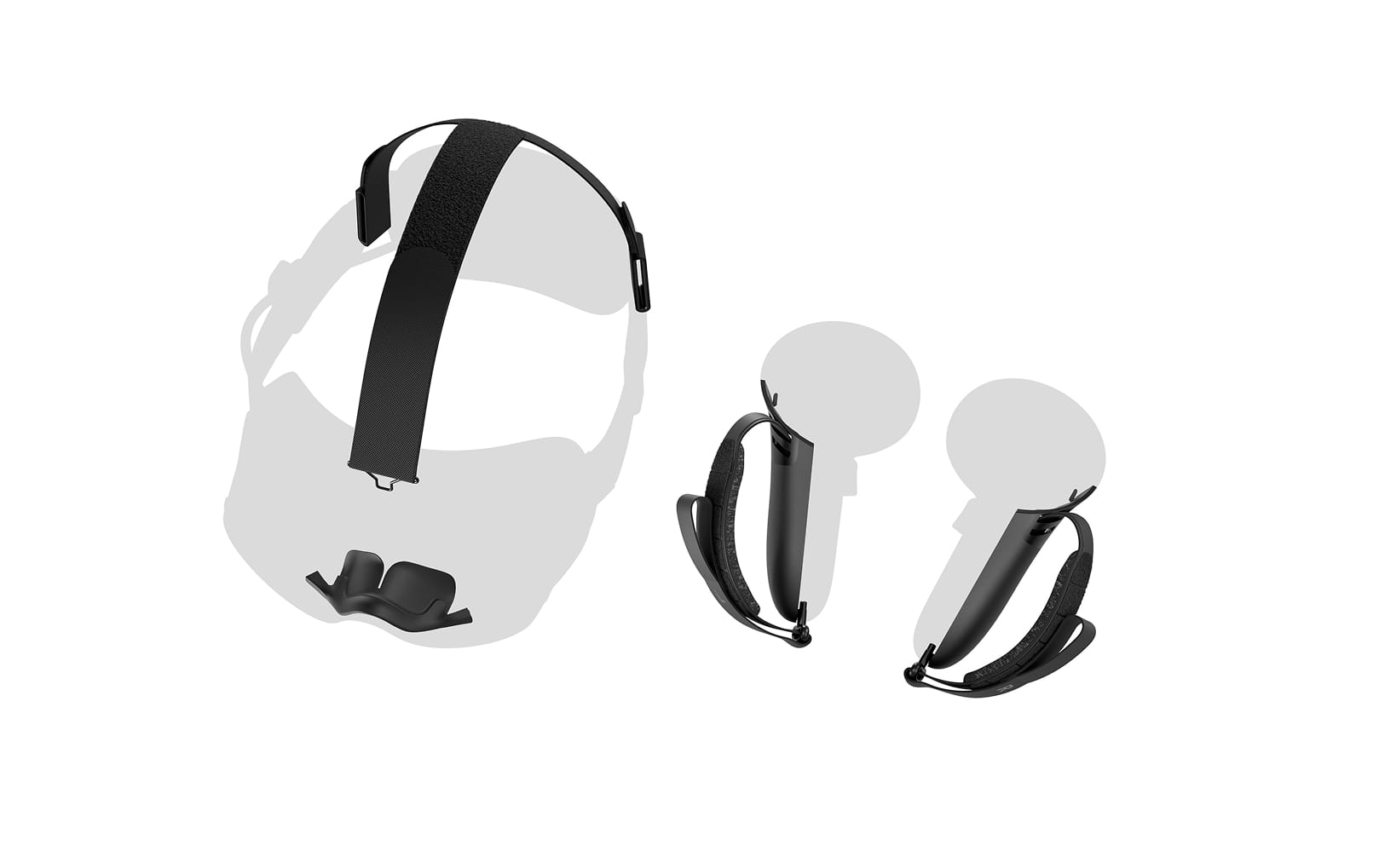
The Ergonomic Accessories Kit ($59 USD)
For users seeking enhanced comfort during long play sessions, Valve is selling an optional $59 kit ($89 CAD, €69, £59, A$99, 279 zł). It includes:

- A rigid headset top strap for better weight distribution.
- Index-style controller hand grip straps for secure, open-hand throwing mechanics.
- An extended nose-line light blocker to eliminate external light bleed.
Global Pricing Matrix
| Region | 256GB Model | 1TB Model | Ergonomic Kit |
|---|---|---|---|
| USA | $1059 | $1299 | $59 |
| Canada | C$1529 | C$1859 | C$89 |
| Europe | €1049 | €1279 | €69 |
| UK | £889 | £1089 | £59 |
| Australia | A$1609 | A$1969 | A$99 |
| Poland | 4539 zł | 5549 zł | 279 zł |
The Arcturus Vision Color Passthrough Addon
Out of the box, the Steam Frame features a tinted, monochrome blue passthrough. While sharper in angular resolution than the Meta Quest 2, it lacks color and trails the fidelity of the Quest 3.
To solve this, Valve partnered with startup Arcturus Vision (formerly Arcturus Industries) to build a $149 hardware addon that plugs directly into the Steam Frame’s PCI-E expansion port.
- Specs: Weighs just 10 grams; features dual 32-megapixel Sony RGB sensors.
- Capabilities: Adds pristine color passthrough that integrates natively into any application utilizing the headset’s passthrough APIs. Arcturus is also launching two companion Steam apps: one for capturing 5K HDR stereo footage and another for scanning and exploring photorealistic Gaussian splats of physical environments. It will launch alongside the headset in major global markets.
Official Responses: Standalone Half-Life: Alyx and Verified Titles
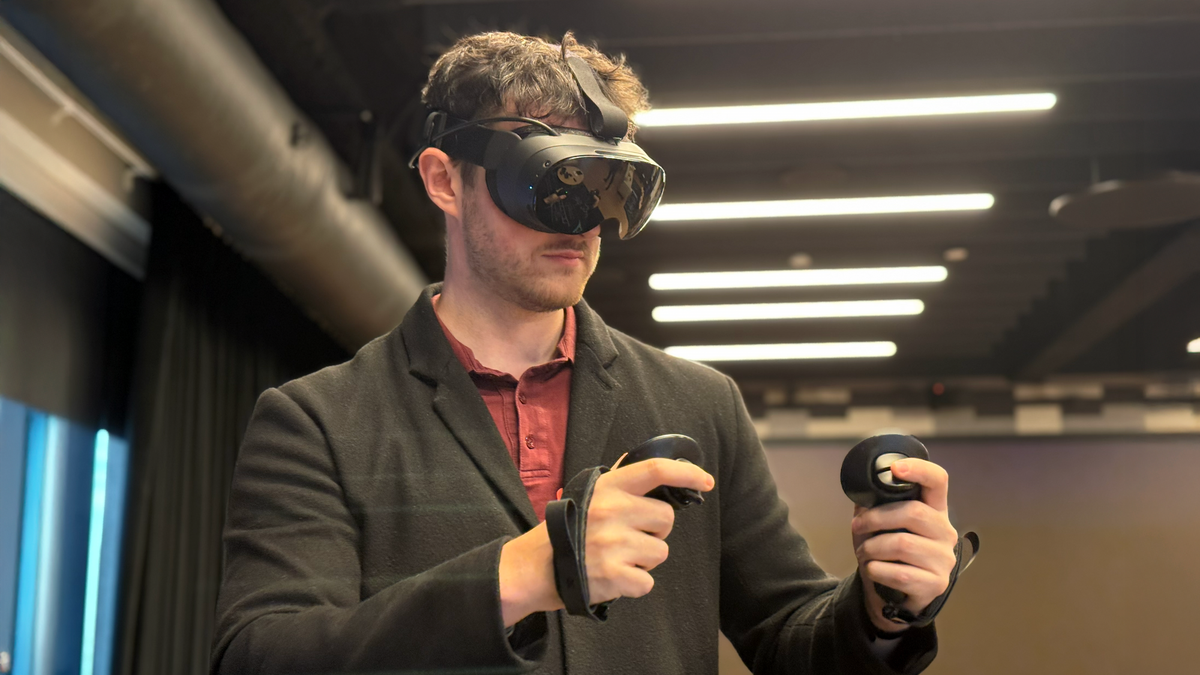
The crown jewel of today’s announcement is the confirmation of a native, 64-bit ARM build of Half-Life: Alyx optimized to run entirely standalone on the Steam Frame.
How Valve Pulled Off Standalone Alyx
According to Valve engineers, the key breakthrough was the complete, system-level integration of eye-tracked foveated rendering. Paired with over a year of rigorous Vulkan graphics driver optimization, SteamVR codebase updates, and the implementation of depth reprojection, the hardware can now process the legendary VR shooter without melting its mobile processor.
Crucially, Valve confirmed that no content changes were made to the game. This means:
- Steam Workshop mods work natively out-of-the-box on the standalone version.
- Steam Cloud save support allows players to seamlessly transition their save files back and forth between standalone play and PC VR streaming.
- Half-Life: Alyx is bundled free with every Steam Frame for users who do not already own it in their library.
70 "Great on Frame" Launch Titles
Beyond Alyx, Valve has already tested and verified 70 popular VR titles that meet stringent performance standards for standalone execution, earning them the official "Steam Frame Verified" badge.
Implications: Changing the VR Landscape and The Reservation Hurdle
The launch of the Steam Frame marks a watershed moment for the medium. By proving that high-end PC titles like Half-Life: Alyx can be successfully ported to standalone ARM architectures via clever rendering techniques, Valve has fundamentally blurred the line between standalone headsets and PC-dependent hardware.
Furthermore, the improvements made to the 6GHz Wi-Fi 6E streaming protocol—combined with foveated streaming—cement the Steam Frame as the ultimate hybrid device for enthusiasts who want untethered freedom without sacrificing their expansive PC libraries.
How to Secure a Reservation
Mindful of past scalper crises and manufacturing bottlenecks, Valve is foregoing traditional preorders in favor of a randomized queue system akin to the Steam Machine and Steam Deck rollouts:
- Register Now: Users can log into Steam and register their intent to purchase a specific storage SKU immediately.
- The 72-Hour Window: Valve has announced that all reservations made within the first 72 hours (closing Thursday at 10:00 AM Pacific Time) will be pooled and randomized. Every user who registers in this window has an identical chance at securing an early slot.
- Queue Allocation: On Thursday afternoon, Valve will randomize the queue and begin emailing purchase links to users whose positions align with current factory inventory volumes. Unsuccessful applicants will roll over into an automated waitlist.
As review units land in the hands of critics worldwide, the industry waits to see if Valve’s ambitious hardware gamble can successfully deliver the frictionless VR future gamers have been promised for a decade.

