

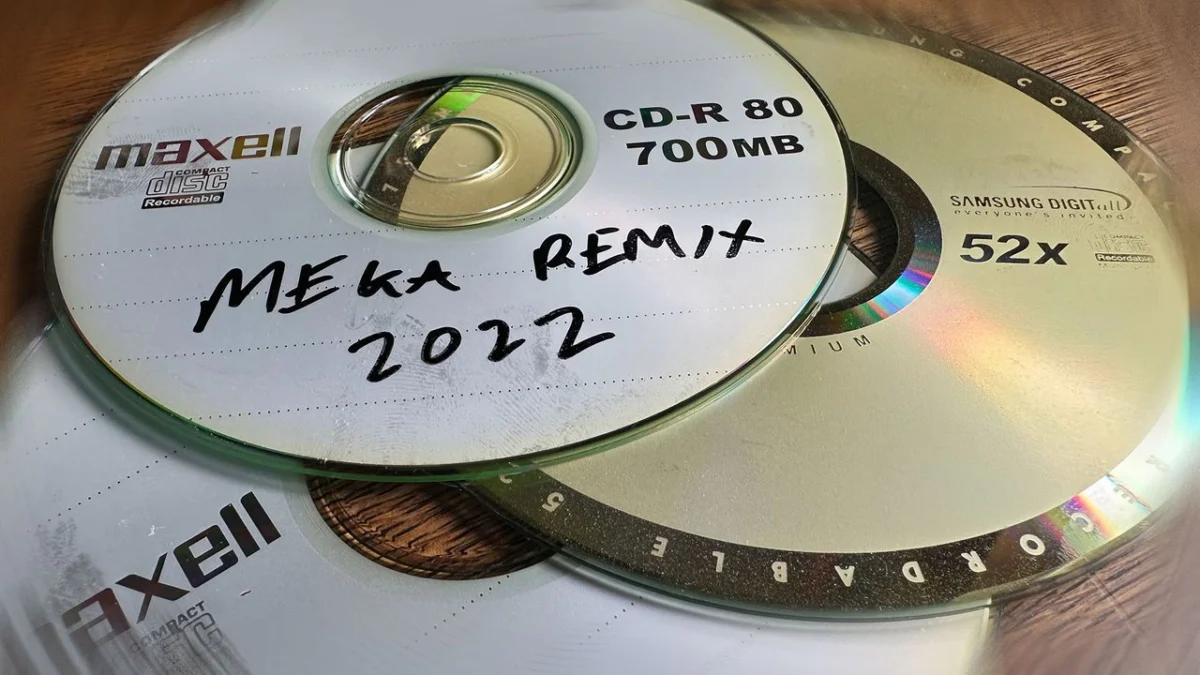
HULL, UK – October 2026 – In a case that echoes the analogue piracy struggles of decades past, a UK man has been handed a significant sentence after pleading guilty to orchestrating an unauthorized operation involving the mixing and selling of music CDs, a clear breach of international copyright laws. Marc Kearns, 47, residing in East Cowick, a village near Snaith in East Yorkshire, received a 26-month prison sentence, which has been suspended for 18 months. In addition to the suspended custodial term, Kearns is mandated to complete 250 hours of unpaid community service work, as reported by the BBC.
The verdict, delivered at Hull Crown Court, brings to a close a lengthy investigation that commenced almost eight years prior, in 2018. This case serves as a stark reminder that even in an era dominated by digital streaming and increasingly sophisticated online piracy, the illicit trade in physical media continues to pose a threat to the creative industries and remains firmly within the sights of law enforcement agencies. Kearns’ operation, thriving in a niche market of consumers with a discernible fondness for tangible music compilations, ultimately failed to evade the long arm of justice.
Main Facts of the Case
Marc Kearns, a 47-year-old resident of East Cowick, East Yorkshire, has been found guilty of multiple charges related to copyright infringement. His criminal activity involved the unauthorized duplication, mixing, and commercial distribution of music on Compact Discs (CDs). These illicit compilations featured tracks from numerous well-known artists, none of whom, nor their respective record labels, had granted permission for such use or received any royalties from Kearns’ sales.
The sentence handed down by Hull Crown Court includes a 26-month prison term, which has been suspended for 18 months. This means that while Kearns avoids immediate incarceration, any breach of the conditions of his suspension during this 18-month period could result in him serving the full 26-month sentence. Furthermore, he is required to undertake 250 hours of community service, an unpaid contribution to society intended as a punitive measure and a deterrent against future unlawful conduct.
The case highlights the enduring relevance of copyright law, even as the primary modes of music consumption have drastically shifted from physical formats to digital platforms. Kearns’ operation, focused on an outdated medium in 2026, demonstrates that the principles of intellectual property protection apply irrespective of the technological format involved. His plea of guilty acknowledged the serious nature of his offenses, which undermined the legitimate music industry by profiting from the creative works of others without due compensation. The legal proceedings underscore the commitment of UK authorities to combat all forms of intellectual property theft, regardless of their scale or the chosen medium.
Chronology of the Investigation and Legal Proceedings
The journey to Marc Kearns’ sentencing in late 2026 was a protracted one, spanning over eight years and involving diligent investigative work by local trading standards officers. This extended timeline illustrates the complexities often inherent in prosecuting intellectual property crimes, particularly those that may operate on a less visible, localized scale.
Initial Discovery in 2018
The first indications of Kearns’ illicit activities emerged in 2018. It was at this point that local trading standards officers, likely acting on intelligence gathered from various sources, became aware of the unauthorized trade in music CDs. Such intelligence could have originated from consumer complaints regarding product quality, reports from legitimate music retailers or industry bodies, or even anonymous tips. The initial awareness phase would have involved preliminary assessments to determine the credibility and scope of the alleged infringement, laying the groundwork for a more formal inquiry.
Formal Investigation Commences in 2019
Following the initial intelligence gathering, a full-scale investigation was officially launched in 2019. This marked a significant escalation in the authorities’ efforts. During this phase, trading standards officers would have employed a range of investigative techniques. These could have included covert surveillance to observe Kearns’ activities and identify his distribution channels, as well as test purchases to acquire the illicit CDs directly as evidence. Such purchases would have been meticulously documented, allowing officers to verify the unauthorized nature of the content and the commercial scale of the operation. This period would also have involved gathering financial records, identifying suppliers of blank media or duplication equipment, and attempting to map the full extent of Kearns’ network, both in terms of production and distribution. The aim was to build a comprehensive case proving systematic copyright infringement.
Execution of Search Warrant in September 2022
After three years of meticulous investigation, sufficient evidence was amassed to secure and execute a search warrant in September 2022. This pivotal moment saw law enforcement descend upon Kearns’ premises in East Cowick. The execution of a warrant typically involves the seizure of all relevant evidence, which in this case would likely have included a substantial inventory of pre-recorded illicit CDs, large quantities of blank recordable media, CD burning equipment (such as multiple CD/DVD writers), computer systems containing master copies of unauthorized mixes or software used for duplication, packaging materials, and potentially customer lists or financial records detailing sales. The sheer volume of material seized would have indicated the scale of Kearns’ enterprise, transitioning it from a casual activity to a commercially significant operation. The evidence gathered during this raid would have been crucial in establishing the breadth and depth of the copyright infringement.
Legal Proceedings and Guilty Plea in 2026
Despite the warrant being executed in 2022, the legal proceedings themselves extended over another four years, finally concluding in 2026. This extended period is not uncommon for complex cases involving intellectual property, as it often requires detailed analysis of seized evidence, expert testimony regarding copyright ownership, and extensive preparation for court. During this time, prosecutors would have built their case, presenting the evidence collected by trading standards officers. Facing the weight of the evidence, Marc Kearns ultimately entered a plea of guilty to a number of charges at Hull Crown Court last week. His guilty plea likely streamlined the judicial process, avoiding a potentially longer and more costly trial, but nonetheless confirmed his culpability in the unauthorized trade of music. The plea and subsequent sentencing in 2026 brought the long-running saga to its official conclusion.
The Anatomy of a CD Piracy Operation in the 21st Century
Marc Kearns’ illicit enterprise offers a fascinating, almost anachronistic, glimpse into a form of piracy that predates the digital revolution, yet managed to persist and even thrive in a niche market well into the 2020s. His methods, though seemingly rudimentary by modern standards, proved effective enough to warrant a multi-year investigation and a criminal conviction.
Methods of Operation: Bridging the Past and Present
The original article hints that Kearns’ "greatest sin was living in the past," suggesting his distribution methods were decidedly old-school. While the exact channels remain unspecified, it is plausible that his operation relied on a combination of direct physical trade and possibly more discreet online engagement. Potential avenues include:
- Market Stalls and Car Boot Sales: These traditional venues offer anonymity and direct cash transactions, making them ideal for selling unauthorized goods. Customers frequenting these locations might also be more inclined to seek out bargain-priced, unique compilations not readily available through official channels. The physical nature of CDs lends itself well to such face-to-face exchanges.
- Mail Order or Classifieds: While less common today, a dedicated customer base might have engaged with Kearns through classified advertisements in niche publications or through word-of-mouth networks, leading to mail-order deliveries. This method, while leaving a paper trail, could have been perceived as less risky than larger-scale online distribution.
- Social Media Groups and Forums: Even for "retro" items, online communities dedicated to specific music genres or formats exist. Kearns could have leveraged private social media groups, forums, or messaging apps to advertise his "remix CDs" to a targeted audience, arranging discreet sales or meet-ups. This approach blends traditional product with modern communication.
- Word-of-Mouth: For a niche product, reputation and recommendations within a specific subculture can be powerful. Satisfied customers might have spread the word, growing Kearns’ client base organically.
The decision to stick with physical CDs was likely driven by a combination of factors. Firstly, his target demographic – "firmly embedded in the shiny CD-era" – probably preferred physical media. Secondly, the perceived lower risk of detection compared to large-scale digital distribution, which is constantly monitored by sophisticated anti-piracy software and algorithms. A physical trade, while leaving a "traceable commercial footprint" through transactions, might have seemed less conspicuous than operating a torrent site or a vast online store.
The Illicit Product: "Remix CDs" and Copyright Infringement
Kearns’ offerings were described as "remix CDs featuring music from well-known artists." This designation is critical. It implies more than just straight-up duplication of existing albums. "Remix CDs" could mean:
- Unauthorized Compilations: Creating unique tracklists by combining songs from different artists or albums onto a single CD, often themed (e.g., "Best of 90s Dance," "Summer Chill Mix"). While seemingly innocuous, the act of reproducing and distributing these tracks without licensing is a direct violation of copyright.
- Fan-Made Edits/Remixes: While some amateur remixes are shared freely online, selling them commercially without securing rights from the original artists and composers is illegal. These might involve altering existing tracks, creating extended versions, or blending different songs.
- Bootleg Live Recordings: Another common form of illicit physical media is the distribution of unauthorized live concert recordings.
The core issue is the complete circumvention of the legitimate music industry’s ecosystem. Every sale Kearns made represented lost revenue for the artists who created the music, the songwriters, the record labels, and the distributors. It also bypassed the collection societies responsible for paying royalties, thus depriving legitimate creators and rights holders of their rightful income.
The "Shiny CD-Era" Niche and Technological Simplicity
The article highlights Kearns’ customers’ "fondness for hand-made compilations burned on beige desktop PCs." This detail paints a vivid picture of the operation’s aesthetic and its target audience. The "shiny CD-era" refers to the late 1980s through the early 2000s, when CDs were the dominant music format. For many, this era evokes nostalgia, and a physical compilation holds a certain charm that streaming cannot replicate.
The use of "beige desktop PCs" for burning CDs further underscores the low-tech nature of the operation. Standard consumer-grade CD-R/RW drives and readily available software would have been sufficient. This simplicity meant lower overheads and a barrier to entry that was practically non-existent for anyone with basic computer literacy. Kearns didn’t need a sophisticated manufacturing plant; he could run his operation from a home office, producing copies on demand or in small batches. This low-tech approach, ironically, might have made him harder to trace initially, but ultimately left a physical footprint that proved his undoing.
Supporting Data and Broader Context of Music Piracy
Kearns’ case, while focused on physical media, exists within the broader landscape of music piracy, an issue that has evolved significantly over the past two decades. Understanding this context helps to appreciate both the anachronistic nature of his crime and the enduring challenges faced by the creative industries.
The Decline of Physical Media and the Rise of Streaming
The music industry has undergone a seismic shift since the peak of CD sales. In the early 2000s, nearly one billion CDs were shipped globally per year. However, the advent of digital downloads and, more profoundly, music streaming services, led to a dramatic decline in physical media consumption. By 2020, CD sales in many Western markets had plummeted by over 90% compared to their peak. Streaming platforms like Spotify, Apple Music, and Amazon Music Unlimited now dominate the market, offering vast libraries of music for a subscription fee or through ad-supported models. This shift has democratized access to music, making it easier and often more affordable to consume legally.
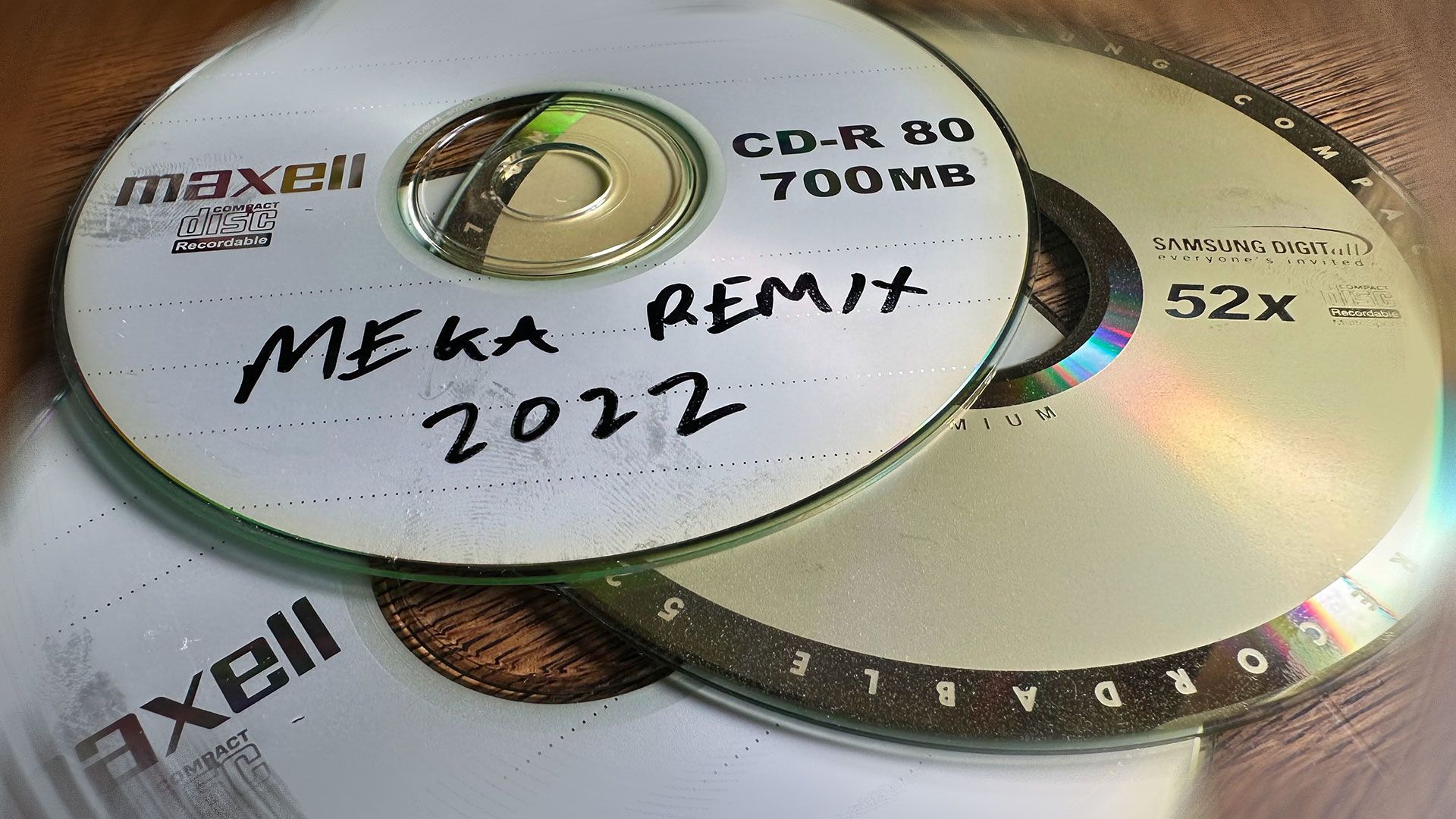
Despite this decline, a niche market for physical media persists. Collectors, audiophiles, and fans of specific genres or artists continue to purchase vinyl records and, to a lesser extent, CDs. This enduring demand, however small, can still be exploited by illicit traders like Kearns, who tap into a nostalgia factor or offer unique, unauthorized compilations.
The Enduring Problem of Piracy Across Formats
While CD piracy has become a fringe issue compared to its heyday, music piracy itself remains a significant global challenge. The methods have simply shifted:
- Illegal Downloads: Websites and torrent networks offering unauthorized MP3s and other audio files continue to exist, though their prevalence has decreased with the rise of streaming.
- Stream Ripping: Tools that allow users to record audio directly from streaming services, effectively creating illegal downloads.
- Pirate Streaming Sites: Websites and apps that illegally stream music, often bypassing geo-restrictions and avoiding royalty payments.
- Counterfeit Merchandise: Beyond music, the trade in counterfeit goods, including fake CDs or branded merchandise, remains a pervasive problem across various industries, impacting company sales and often funding other illicit activities.
The economic impact of music piracy is substantial. Industry reports consistently estimate billions of dollars in lost revenue annually for artists, record labels, and publishers worldwide. This loss impacts investment in new talent, production budgets, and the overall health of the creative ecosystem.
The Role of Trading Standards in Protecting Intellectual Property
The investigation and prosecution of Marc Kearns underscore the vital role of local trading standards departments in upholding intellectual property rights. Trading standards officers are responsible for enforcing a wide range of consumer protection legislation, including laws relating to counterfeit goods and copyright infringement.
Their work involves:
- Intelligence Gathering: Identifying sources of illicit goods through public complaints, industry referrals, and proactive surveillance.
- Investigation: Conducting covert operations, test purchases, and financial analyses to build a case.
- Enforcement: Executing search warrants, seizing evidence, and preparing cases for prosecution.
- Deterrence: Publicizing successful prosecutions to discourage others from engaging in similar illegal activities.
Such investigations are resource-intensive, requiring trained personnel, legal expertise, and often collaboration with national and international bodies. The lengthy timeline of Kearns’ case—from initial awareness in 2018 to sentencing in 2026—demonstrates the persistence required to tackle these types of offenses, even when they involve what might seem like outdated technology. The "traceable commercial footprint" left by physical trade, such as transaction records or delivery notes, is often crucial for trading standards officers to build a case, contrasting with the more ephemeral nature of purely digital piracy.
Official Responses and the Message of Deterrence
The sentencing of Marc Kearns has elicited clear statements from local authorities, emphasizing the financial harm caused by copyright infringement and the broader societal implications of such illicit trade. These responses aim to both justify the protracted investigation and send a strong message to potential future offenders.
Council Spokesperson’s Statement: Exploitation at the Expense of Artists
Commenting on the sentencing, a council spokesperson articulated the core grievance of the legitimate music industry: "This activity enabled him to commercially exploit protected material, generating income at the expense of legitimate artists and businesses within the music industry." This statement highlights the fundamental principle of intellectual property rights: creators and rights holders are entitled to control the use of their work and to benefit financially from it.
Kearns’ actions directly undermined this principle. By mixing and selling music without permission or payment, he effectively stole the intellectual labour of countless individuals – musicians, songwriters, producers, engineers, and the many others involved in bringing music to market. His profit came at the direct expense of their livelihoods and the investments made by record labels in developing and promoting talent. The spokesperson’s comment serves as a reminder that copyright infringement is not a victimless crime; it has tangible economic consequences for a vital creative sector.
Local Councilor’s Perspective: Significant Illicit Profit and Deterrence
A local councilor further underscored the financial motivations behind such crimes, noting the potential for generating "significant illicit profit" from the trade in counterfeit and unauthorized goods. This perspective acknowledges that while Kearns’ operation might seem small compared to global digital piracy networks, it was nevertheless a commercial enterprise designed for personal gain. The cumulative effect of many such operations can collectively inflict substantial damage on the legitimate economy.
Crucially, the councilor expressed hope that the sentencing of Kearns, despite being suspended, would serve as a deterrent to other pirate traders. A suspended sentence, while not involving immediate imprisonment, still carries the weight of a criminal conviction, a probationary period, and mandatory community service. It sends a clear message that authorities are willing to pursue and prosecute those who infringe copyright, even for seemingly "old-fashioned" methods like CD piracy. The goal is to make the risks and consequences of such illicit activities outweigh any perceived financial benefits, thereby discouraging others from engaging in similar practices.
Industry Reactions and Legal Precedents
While no specific industry reaction to this particular case was cited in the original report, the music industry consistently advocates for strong enforcement against piracy in all its forms. Organisations such as the British Phonographic Industry (BPI) and various artist rights groups routinely support legal action against infringers, viewing each successful prosecution as a victory for creators and a reinforcement of copyright law. They would likely welcome this sentencing as a demonstration that the legal framework is robust enough to tackle intellectual property theft, regardless of the medium.
Legally, this case reinforces the well-established principles of UK copyright law, primarily governed by the Copyright, Designs and Patents Act 1988. This act grants creators exclusive rights to reproduce, distribute, and adapt their works. Kearns’ unauthorized mixing and selling of music directly violated these exclusive rights. The outcome of his case further solidifies legal precedents that even home-based or niche operations are not immune from prosecution if they involve commercial exploitation of protected material.
Implications and Future Outlook
The sentencing of Marc Kearns for his illicit CD operation carries multiple implications, touching upon the individuals involved, the broader music industry, and the ongoing struggle against intellectual property theft in an ever-evolving technological landscape.
For Marc Kearns: Personal Consequences and Rehabilitation
For Marc Kearns himself, the immediate implications are significant. While he has avoided immediate imprisonment, the 26-month suspended sentence hangs over him for the next 18 months. Any further unlawful activity, or failure to comply with the terms of his suspension, could see him incarcerated. The 250 hours of community service will demand a substantial commitment of his time and effort. Beyond the immediate punitive measures, Kearns now carries a criminal record, which can have long-lasting repercussions on his employment prospects, travel, and overall reputation. The financial gains from his illicit trade will likely be offset by legal costs and the disruption to his life, serving as a harsh lesson in the true cost of copyright infringement.
For the Music Industry: An Ongoing Battle on Many Fronts
For the music industry, Kearns’ case is a minor victory in a much larger, ongoing war against piracy. While physical CD piracy is no longer the primary threat it once was, the industry continues to grapple with sophisticated digital piracy networks, illegal streaming sites, and new forms of content theft. This case underscores that vigilance is required across all platforms and formats. It reminds rights holders that even niche markets can be exploited, and that comprehensive enforcement strategies must account for both cutting-edge digital threats and more traditional, "analogue" forms of infringement. The commitment shown by trading standards in pursuing such a lengthy investigation, even for an older medium, provides a degree of reassurance to artists and labels that their intellectual property is protected by law.
For Consumers: Risks and Responsibilities
The case also holds implications for consumers. While many may be unaware of the legal nuances of buying "unofficial" compilations, the prosecution of sellers like Kearns highlights the risks involved in purchasing counterfeit or unauthorized goods. Consumers of such products may unknowingly contribute to illegal enterprises, and while less common, can occasionally face issues with product quality or lack of recourse if the goods are faulty. More importantly, buying from legitimate sources ensures that artists and creators receive their rightful compensation, sustaining the creative ecosystem that produces the music people enjoy. It reinforces the idea that supporting legitimate channels is crucial for the health and future of the arts.
The Broader Message: No Escape for Copyright Infringement
The most overarching implication of this case is the clear message it sends: copyright infringement, regardless of the scale or the medium used, is a prosecutable offense. The fact that a man was sentenced in 2026 for selling illicit CDs – a format widely considered obsolete by mainstream audiences – demonstrates that the long arm of the law eventually catches up. This serves as a powerful deterrent, signaling that even those operating in perceived "cobwebbed corners of the internet" or through seemingly low-profile physical trade, are not immune to detection and prosecution. It reinforces the principle that intellectual property rights are fundamental, and efforts to commercially exploit protected material without permission will be met with legal consequences.
The Paradox of Physical Media in 2026
Finally, the case highlights the fascinating paradox of physical media in the mid-2020s. While streaming dominates, there remains a dedicated, if smaller, community that values the tangibility and nostalgia of CDs and vinyl. This niche market, driven by factors such as collecting, sound quality preferences, or simply a love for physical objects, presents a unique challenge for enforcement. It’s a market where "old-school" methods of piracy can still find an audience, proving that the battle for intellectual property rights is a dynamic and ongoing one, constantly adapting to both technological advancements and the enduring human desire for both convenience and tangible connection to art.

