

For more than a decade, purchasing a major publisher’s game on Steam has come with an unwritten, universally loathed tax: the mandatory secondary launcher. Whether diving into an open-world adventure from Ubisoft, an epic RPG from Electronic Arts, or a crime thriller from Rockstar Games, PC players have long grown accustomed to clicking "Play" on Steam, only to watch a proprietary desktop client boot up, demand login credentials, and act as a stubborn digital bouncer blocking the path to actual gameplay.
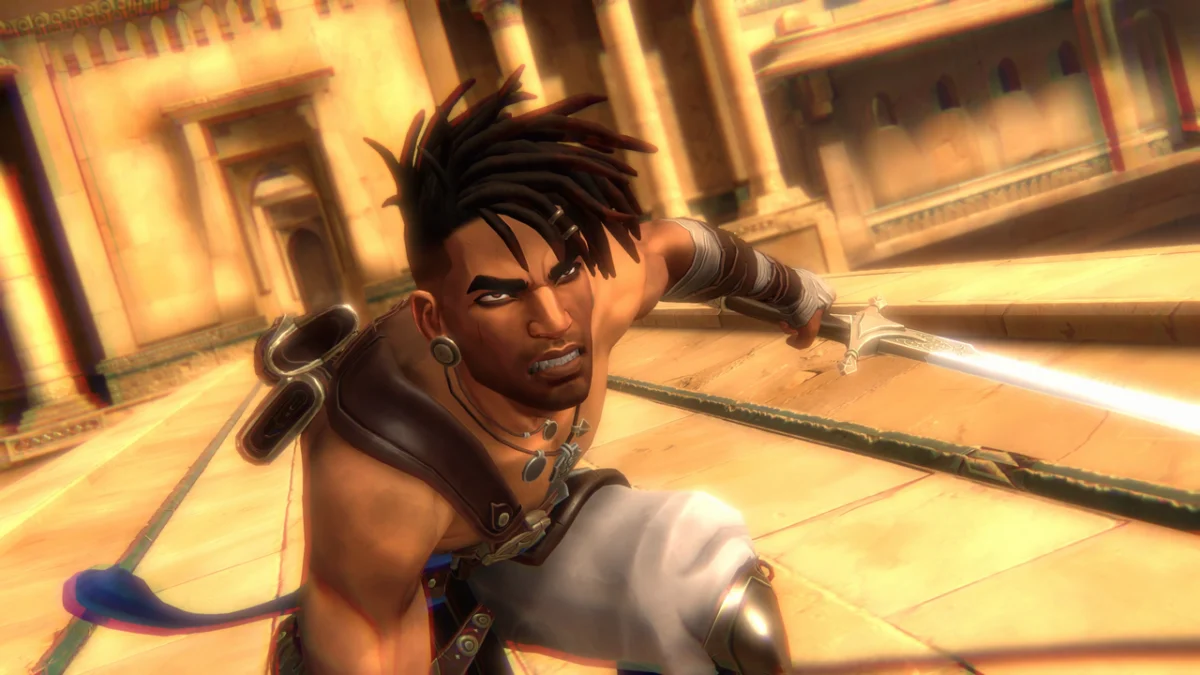
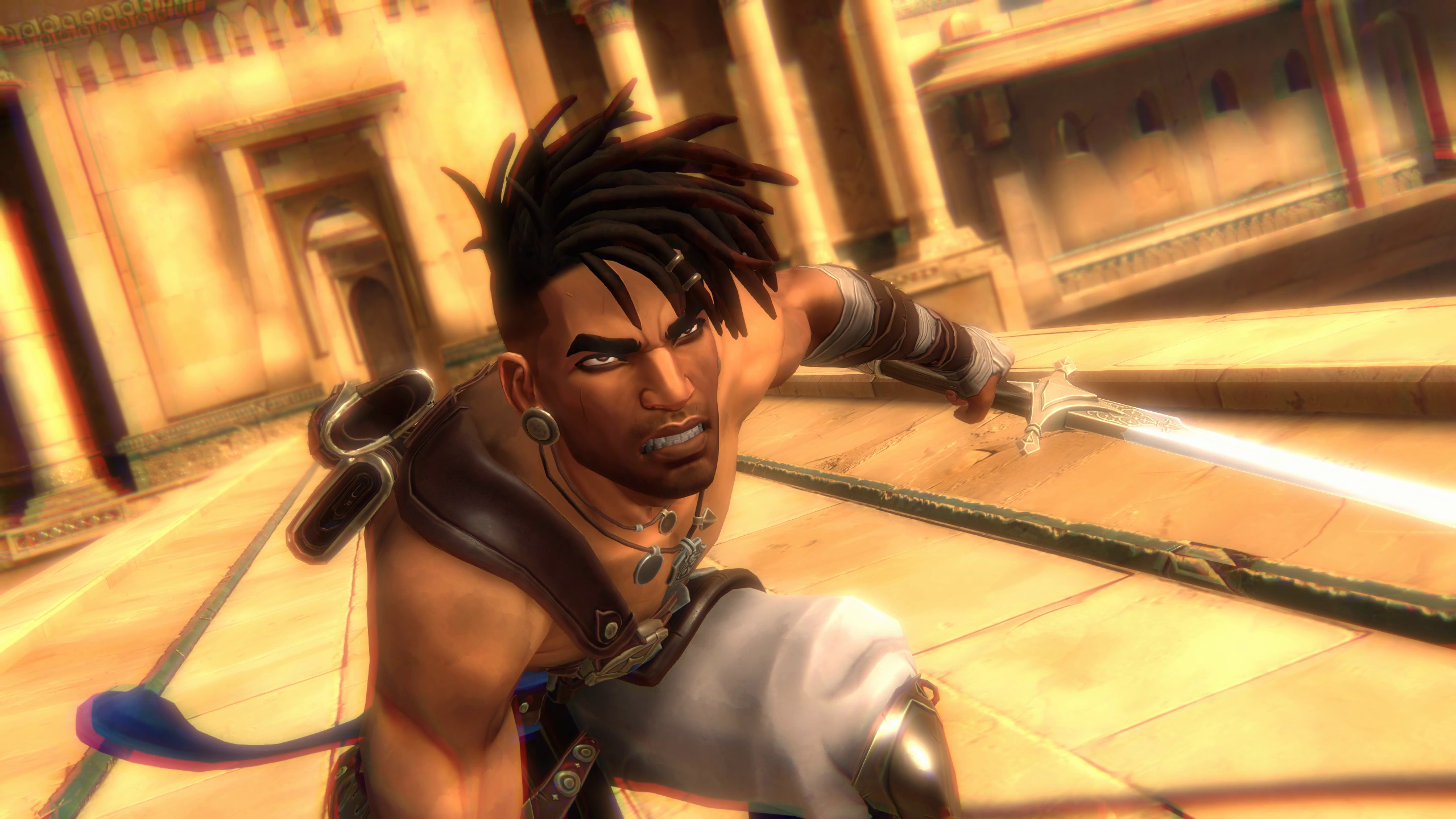
Now, in what could signal a massive shift in industry standards, Ubisoft is finally beginning to dismantle this friction-heavy system. Starting with the critically acclaimed platformer Prince of Persia: The Lost Crown, the French publisher is testing a streamlined approach that eliminates the Ubisoft Connect desktop application entirely for Steam users.
While the move has been met with universal praise from a weary PC gaming community, it also raises important questions about the future of digital storefront integration, account requirements, and whether competitors like EA and Rockstar will follow suit.
Main Facts: What is Changing?
The core of Ubisoft’s announcement is deceptively simple: players launching Prince of Persia: The Lost Crown on Steam will no longer be forced to open the standalone Ubisoft Connect desktop client.
However, "eliminating the launcher" does not mean Ubisoft is completely abandoning its ecosystem. Instead, the publisher is transitioning to a background utility called Ubisoft Connect Services, deployed as a new Steam tool. This lightweight software will operate invisibly behind the scenes to handle essential backend functions that publishers rely on for modern multiplayer and live-service titles.
According to Ubisoft’s official Steam post, the new system will manage:
- Cross-progression and cross-play capabilities.
- Player safety, reporting, and moderation tools.
- In-game challenges, achievements, and rewards.
"This first version is an initial step toward a smoother and more streamlined launch experience on Steam," Ubisoft stated in the release. "We will continue to iterate and improve Ubisoft Connect Services over time, with the goal of delivering the features and services players use and expect while making the Steam experience as seamless as possible."
While players will likely still need a linked Ubisoft account—similar to how titles like Diablo IV require a Battle.net account to run on Steam without forcing the Battle.net app to pop up—the removal of the memory-hogging, secondary desktop application is a monumental quality-of-life win. Furthermore, Ubisoft has confirmed that this new framework will eventually roll out to other games in its expansive catalog.
Chronology: The Rise, Frustration, and Fall of Secondary Launchers
To understand why this announcement is such a watershed moment for PC gaming, it is necessary to look back at how the industry arrived at the multi-launcher era.
2010–2015: The Land Grab Era
In the early 2010s, Valve’s Steam platform was rapidly cementing its monopoly on digital PC game distribution. Unwilling to pay Valve’s hefty 30% revenue cut on every digital sale—and eager to control their own direct-to-consumer relationships, user data, and microtransaction storefronts—major publishers began building walled gardens of their own.
Electronic Arts launched Origin (later rebranded to the EA App) in 2011, while Ubisoft introduced the Ubisoft Game Launcher (later rebranded to Uplay, and eventually Ubisoft Connect) around the same time. Rockstar Games followed suit with the Rockstar Games Launcher in 2019.
Initially, these publishers pulled their games off Steam entirely to force players onto their proprietary platforms. However, reality soon set in: Steam possessed an unmatched user base and community infrastructure. Eventually, publishers capitulated and brought their games back to Steam—but with a catch. They forced Steam copies to execute their proprietary launchers in the background, creating a cumbersome double-verification process that annoyed users.
2020–2023: Peak Launcher Fatigue
By the turn of the decade, PC launcher fatigue had reached a fever pitch. Gamers routinely complained on Reddit, Twitter, and major forums about having to update multiple background apps just to play a single-player game. Ubisoft Connect, in particular, earned a reputation for being slow, intrusive, and prone to breaking cloud saves.
In industry roundups and launcher reviews—such as PC Gamer’s comprehensive 2024 launcher rankings—Ubisoft’s client consistently landed near the very bottom. Reviewers and players alike characterized it as "another launcher only used under duress," whose primary visible function was pushing aggressive microtransactions and in-game store links onto players.
2024–Present: The Retreat
Recognizing that user friction directly harms game sales and player retention, publishers have slowly begun softening their stances. Valve’s Steam Deck has also played a massive role in this shift; Linux-based Proton environments often struggle to run secondary third-party launchers smoothly, making native Steam integration a technical necessity for games aiming for "Deck Verified" status.
Ubisoft’s decision to pilot launcher-free integration with Prince of Persia: The Lost Crown represents the most aggressive step yet taken by a major publisher to reverse the launcher trend.
Supporting Data & Industry Context
To gauge the significance of Ubisoft’s pivot, one must look at how PC players interact with digital storefronts and how other industry giants handle third-party integration.
- The Steam Monopoly: Steam regularly breaks its own concurrent user records, surpassing 39 million simultaneous users in late 2024. For publishers, reaching this massive audience is mandatory, but alienating Steam purists with clunky background software has become an increasingly risky business strategy.
- The Precedent Set by Blizzard: When Activision Blizzard brought Diablo IV and Overwatch 2 to Steam, they adopted a hybrid approach. A Battle.net account is required to play, but the game executes directly through Steam without launching the full Battle.net client interface. Ubisoft appears to be mirroring this exact blueprint.
- The Holdouts: While Ubisoft is taking a major step forward, competitors remain entrenched in the old ways. EA games purchased on Steam still routinely require the EA App to boot up, and Rockstar titles continue to force the Rockstar Games Launcher, often resulting in frustrating login loops for players on the Steam Deck.
Official Responses and Community Reaction
The gaming community’s reaction to Ubisoft’s announcement has been overwhelmingly positive, mixed with a healthy dose of long-overdue validation.
On Steam community hubs and social media platforms, players flooded discussion boards to celebrate the news. Many expressed hope that games plagued by launch-day friction—such as Rainbow Six Siege, The Division 2, and the Assassin’s Creed franchise—will soon receive the same treatment.
"I’ve definitely resisted the spontaneous urge for a Rainbow Six Siege match due to the petty annoyance of getting it to open," noted industry analysts pointing out how minor technical barriers can actively suppress player engagement in live-service titles.
Ubisoft, for its part, has framed the move as a listening exercise. While corporate statements often lean heavily on marketing buzzwords like "streamlined launch experience" and "seamless integration," the technical reality of deploying Ubisoft Connect Services suggests genuine engineering effort aimed at trimming software bloat.
Broader Implications for the Future of PC Gaming
Ubisoft’s trial run with Prince of Persia: The Lost Crown could trigger a domino effect across the broader PC gaming landscape. Here is what this shift means for the future:
1. A Boost for Handheld Gaming (Steam Deck and ROG Ally)
Portability relies on seamless user experiences. Handheld gaming PCs like the Steam Deck and Asus ROG Ally struggle significantly when secondary launchers demand offline logins, web-view verifications, or background updates. By stripping away the Ubisoft Connect desktop app, games running on these devices will launch faster, consume less RAM, and suffer from far fewer crash errors.
2. Pressure on EA and Rockstar
With Ubisoft—a publisher historically rigid about its ecosystem control—conceding that a full desktop launcher hurts the Steam experience, immense pressure is now placed on Electronic Arts, Take-Two Interactive (Rockstar), and other third-party publishers. If Ubisoft proves that you can maintain cross-play, player safety, and account linking without forcing a resource-heavy app onto the player’s desktop, consumers will demand the same courtesy from EA and Rockstar.
3. Redefining the Publisher Ecosystem
Some industry watchers initially worried that publishers would abandon Steam entirely to build their own standalone stores (a strategy famously attempted by Epic Games with the Epic Games Store, and Ubisoft with early iterations of Uplay). However, Ubisoft’s move indicates an acceptance of a hybrid reality: Steam is simply too big to ignore, and publishers must learn to coexist within Valve’s ecosystem rather than trying to build roadblocks inside it.
Conclusion
Ubisoft’s decision to sideline its desktop launcher for Prince of Persia: The Lost Crown marks a refreshing, player-first evolution in an industry frequently criticized for software bloat and anti-consumer practices.
While account requirements and backend services are not disappearing entirely, the removal of the dreaded secondary launcher removes a major pain point for millions of PC players. If this pilot program proves successful—and if the initiative expands rapidly across Ubisoft’s blockbuster franchises—it will set a vital precedent that other publishers can no longer afford to ignore.
For now, PC gamers can look forward to a future where clicking "Play" on Steam actually means playing the game, rather than waiting for another app to load.

