

By Gaming News Desk
Main Facts: The Vision Behind the Trilogy
When Square Enix first announced it was tackling a full-scale, multi-part remake of the 1997 PlayStation classic Final Fantasy VII, skepticism abounded. Recreating a legendary title that helped define an entire generation of role-playing games was a monumental gamble. However, according to Director Naoki Hamaguchi, the team operated under one strict, non-negotiable guiding principle from the very beginning: every single entry in the multi-part project had to stand on its own as a complete, fully realized gaming experience.
Rather than viewing the trilogy as piecemeal chunks of a giant narrative puzzle where cliffhangers could excuse a lack of resolution, Hamaguchi and his development team treated each installment as a standalone blockbuster. This philosophy dictated everything from the narrative pacing and climactic stopping points to the scope of the world design.
As the trilogy approaches its grand finale—tentatively known in recent discussions around Final Fantasy VII Revelation—new details have emerged from Edge magazine’s 429th issue shedding light on how Square Enix managed the gargantuan task of modernizing a beloved classic without losing its soul. Key revelations include:
- The Standalone Rule: Every chapter was engineered to feel complete, avoiding the trap of telling creators "there’s more to come, so it’s fine to stop here."
- Strategic Omissions: Beloved locations like Rocket Town and Wutai were intentionally excluded from Final Fantasy VII Rebirth to prevent narrative bloat and overwhelming player information density.
- Character Evolution: Cloud Strife’s psychological state and interpersonal relationships will undergo unique transformations in the upcoming third chapter, showcasing sides of the protagonist never before seen in previous iterations.
Chronology: From Midgar’s Shadows to the Edge of Creation
To understand the weight of Hamaguchi’s design choices, one must look at the chronological evolution of the Final Fantasy VII remake project. The timeline of development and release reflects a methodical scaling up of ambition, scope, and technical prowess.
Phase 1: Breaking Free from Midgar (Final Fantasy VII Remake, 2020)
When the first installment launched in April 2020, it surprised fans by focusing entirely on the industrial, dystopian city of Midgar—a mere prologue in the original 1997 game. By dedicating an entire 40-plus-hour title to the city, Square Enix proved that the "non-negotiable premise" worked. Players experienced a rich, character-driven story arc that culminated in a bombastic escape from the sprawling metropolis, giving the game a distinct beginning, middle, and end.
Phase 2: Expanding the Horizon (Final Fantasy VII Rebirth, 2024)
Released in early 2024, Final Fantasy VII Rebirth exponentially widened the scope. Cloud and his party stepped out into a massive, vibrant global map. However, the sheer volume of content required difficult editorial decisions. To maintain narrative momentum, iconic locations such as Rocket Town and Wutai were pushed back. The game concluded dramatically right on the heels of one of the most tragic and iconic sequences in video game history, setting the stage for the trilogy’s emotional climax.
Phase 3: The Upcoming Conclusion (Final Fantasy VII Revelation)
With the final chapter currently in development, the team is tasked with bringing all narrative threads together. The upcoming game promises to resolve the multifaceted plot involving Sephiroth, the Whispers, and the fate of the planet, all while delivering a deeply personal psychological resolution for Cloud Strife.
Supporting Data: Managing Scope and Player Fatigue
Building modern high-definition role-playing games of this magnitude requires careful management of data density, player stamina, and technical resources. Final Fantasy VII Rebirth was famously released across two physical discs on the PlayStation 5, highlighting the sheer size of its assets, audio files, and open-world environments.
During post-mortem discussions regarding Rebirth, developers evaluated player engagement metrics and feedback. The consensus was clear: open-world fatigue is a very real threat in contemporary game design. By packing too many distinct cultural hubs and narrative-heavy regions into a single release, developers risk diluting the emotional impact of the main story.
| Game Title | Release Year | Primary Setting / Scope | Key Narrative Climax | Notable Omissions / Focus |
|---|---|---|---|---|
| Final Fantasy VII Remake | 2020 | Urban Dystopia (Midgar) | Escape from Midgar into the unknown world | Deep dive into Shinra lore and Avalanche dynamics. |
| Final Fantasy VII Rebirth | 2024 | Open Global Map (Grasslands, Cosmo Canyon, etc.) | The tragic focal point leading into the final act | Rocket Town and Wutai saved for narrative breathing room. |
| Final Fantasy VII Revelation | TBD | Multiversal / Global Finale | Resolution of the Sephiroth crisis and Cloud’s psyche | Focus on Cloud’s altered demeanor and interpersonal bonds. |
By deliberately holding back locations like Wutai and Rocket Town from Rebirth, Square Enix managed to keep the runtime and exploration loops engaging without overwhelming the average player. This data-driven approach to pacing ensures that each chapter retains a distinct identity rather than blurring into an endless, bloated odyssey.
Official Responses: Director Naoki Hamaguchi Speaks
In his extensive interview with Edge magazine, Naoki Hamaguchi was candid about the philosophical hurdles of breaking down a single narrative into a multi-generational trilogy.
"Even as a multi-part series, providing a complete experience in each individual game was a non-negotiable premise from the very beginning," Hamaguchi stated. "The biggest thing to avoid in a multi-part series is having the creators think ‘there’s more to come, so it’s fine to stop here for now’."
This mindset explains why the development team went to such great lengths to ensure emotional resonance at the conclusion of both Remake and Rebirth. Rather than cutting a narrative arc abruptly in half, endings are framed around major thematic milestones.
Furthermore, Hamaguchi addressed the meticulous planning behind world-building cuts:
"When we looked at the overall plot and gameplay experience of Rebirth, we determined that depicting those elements [Rocket Town and Wutai] at the same time would have made the game too dense with information, disrupting the story’s pacing and the focus of the second game."
Addressing the future of the series and the psychological state of its protagonist in the third installment, Hamaguchi offered tantalizing hints regarding Cloud Strife:
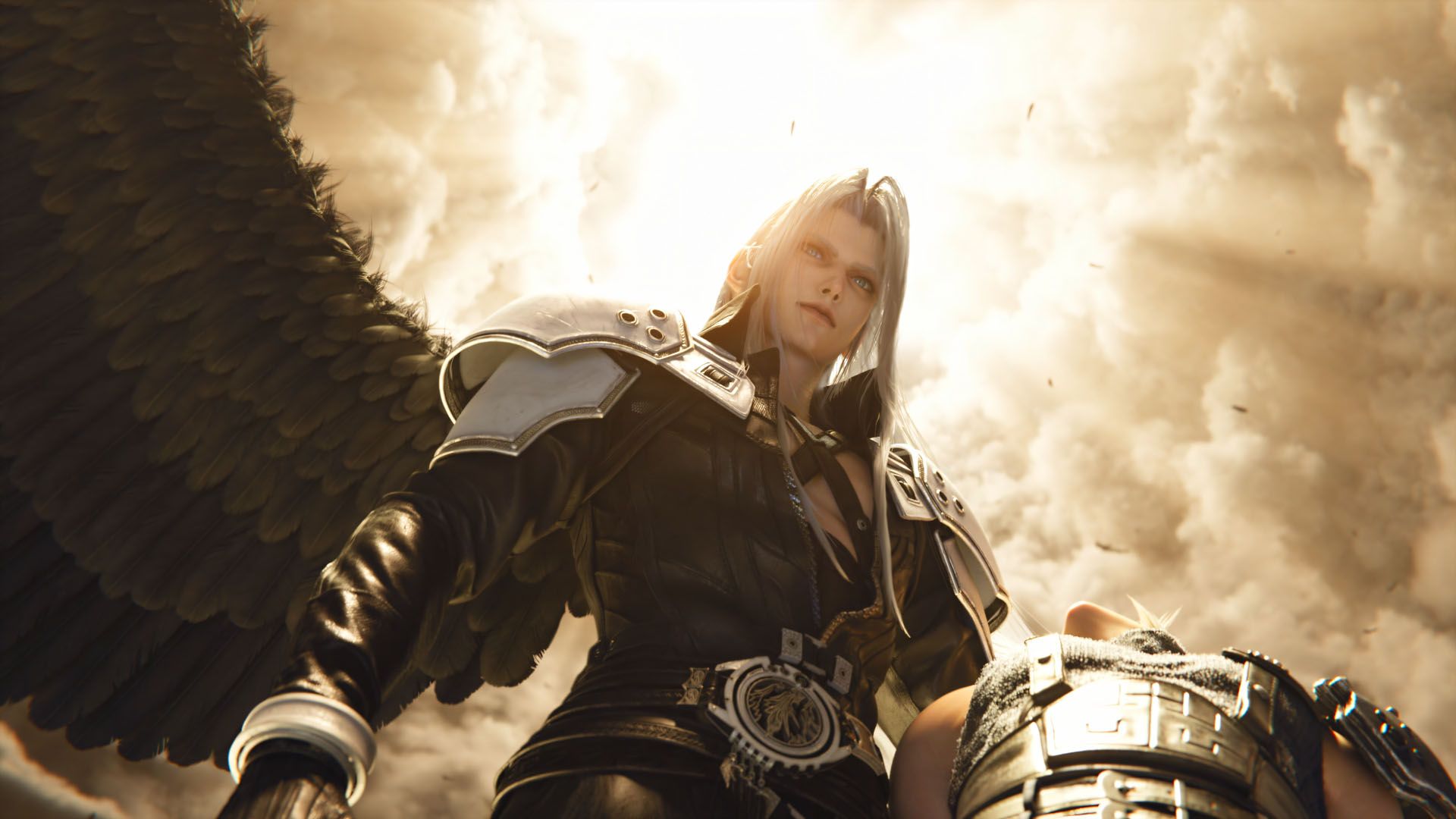
"In the footage we unveiled at Summer Game Fest, people noted that the way Cloud speaks had become gentler than before. While I’d prefer not to go into detail, I can say that players will experience a side of Cloud that hasn’t been seen in previous titles. I hope players will pay attention not only to how he confronts the crisis, but also to his relationships with his companions and the answer he ultimately arrives at as an individual."
Implications: What the Trilogy Means for the Future of JRPGs
The success and structural integrity of the Final Fantasy VII remake trilogy carry profound implications for the Japanese Role-Playing Game (JRPG) genre and the gaming industry at large.
For decades, the standard industry practice for remaking classic games involved a straightforward 1:1 graphical overhaul with modern control schemes. Square Enix’s bold pivot to a multi-part, high-budget reimagining has fundamentally redefined what a "remake" can achieve. By treating the source material as a foundation rather than a strict blueprint, the developers have managed to surprise even the most hardcore veterans who memorized the 1997 original.
Moreover, the emphasis on standalone completeness sets a new benchmark for episodic storytelling. Too often, serialized video games suffer from "middle-chapter syndrome," where a release feels utterly pointless on its own because it exists solely to bridge the gap between a beginning and an end. By insisting that Remake and Rebirth function as complete emotional arcs, Hamaguchi has proven that large-scale serialized narratives can succeed artistically and commercially without sacrificing individual narrative integrity.
As the industry slowly shifts toward digital-first distribution—with leaders in the project openly debating the longevity of physical media formats in a disc-less future—the legacy of this trilogy will likely be remembered as a high-water mark for modern AAA development. It demonstrates that with visionary direction, rigorous pacing, and a deep respect for character psychology, a familiar story can be told anew in a way that captivates a global audience for over a decade.

