

Main Facts
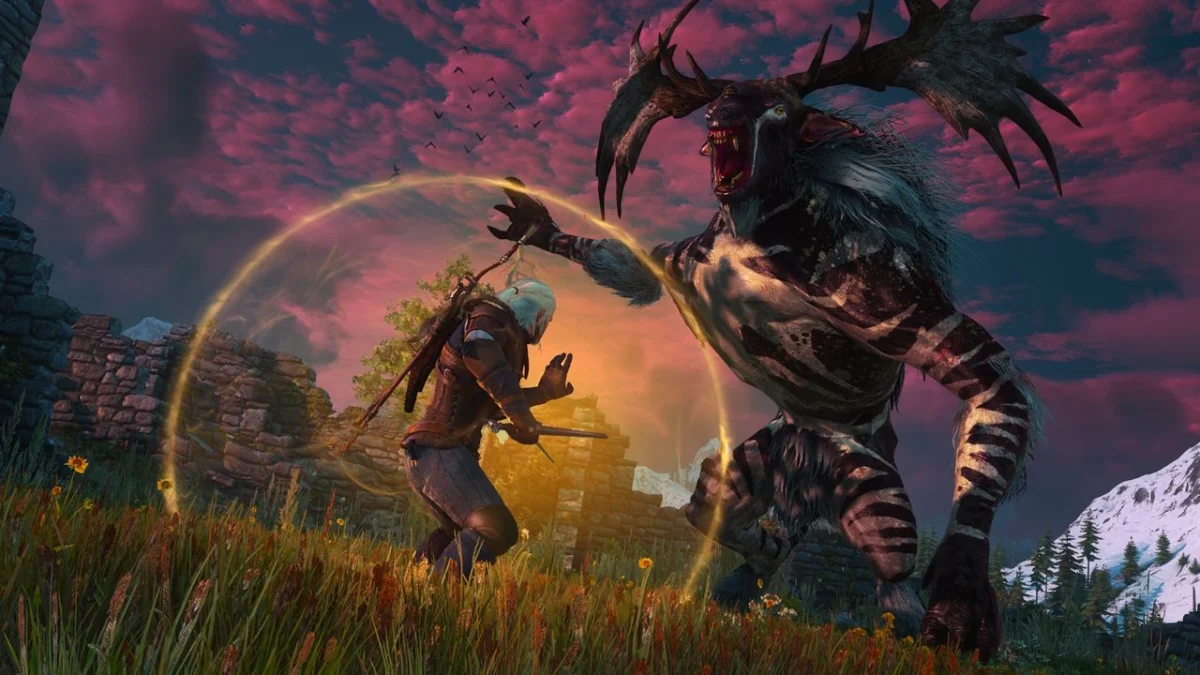
More than a decade after its initial release, The Witcher 3: Wild Hunt remains a towering benchmark in the role-playing game genre. Originally launched in May 2015 by CD Projekt Red to widespread critical acclaim—securing a stellar 92% review score on PC Gamer—the game achieved near-mythical status through continuous updates, technical enhancements, and two massive, critically revered narrative expansions: Hearts of Stone and Blood and Wine.
Now, CD Projekt Red is preparing to breathe new life into the Continental epic. Later this month, on September 29, the studio will release a comprehensive remaster of the base game and its first two expansions. Crucially, this upgrade will be entirely free for existing owners of the base game.
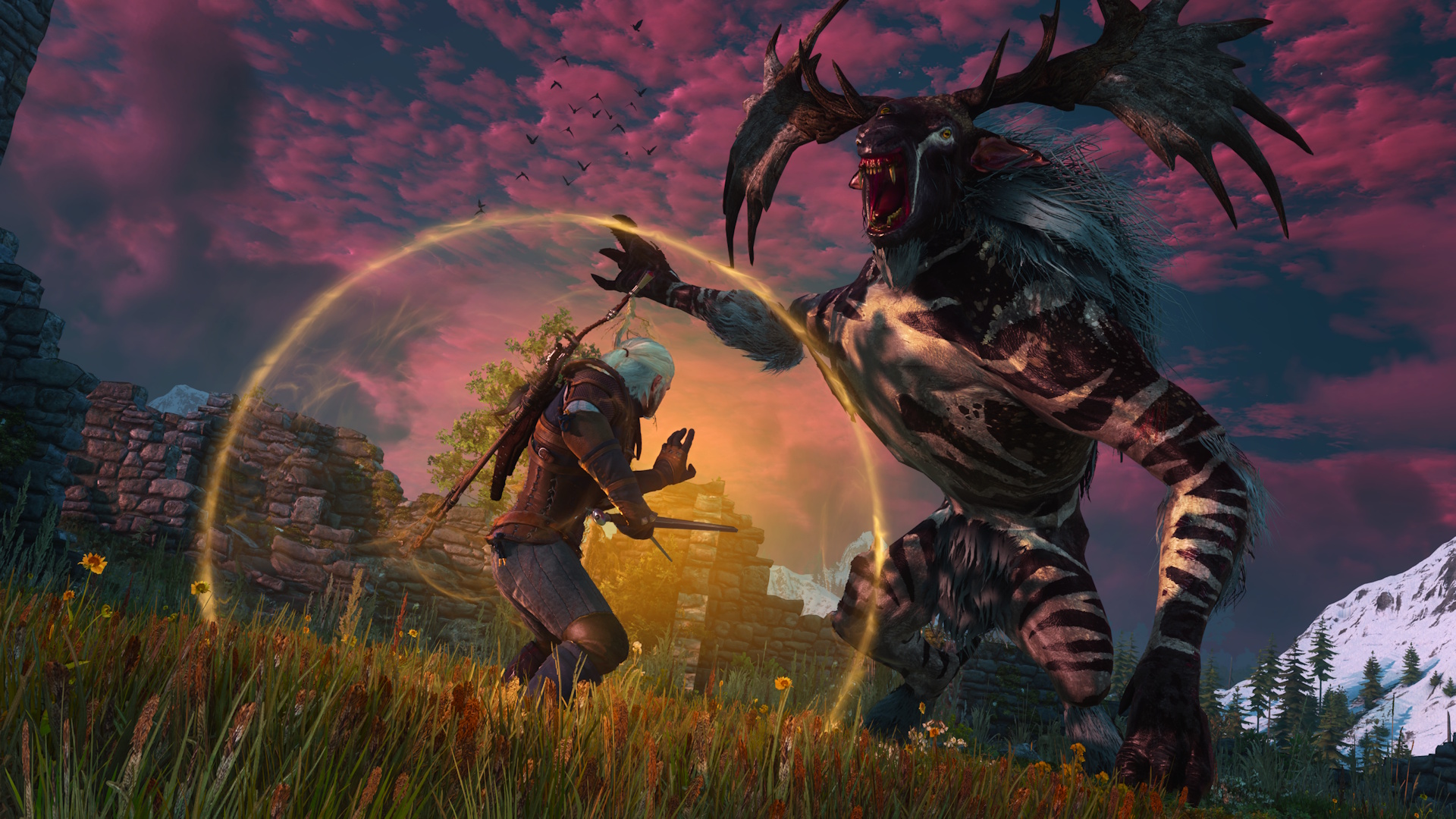
Rather than serving as a simple high-resolution texture pack, the remaster aims to bridge the decade-long technological gap between 2015 and today, making the title "feel" like a modern release. Following the remaster, CD Projekt Red has shocked and delighted the gaming community by announcing a surprise third expansion titled Songs of the Past, scheduled for release in 2027.
Development of these new additions is a collaborative effort, utilizing a blend of franchise veterans and newer developers from Fool’s Theory, ensuring that the legacy of Geralt of Rivia is handled with both institutional memory and fresh creative passion.
Chronology of an Epic: From 2015 to the Remaster Era
To understand the magnitude of CD Projekt Red’s current undertaking, it is necessary to trace the developmental timeline of The Witcher 3 and its ongoing evolution:
- May 2015: The Witcher 3: Wild Hunt launches globally, capturing hearts with its mature storytelling, complex moral choices, and expansive open world. It instantly becomes a defining title for the eighth generation of consoles and high-end PCs.
- October 2015: The release of Hearts of Stone, the first major expansion, introduces the haunting villain Gaunter O’Dim and proves that CD Projekt Red’s narrative depth matches full-length standalone titles.
- May 2016: Blood and Wine debuts, transporting players to the vibrant, sun-drenched duchy of Toussaint. The expansion provides a triumphant, emotionally resonant conclusion to Geralt’s story, earning even higher critical praise than the base game.
- December 2022: CD Projekt Red releases a next-generation update for modern consoles and PC, introducing ray tracing, mod integration, and quality-of-life improvements.
- September 29, 2025: The full The Witcher 3 Remastered drops. This update goes beyond previous patches, targeting fundamental mechanical and structural elements to make the game feel indistinguishable from titles built for modern hardware.
- 2027 (Scheduled): The surprise third expansion, Songs of the Past, is set to release, providing an unprecedented return to the world of the White Wolf over a decade after the original launch.
Supporting Data and Technical Scope
The ambition behind the upcoming remaster and the Songs of the Past expansion reflects CD Projekt Red’s commitment to its crown jewel. While the 2022 next-gen update focused heavily on graphical fidelity—such as integrating popular community mods, adding photo mode, and implementing ray tracing—the upcoming remaster targets the physiological and psychological feel of gameplay.
According to technical briefings and developer insights:
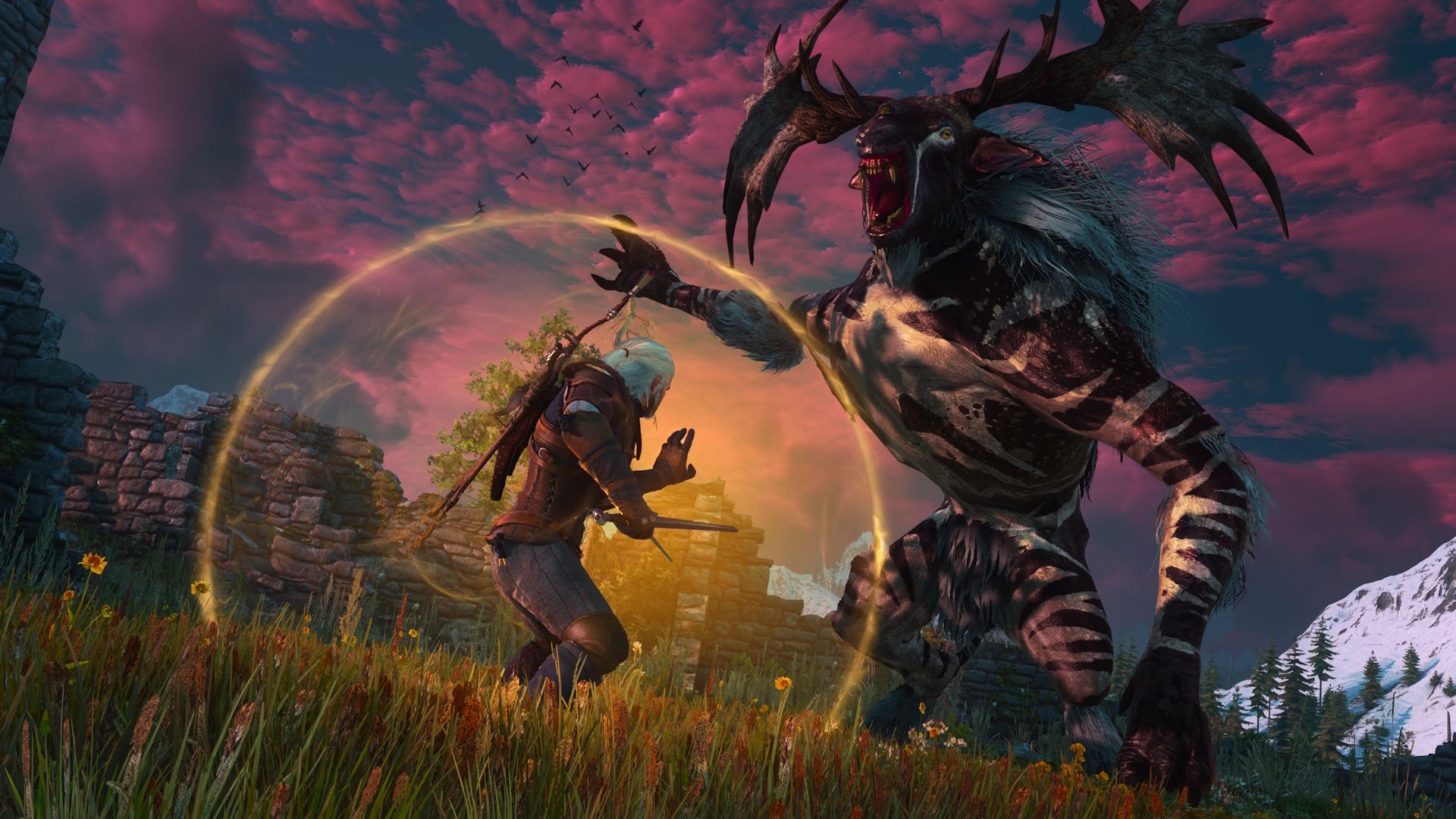
- The Remaster Window: Releasing on September 29, the remaster covers the entirety of the base game as well as Hearts of Stone and Blood and Wine.
- Pricing Strategy: CD Projekt Red has confirmed that the remaster will be distributed completely free of charge to anyone who already owns the base game on compatible platforms.
- Collaborative Development: The project relies heavily on partnerships, notably involving Fool’s Theory, a studio founded by veteran developers who worked on previous entries in the franchise.
- Timeline to 2027: The gap between the 2025 remaster and the 2027 release of Songs of the Past allows the development team a multi-year runway to craft a narrative expansion that seamlessly integrates with the massive scope of the original trilogy.
Official Responses and Creative Insights
Despite the reverence with which fans view The Witcher 3, the creative leadership at CD Projekt Red does not view their past work as an untouchable museum piece. Marcin Blacha, vice president of narration at CD Projekt Red and the lead writer of the original game as well as story director for its expansions, offered candid reflections in a recent interview.
"For me, The Witcher 3 is not a monument and is not untouchable," Blacha stated. "It is still vivid in my memory, and it is still something that is not maybe a point of reference, but something that still may be improved. When I’m playing The Witcher 3, I still find some places that I think maybe nowadays, I would do it differently."
Blacha noted that revisiting the project evokes a profound sense of nostalgia, describing the creative process as a "time machine that brings me 10 years back, when I was younger and maybe more passionate and more enthusiastic."
When probed about what specific elements he would alter with the wisdom of hindsight, Blacha pointed toward character nuance and branching narratives.
"Maybe some things I would make more nuanced," Blacha explained, pointing to characters like Dandelion. Rather than serving purely as comic relief, a modern pass might position the bard as a slightly wiser, more supportive fixture in Geralt’s life. Furthermore, expanding the web of choices and consequences tied to Geralt’s interactions with the world remains a primary objective.
Addressing concerns that returning to a decade-old game might yield stale or cynical storytelling—what some might jokingly fear as a "geriatric expansion"—Blacha reassured fans that the team composition prevents such an outcome.
"We have a crew that has both veterans from The Witcher 3, but also developers that joined Fool’s Theory or the project quite recently," Blacha said. "So I hope it is not a geriatric expansion. It will be fueled very much by the passion of writers and quest designers and developers of Fool’s Theory in general."
Implications for the Industry and the Franchise
The decision by CD Projekt Red to roll out a deep mechanical remaster followed by an all-new expansion nearly twelve years after a game’s original release carries significant implications for the video game industry.
1. Redefining Post-Launch Lifecycles
Traditionally, game developers transition entirely to new intellectual properties or direct sequels once a major project wraps up. CD Projekt Red’s handling of The Witcher 3 demonstrates an alternative model: treating a beloved single-player RPG as a living platform that can be meaningfully updated, modernized, and expanded across hardware generations. By offering the remaster for free, the studio solidifies immense consumer goodwill, a vital metric for a company recovering from past launch controversies.
2. Narrative Growth and Self-Critique
Blacha’s willingness to publicly critique his own past writing highlights a mature creative environment. Writers and directors rarely get the chance to revisit their masterworks with a decade of personal and professional growth under their belts. The adjustments coming in Songs of the Past and the remaster could establish a new template for how creators can retroactively refine their artistic visions without invalidating the original source material.
3. Bridging the Gap to New Sagas
As CD Projekt Red concurrently develops future Witcher projects—including the codenamed Project Polaris—keeping the community engaged with fresh content for The Witcher 3 ensures that the franchise remains culturally dominant. Songs of the Past acts not merely as fan service, but as a crucial bridge keeping the appetite for Witcher lore voracious as the studio builds toward its next generational leap.
As September 29 approaches, players old and new prepare to step back onto the Path. With modernization efforts aiming to make the 2015 masterpiece feel native to modern hardware, and an unexpected narrative frontier waiting in 2027, the era of the White Wolf is far from over.

