

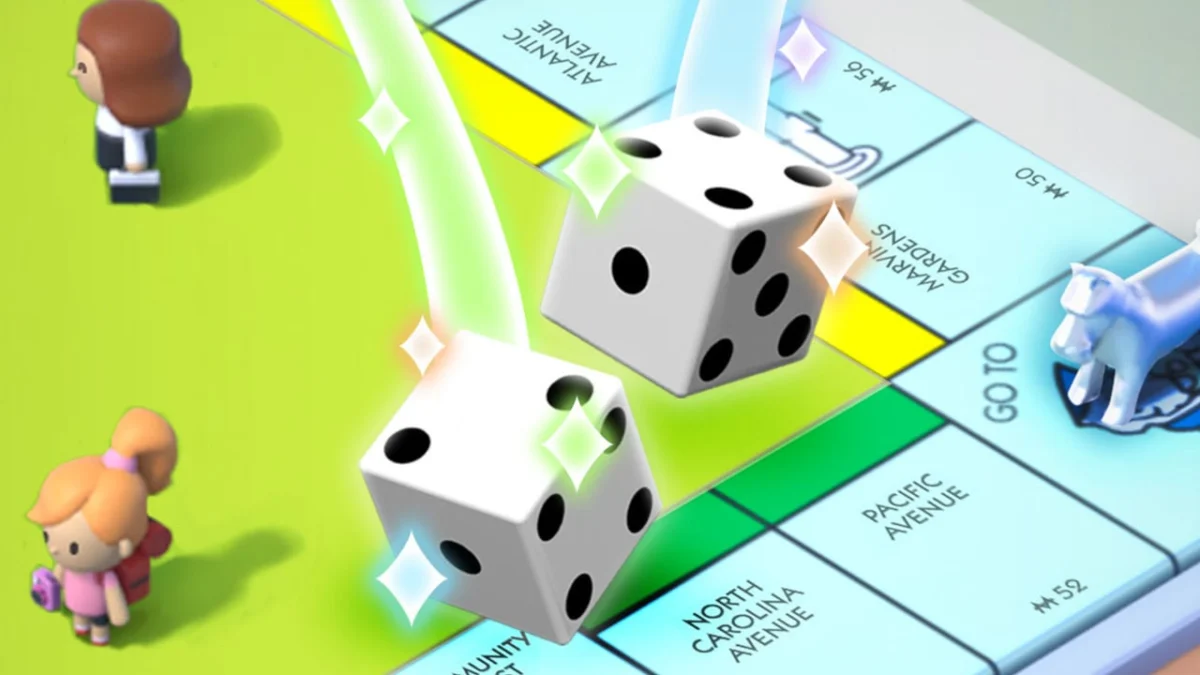
In the ever-evolving landscape of mobile gaming, few titles have captured the public imagination quite like Monopoly GO!. Developed by Scopely, this reimagined take on the legendary board game has successfully distilled the competitive spirit of family game nights into a fast-paced, addictive mobile experience. However, as millions of players have discovered, the path to property tycoon status is paved with the constant need for one essential resource: dice.
If you have found yourself staring at an empty dice bank, you are not alone. While Monopoly GO! is free to download, its economy is carefully tuned to encourage patience or microtransactions. Securing free rolls requires a strategic blend of social engineering, daily discipline, and technical awareness. This guide explores the mechanics behind the game’s economy, how to maximize your daily output, and the implications of the "free-to-play" model in modern mobile gaming.
The Mechanics of Monopoly GO!: A Modern Twist on a Classic
At its core, Monopoly GO! functions as a social, casual experience that draws heavy mechanical inspiration from titles like Coin Master. Unlike the traditional tabletop game, where strategy is dictated by movement and negotiation, Monopoly GO! centers on the "Roll." Each roll dictates your progression across the board, the acquisition of capital, and your ability to attack rivals or shield your own assets.
The game is designed with a scarcity-based progression system. You are granted a finite number of rolls that replenish over time. Once that bank is exhausted, the game prompts players to purchase more. This "gated" gameplay loop is standard in the industry, but Monopoly GO! differentiates itself by fostering a high-stakes environment where interaction with friends—often through "heists" or property destruction—drives engagement. The inability to "flip the table" in anger, as one might with the physical board game, is replaced by a digital feedback loop that encourages players to keep rolling, keep building, and keep competing.
Chronology of the Dice Economy
Since its global launch, Monopoly GO! has seen a massive shift in how rewards are distributed. Initially, the game relied on basic login bonuses. However, as the user base grew, Scopely transitioned into a multi-channel distribution strategy for free dice links.
- Phase 1: The Early Adoption Period: Initially, free dice were limited to simple rewards and occasional promotional events.
- Phase 2: The Social Integration Era: Recognizing the viral potential of the game, Scopely began utilizing Facebook and Instagram as primary hubs for rewards, rewarding players for community engagement.
- Phase 3: The Discord Dominance: Currently, the most efficient way to source free rolls has shifted toward community-managed Discord servers, where time-sensitive links are posted. This has created a "race-to-the-finish" dynamic where players must react within minutes to claim rewards before the links expire.
Supporting Data: How to Maximize Your Free Dice
To avoid the temptation of microtransactions, players must adopt a structured approach to gameplay. Below is a comprehensive checklist designed to ensure your dice bank remains as full as possible.
1. The Social Media Advantage
Scopely actively distributes rewards via its official social channels. Following the official Monopoly GO! Facebook page is essential, as the developers frequently drop links to free dice as part of community milestones. Similarly, the Instagram account often hosts competitions and "Stories" that contain hidden rewards.
2. The Discord Ecosystem
The most reliable, albeit volatile, source of daily dice is the dedicated Monopoly GO! Discord community. These links are generated frequently, but they operate on a "first-come, first-served" basis with strict expiration timers.
- Pro Tip: Enable push notifications for the #free-dice channels. If you are not quick to the draw, these rewards will vanish before you can click.
3. The Five-Minute Rule (Time Management)
The game rewards consistency. Your dice bank replenishes at a rate of one roll every five minutes. The initial cap is set at 30, meaning if you do not log in to spend your dice, you stop earning them entirely.
- Strategy: Treat your dice like a precious resource. By logging in at least twice daily—once in the morning and once in the evening—you ensure that your bank is never sitting at the cap, thereby maximizing the total number of free rolls you generate in a 24-hour period.
4. Strategic Town Upgrades
In Monopoly GO!, spending money is actually a path to earning more. Completing town upgrades, such as constructing landmarks and reaching max-level buildings, triggers a payout in dice. The game incentivizes rapid expansion, meaning your focus should be on finishing one town completely before moving to the next to trigger these substantial bonuses.
5. Net Worth and Leveling
Your Net Worth is the cumulative indicator of your progress. As you roll and spend, you move up the leaderboard. Every major milestone in Net Worth rewards the player with bundles of dice. This creates a positive feedback loop: the more you play, the higher your net worth, the more free dice you receive to play even more.
6. Album Completion
The sticker album feature is perhaps the most underrated source of high-volume dice. By trading duplicates with friends or joining the Facebook trading groups, you can complete sets quickly. Completing an entire album category often results in hundreds of free rolls, making it a critical mid-to-late game strategy.
Official Responses and Developer Strategy
Scopely has maintained a policy of "controlled distribution." By keeping dice links time-sensitive and limited in availability, they ensure that the Monopoly GO! economy remains balanced. Official communications from the developers emphasize that these rewards are meant to encourage community interaction—forcing players to check social media channels and Discord serves the dual purpose of keeping the game relevant in the digital conversation.
While some players find the expiration of links frustrating, industry analysts note that this "FOMO" (fear of missing out) marketing tactic is a primary driver for the game’s sustained retention rates.
Implications of the "Dice-Gated" Economy
The implications of this system are profound for both the player and the industry. For the player, Monopoly GO! represents a shift from "skill-based" board gaming to "resource-management" gaming. The most successful players are not necessarily those who know how to trade or negotiate, but those who are the most disciplined in their daily login habits and social media interaction.
For the mobile gaming industry, the success of Monopoly GO! highlights the effectiveness of the "live service" model. By constantly drip-feeding rewards through external channels, the game stays on the player’s mind throughout the day, even when they aren’t actively playing. It effectively blurs the line between a casual game and a full-time digital commitment.
Final Thoughts
Whether you are a casual player looking to pass the time or a competitive tycoon aiming to top the leaderboards, the key to success in Monopoly GO! is resource efficiency. By following the daily checklist—leveraging Discord links, completing your albums, and managing your 5-minute recharge timers—you can enjoy the game to its fullest without needing to reach for your wallet.
If you have yet to start your journey, the game is available for download on the Google Play Store. Stay vigilant, watch those Discord channels, and keep your dice bank moving—because in the world of Monopoly GO!, the person with the most rolls is always the one who holds the power.

