

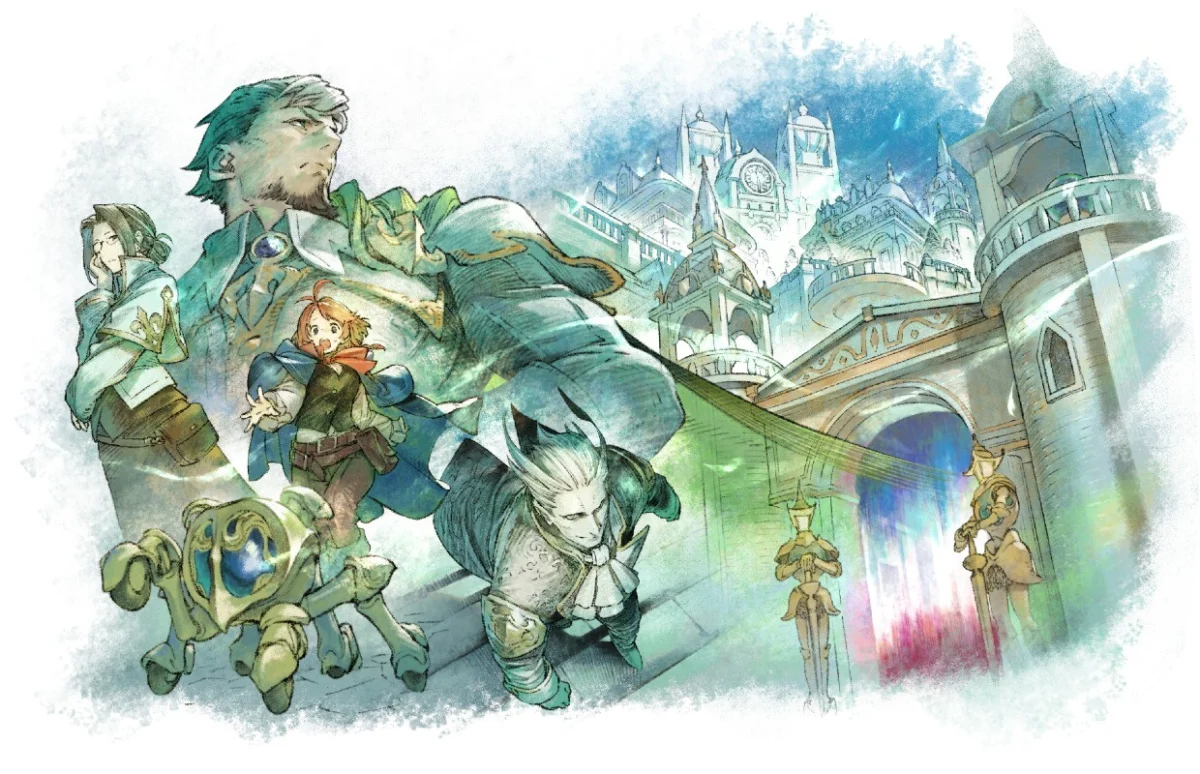
In the landscape of modern role-playing games, few studios command the aesthetic authority of Square Enix. With the successful deployment of their proprietary HD-2D engine—seen in titles ranging from the foundational Octopath Traveler to the tactical complexities of Triangle Strategy—the publisher has carved out a distinct, nostalgic, yet modern visual identity. Their latest entry, The Adventures of Elliot: The Millennium Tales, arrives as the studio’s first foray into the action-RPG genre using this beloved art style. While the game succeeds in delivering a visual and auditory feast, it leaves players grappling with a pervasive sense of “what could have been.”
The Adventures of Elliot is a title built upon an incredibly sturdy foundation that, for all its charm, struggles to scale the heights of its predecessors. It is a game defined by a dichotomy: high-quality presentation clashing with a structural monotony that threatens to overshadow its more innovative mechanical successes.
The Foundations of Philabieldia: A Setting in Flux
The narrative heart of The Adventures of Elliot lies in the Kingdom of Huther, a human sanctuary within the sprawling fantasy world of Philabieldia. Safe behind high walls, the populace remains insulated from the beastmen that roam the untamed wilds. The story is set into motion when a series of mysterious, ancient ruins are unearthed just beyond the kingdom’s perimeter. King Huther tasks an unassuming adventurer named Elliot with investigating these remnants of the past.
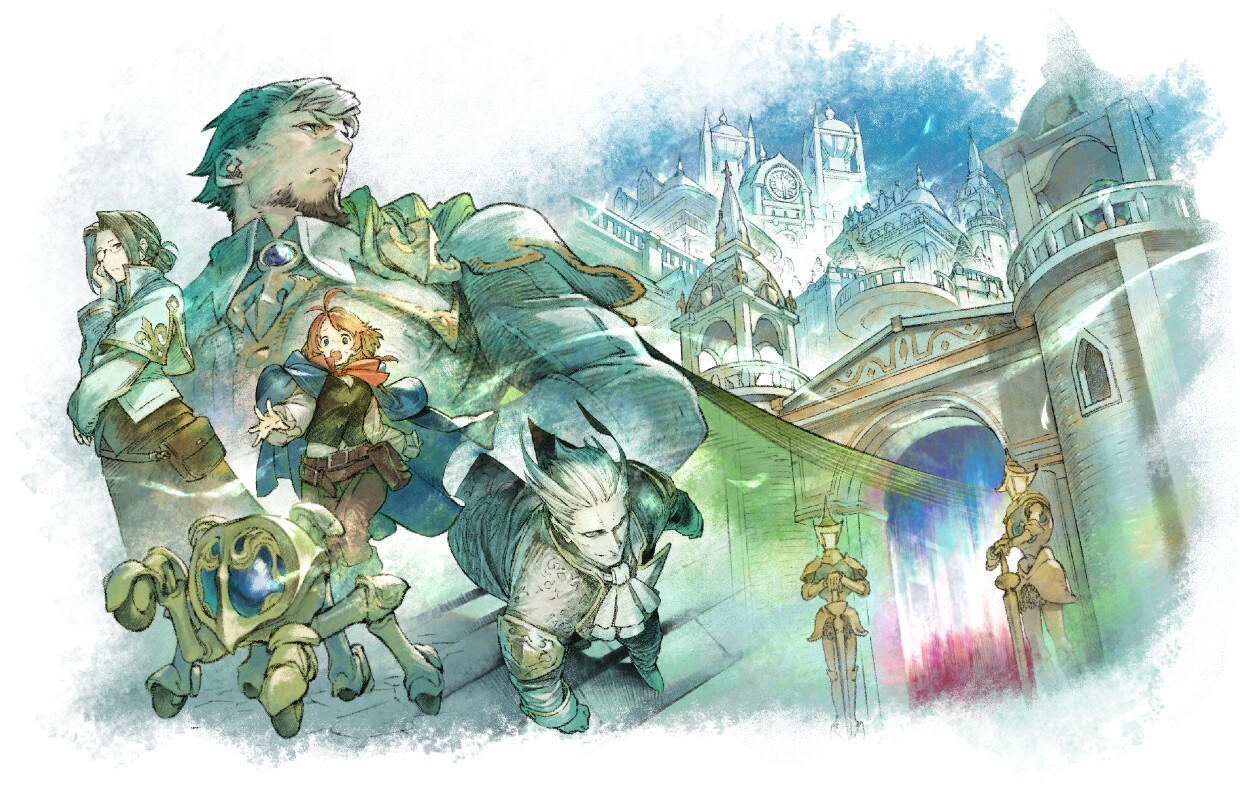
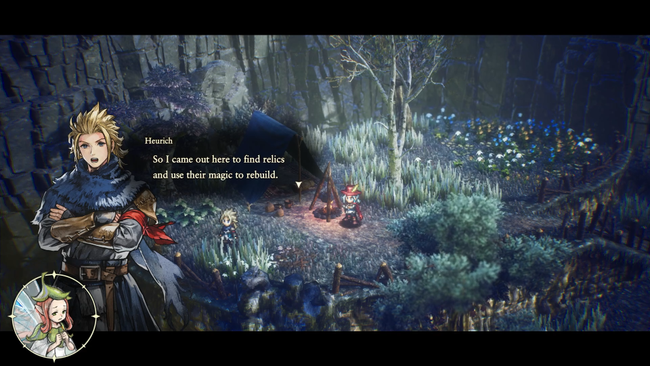
What follows is an odyssey through time, as Elliot discovers that these ruins are gateways to the past and future of the kingdom. He is joined by Faie, a fairy companion whose presence is essential for navigating the game’s triad of exploration, combat, and puzzle-solving. The relationship between Elliot and Faie provides the emotional anchor for the game, though the narrative takes a meandering path, often spending too much time in the doldrums of world-building before finally coalescing into a high-stakes, multi-ending conclusion in the final act.
Chronology and Mechanics: A Design Retrospective
To understand The Adventures of Elliot, one must look at its mechanical lineage. While casual observers might draw immediate comparisons to The Legend of Zelda, the game’s DNA is closer to the early Mana or Final Fantasy Adventure series. It prioritizes a blend of real-time combat and environmental puzzle-solving that rewards curiosity.
The Arsenal of the Adventurer
Elliot’s combat proficiency is tied to four distinct melee weapons: the sword, spear, hammer, and sickle. Each tool is versatile, serving both as an instrument of destruction and a key to environmental puzzles. For example, the hammer’s charged strike is not just for dealing heavy damage to beastmen; it is required to drive iron nails into the ground to clear obstacles.
This is augmented by a secondary suite of tools: bombs for demolition, a boomerang for crowd control, and arrows for long-range engagement. The absence of a traditional dodge mechanic makes the shield an essential item, particularly once the player masters the "perfect guard" ability, which rewards precise timing with enemy-stunning windows of opportunity.
The Faie Factor
The inclusion of Faie adds a layer of depth to the gameplay. Controlled independently via the right analog stick, Faie allows for complex, multi-layered puzzle solving. Whether it is creating a temporary doppelganger of Elliot to stand on a distant pressure plate or navigating a tiny, inaccessible maze to ignite a torch, Faie turns standard exploration into a coordinated effort.
The Magicite System: Building for the Future
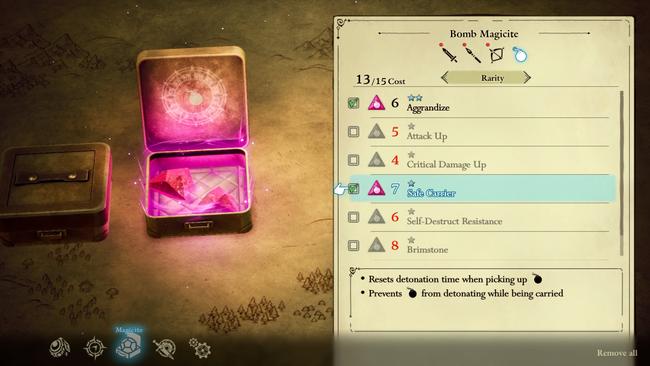
The true customization lies in the "Magicite" system. Players can equip these magical fragments to their weapons to drastically alter their behavior. A boomerang might become slower but wider, or a sword attack might deal extra damage based on the state of the shield gauge. As players gather Magicite fragments and currency known as "Tul," they can visit merchants to upgrade their equipment, allowing for a degree of "build" experimentation that significantly elevates the combat loop in the game’s later hours.
Supporting Data: The Impact of HD-2D
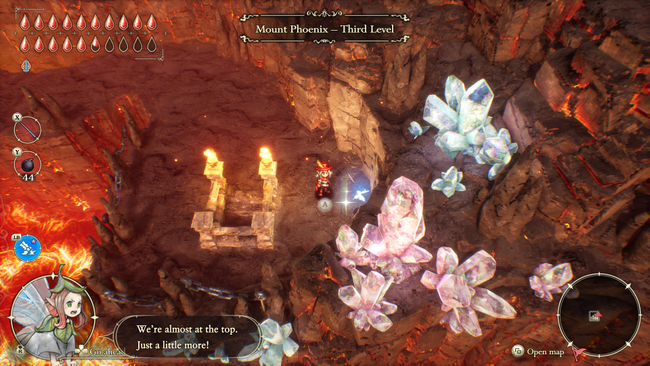
The presentation of The Adventures of Elliot serves as its strongest defense against criticism. By utilizing the HD-2D engine, the development team has pushed the boundaries of the style. Unlike previous titles that leaned heavily into medieval European aesthetics, The Adventures of Elliot emphasizes lush, vibrant foliage and sprawling vistas that pop off the screen.
The orchestral score deserves special mention, striking a precarious but successful balance between epic, high-fantasy grandeur and whimsical, light-hearted exploration music. Furthermore, the character sprites and artwork are lavishly animated; even minor NPCs possess a level of detail that grants them a surprising amount of personality, breathing life into a world that might otherwise feel static.
The Time-Travel Gimmick: A Double-Edged Sword
Despite the mechanical polish, the game’s central gimmick—time travel—is arguably its most significant flaw. The game unfolds across four distinct "Ages," each representing a different epoch of the Kingdom of Huther. While the premise is strong, the execution is hampered by a lack of geographic variety.
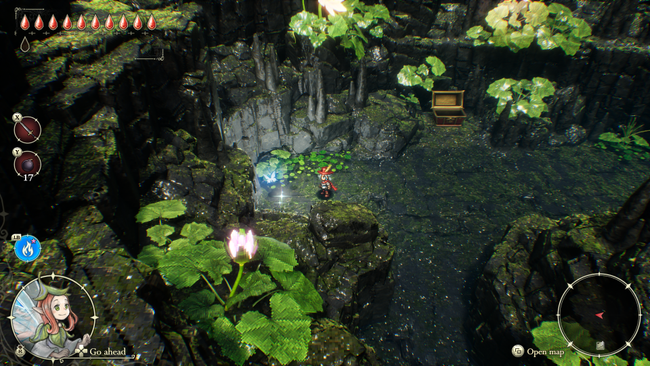
The player is forced to traverse the same map four times. While there are minor cosmetic changes to reflect the passage of time—such as areas becoming overgrown or crumbling into ruins—the fundamental layout remains static. Dungeons, shortcuts, and enemy encampments are locked into the same spatial coordinates. This repetition becomes monotonous, particularly when the player must backtrack through identical environments for the third or fourth time.
Furthermore, this structure leads to "gated frustration." A player might recognize a dungeon entrance from a previous Age, only to find that in the current era, the area is locked or offers no rewards. This creates a disconnect where the game’s ambition for a sprawling, time-bending epic is stifled by the reality of a repetitive, recycled map. The reliance on recurring boss encounters—where the player faces the same foe with only minor visual or health variations—further dilutes the sense of progression.
Official Responses and Industry Context
Square Enix has not issued a formal rebuttal to the criticism regarding the game’s repetitive structure, though industry analysts suggest that The Adventures of Elliot serves as a "proof of concept" for action-oriented RPGs within the HD-2D engine.
"The game is a solid, mid-tier entry," says one industry analyst. "It is clear that the team was focused on mastering the transition from turn-based tactical combat to real-time action. While the map recycling is a point of contention, it is important to view this as a foundational step. The combat system, when it clicks in the final third, is genuinely impressive."
The developers have hinted in developer diaries that the feedback regarding environmental variety and the "time-travel fatigue" will be a key consideration for future projects. For now, the game stands as an experimental title—a test bed for a new way to utilize one of the industry’s most successful visual engines.
Implications: Where Does the Genre Go From Here?
The Adventures of Elliot: The Millennium Tales serves as a cautionary tale about the limitations of scale. It is a game that is "fine"—a competent action-RPG that will satisfy those looking for a comfortable, classic experience. However, it is marred by the weight of its own unrealized potential.
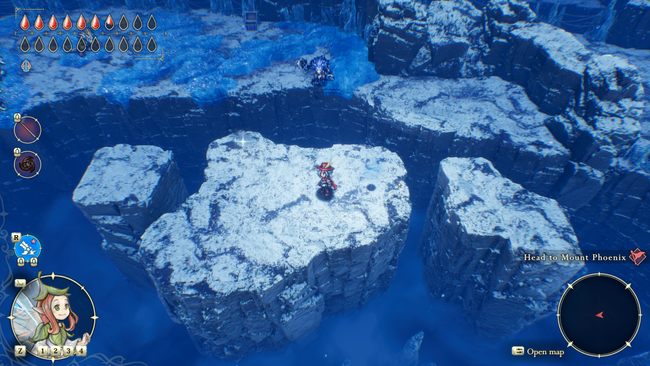
The implications for Square Enix are clear: the HD-2D style is not a magic bullet. While it provides a stunning aesthetic, it cannot mask structural flaws or a lack of variety in level design. For future installments or new IPs, the studio must balance their technical prowess with a more rigorous approach to world design.
As it stands, The Adventures of Elliot is a game of fragments. It has moments of brilliance—the combat is tight once the player has unlocked a full suite of abilities, the visuals are top-tier, and the ending is surprisingly bold—but these pieces fail to coalesce into a cohesive, consistently engaging experience. It is a title that invites players to see what the future of Square Enix action-RPGs could be, while leaving them to hope that the next outing will finally bridge the gap between "good enough" and "masterpiece."
For those who enjoy a solid adventure and are willing to look past the occasional repetition, The Adventures of Elliot offers a decent, if slightly frustrating, journey through time. But for those expecting a new pinnacle in the genre, the wait continues.

