

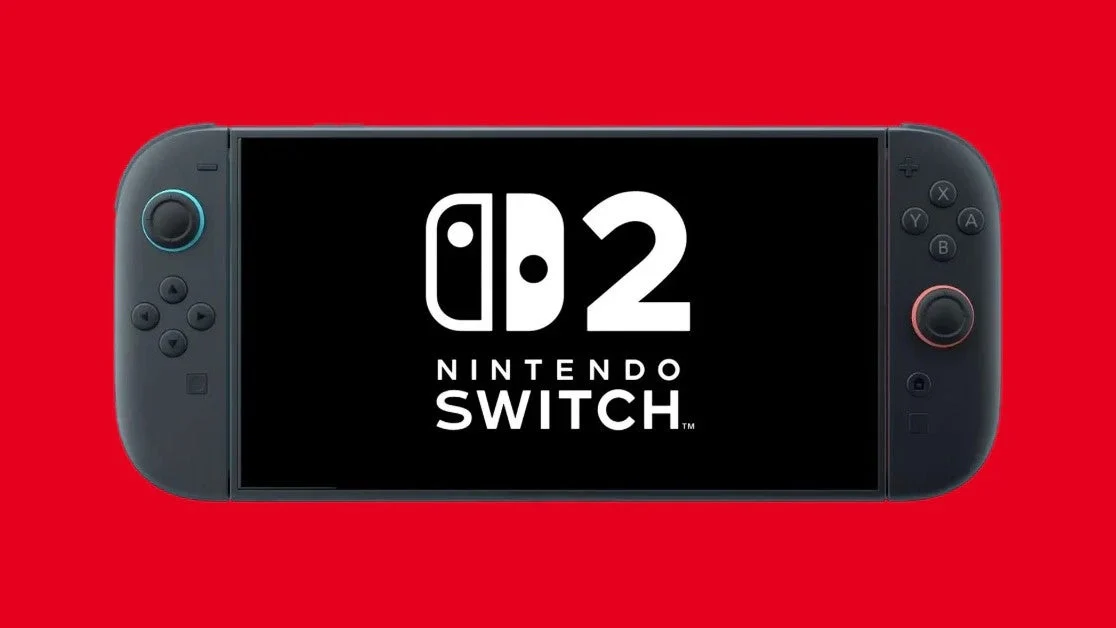
For over a decade, the narrative surrounding the video game industry has been defined by a single, inexorable trend: the slow, steady death of the physical medium. As high-speed internet became ubiquitous and storefronts like Steam, the PlayStation Store, and the Xbox Marketplace matured, gamers increasingly prioritized convenience over ownership. Year after year, physical retail spending plummeted, leading many analysts to suggest that the era of the game disc and cartridge was nearing its sunset.
However, a surprising development in the fiscal year ending May 2026 has bucked this long-standing trend. According to data provided by market research firm Circana, spending on physical video games in the United States has seen a 3% year-on-year increase, reaching $1.6 billion. This marks the first time such an increase has occurred since 2009—a stark contrast to the $11.5 billion market value that physical media held during that industry-defining year.
The primary catalyst? The Nintendo Switch 2.
The "Switch 2 Bump": A Statistical Anomaly
While a 3% increase may seem modest in isolation, it is a significant outlier in a market otherwise dominated by digital-first distribution. Mat Piscatella, senior director at Circana, has been quick to contextualize these figures. Speaking to GamesIndustry.biz, Piscatella clarified that while the broader industry continues to shift toward digital, the launch and sustained momentum of Nintendo’s latest console provided a temporary, albeit powerful, stabilizer.
"This is the Switch 2 bump," Piscatella stated. The data suggests that physical software sales on Nintendo platforms surged by approximately 26% compared to the previous year. This performance has effectively propped up the physical segment, momentarily masking the double-digit percentage declines seen across other hardware ecosystems.
Yet, Piscatella urges caution. While the numbers are a victory for proponents of physical media, he emphasizes that this is likely a "temporary blip." The fundamental behavior of the gaming public has not shifted back to discs; rather, the hardware architecture of the Switch 2—which continues to utilize physical cartridges—has created a unique market environment that doesn’t exist on Sony or Microsoft platforms.
A Chronology of a Digital Transition
To understand why this "blip" is so significant, one must look at the timeline of the digital shift:
- 2009: The peak of physical retail dominance. The market was valued at $11.5 billion, and physical media was the standard for almost every major release.
- 2010–2020: The "Digital Decade." Steam, PS Plus, and Xbox Live transformed from optional services into essential infrastructure. Physical sales began their consistent, multi-year decline.
- June 2025: Nintendo launches the Switch 2. Amidst high anticipation, the console hits the market with a commitment to physical cartridges, contrasting with the increasingly digital-centric strategies of its competitors.
- March 2026: Nintendo announces that the Switch 2 has reached 19.86 million units sold globally. In the US alone, the hardware shatters records, moving over 1.1 million units in its opening week.
- May 2026: Reports emerge that Nintendo is increasing production by 20% to meet global demand, further fueling the "Switch 2 bump" in physical software sales.
- November 2026 (Upcoming): The scheduled launch of Grand Theft Auto 6. The title is confirmed to be "download-only," serving as a definitive indicator of the industry’s future direction, where physical "copies" may simply be codes in a box.
Supporting Data: The Changing Nature of "Physical"
The definition of a "physical game" is also undergoing a radical transformation. As the industry moves away from shipping data on a disc or card, the "code-in-a-box" model is becoming the industry standard.
Piscatella noted that in 2026 alone, 30 video games have sold over 1,000 units in "code-in-the-box" formats. Notable titles utilizing this method include Just Dance 2026, Split Fiction, and Mario + Rabbids: Sparks of Hope. For many consumers, the purchase of a physical box is no longer about the physical medium itself, but about the ritual of ownership, the ability to gift a game, or the desire to have a tangible item for a collection.
However, as the Grand Theft Auto 6 announcement highlights, even the "box" is becoming a symbolic gesture. When a box contains only a digital voucher, the consumer is effectively paying for a digital license, rendering the physical packaging an environmentally questionable middleman.
Official Responses and Industry Outlook
The industry consensus remains that the downward trend for physical media is inevitable. When asked about the future, Piscatella noted, "All other ecosystems are continuing to drop by double-digit percentages. At some point, this will all bottom out—perhaps we’re getting there now—until the console manufacturers decide to no longer produce units with physical drives."
Nintendo remains the final holdout in the "Big Three" to prioritize the physical cartridge. While Sony and Microsoft have both moved aggressively toward digital-only hardware revisions (such as the PS5 Digital Edition and the disc-less Xbox Series S), Nintendo’s hardware strategy continues to cater to a demographic that values portability and physical collection.
However, even at Nintendo, the pressures of the digital marketplace are undeniable. The company’s record-breaking sales figures are supported by a massive eShop presence, and the company has not ruled out a future where its own hardware eventually follows the industry trend toward fully digital ecosystems.
Implications for the Future of Gaming
The 3% growth in physical sales is a fascinating data point, but it should not be mistaken for a reversal of the digital transition. Instead, it represents the tail end of a specific console generation’s lifecycle and the unique position of Nintendo in the marketplace.
1. The Death of the Second-Hand Market
Piscatella noted that the second-hand market "doesn’t really matter" in the current landscape. As games become tied to digital accounts and physical discs increasingly act as keys rather than data carriers, the ability to trade, sell, or lend games is effectively disappearing. This transition shifts the power balance heavily in favor of publishers, who can control pricing, prevent used-game sales, and revoke access at will.
2. Preservation Challenges
The reliance on digital distribution and "code-in-a-box" formats raises significant questions regarding game preservation. As the industry moves toward a service-based model, the longevity of titles becomes tied to the health of the publisher’s servers. If a store goes offline or a license expires, the game—even if you "bought" it—can effectively vanish. The brief spike in physical sales suggests a segment of the audience remains wary of this reality, seeking physical media as a form of insurance against the volatility of the digital cloud.
3. The Retail Experience
Retailers like GameStop, Best Buy, and Walmart are facing an existential crisis. If the most anticipated games of the year—such as Grand Theft Auto 6—are released as download-only, the incentive for a consumer to walk into a brick-and-mortar store vanishes. This shift doesn’t just affect game sales; it impacts the entire ecosystem of physical gaming accessories, including hardware, controllers, and peripherals that rely on store traffic for visibility.
Conclusion: A Temporary Reprieve
The 2026 physical sales bump is a testament to the enduring appeal of the Nintendo brand and the unique, hybrid nature of the Switch 2. It demonstrates that when a company provides a compelling reason for consumers to engage with physical hardware, the audience will respond.
However, looking at the broader trajectory, the "Switch 2 bump" is likely the final ripple before the tide fully turns. As console manufacturers look to cut manufacturing costs by removing disc drives and publishers look to maximize profit margins by bypassing retail middlemen, the physical game is destined to become a boutique item for collectors rather than the default choice for the average player.
For now, fans of the physical format can celebrate the 3% rise as a minor victory in a long-fought battle. But as we look toward the end of the decade, it is clear that the industry is firmly, and perhaps permanently, moving toward a download-only future. The "temporary blip" is a reminder that while change is inevitable, the habits of the gaming community—and the strategies of companies like Nintendo—can still surprise the market.

