


The announcement of Grand Theft Auto 6 pre-order editions has sparked a firestorm of debate within the gaming community, centered on a growing industry trend: the gating of core gameplay experiences behind premium price points. While Rockstar Games has long been a titan of the open-world genre, its latest pricing strategy has drawn sharp criticism, particularly regarding how much of the game’s "identity"—customization, activities, and narrative-adjacent side content—is being locked behind a paywall.
For many, the appeal of Grand Theft Auto has always been the "rags-to-riches" fantasy, where the pursuit of wealth allows for deep, granular personalization of one’s avatar, vehicles, and lifestyle. By segregating these features into the "Ultimate Edition," Rockstar is effectively asking players to pay a premium not just for cosmetics, but for a portion of the game’s functional depth.
The Architecture of the Editions: A Breakdown
At the heart of the controversy is the stark disparity between the Standard Edition and the Ultimate Edition. While the Standard Edition serves as the baseline entry point, it arrives with a price tag $10 higher than the current industry standard for AAA titles. When compared to the content-rich Ultimate Edition, the base game feels, to many, like a stripped-down experience.
The Standard Edition Reality
The Standard Edition provides the core narrative experience, but players opting for this tier will find themselves excluded from several "quality of life" and immersive gameplay systems. Both editions currently include a one-month subscription to GTA+, a service that has historically been tied to the GTA Online ecosystem.
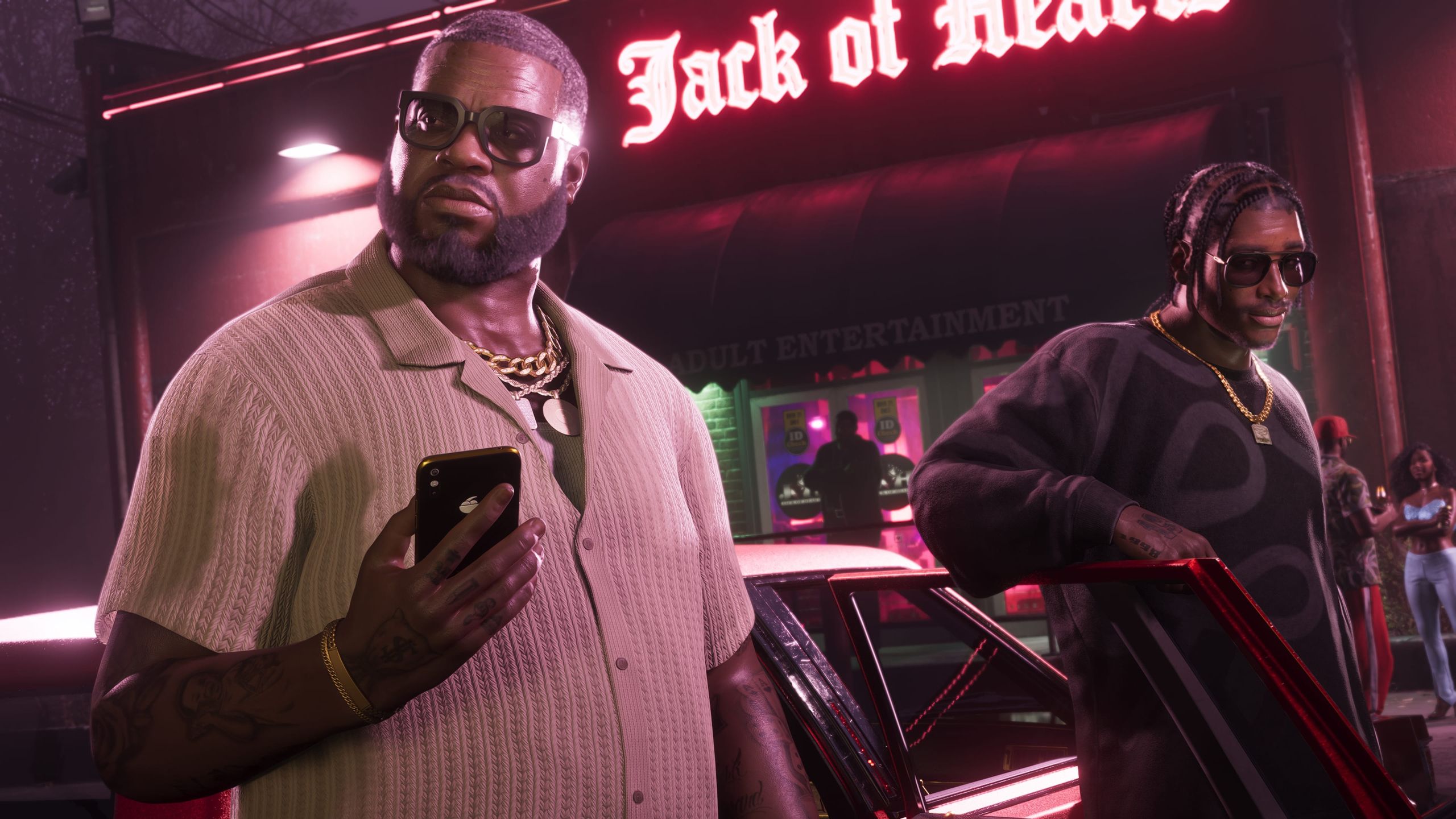
Pre-ordering the Standard Edition grants the "Vintage Vice City" pack—a collection of cosmetics intended to soothe the sting of the base-tier restrictions. However, these are largely aesthetic, offering little in terms of mechanical variety. For PC players, who are currently left in a state of limbo regarding the game’s release date on their platform, these pre-order bonuses remain a distant, uncertain prospect.
The Ultimate Edition: Behind the Paywall
The Ultimate Edition is where the true controversy lies. The $20 price increase over the Standard Edition is not merely for "extra skins." It serves as a digital key to specific gameplay loops. Perhaps most egregious is the "Classic Car Collection" questline. In this segment, players are tasked with tracking down abandoned vehicles and refurbishing them—a classic GTA trope that feels essential to the game’s world-building, yet it is restricted entirely to the premium edition.
Furthermore, the Ultimate Edition grants exclusive access to specialized vendors: tattoo parlors, advanced clothing boutiques, and high-end vehicle customization shops. By tethering these social and creative hubs to a premium SKU, Rockstar is, for the first time, placing a tangible dollar value on the sandbox elements that have historically been foundational to the GTA experience.
Chronology of the Controversy
The path to this moment has been paved with years of speculation and shifting monetization strategies.
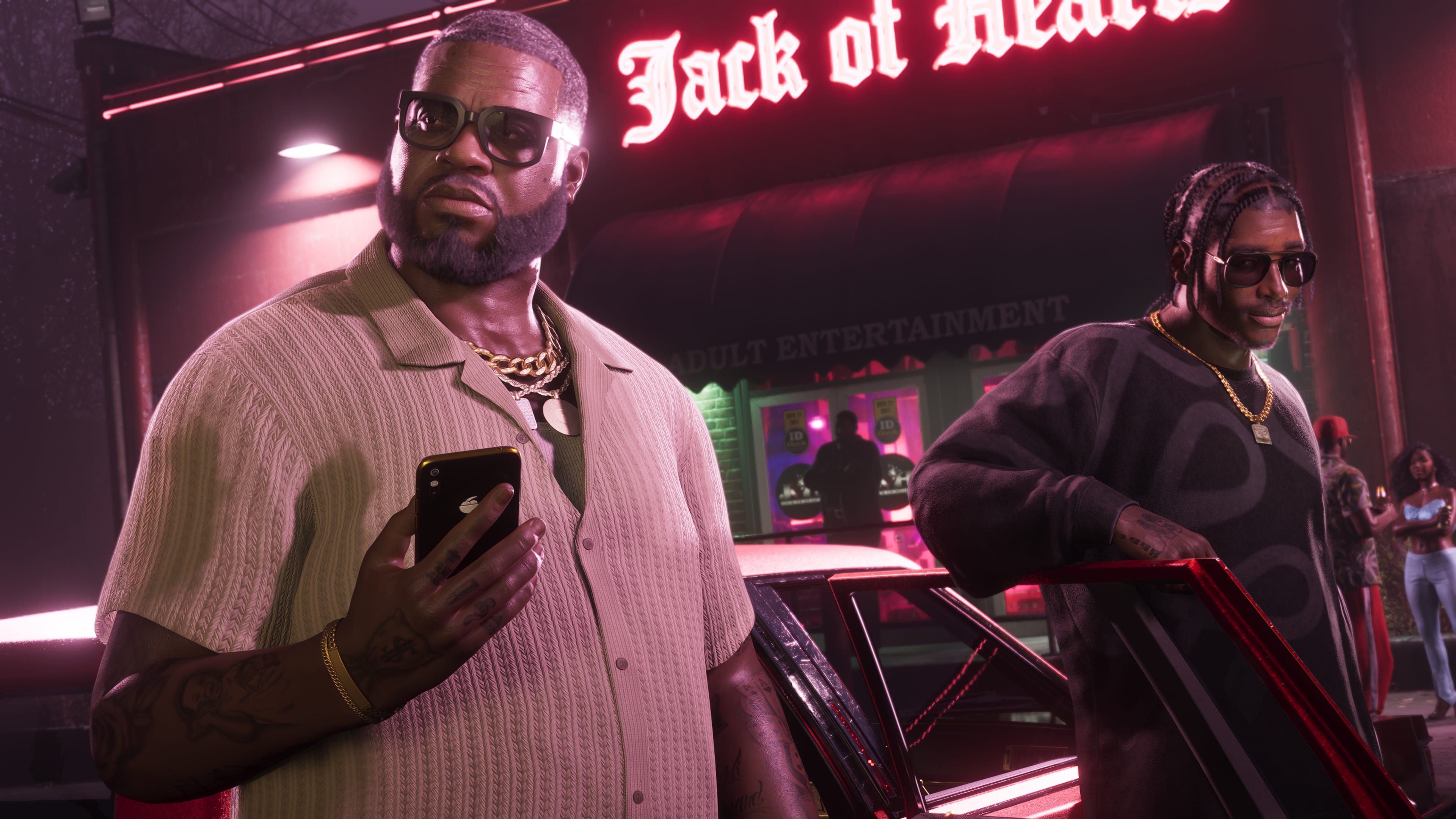
- Pre-Announcement Phase: Following the record-breaking trailer, speculation was rife regarding how Rockstar would monetize a game that has effectively been in development for over a decade. Analysts pointed to the success of GTA Online as the blueprint for future revenue.
- The Announcement: When the pre-order page went live, the immediate reaction was not one of excitement for the game’s scale, but confusion over the "feature-locking" present in the edition breakdown.
- The Backlash: Within 24 hours of the store page surfacing, social media platforms and gaming forums—including Reddit and Steam Community boards—were flooded with threads questioning the morality of locking vendors and questlines behind a $20 paywall.
- The PC Dilemma: The ongoing silence regarding the PC release date has only exacerbated the tension. With PC gamers accustomed to modding and "complete" experiences, the prospect of having to wait for a "Complete Edition" or an eventual price drop is being met with a mix of resignation and frustration.
Supporting Data and Market Trends
The decision to charge a premium for what many consider "base" content is part of a broader shift in the gaming industry known as "Tiered Access." Data from market research firms suggests that players are becoming increasingly comfortable with paying for "Day One" advantages. However, Grand Theft Auto occupies a unique space; it is not a live-service RPG where such tiers are expected—it is a cultural touchstone.
Comparing the pricing of GTA 6 to its predecessors highlights the aggressive nature of this move. GTA V launched at a standard retail price and offered a uniform experience. GTA 6, by contrast, is using a "service-first" model. By including exclusive activities and vendors, Rockstar is testing the elasticity of their player base’s loyalty. If successful, this model could become the gold standard for future AAA releases, where the "Standard" edition is effectively a demo of the full, premium experience.
Official Responses and Corporate Strategy
Rockstar Games has remained tight-lipped regarding the specific backlash. Historically, the company has operated with a "product speaks for itself" mentality, rarely engaging in direct debate with the community regarding pricing models. However, internal reports suggest that the decision to include "activities" in the Ultimate Edition is a move to bridge the gap between single-player narrative and the engagement-heavy systems of GTA Online.
By integrating these vendors and mini-quests into a premium tier, Rockstar is attempting to extract long-term value from players who are traditionally "single-player only." The strategy is to incentivize the premium purchase by ensuring that the most engaging side-content is unavailable to those who refuse to pay the extra fee.

Implications for the Future of Gaming
The implications of this pricing structure are profound. If players accept that a portion of the "identity" of a GTA game—the car culture, the fashion, the urban exploration—can be restricted, it sets a dangerous precedent.
The "Core Identity" Erosion
The core identity of Grand Theft Auto is the ability to live a virtual life in a crime-ridden metropolis. When the ability to customize your vehicle or get a tattoo—simple acts that define player agency—are sold as "premium features," the game stops being a sandbox and starts being a curated experience that requires a subscription or a surcharge to access fully.
The PC Market Fallout
PC gamers, who represent a massive segment of the GTA population, are particularly vocal. There is a strong sentiment that if the base game is sold in this manner, the eventual PC port will be plagued by even more aggressive microtransactions or "day-one" paywalls. The fear is that the "superior" PC version will be sacrificed at the altar of maximizing revenue per user.
Conclusion
As the release date approaches, the question for consumers is no longer "Will I buy GTA 6?" but "What version of GTA 6 am I willing to accept?" The standard $70 price point has become the new floor, and the "Ultimate" model is the new ceiling. Whether this strategy will lead to long-term profitability or a permanent rift between Rockstar and its most dedicated fans remains to be seen. For now, the message is clear: in the world of Vice City, even your freedom to customize is for sale.

