

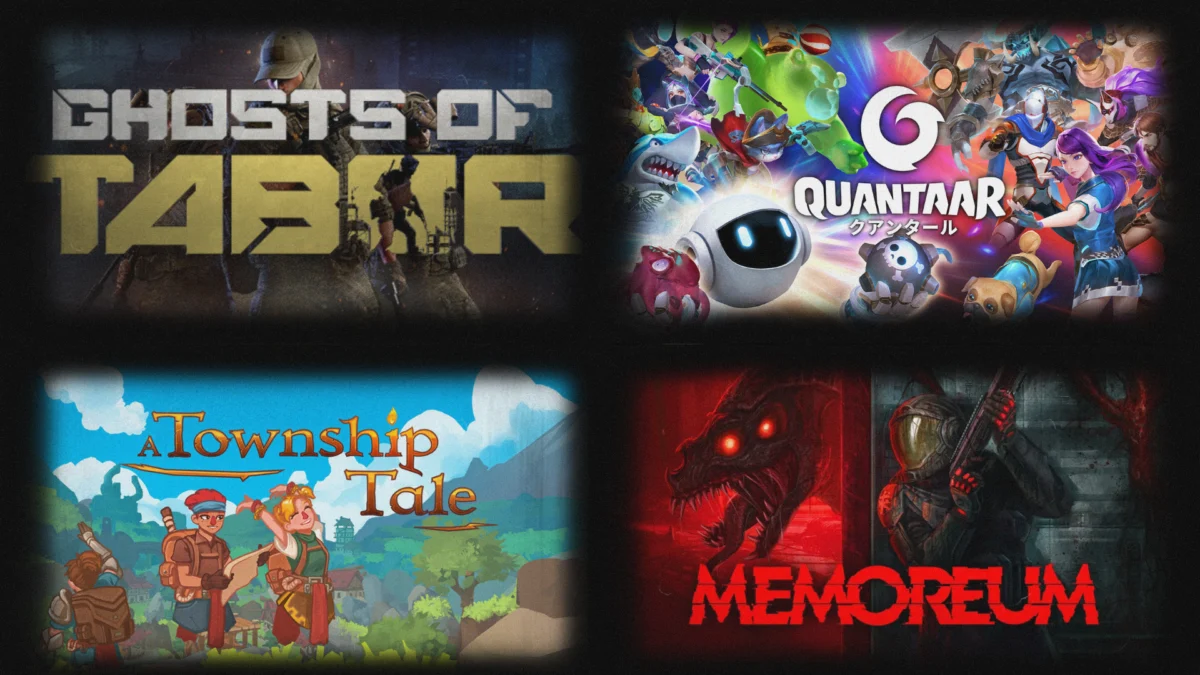
The virtual reality gaming ecosystem is currently weathering a period of unprecedented instability. Throughout June 2026, a series of sobering announcements from prominent developers has signaled a deepening downturn in the sector. From major staff reductions at the studio behind the hit extraction shooter Ghosts of Tabor to the total sunsetting of long-standing multiplayer titles like A Township Tale and Quantaar, the industry is facing a harsh economic reality.
For developers, the dream of a rapidly expanding VR gold rush has been replaced by the cold metrics of sustainability, leading to project cancellations, server closures, and a pivot away from full-time development for even well-regarded titles.
The Current Landscape: A Cascade of Industry Setbacks
The news of the past month represents more than just isolated incidents; it paints a broader picture of a market struggling to reconcile high development costs with a cooling user base. The following list highlights the primary casualties of this industry-wide contraction:
- Combat Waffle Studios: Forced to implement staff reductions following the cancellation of a project tied to a major, yet unnamed, platform partner.
- Alta: Ending live service support for the beloved open-world RPG A Township Tale following the closure of their dungeon crawler, Reave, earlier this year.
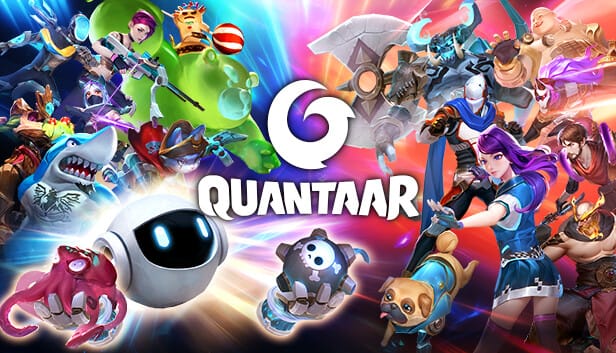
- Pumpkin VR: Announcing the total sunsetting of the competitive brawler Quantaar, with server shutdowns slated for September.
- Patient 8 Games: Ceasing full-time development on the sci-fi shooter Memoreum due to insufficient sales performance.
Chronology of the Decline
The trajectory of these closures illustrates how quickly the fortunes of VR developers can shift.
The Rise and Stall of Combat Waffle Studios
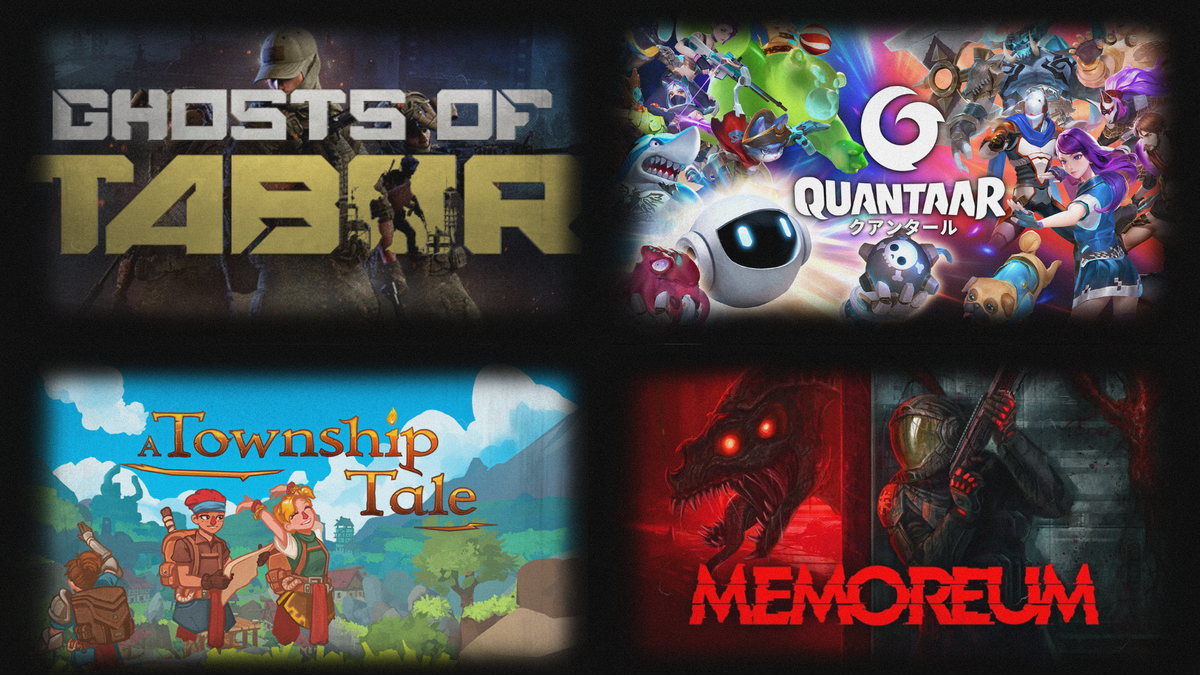
Ghosts of Tabor was widely considered a beacon of success for the indie VR space. Having launched in early access, it successfully scaled its revenue to $10 million, eventually ballooning to $30 million by the time it debuted on the PlayStation VR2. With high-profile collaborations featuring The Terminator and Splinter Cell intellectual properties, the studio appeared to be on an upward trajectory. However, the reliance on a partnership with a "large platform partner"—widely speculated to be Meta—left the studio vulnerable when that project was abruptly canceled, necessitating immediate layoffs to ensure long-term solvency.
Alta’s Two-Front Retreat
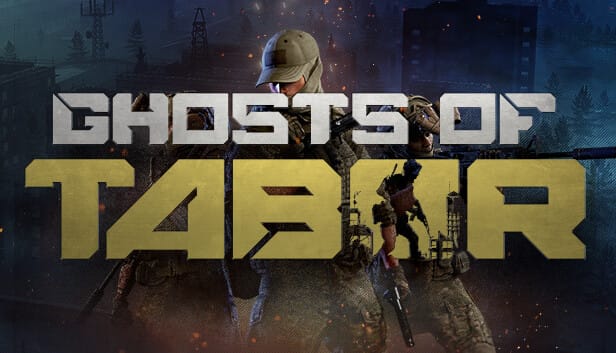
The collapse of Alta serves as a stark reminder of the risks associated with multi-project development. After launching A Township Tale in 2018 and achieving significant community engagement on the Meta Quest by 2021, the studio attempted to diversify. In March 2025, they announced Reave, a dark fantasy VR action game. When Reave failed to gain the necessary traction and was shuttered in May 2026, the financial strain proved too much for the company to maintain the legacy servers for A Township Tale, leading to the announcement that the game will go offline on July 20, 2026.
The Sunset of Quantaar
Quantaar, an ambitious Smash Bros-inspired brawler, struggled to maintain a consistent player base. Despite receiving positive feedback for its social hub mechanics and combat, developer Pumpkin VR determined that the game was no longer financially viable. The title has already been removed from storefronts on Quest, Steam, and Pico, with a hard server shutdown date of September 5, 2026.
Memoreum’s Silent Retreat
Memoreum, a story-driven sci-fi shooter inspired by Dead Space, represents the "slow burn" failure of a passion project. After a high-profile announcement at Gamescom 2023 and a partnership with 2080 Games, the title struggled to find a market after its October 2025 release. Despite a respectable 4.4 rating on the Meta Quest store, the raw sales figures did not justify the overhead of a full-time development team, leaving the game in a state of indefinite limbo.
Official Statements: The Human Cost of Industry Shifts
The tone across these announcements is one of professional resignation. Studio leads are increasingly transparent about the "business of passion," emphasizing that creative ambition cannot override fiscal reality.
Scott Albright, CEO of Combat Waffle Studios, captured the gravity of the situation in his address to the staff: "Today we made the difficult decision to reduce the size of our team… We came to this decision after having a project we were working on with a large platform partner get cancelled. These actions are part of a broader effort to align the company with the current state of the VR industry."
This sentiment was echoed by Joel van de Vorstenbosch of Alta, who addressed the A Township Tale community: "Like many others, we’ve been impacted by the state of the VR industry in ways we didn’t foresee. We have explored various avenues to keep A Township Tale live, but unfortunately, none are realistic in our situation."
Perhaps the most poignant reflection came from the team behind Memoreum, who candidly admitted on Discord: "We built this game with passion and love… But passion alone doesn’t pay the bills or keep the lights on."
Supporting Data and Market Analysis
The current climate is defined by a "sustainability gap." While the VR market grew rapidly between 2020 and 2023, the growth has flattened. Several factors are contributing to this:
- Platform Dependence: As seen with Combat Waffle Studios, many independent developers rely heavily on funding or incentives from hardware manufacturers (like Meta or Sony). When these companies pivot their internal strategies or cut funding for third-party partnerships, the dependent studios are left with immediate cash flow crises.
- Market Saturation vs. Engagement: While the number of VR titles on storefronts has increased, the total number of "active" daily users has not kept pace. This creates a hyper-competitive environment where even high-quality games like Memoreum can fail to reach the critical mass of players needed for long-term viability.
- The "Live Service" Trap: Titles like A Township Tale and Quantaar require constant server maintenance and content updates. When a game fails to generate consistent recurring revenue (through microtransactions or new user acquisition), the cost of keeping servers active becomes a liability that can sink an entire studio.
Implications for the Future of VR
The events of June 2026 serve as a wake-up call for the VR industry. The era of "growth at any cost" is clearly over, replaced by a period of consolidation.
1. A Shift Toward Smaller, Leaner Teams
Moving forward, we are likely to see a trend toward "micro-studios." Developers will be less inclined to hire large, full-time staffs, opting instead for agile teams that can scale up or down depending on the success of a specific project.
2. The Risk of Digital Preservation
The shutdown of A Township Tale and Quantaar raises serious questions about the nature of VR ownership. Unlike traditional PC or console games, many VR titles are tethered to proprietary backend services. When those services go down, the game effectively ceases to exist. This creates a "digital dark age" for VR, where history and community efforts are erased in an instant.
3. Investor Skepticism
The failure of high-performing titles like Ghosts of Tabor to shield their developers from the fallout of partner cancellations will likely lead to a "funding winter." Venture capitalists and platform partners will be more hesitant to invest in VR gaming, forcing developers to look for alternative funding models, such as community crowdfunding or self-publishing with reduced scopes.
4. Quality vs. Quantity
The struggle of Memoreum highlights that a high user rating (4.4 stars) is no longer a guarantee of financial success. Developers must now prove not just that they can make a "good" game, but that they can create a marketing and monetization engine capable of sustaining a business in a crowded, distracted market.
Conclusion
The VR industry is currently undergoing a painful but necessary maturation. The closures and layoffs seen this month are the byproduct of a market that is correcting its previous excesses. While the loss of titles like A Township Tale is a blow to the VR community, the studios that survive will be those that have successfully pivoted toward leaner operations and more sustainable business models. The coming year will be a test of resilience, and only the most adaptable developers will survive the current wave of industry contraction.

