

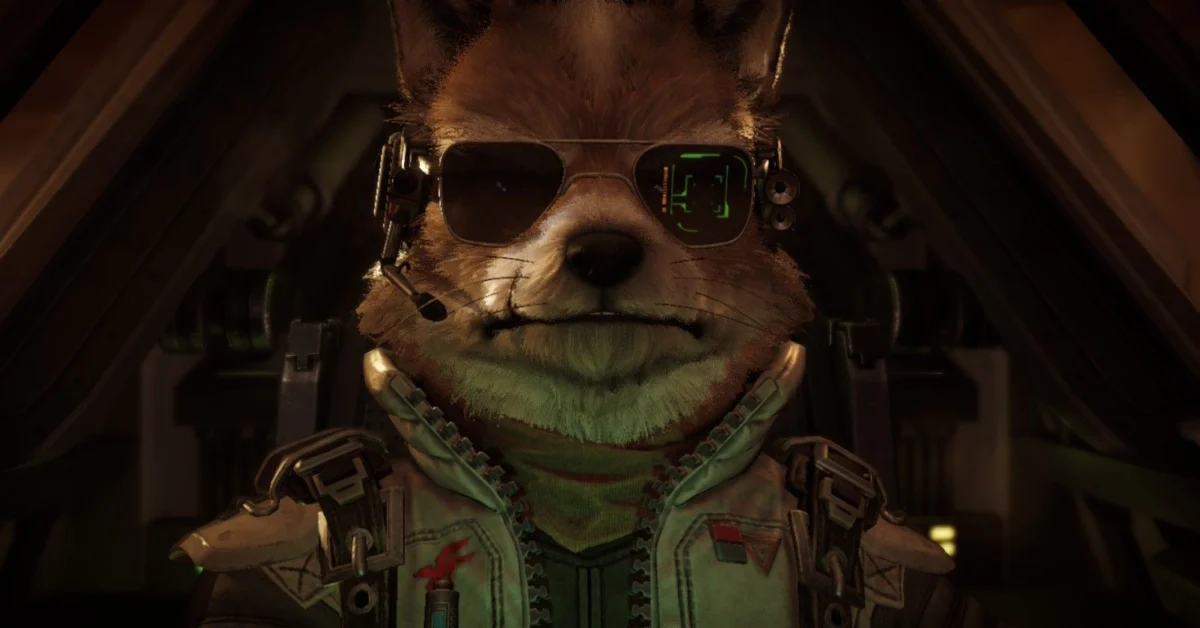
The release of Star Fox for the Nintendo Switch 2, developed by the creative minds at Velan Studios in collaboration with Nintendo, has brought the iconic Lylat System back to the forefront of modern gaming. Boasting a breathtaking, cinematic graphical overhaul that elevates the original Star Fox 64 experience to a standard reminiscent of a high-budget Top Gun production, the game is a triumph of atmosphere and technical prowess. However, for a generation of players accustomed to massive open-world titles or live-service games with hundreds of hours of padding, the brevity of Star Fox—which can be completed in under two hours—may come as a startling reality check.
While some critics argue that the game’s short runtime impacts its value-to-price ratio at the $50 mark, veterans of the series know that the true essence of Star Fox has never been in its duration, but in its depth. The game is designed as a classic arcade-style experience: short, repeatable, and infinitely replayable. For those looking to squeeze every ounce of enjoyment out of the title, there is a wealth of content hidden behind the standard path to the credits.
The Architecture of the Lylat System: A New Way to Play
At its core, Star Fox is built on a branching narrative structure that refuses to show the player everything in a single sitting. The main objective is to navigate the Lylat System to defeat the nefarious Andross, but the path taken is entirely determined by the player’s performance and discovery of secret objectives.
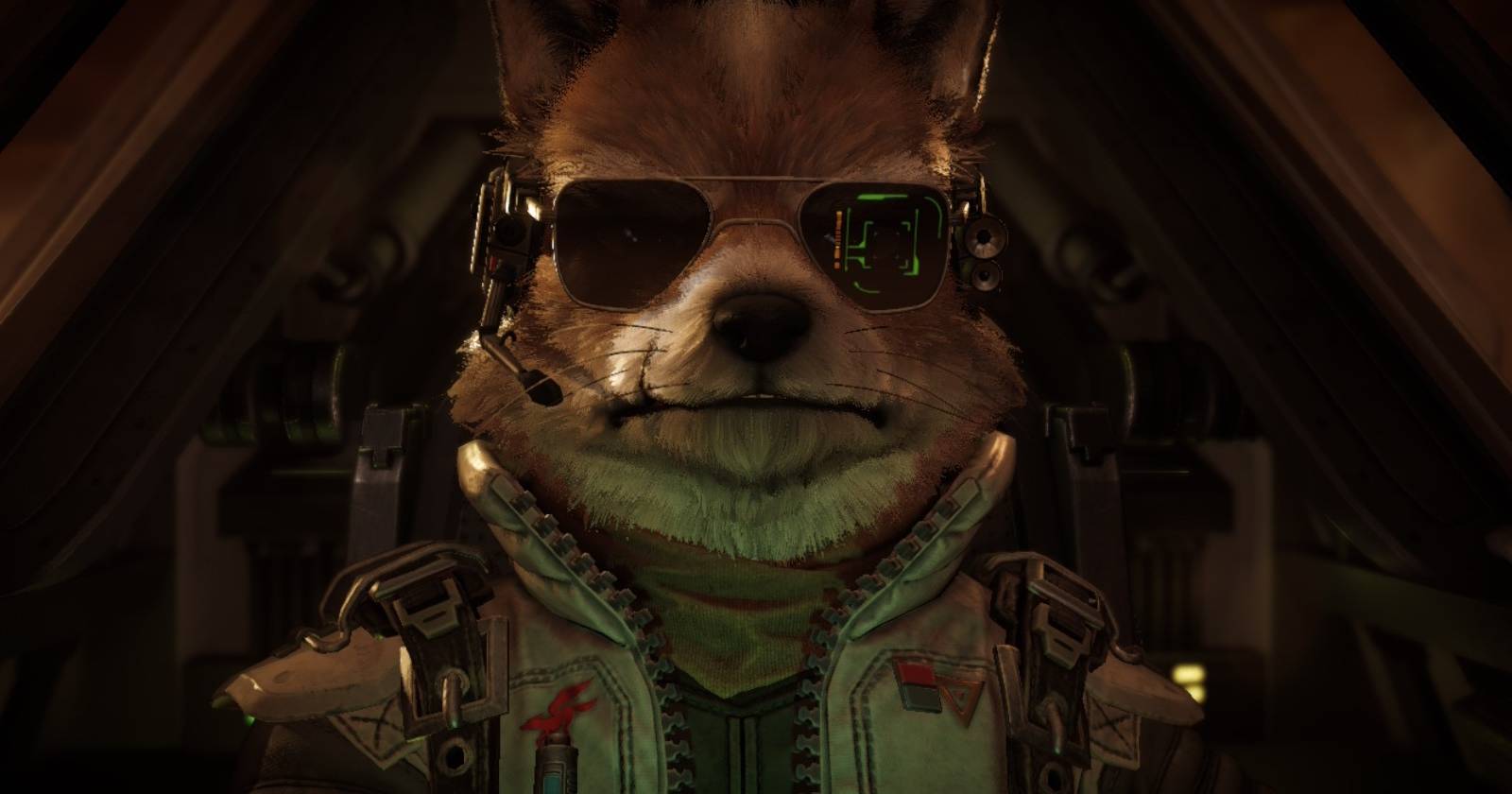
The Lylat System is essentially a complex web of interconnected nodes. By saving wingmates—such as clearing the path for Falco on Corneria—or achieving specific combat milestones, players can divert their flight path to alternate planets. This design choice transforms a two-hour experience into a multi-layered puzzle. A single playthrough only scratches the surface of the total content; one would need to engage in roughly four distinct runs to see every stage, and even more to master the nuances of every secret route. For the dedicated pilot, the joy lies in "cracking the code" of these hidden objectives, which are often subtly telegraphed rather than clearly marked, rewarding observant players with new biomes and unique boss encounters.
The Pursuit of Perfection: Scoring and Skill Expression
In the absence of a global online leaderboard—a notable omission that some fans have criticized—the internal scoring system remains the primary metric for self-improvement. Much like the arcade cabinets of the 1990s, Star Fox encourages the player to obsess over their "hit count" on each stage.
Earning medals for specific hit thresholds is the gold standard for mastery. Achieving these scores requires more than just holding down the fire button; it demands an intimate knowledge of enemy spawn patterns, optimal flight paths, and the efficient use of the Arwing’s specialized maneuvers. Players who chase these medals will find themselves replaying stages repeatedly, turning a casual flight into a high-stakes demonstration of tactical precision. This loop of repetition, refinement, and eventual mastery is where the game’s $50 value proposition is most clearly realized.

Challenges: The Crucible of Training
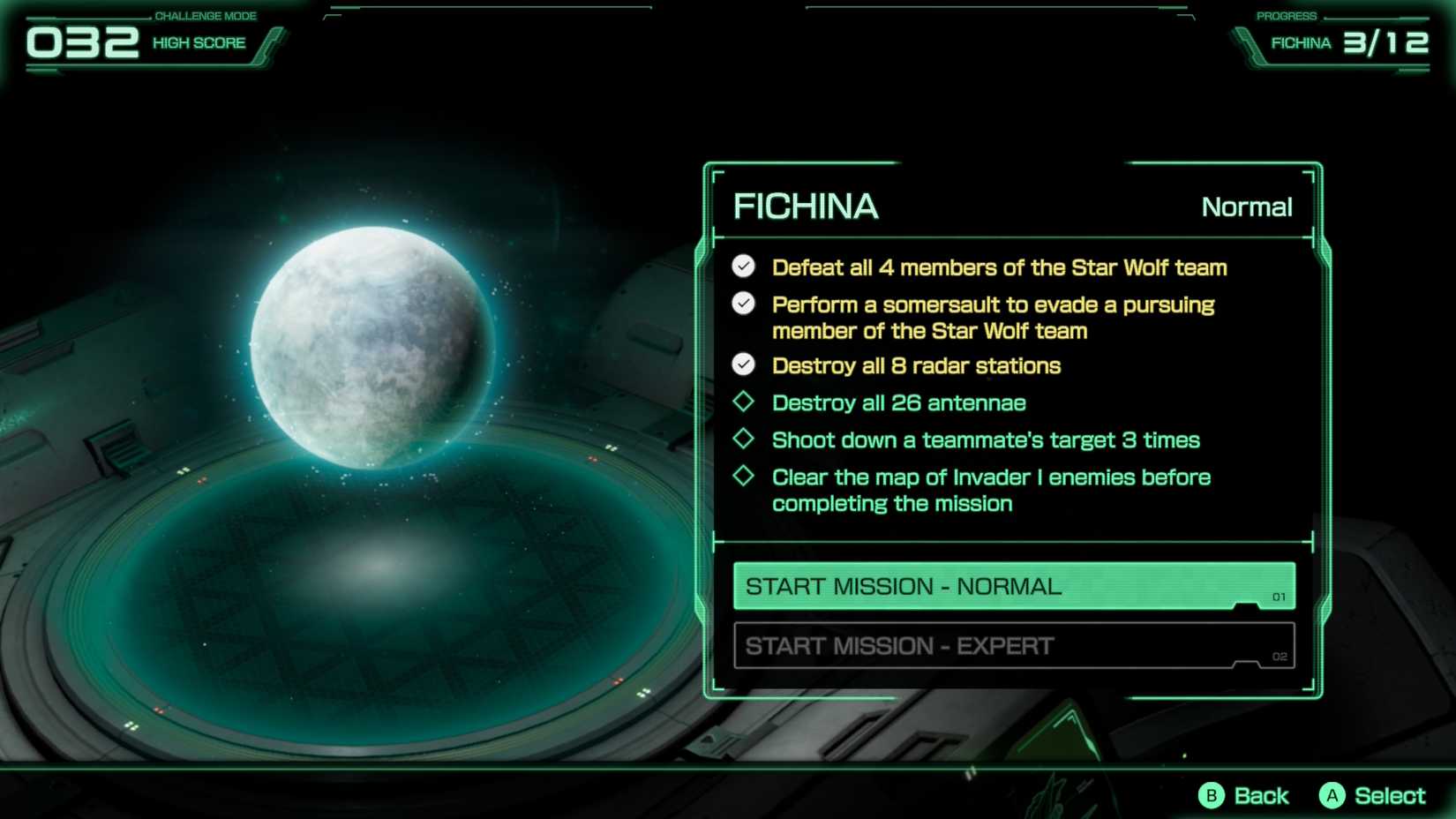
For those who find the campaign’s standard progression too forgiving, the "Challenges" mode provides a structured, objective-based environment to hone one’s skills. This mode allows players to isolate specific stages and attempt a variety of skill-based tasks.
Completing the initial set of six challenges acts as a gateway to the "Expert" tier, a difficulty setting that significantly elevates the threat level. These expert missions are not merely "harder"; they function as advanced flight school, teaching players advanced dodging, barrel rolling, and target prioritization techniques that are essential for high-level play. Once a player masters these challenges, they can return to the main campaign with a newfound fluidity and aggression, enabling them to achieve the aforementioned medals and unlock hidden content that would otherwise remain out of reach.
Battle Mode: The Competitive Frontier
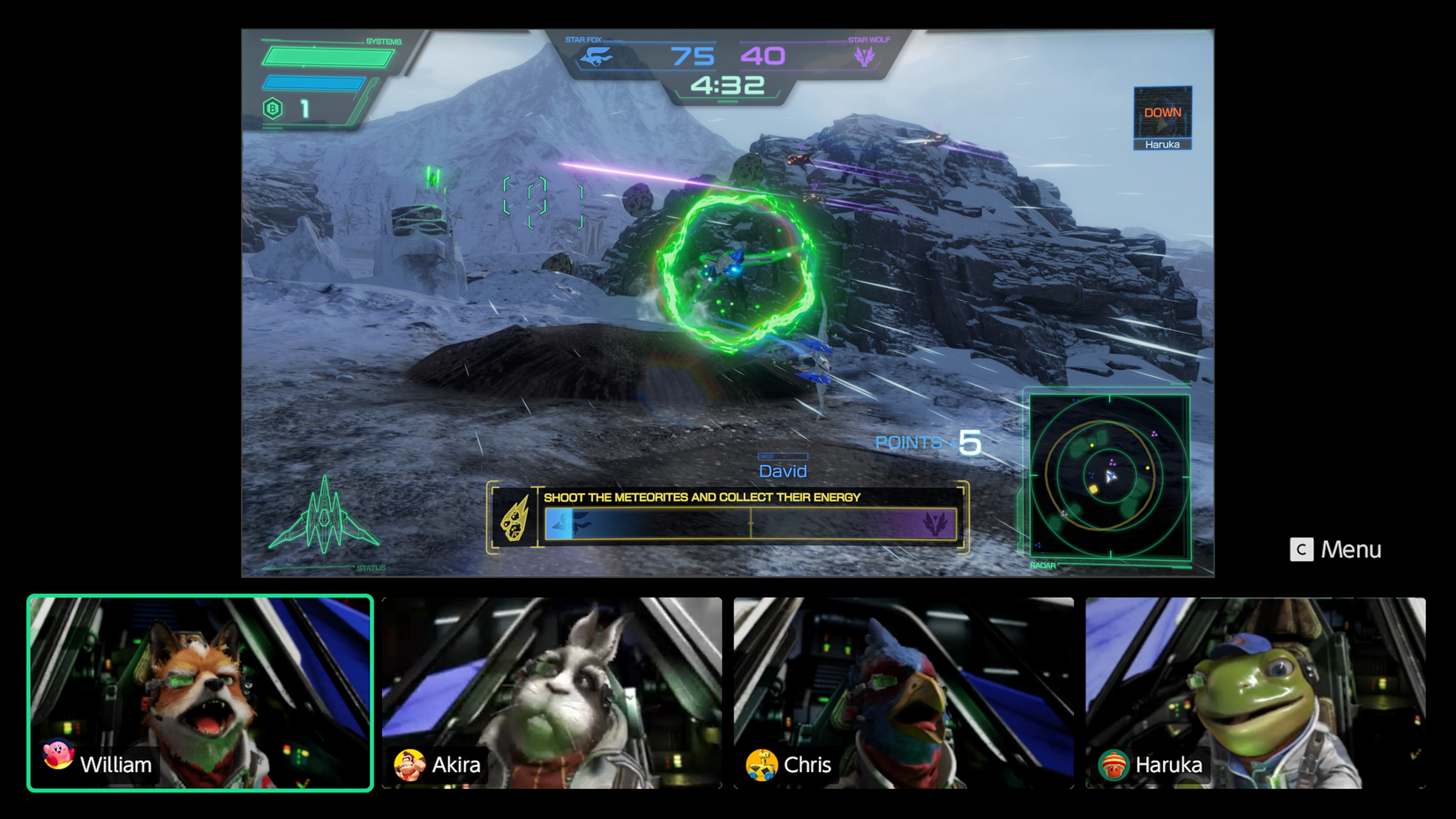
While the single-player campaign is the heart of Star Fox, the inclusion of a dedicated Battle mode adds a layer of competitive replayability. Featuring three distinct maps, the mode offers objective-based team combat that emphasizes the game’s tight flight physics and dogfighting mechanics.
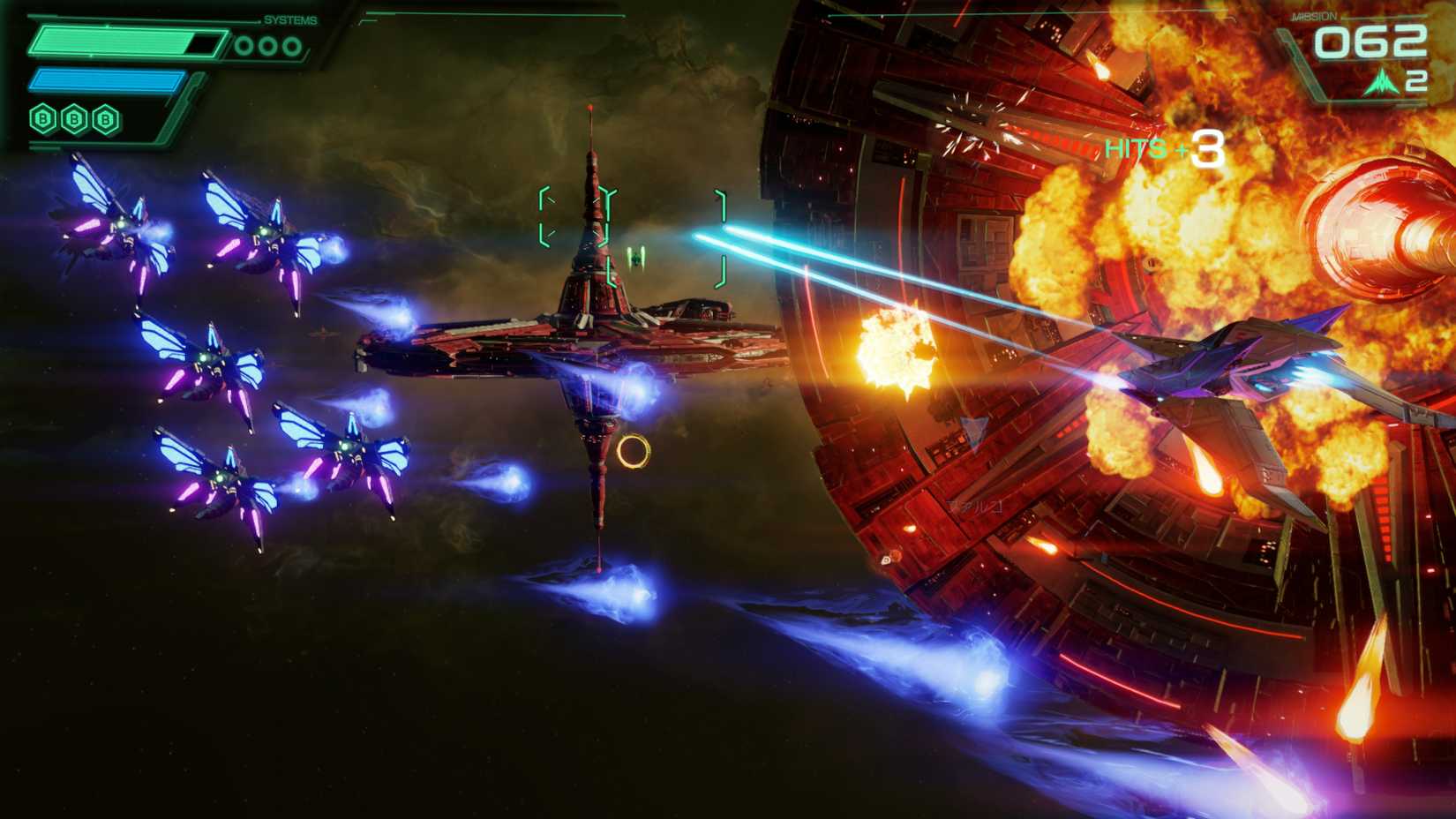
Current game modes include variations of classic capture-the-flag and zone-control scenarios, all rendered with the same high-fidelity aesthetic as the campaign. While it currently lacks the breadth of content found in major multiplayer shooters, it provides a solid, highly polished foundation. Given Velan Studios’ history of iterative support, the community is hopeful for future expansions that could introduce more maps and game types. As it stands, it is a high-intensity playground for those who wish to test their reflexes against human opponents.
Completionist Rewards and Lore Integration
Nintendo has implemented a comprehensive rewards system to incentivize total completion. Players who invest the time to unlock all planets, earn all medals, and conquer every challenge will be rewarded with an array of customization options. These include unique banners and icons for the player’s profile card, which serve as visual badges of honor for their accomplishments in the cockpit.
Furthermore, the game features a deep dive into the lore of the Lylat System. By clearing various milestones, players can unlock detailed files that expand on the history of James McCloud and the Star Fox team. For fans of the franchise’s history, these snippets of world-building are a significant draw. Additionally, the integration of AR GameChat allows players to utilize unique filters, secret character skins, and special accessories, providing a tangible layer of personalization that extends beyond the game’s core mechanics.
Official Stances and Industry Implications
The development of this remake by Velan Studios, under the guidance of Nintendo, reflects a broader industry trend of re-evaluating the "value" of short-form, high-intensity gaming. In an era dominated by "Games as a Service" (GaaS) models that demand hundreds of hours of grind, Star Fox stands as a defiant throwback to an era where quality and replayability took precedence over sheer volume of content.
Nintendo has remained relatively quiet regarding long-term post-launch support, but industry analysts suggest that the success of the Switch 2 launch titles will dictate the roadmap for such legacy properties. By pricing the game at $50, Nintendo is positioning Star Fox as a premium, "evergreen" title—a game that is meant to be picked up, played, and mastered over years rather than consumed and discarded over a weekend.
Conclusion: Re-evaluating the Experience
The perception that Star Fox is "short" is a matter of perspective. If one views a game strictly through the lens of a linear narrative, the experience is indeed brief. However, when viewed as a mastery-based arcade experience—a genre that Nintendo has perfected over decades—the game opens up significantly.
The value of Star Fox is not found in the duration of the journey, but in the intensity of the flight. By engaging with the branching paths, chasing high-score medals, mastering the expert challenges, and diving into the competitive Battle mode, players can transform a two-hour campaign into a long-term hobby. For the completionist, the collector, and the competitive pilot, Star Fox offers a dense, rewarding, and highly polished experience that is well worth the investment. Whether you are a long-time veteran of the Lylat System or a new recruit, there is more than enough to justify the price of admission if you are willing to look beyond the credits.

