

Main Facts
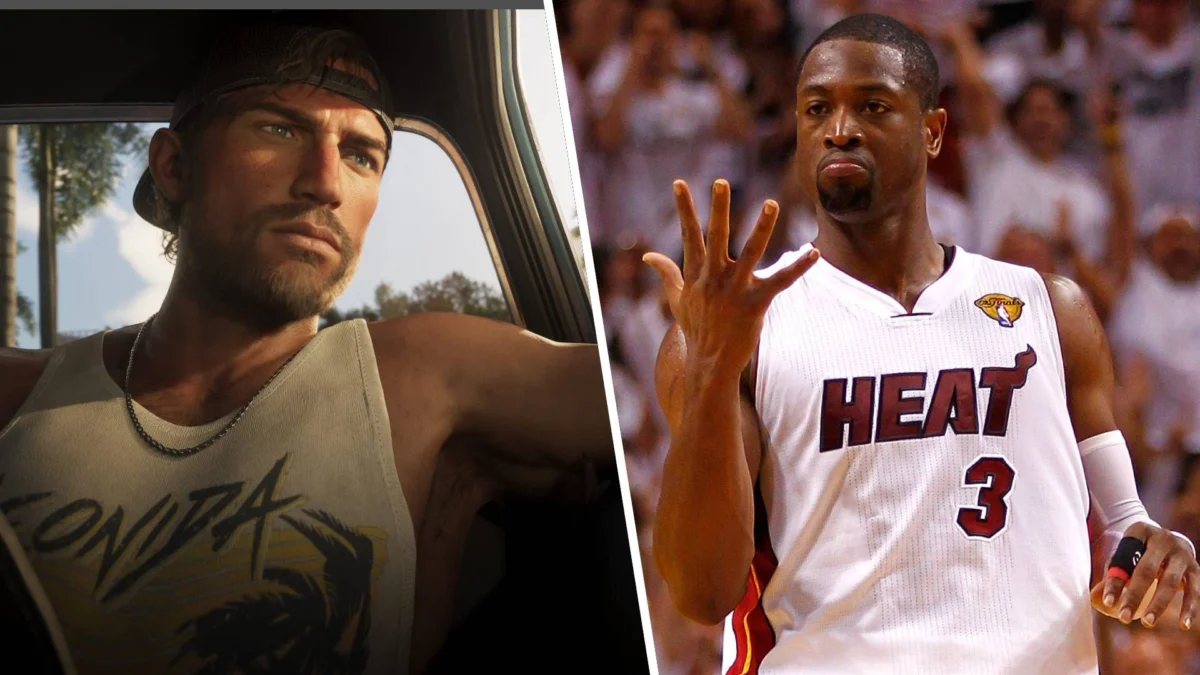
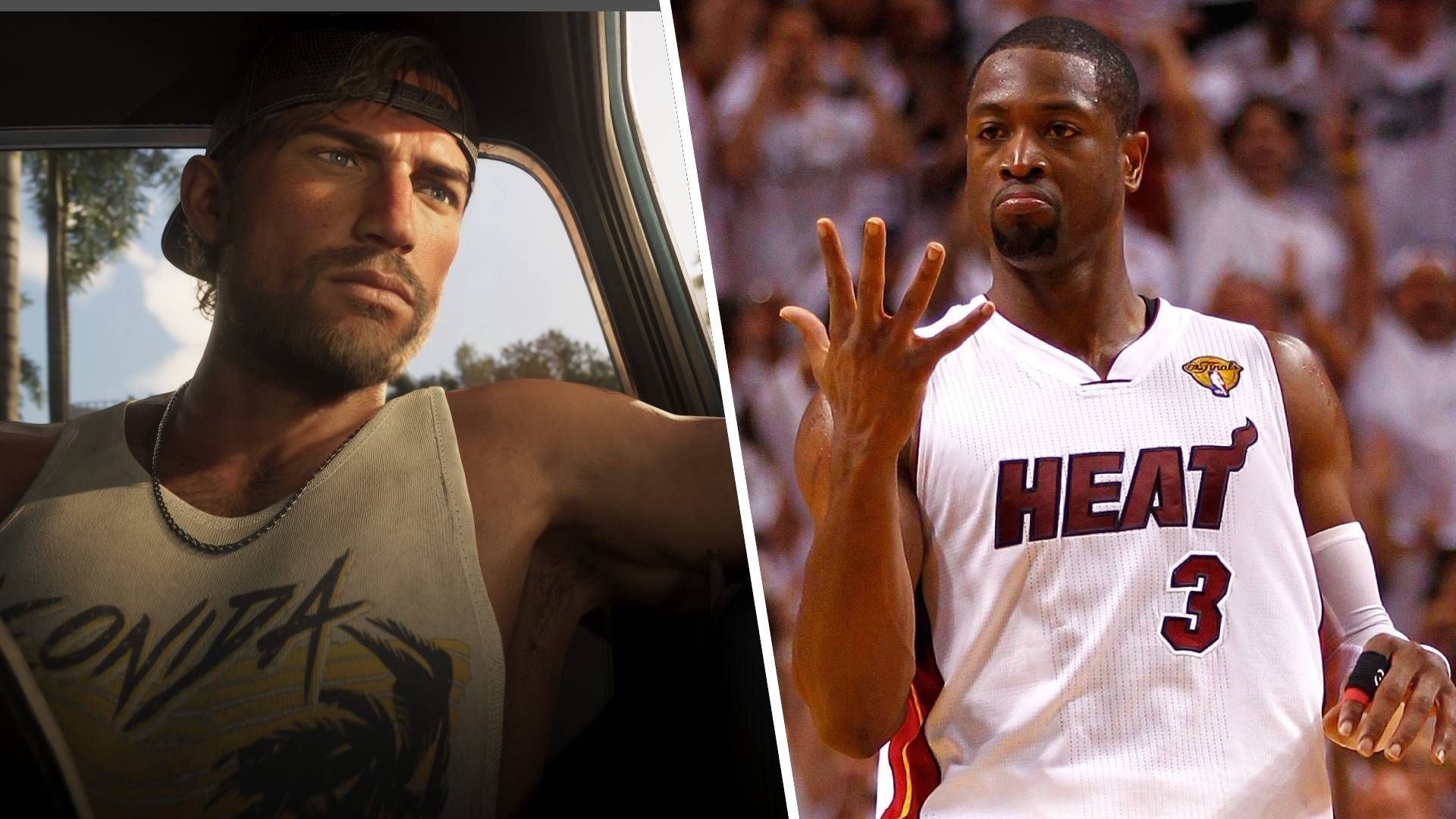
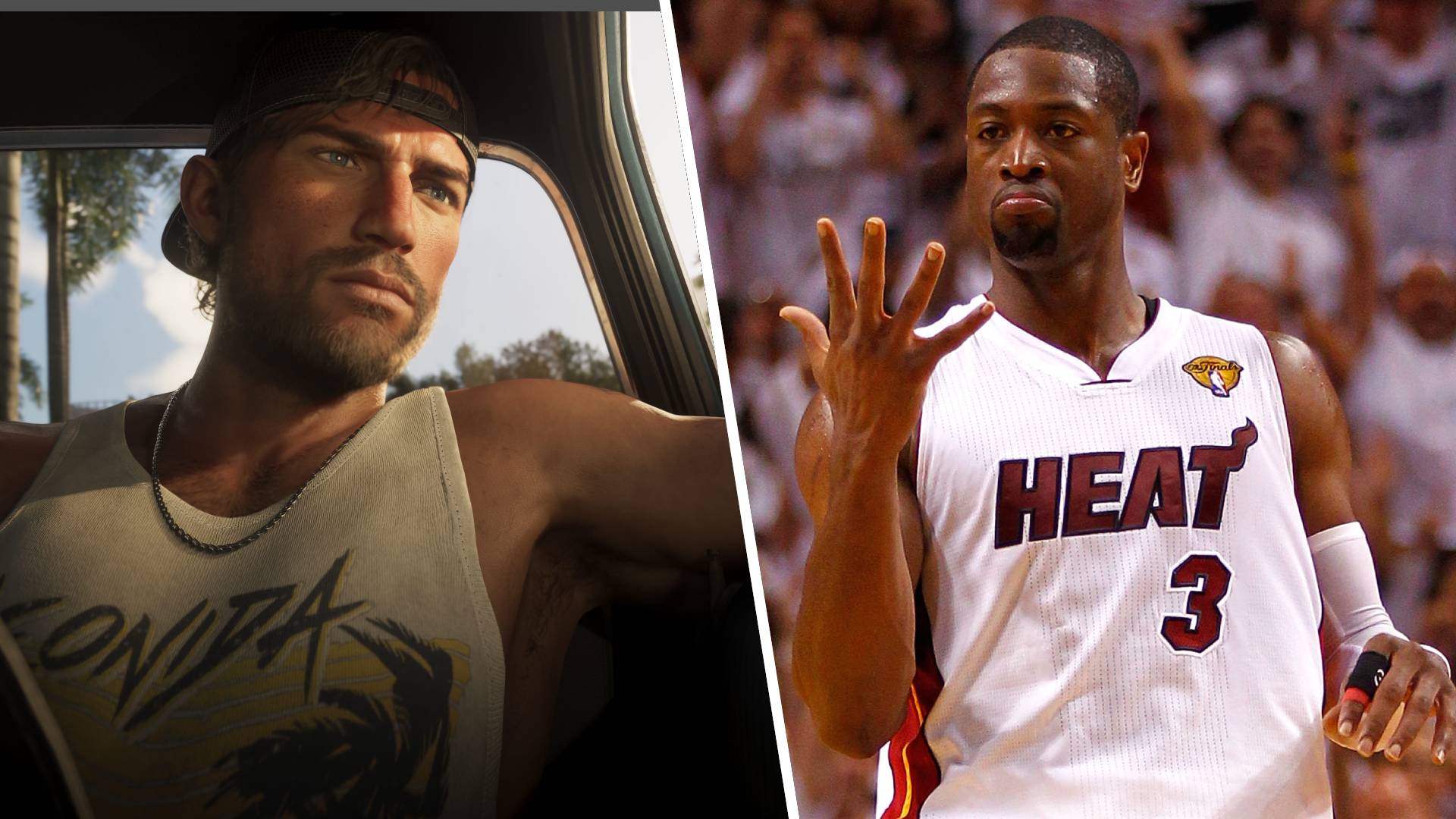
In an unexpected convergence of sports and interactive entertainment, Rockstar Games has partnered with the Miami Heat, the prominent National Basketball Association (NBA) franchise, for a multi-layered promotional campaign titled "A Night in Vice City." The cross-promotion, designed to celebrate the upcoming and intensely anticipated release of Grand Theft Auto 6 (GTA 6), involves temporary franchise rebranding, special merchandise collections, and targeted experiential marketing within the Miami market.
While the partnership represents a textbook execution of modern lifestyle marketing—bridging the gap between a globally dominant video game franchise set in a fictionalized Miami and a premier real-world sports organization anchored in the same geographic region—it inadvertently sparked an internal crisis at the gaming publication PC Gamer. What began as a standard news brief regarding the promotional uniform collection quickly devolved into a sprawling, cross-Atlantic debate concerning cultural literacy, sports franchise recognition, and the true boundaries of global marketing efficacy.
At the center of the discourse is a fundamental question facing modern media conglomerates: When promoting a culturally seismic product like Grand Theft Auto 6, do traditional sports partnerships resonate universally, or do they highlight niche cultural divides between American and international audiences?
Chronology of an Internal Newsroom Debate
The incident unfolded on a Friday morning, beginning at 8:35 AM Central Time. Cameron Bald, audience development manager at PC Gamer, shared a post from fan account GTA 6 Countdown detailing the "A Night in Vice City" initiative. The announcement noted that the Miami Heat would undergo a temporary rebrand tying directly into the aesthetic and nomenclature of Rockstar’s upcoming blockbuster.
Initial reactions within the staff Slack channel ranged from mild amusement to outright skepticism. Fraser Brown, an online editor based in Glasgow, Scotland, voiced immediate doubt regarding the campaign’s logic, questioning the necessity of marketing a title as universally known as GTA 6. "Who the hell doesn’t know GTA is coming?" Brown asked.
The debate rapidly escalated as staff members weighed in from various parts of the globe:
- 8:54 AM: Brown doubled down on his skepticism, labeling the basketball stunt "insinitely niche" compared to broader multimedia efforts like a Netflix trailer. When pressed on the cultural footprint of the Miami Heat—a franchise with multiple championships and a historic legacy featuring LeBron James—Brown delivered the pivotal admission: "I had to google Miami Heat." This marked the official inauguration of the informal newsroom metric: the "Brits Who Don’t Know Ball" counter.
- Shortly After: Editorial Director Jake Tucker attempted to draw parallels to the global popularity of British football clubs, an argument that immediately faltered as Brown revealed an equivalent detachment from soccer culture. Lead SEO editor Lauren Morton summarized the marketing perspective, arguing that such campaigns are not about persuasion, but about market saturation—akin to placing a chocolate bar at a supermarket checkout counter.
- The Second Wave: Joshua Wolens, a news writer based in England, compounded the tally by admitting total ignorance of the franchise. "I also don’t know what a Miami Heat is," Wolens noted, adding a layer of existential resignation to the modern media landscape.
- The Lunch Break Revelation: During a midday break, Senior Guides Writer Sean Martin—also English—was brought into the discussion while playing Dark Souls 2, sheepishly admitting that he too had no prior awareness of the team. Shortly after, former PC Gamer Editor-in-Chief Samuel Roberts entered the chat, noting that he had only learned of the team hours prior through American podcast osmosis.
- The American Outlier: The cultural confusion reached its peak when Senior Editor Christopher Livingston, an American who had spent years living in Florida, confessed that he likely could not have identified the Heat prior to the morning’s news cycle, officially establishing the "Americans Who Don’t Know Ball" demographic.
Supporting Data and Industry Context
To understand the weight of the "A Night in Vice City" campaign, it is necessary to examine the scale of both entities involved. Grand Theft Auto V remains one of the most financially lucrative entertainment products in human history, having sold over 200 million copies worldwide. Its successor, GTA 6, is projected to shatter previous launch records upon its scheduled release.
Conversely, the Miami Heat represent a premier asset within the NBA’s commercial ecosystem. Forbes routinely values elite NBA franchises in the billions of dollars, often placing them on par with or exceeding the valuation of top-tier European football clubs. Cross-promotions between major gaming publishers and American sports leagues are increasingly common; previous notable examples include Fortnite’s integrations with the NFL and various football clubs, as well as NBA 2K’s continuous blending of real-world fashion, music, and basketball culture.
However, the efficacy of localized sports marketing for a global entertainment property relies heavily on regional cultural penetration. While American sports leagues like the NFL and NBA have aggressively pursued international expansion—hosting regular-season games in London and Mexico City, and cultivating massive digital audiences in China and Europe—regional sports branding does not possess the ubiquitous penetration of Hollywood cinema or pop music.

For international audiences, particularly in regions without a deep-rooted basketball culture, an NBA team rebrand functions more as a specialized athletic crossover than an unmissable global event. This disconnect forms the core of the debate: while American marketers view NBA franchises as massive cultural billboards, international consumers may view them as hyper-local entities tethered to a specific domestic league.
Official Responses and Perspectives
The "A Night in Vice City" collection itself, detailed on the official NBA and Miami Heat platforms, showcases a high-production-value merging of Rockstar’s distinct neon-soaked typography and color palettes with athletic apparel. The collaboration is intended to bridge the gap between Miami’s actual cultural identity—heavily influenced by the "Vice" aesthetic popularized by television and video games—and the virtual playground Rockstar is constructing.
Internally, the PC Gamer staff eventually pivoted from debate to philosophical reflection. Lincoln Carpenter, a news writer based in Buffalo, New York, attempted to reframe the conversation around the macroeconomic scale of NBA franchises compared to global football teams, noting that the sheer financial valuation of American basketball teams guarantees baseline cultural gravity, even if regional awareness varies.

The author of the internal chronicle, Ted Litchfield, reflected on the surreal nature of the culture clash:
"I can’t stress enough that I’m not a basketball guy. I don’t know why this lack of Miami Heat brand recognition is bothering me so much. Is this how my UK colleagues feel when I don’t know what a chip sandwich, Mr. Blobby, or a bank holiday is? I feel like I’m being pranked."
Implications for the Future of Entertainment Marketing
The lighthearted newsroom kerfuffle points to broader strategic shifts in how multi-billion-dollar entertainment properties handle marketing in an increasingly fragmented global media landscape.

- The Saturation Strategy vs. Targeted Appeal: As demonstrated by the comparison to checkout-counter candy, mega-releases like GTA 6 do not necessarily need to "convince" skeptical gamers to purchase the product. Instead, marketing strategies rely on omnipresence—flooding cultural touchpoints so that the product remains inescapable, whether through billboards, digital ads, or unexpected sports uniform collaborations.
- The Limits of Transatlantic Cultural Osmosis: While American pop culture enjoys vast global hegemony, specific subcultures—such as regional sports franchises—do not always translate seamlessly across borders. Marketing executives must weigh whether a localized partnership justifies the capital expenditure when viewed through an international lens.
- The Value of Organic Conversation: Ironically, the most significant outcome of the Rockstar-Heat partnership for PC Gamer was not the direct conversion of consumers, but the generation of viral newsroom debate. In the modern media ecosystem, an event so culturally polarizing that it forces British games journalists to research American basketball teams generates free, organic publicity that traditional ad buys struggle to replicate.
Ultimately, whether consumers recognize the Miami Heat or not, the message has been delivered: Vice City is coming, and it has successfully infiltrated every corner of the cultural zeitgeist—one bewildered international games journalist at a time.

