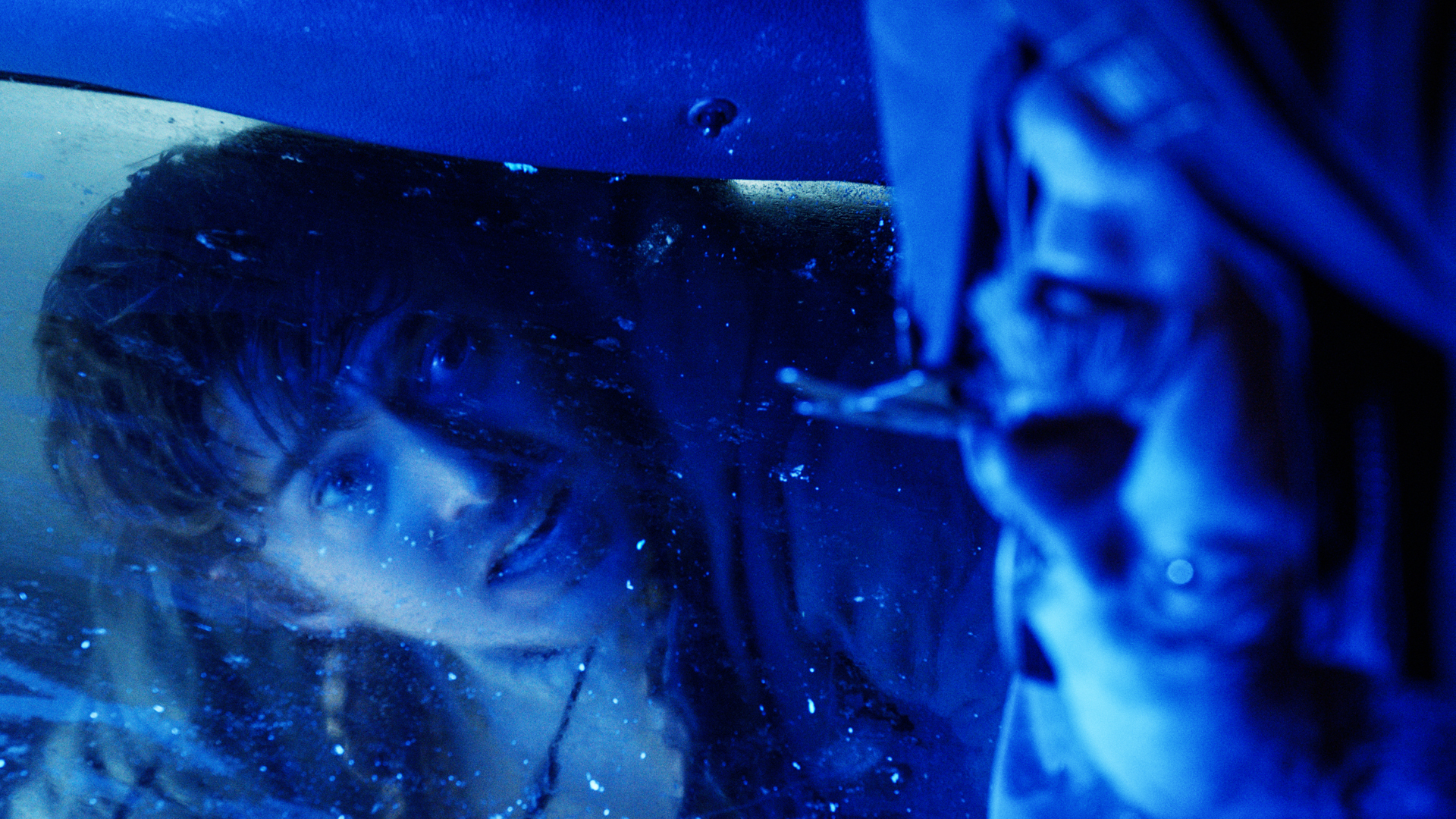
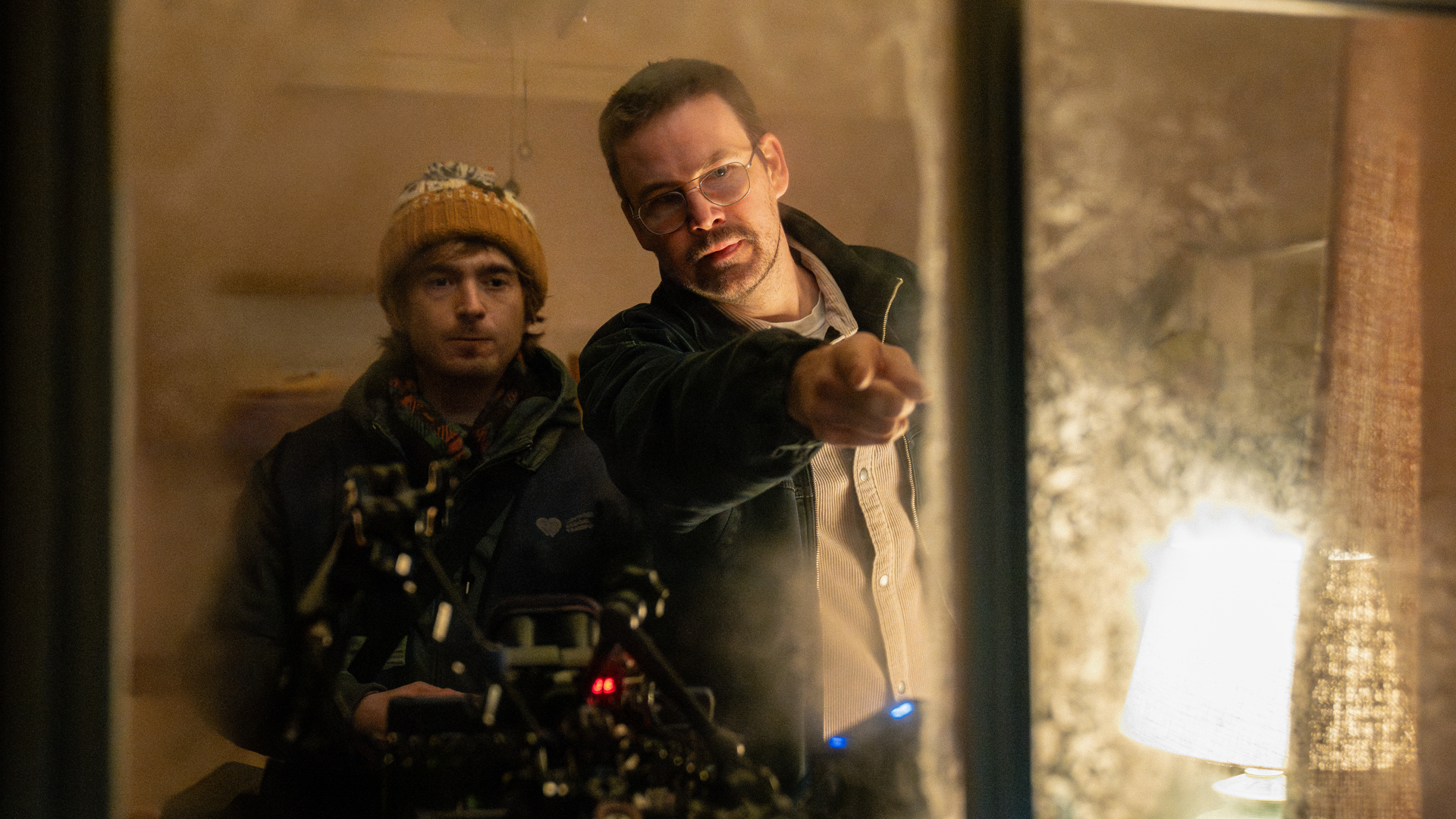
LOS ANGELES — For decades, the cinematic curse of the video game adaptation loomed large, littered with chaotic box-office bombs, incomprehensible plotting, and alienated fanbases. But as the leaves turn in September 2026, the horror landscape is undergoing a radical shift. Ahead of its wide theatrical release on September 18, Zach Cregger’s highly anticipated Resident Evil reboot—produced by Constantin Film and distributed by Columbia Pictures—has officially unleashed its early critical wave.
If early studio-vetted press screenings are any indicator, horror purists, cinephiles, and skeptical gamers alike are in for a rare treat. Defying a long history of critical disdain for the Capcom franchise, reviewers are praising Cregger’s vision not merely as a high point for the Resident Evil cinematic universe, but boldly declaring it a serious contender for the greatest video game movie ever made.
Yet, as anticipation reaches a fever pitch, the film’s rollout has not been without minor industry friction. Outlets like PC Gamer notably reported being excluded from advance press screenings—a common, albeit frustrating, studio practice that reminds cautious observers to weigh glowing early reactions with a degree of healthy skepticism. Nevertheless, the consensus from the outlets that did secure early access paints a picture of a lean, mean, and deeply terrifying thrill ride that successfully redefines what a horror-game translation can achieve on the big screen.
Main Facts: What We Know About Cregger’s Take
At its core, Zach Cregger’s Resident Evil represents a dramatic departure from the narrative blueprint laid down by Paul W.S. Anderson’s historic 2002 Milla Jovovich franchise, as well as Johannes Roberts’ 2021 reboot, Resident Evil: Welcome to Raccoon City. Rather than slavishly recreating the convoluted multi-game arcs or cramming dozens of beloved protagonists into a single 120-minute runtime, Cregger has opted for a radically streamlined, original survival story.
Starring Austin Abrams alongside Johnno Wilson, the film shifts the focal point away from iconic heroes like Leon S. Kennedy and Claire Redfield. Instead, it tracks an everyday protagonist plunged directly into the worst night of his life, functioning within the narrative margins of the broader franchise lore.
Release Date: September 18, 2026
Director: Zach Cregger (best known for his critically acclaimed 2022 horror breakout, Barbarian)
Production Studios: Constantin Film, Columbia Pictures / Sony Pictures
Key Cast: Austin Abrams, Johnno Wilson
Runtime: A brisk, highly optimized 90 minutes
By trimming the narrative fat and anchoring the perspective tightly to a single character navigating an escalating biological nightmare, Cregger has engineered a pressure-cooker environment that mirrors the signature "fight-or-flight" panic of actually holding a controller.
Chronology of Production and the Road to Release
The journey to Cregger’s Resident Evil has been a long time coming for fans of both the filmmaker and Capcom’s legendary survival horror series.
Late 2022: Following the breakout box-office and critical success of his original horror film Barbarian, director Zach Cregger became one of Hollywood’s most sought-after genre auteurs. Rumors immediately began swirling regarding his next major studio project.
2024–2025: Constantin Film, holding the cinematic rights to the Resident Evil intellectual property, officially tapped Cregger to helm a fresh feature-film reboot. The mandate was clear: steer away from previous continuity missteps and deliver a project that captured the terrifying essence of the source material.
Mid-2025: Casting details leaked, confirming that rising star Austin Abrams would anchor the film, bringing a vulnerable, everyday-man energy distinct from the tactical super-soldiers typically front-and-center in the games.
Early 2026: Principal photography wrapped in Eastern Europe under cinematographer Dušan Martinček. Sony Pictures and Columbia Pictures slated an aggressive late-summer rollout, building massive internet speculation fueled by cryptic teasers and Cregger’s growing industry clout.
September 16–17, 2026: The embargo lifts. Early reviews flood trade publications and enthusiast blogs alike, instantly generating viral buzz and positioning the film as an unexpected late-September box-office heavyweight.
Supporting Data: Critical Consensus and Review Highlights
While full box-office tracking is still developing as the film barrels toward its September 18 premiere, the critical reception has been overwhelmingly positive. Major entertainment and gaming outlets have rushed to share their perspectives, with several handing out rare top-tier scores.
Critical Scores at a Glance
Polygon: 91/100
GamesRadar+: 4/5 stars
GameSpot: 8/10
IGN: 8/10
Collider: 8/10
DiscussingFilm: 4/5 stars
The A.V. Club: B
What the Critics Are Saying
The critical commentary highlights Cregger’s unique ability to blend visceral body horror with pitch-black comedic timing—a hallmark of his prior filmmaking style that fits snugly into the campy, terrifying DNA of Capcom’s games.
"Turns out eighth time’s a charm, as despite much pre-release griping over the absence of iconic game characters like Leon S. Kennedy and Claire Redfield, director Zach Cregger’s Resident Evil isn’t just the best Resi movie by a distance; it’s the best video game movie full stop."
— Jordan Farley, GamesRadar+
"Cregger takes his love for both the franchise and the genre and channels them into something we’ve never really seen before. Resident Evil is funny, scary, gross, and beautiful. Above all else, it captures the fight-or-flight experience of actually playing a Resident Evil game."
— Jake Kleinman, Polygon
"By backing away from the stories and characters of the video games, Cregger dodges the giant bullet of ‘that’s not my Leon Kennedy’ and instead lets us finally experience Resident Evil ourselves, through our own eyes."
— Eric Frederiksen, GameSpot
"The 90-minute B-movie so deftly juggles gags and gross-outs that, when it’s finally boxed in by the larger demands of IP, it’s as tragic as watching a beloved character succumb to the dehumanizing effects of a virus."
— The A.V. Club
Official Responses and Industry Reactions
The reception from industry insiders has sparked intense conversations about how intellectual properties should be adapted for the silver screen. For years, studios operated under the assumption that an adaptation must bend over backward to service hardcore fans by cramming in every Easter egg, lore drop, and legacy character from decades of game history.
Cregger’s counter-programming approach—focusing on tone, atmosphere, and original characters operating within the atmospheric boundaries of the universe—has proven to be a masterstroke.
In statements accompanying the press junkets, studio representatives from Sony Pictures and Constantin Film expressed immense confidence in the project’s broad-market appeal. By keeping the runtime a lean 90 minutes, the production team ensured that theaters could maximize daily screening slots while delivering a fast-paced narrative that avoids the bloated, CGI-heavy fatigue typical of modern blockbusters.
Furthermore, independent reviewers and YouTube critics have amplified the positivity. Adam Olinger (Adam Does Movies) labeled it flatly as "the best videogame movie of all time," while Lisa Laman (Land of the Nerds) grouped it alongside recent high-water marks like Sonic the Hedgehog 3, signaling a cultural turning point where Hollywood is finally learning how to translate interactive media into satisfying cinema.
Implications for the Future of Video Game Adaptations
The success—both critical and anticipated commercial—of Zach Cregger’s Resident Evil carries profound implications for the entertainment industry at large.
1. The Death of Fan-Service Overload
For too long, video game adaptations suffered from creative paralysis born out of a fear of upsetting online fan communities. By deliberately side-stepping legacy protagonists like Leon S. Kennedy, Claire Redfield, and Chris Redfield, Cregger proved that audiences respond better to strong atmospheric storytelling and authentic genre thrills than they do to shallow character checklists. Future adaptations across Hollywood are likely to take note, prioritizing cinematic vision over encyclopedic accuracy.
2. Elevating the "B-Movie" Aesthetic
Cregger’s background in indie horror (Barbarian) demonstrated his uncanny knack for subverting audience expectations within tight budgetary and narrative constraints. Bringing that sensibility to a major multi-million-dollar franchise like Resident Evil proves that studios don’t need sprawling, cinematic-universe-building budgets to succeed. A tightly wound, 90-minute, gross-out, high-tension thriller can easily out-maneuver bloated CGI spectacles.
3. A New Golden Age for Gaming Adaptations
Following the massive triumphs of HBO’s The Last of Us, Amazon’s Fallout, and recent cinematic breakthroughs, the stigma traditionally attached to video game adaptations has all but evaporated. If Cregger’s film performs as strongly at the box office as it has with early critics, Constantin Film and Capcom will undoubtedly look toward expanding this new, director-driven pocket universe.
As moviegoers head to theaters this weekend, the question remains: Can a franchise historically plagued by cinematic misfires finally break the curse for good? If the early word from critics holds true, the nightmare in Raccoon City has never looked—or felt—so brilliantly alive.