

In the hyper-competitive ecosystem of Steam’s "Next Fest"—a digital gauntlet where thousands of developers clamor for the fleeting attention of the gaming public—the gold standard for success is simple: the wishlist. It is the primary metric by which visibility is gained, algorithms are fed, and launch-day success is predicted. Yet, amidst this frantic race for digital shelf space, one title has chosen to stand apart by actively discouraging the standard marketing playbook.
About Fishing, the upcoming "fishing mystery game" from developer The Water Museum, has captivated players not through aggressive promotion, but through a bizarre, Lynchian blend of psychological horror and genuine human kindness. While it is undoubtedly one of the most compelling demos currently available, its creator is using the platform to champion something far more radical than a wishlist: the importance of disconnecting.
The Surrealist Depths of a Digital Pond
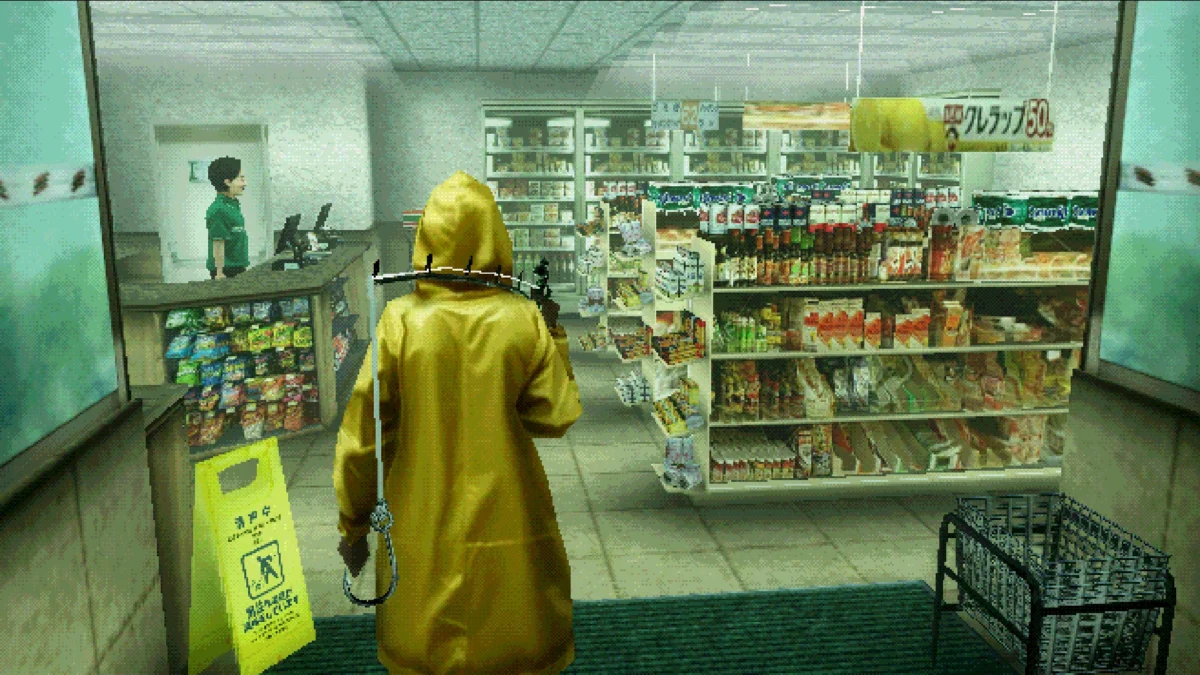
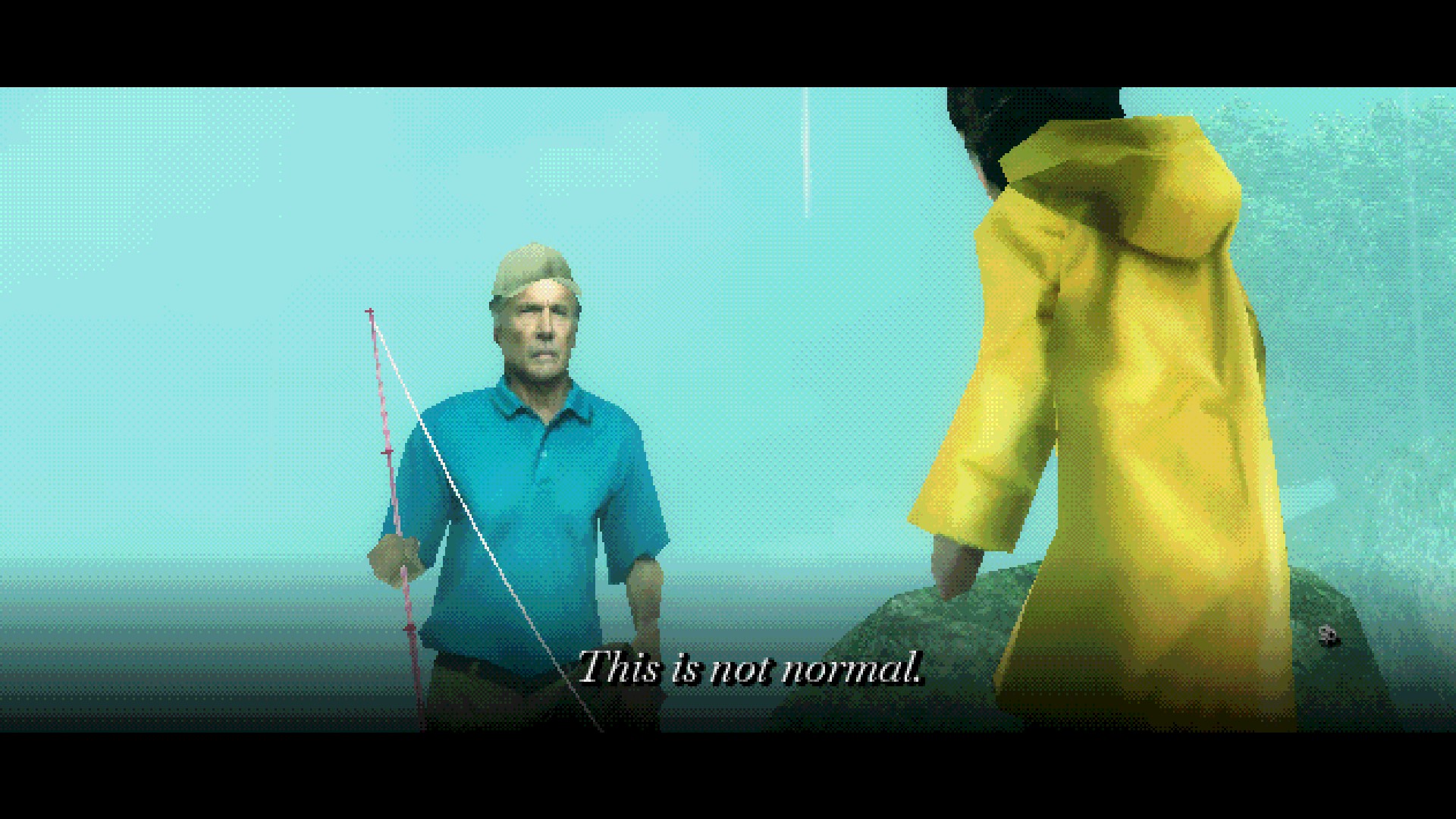
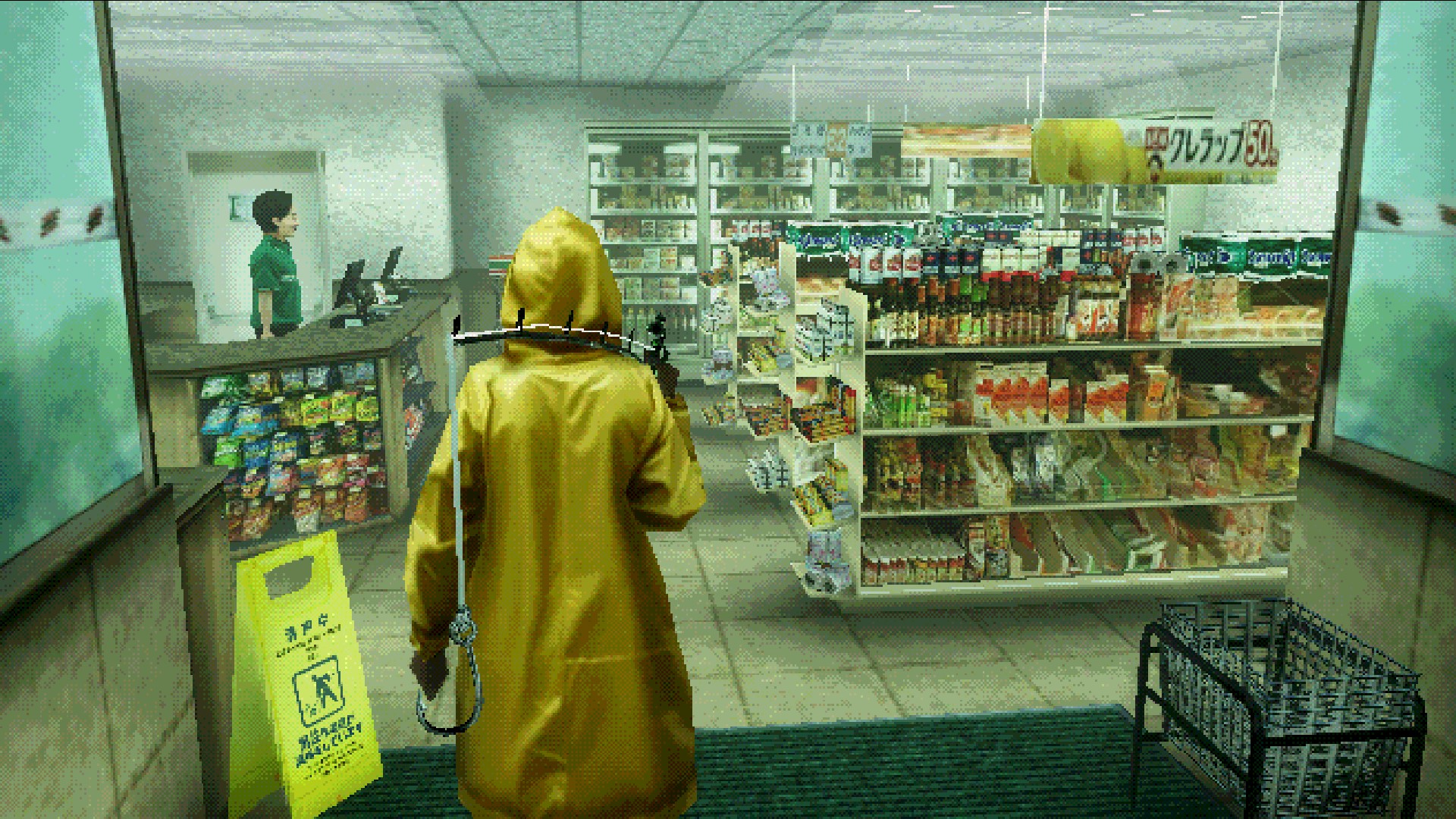
At first glance, About Fishing presents itself as a quiet, meditative angling simulator. However, to label it as such would be a disservice to the unsettling, surrealist nightmare waiting just beneath the surface of its pixelated waters. The game’s atmosphere is thick with a sense of dread that feels less like a traditional horror game and more like a fever dream filtered through the lens of a mid-century fishing hobbyist.
In this world, your tackle box serves as a repository for a burgeoning conspiracy board. The local church houses a clandestine prison ward in its basement, and the fish you catch are not mere trophies—they are vessels of information. By communing with these aquatic entities, players can retrieve submerged clues from the depths of local waterways, slowly piecing together a narrative that feels both deeply intimate and profoundly alien.
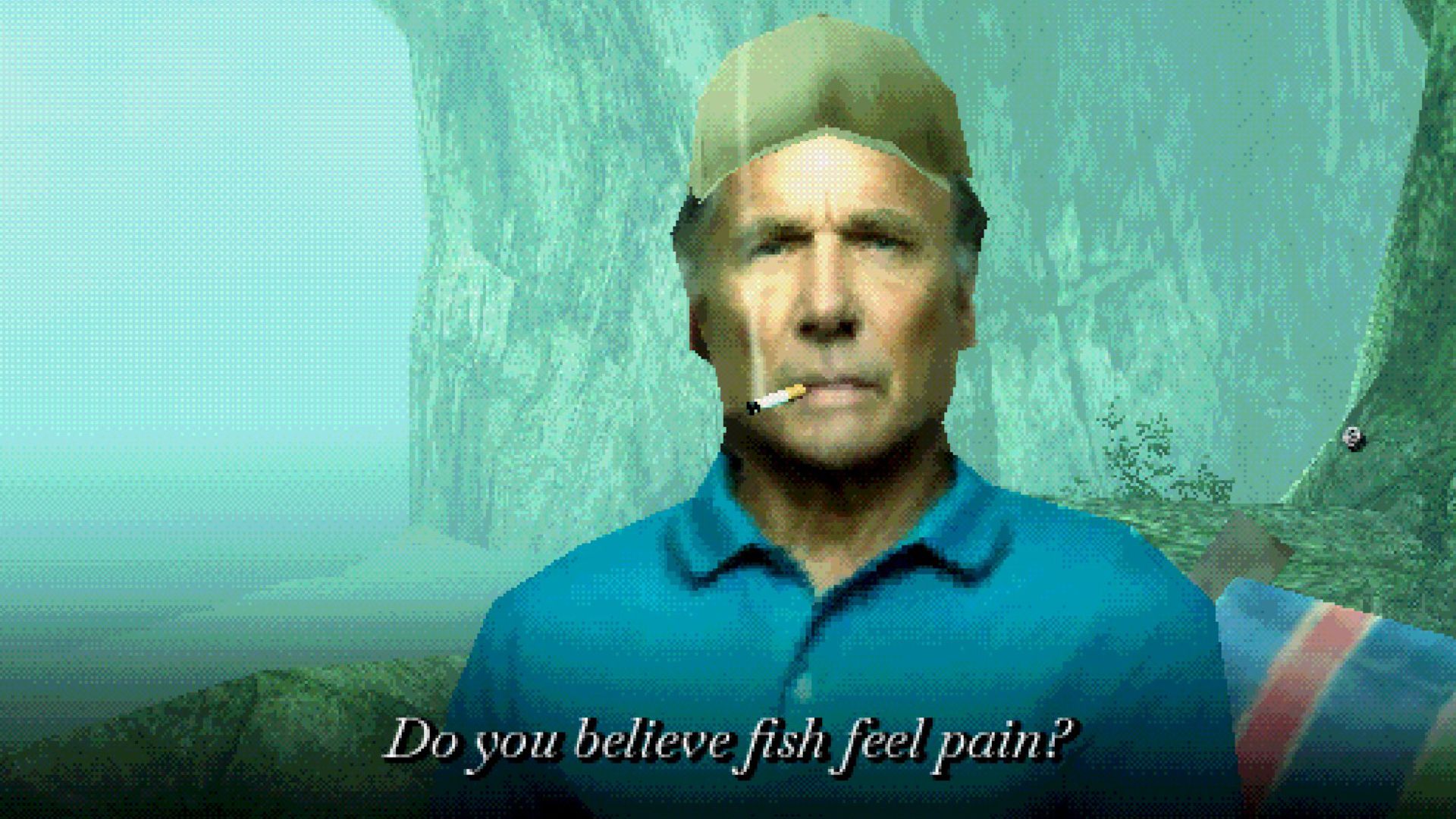
The aesthetic choice is equally distinct. The game utilizes highly detailed textures stretched across low-polygon models, creating a visual dissonance that feels intentionally "off." The gameplay mechanics, too, lean into this absurdity. Players find themselves performing Wanted-style bullet-curving maneuvers with their fishing hooks mid-cast, executing hyper-precise angling in a way that defies the physics of the real world. It is a game that is eerie, absurd, and remarkably endearing, proving that the best indie games are often those that refuse to be categorized.
A Chronology of the ‘About Fishing’ Phenomenon
The trajectory of About Fishing has been marked by a slow, deliberate build-up of community intrigue rather than a sudden explosion of viral marketing.
- Initial Development: The Water Museum began dropping cryptic teasers for the project, emphasizing the game’s focus on atmospheric mystery rather than the mechanical satisfaction of fishing.
- The 100,000 Milestone: On June 11, 2024, the project achieved a significant milestone, officially surpassing 100,000 wishlists on Steam. This cemented the game’s status as a "must-watch" title for the upcoming year.
- Steam Next Fest Kickoff: With the start of the latest Steam Next Fest, the developer released a public statement via the game’s Steam news hub, designed to capitalize on the influx of traffic.
- The Anti-Marketing Pivot: In a move that surprised industry observers, the developer’s post explicitly pivoted away from the "wishlist-at-all-costs" mentality, encouraging players to look beyond their own product.
Data Points: The Value of a Wishlist vs. Community Health
In the modern PC gaming market, the "wishlist" is the lifeblood of an indie studio. When a game launches on Steam, the number of wishlists it has accrued directly influences its placement on the "Popular Upcoming" charts and dictates how many notification emails Steam sends out to potential buyers.
However, the data suggests that for developers like The Water Museum, the "conversion rate" of a wishlist is rarely 1:1. By reaching the 100,000-wishlist threshold, the developer has already effectively secured a high level of visibility. This creates a unique position of leverage. Rather than squeezing the audience for more engagement, the developer has the luxury—and the integrity—to shift the conversation.
This is a rare example of "developer solidarity." By explicitly telling players, "You don’t have to wishlist it," the studio is effectively devaluing the currency of the platform in favor of fostering a healthier relationship with the consumer. It is a bold, albeit calculated, move that humanizes the developer and creates a stronger, more loyal fanbase that is more likely to purchase the game at full price upon release.
The Official Stance: "Take Your Time With It"
In the official Steam news update posted earlier this week, the developer, known as Kevin, provided a candid perspective on the pressure of the festival cycle.
"After you’re done—you don’t have to wishlist it," Kevin wrote. "Just promise me you’ll find another demo that looks interesting and give it a go. There are some genuinely great creators in this fest who deserve the attention. Take your time with it."
Kevin’s advice didn’t stop at other games. He went on to suggest that players should turn off their computers, step outside, and engage with the physical world—specifically recommending that people "enjoy a nice tree." While this might sound like a joke, it reflects a broader ethos of the game itself: a rejection of the high-speed, high-stress nature of modern digital consumption.
This sentiment has resonated deeply with the gaming community. On forums and social media, players have praised the refreshing honesty of the message. In an era where players are constantly bombarded with "Call to Action" buttons and aggressive FOMO (Fear Of Missing Out) marketing, a developer telling you to go touch grass is a powerful form of brand differentiation.
Broader Implications: The Future of Indie Marketing
The success of About Fishing and the developer’s unconventional approach raise important questions about the future of indie game marketing.
1. The Death of Aggressive Marketing?
For years, the industry has operated under the assumption that aggressive growth hacking is the only path to success. The Water Museum is proving that authenticity and human-centric messaging can be just as effective—if not more so—at building long-term community value.
2. The Power of "Curated Discovery"
By encouraging players to look for other games, The Water Museum is positioning itself as a tastemaker within the Steam Next Fest ecosystem. If a player finds a great game based on a recommendation from the About Fishing dev, they are significantly more likely to trust and support About Fishing in the future.
3. Combatting "Steam Burnout"
Steam Next Fest is overwhelming. With over 4,400 demos available in the current iteration, it is impossible for a user to give every game a fair shake. By acknowledging this, the developer is not only building goodwill but also helping to solve a fundamental user experience problem on the platform.
A Final Verdict: Why You Should Still Play It
While the developer might not care about your wishlist, you should care about the experience About Fishing provides. It is a rare gem that understands the medium of the video game as a place for atmospheric exploration rather than just a loop of mechanical chores.
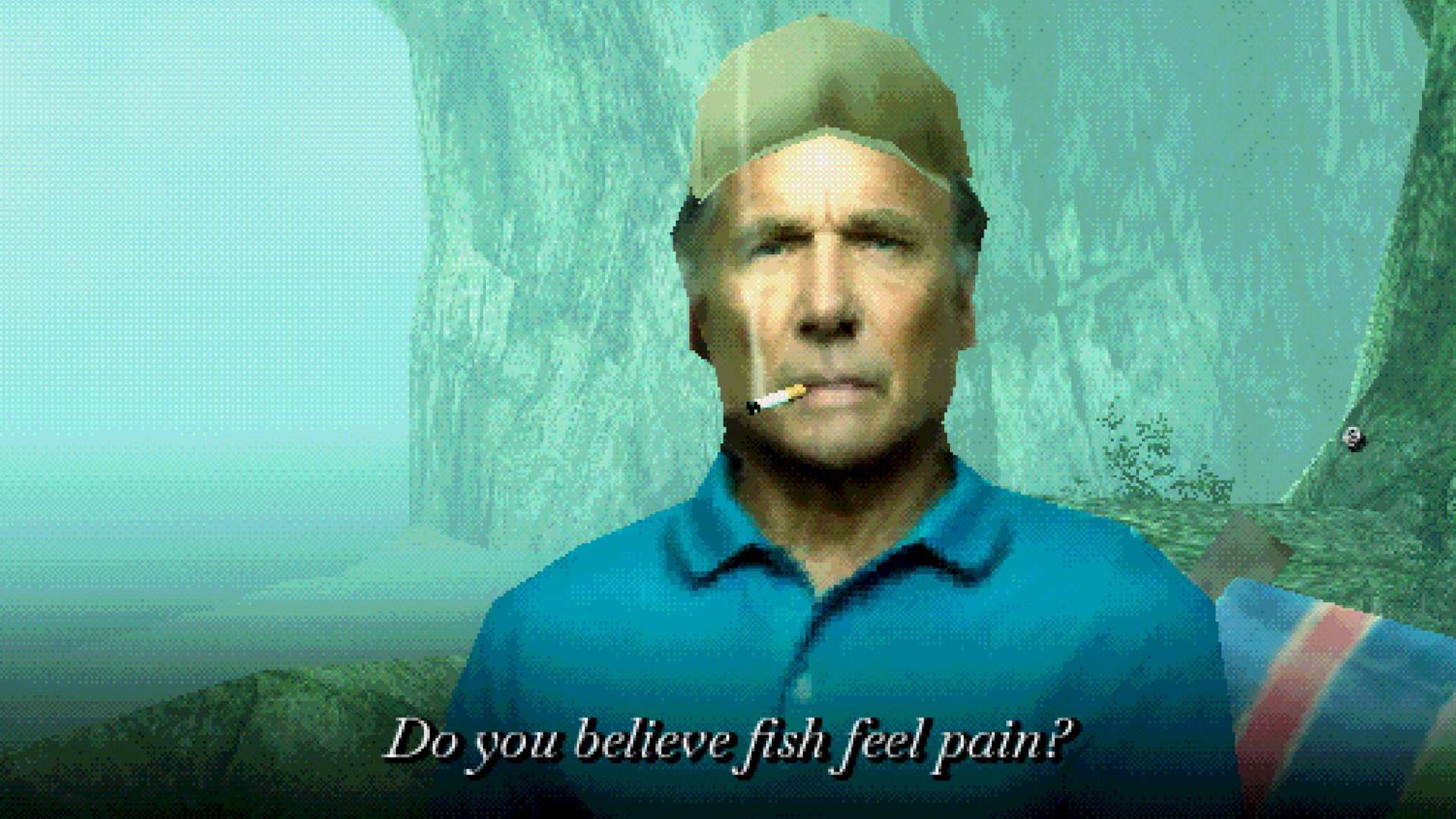
From the ethereal advice of your grandfather—who warns that "the fish around here might’ve been the last witnesses to a murder"—to the oddly satisfying mechanics of the fishing loop, the game is a masterclass in tone. It is a reminder that games, at their best, are experiences that stick with you long after you’ve closed the application.
If you have already played the demo and found yourself charmed by its surreal, haunting, and deeply human spirit, then you have done your part. If you haven’t, it is well worth your time—not because you need to help the developer’s metrics, but because you deserve to experience a piece of art that respects your time, your curiosity, and your need to occasionally step away from the screen and look at a tree.
About Fishing is expected to launch later this year. Until then, the demo remains available for those who are willing to peer into the dark, mysterious waters of The Water Museum’s creation. Just remember to take a break when you’re done. The world outside is just as real as the one in your tackle box.

